
Review · HANOI CITY TOURS
Hanoi Coffee Workshop Crafting the Perfect Brew
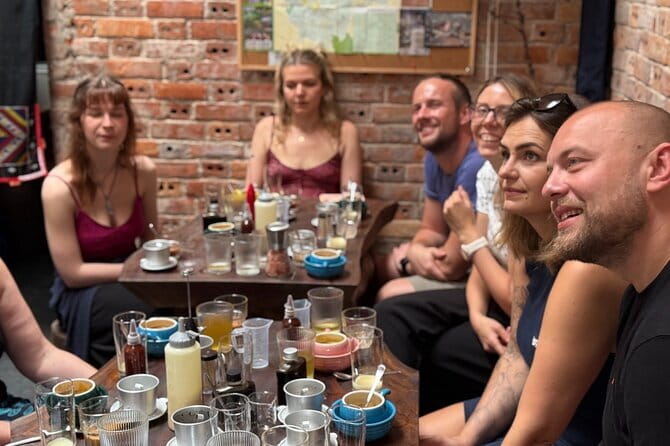
Vietnamese coffee is a hands-on lesson. In Hanoi, you practice brewing methods that locals swear by, then taste and tweak multiple styles, from phin black coffee to egg coffee and even salt coffee. It is built around real technique, not just sipping, with an English-speaking instructor guiding you through Vietnamese coffee traditions and flavor profiles.
What I really liked was the amount you do in a short window. You get to make several iconic drinks, and you are not just watching, you are brewing. I also love that you leave with recipes for each style, so you can repeat the drinks at home instead of forgetting the steps the next day.
One consideration: Vietnamese coffee is strong by design, and several versions use condensed milk, robusta-heavy bitterness, and even egg-based custard. If you usually prefer mild coffee, or you avoid dairy or eggs, go in with realistic expectations.
Key highlights worth your time
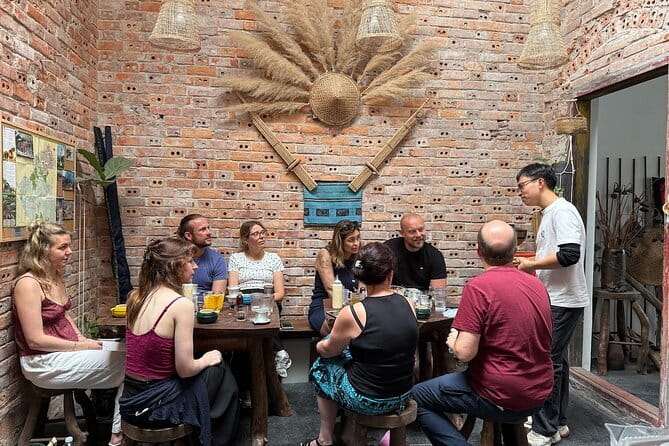
- Small group, big instruction time with a maximum of 15 people, so the instructor can help with technique
- Hands-on phin brewing using the small metal drip filter that creates Vietnamese-style strength and texture
- Egg coffee and salt coffee give you the full range of what makes Hanoi coffee famous, including the custardy and the unexpectedly balanced
- Latte art practice so you get a skill, not only a drink
- Recipes included for each style you make, plus you can adjust to your own taste during the session
Finding GẠO CAFE and starting with Hanoi coffee culture
Your workshop starts at GẠO CAFE, at P. Chợ Gạo, Hàng Buồm, Hoàn Kiếm, Hà Nội 100000. The location is right in central Hanoi, and it is described as near public transportation, which matters because you likely do not want a long scramble across town before a class.
You will show up with a mobile ticket, and then you are guided into the coffee lesson. The whole vibe is simple and practical: you are there to learn how to brew, how to taste, and how each drink gets its signature character.
This matters for value. A 2-hour class can feel rushed in some places. Here, the structure is built around making several coffees, so you get real output, not just a talk.
More Hanoi tours and experiences for the shortlist

Vietnamese coffee starts with beans and the phin filter
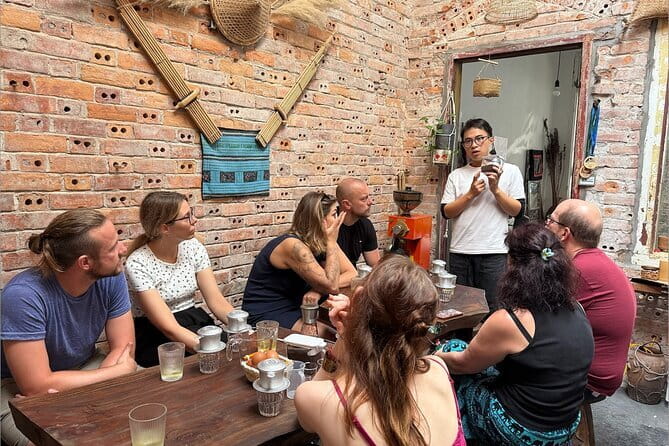
Before you build drinks, you get an introduction to what makes Vietnamese coffee taste the way it does: how bean types behave and why locals reach for certain blends. The class focuses on Vietnamese coffee traditions and explains the unique characteristics of Vietnamese beans, specifically robusta versus arabica, and how that translates into flavor.
Then comes the key tool: the phin filter. This is a small metal drip filter that produces a strong, concentrated brew. The point is not just that it looks traditional. The phin method changes how you experience coffee. You get heavier extraction, a more intense base, and a different balance compared with a typical drip machine.
In practical terms, this is what you learn to do:
- handle the brewing rhythm of the phin
- understand how strength changes when you adjust your method
- taste that difference right away through multiple drink styles
From the reviews, the best experiences seem to come from instructors who explain both technique and context. You might work with someone like Dat, Devin, Claire, or Ashley (names that show up in multiple sessions). What stays consistent is clear, patient guidance and practical tips, not just lecture.
The 4 to 6 styles you will brew in a single session
The workshop is designed around four to six distinct coffee styles. The exact number can vary, but the lineup includes the core Hanoi favorites below. The payoff for you is that you compare them side by side, and you learn what to taste for: bitterness, sweetness, texture, and how milk or toppings change the coffee base.
Here is how each style fits into what you are learning.
Black coffee with the phin filter
Black coffee is the backbone. You brew a concentrated cup using the phin, then taste the result in its pure form. This is where you learn what the coffee base brings on its own, before milk and flavors.
If you like understanding your drinks, this is a smart start because it sets your baseline for the later recipes.
Brown coffee with condensed milk
Brown coffee is one of the most popular Vietnamese variations. The condensed milk adds creamy texture and sweetness, balancing the strong and bitter coffee underneath.
You are not just copying a recipe here. You are learning how sweetness can smooth robust bitterness without erasing it. That skill travels well, because the same idea helps you adjust sweetness at home later.
More Hanoi tours and experiences for the shortlist
Egg coffee, custard-style richness
Egg coffee is the star for many people because it feels like dessert but drinks like coffee. It is typically described as creamy and dessert-like, with a custard or custard-like experience that blends with the bitterness of robusta coffee.
This style teaches two things at once:
- how to keep the coffee strong enough to stand up to the creamy element
- how texture changes when you add an egg-based component
More than one instructor in the feedback is praised for explaining and helping people get this right, and for taking time to guide you through the process.
White coffee with a Vietnamese twist
Vietnamese white coffee is not the same thing as a Western coffee drink you might know. Here, the balance comes from condensed milk sweetness meeting robusta’s bold bitterness.
For you, this is a useful lesson: different “white coffee” styles can be built from different ratios and methods. You get to taste the Vietnamese style for what it actually is, not what you assumed it would be.
Coconut coffee for a tropical variation
Coconut coffee mixes strong black coffee with creamy coconut milk for a refreshing flavor shift. It is a great change of pace because it adds aroma and a different kind of roundness compared with condensed milk alone.
If you are the type who wants at least one drink that feels lighter or more tropical, this one usually delivers.
Salt coffee, sweet-salty balance
Salt coffee is the lesser-known option that several people end up loving. It combines sea salt with milk foam and coffee, creating a surprisingly harmonious mix of sweet, salty, and bitter flavors.
This style is ideal if you enjoy flavor experiments. It also teaches a useful concept you can reuse: salt is not only for savory food. Small changes can lift sweetness and reshape bitterness.
Latte art practice, plus tips that actually help
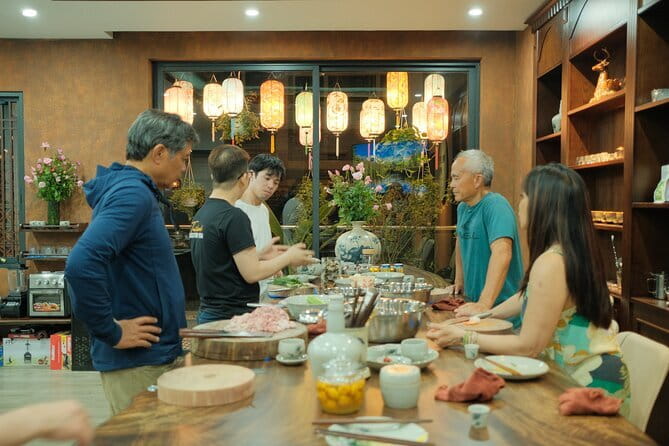
A big part of the fun is that this is not only tasting and drinking. You practice making the drinks, and you also get a chance at latte art.
From the feedback, people like instructors who are clear and patient, and who help you adjust the coffee to your own preferences. You also get time for pictures, which sounds minor until you realize a coffee class with no visuals can feel like a blur.
Latte art also matters for more than looks. When you pour with control, you notice things like foam thickness, pour speed, and how the drink’s temperature affects texture. Even if your art is not restaurant-level, you still gain a practical skill.
Tasting your way to flavor control, not just flavor guessing
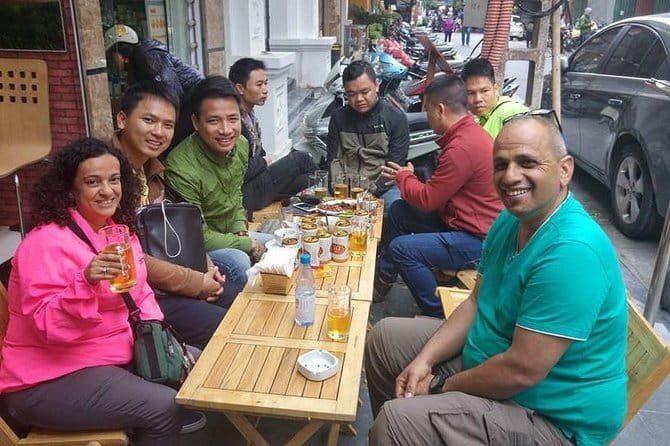
At the end of the hands-on part, you do something more useful than just collecting recipes. You try what you made, and you compare the styles.
Because the session includes multiple drinks, you learn what each one tastes like:
- black coffee shows the base bitterness and strength
- brown and white coffee show how condensed milk changes the feel
- egg coffee shifts the experience into custard-like creaminess
- coconut coffee adds a tropical note and softer body
- salt coffee shows how unusual balance can still taste natural
This is the real value for you if you want to become a better home brewer. You are training your palate to spot difference, not memorizing steps blindly.
And you also craft your own personalized coffee creation to enjoy. That part is important. It turns the class from a demonstration into something closer to a workshop where your preferences matter.
What is included, and why that makes the price make sense
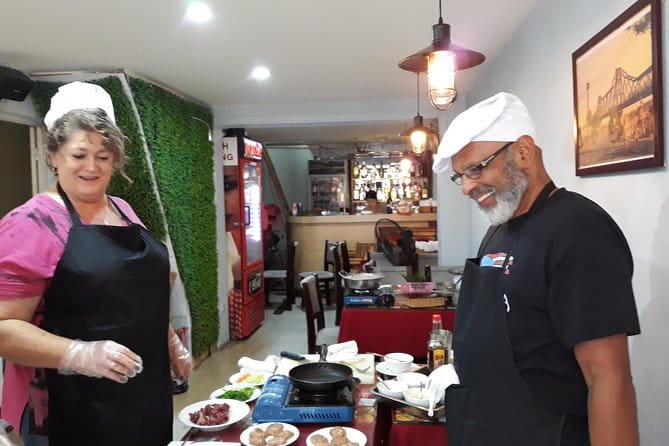
The price is $17.73 per person, and the session runs about 2 hours. For that, you get:
- all ingredients for making the coffees
- recipes for each type of coffee you make
- an English-speaking instructor
Not included: additional food or drink, and personal expenses, plus tips and gratuities.
Why this feels like good value: the expensive part of a workshop is often the instructor time and ingredients. Here, the ingredients and recipes are included, and you can drink coffee made during the session. In other words, you are paying for the teaching and the materials, not a ticket plus surprise extras.
The small-group limit of 15 also supports value. If you were stuck in a much bigger group, you would spend more time waiting and less time learning.
The pacing: two hours that can feel full, in a good way
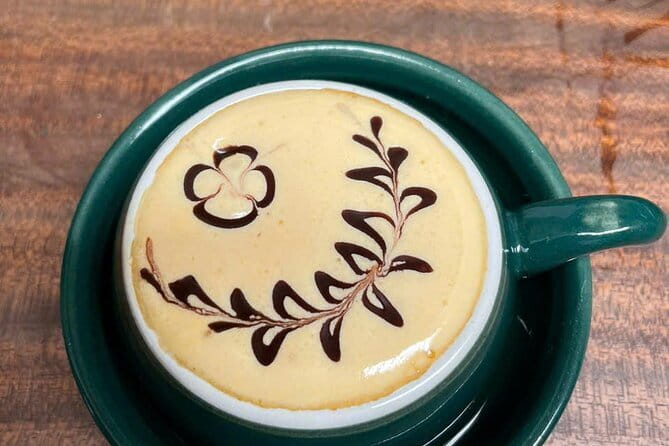
Expect a schedule that moves through several styles in about 2 hours. That is not a casual hangout. It is paced, hands-on, and built for learning by doing.
In the best versions of this experience, the instructor explains history and context without slowing the hands-on time too much. Multiple classes highlight how instructors like Dat and Devin add historical background about coffee in Vietnam, while still keeping the process moving.
If you are prone to rushing, this schedule might feel tight. If you like structure, it is a comfortable length. People also comment that duration was perfect, especially for a first-time coffee workshop in Hanoi.
What to bring, and how to get the most out of the class
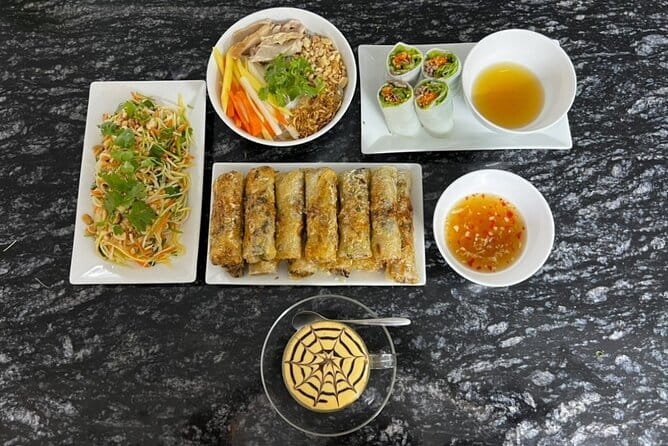
The class includes everything you need for the coffee making. Still, you will get more out of it if you show up ready to participate.
My practical tips:
- Come on time, since the workshop is built around a sequence of drinks and technique.
- Be open to tasting strong coffee, even if you do not usually drink it at that intensity.
- If you have strong dislikes, like eggs or very sweet drinks, decide before you go which styles you will taste most carefully.
Also, since it requires good weather, if you are visiting during a stormy stretch, be ready to adjust plans if the session is affected.
Who should book this Hanoi coffee workshop
This workshop fits a few specific types of travelers really well:
- Coffee lovers who want more than a tasting and want a repeatable method with the phin filter
- Couples and friends who want an activity that feels social but still skill-based
- People who enjoy trying food and drink that feels different from what you get at home, especially salt coffee and egg coffee
- Anyone who likes learning technique, because you are practicing brewing and latte art
It also sounds family-friendly in the way it is described, so if you are traveling with mixed ages and want an activity centered on hands-on fun, this could work.
Should you book? My honest take
If you want a Hanoi souvenir that is more useful than a mug, book this. The combination of phin brewing practice, multiple iconic coffee styles, and included recipes gives you something you can actually recreate.
The main reason to hesitate is the flavor profile. Vietnamese coffee can be intense, and some styles are unmistakably dessert-like (egg coffee) or unusual in balance (salt coffee). If those ingredients and flavor directions scare you, you might enjoy watching more than participating.
But if you like learning by making, and you want to taste Hanoi coffee culture in a concentrated 2-hour format, this is a smart, high-value choice.
FAQ
How long is the Hanoi coffee workshop?
The workshop lasts about 2 hours.
How much does the workshop cost?
The price is $17.73 per person.
How many different coffee types will I learn to make?
You will make four to six distinct coffee styles during the workshop.
What coffee styles are included in the experience?
The experience includes Vietnamese black coffee, brown coffee, egg coffee, white coffee, coconut coffee, and salt coffee.
What brewing method do I use during the class?
You learn to brew using the traditional phin filter.
Is the instructor available in English?
Yes, the workshop includes an English-speaking instructor.
Where is the meeting point?
The start point is GẠO CAFE, P. Chợ Gạo, Hàng Buồm, Hoàn Kiếm, Hà Nội 100000, Vietnam. The activity ends back at the meeting point.
Is the ticket mobile?
Yes, the tour includes a mobile ticket.
Do I get recipes and ingredients?
Yes. All ingredients and recipes for each coffee type are included.
Is there a cancellation option if plans change?
Free cancellation is available up to 24 hours in advance for a full refund. If you cancel less than 24 hours before the experience starts, the amount paid is not refunded.
More Workshops & Classes in Hanoi
More Coffee Experiences in Hanoi
More Tour Reviews in Hanoi






Not for you? Here's more nearby things to do in Hanoi we have reviewed











More Hanoi City Tours to consider.
 ★ 5.0Hanoi Jeep Tour: Food, Culture and Fun by Vietnam Army JeepTickets from $5515,222 traveller reviews
 ★ 5.0Full-Day Ninh Binh Highlights Tour from HanoiTickets from $797,761 traveller reviews
 ★ 4.7Ha Long Bay Day Cruise – Swimming, Meal, KayakingTickets from $417,415 traveller reviews
 ★ 4.6Water Puppet Show TicketsTickets from $77,029 traveller reviews
 ★ 5.0Hanoi Motorbike Tour: Food, Culture and Fun by Vintage MotorbikeTickets from $556,699 traveller reviews
 ★ 4.9Guided Food Tour with Train Street VisitTickets from $196,239 traveller reviews
 ★ 5.0Hanoi Cooking Class: Culture, Local Market & Meaning CSR ImpactTickets from $395,147 traveller reviews
 ★ 5.05 Traditional Dishes Hanoi Cooking Class with Market TripTickets from $354,890 traveller reviews
More useful Hanoi routes