
Review · HANOI CITY TOURS
Bat trang Pottery Ceramics Class in Hanoi’s Old Quarter | VN
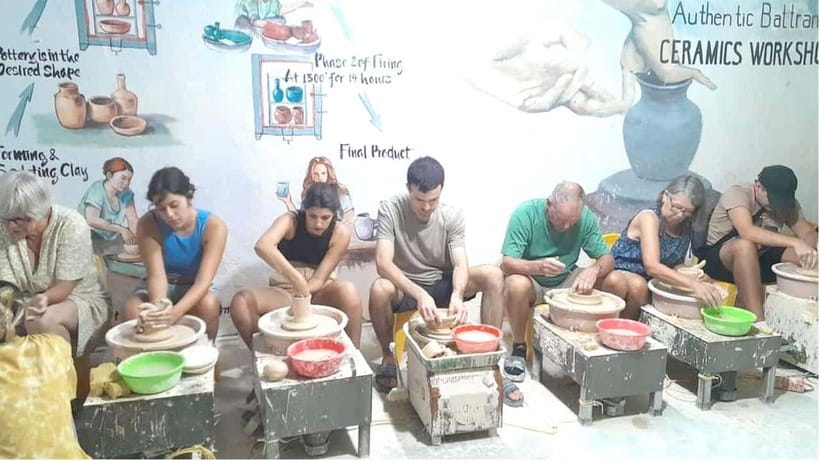
Make pottery in Hanoi, no art degree required. This Bat Trang ceramics class brings a village craft to 115 Hàng Gai in the Old Quarter, with hands-on time on an electric pottery wheel.
I especially like the step-by-step guidance for first-timers, and I’ve seen sessions taught by people such as Han, Hang, and Tuan Vu, depending on the day. I also like that you can make as many pieces as you want during the 3 hours, then choose one free piece to have glazed and fired.
One consideration: your glazed, fired piece is not ready the same day. Firing and glazing takes 2 to 3 days, so you’ll need to plan your Hanoi schedule or arrange for later shipping.
Key things I’d plan around
- Old Quarter address, 115 Hàng Gai makes this easy to fit into a normal Hanoi day.
- Electric pottery wheels keep the learning curve friendlier for beginners.
- Make-many format so you can experiment, fail, and try again without feeling rushed.
- Color picking during class so your final look starts forming right away.
- Firing and glazing timing means you are not fully “done” in 3 hours.
- Small-studio attention often means plenty of help at the wheel, even when the room gets busy.
Hanoi’s Hàng Gai address: why this class is easy to choose
If you’re staying in the Hoàn Kiếm area, this workshop is about as convenient as it gets. The meeting point is at 115 Hàng Gai, right in the middle of the Old Quarter. You can go from street-snack mode to pottery-wheel mode without needing taxis, complicated routes, or a half-day detour.
That location also matters because it shapes the vibe. This isn’t a remote craft farm situation where you have to plan a whole day just to arrive. It’s more like a creative pause inside your Hanoi itinerary. You get a genuine cultural activity, but you can still keep your feet on Hanoi pavement before and after.
More Hanoi tours and experiences for the shortlist



Your 3 hours: what you actually do step by step
The class runs 3 hours with two sessions: 8:30 to 11:30 in the morning, or 14:00 to 17:00 in the afternoon. Either way, the structure is clear. You start with basics, then you spend most of the time throwing clay and refining your shapes.
Here’s how the flow usually works.
Getting oriented, then learning Bat Trang basics
You start with an explanation of Bat Trang ceramics, including the village craft basics and how the pieces are supposed to hold together. This is practical, not museum-only. You learn what to watch for while your clay is spinning, especially if you tend to overthink or push too hard.
The electric wheel part: your main event
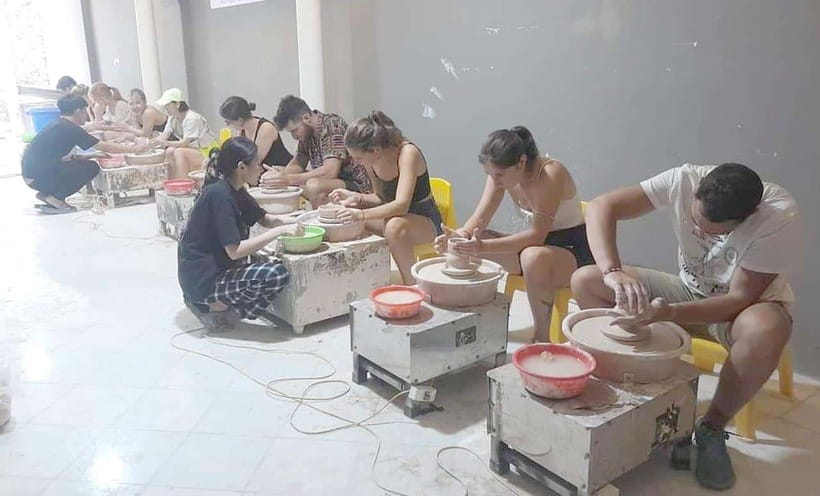
Then you get hands on at the electric pottery wheel. You practice the fundamentals on an actual wheel, not just sitting and watching. The workshop is designed so that even with no experience, you can get moving quickly. The instructors guide your hand placement and the pressure you use, because those details affect the final shape and strength.
Building multiple pieces in one session
During your 3 hours, you can practice and produce more than one item. The workshop specifically says there is no limit to how many pieces you make. In plain terms: you can try a bowl, reset, try again, and then switch to a mug or vase style if your hands are finally behaving.






Choosing your free piece to glaze and fire
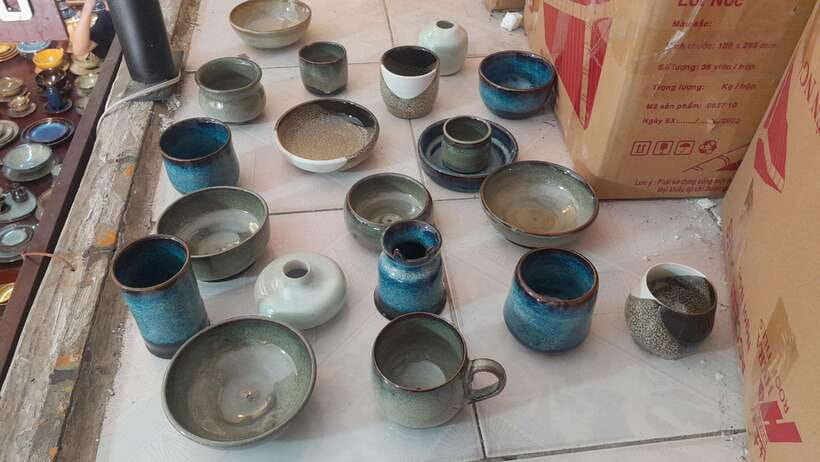
At the end, you select one piece to be processed as the free product. The class includes materials, wheel time, and instruction, plus one free item that will be glazed and fired. You’ll also pick colors as part of the experience during the session.
Electric wheel, beginners, and the real reason it feels doable
A manual pottery wheel can feel like wrestling a stubborn animal. An electric wheel is gentler. It helps beginners learn the motion without fighting the machine.
What you learn here is not just how to make something pretty. You learn the mechanics of keeping the clay centered, controlling the opening, and shaping walls so they don’t collapse. One of the most praised moments in this workshop is the way instructors talk you through structural integrity, meaning they explain why certain techniques matter.
And yes, mistakes happen. In fact, the class format is built around mistakes. You’re given time to try, correct, and try again, so you’re not stuck with one doomed attempt.
What you can make (and what to expect after firing)
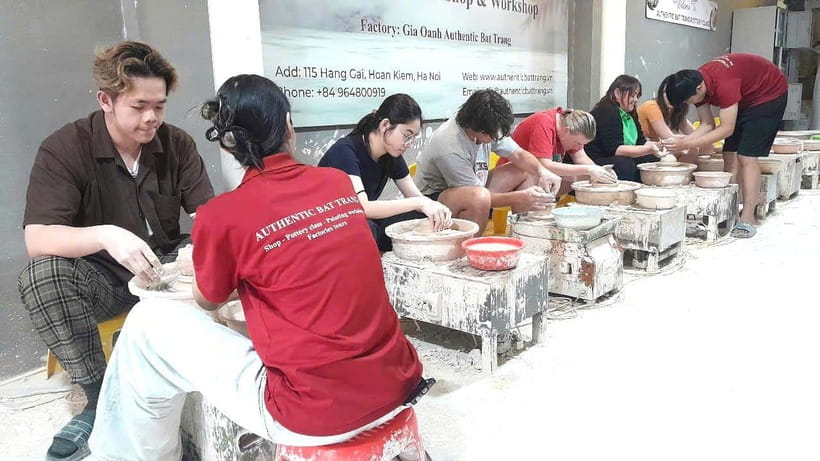
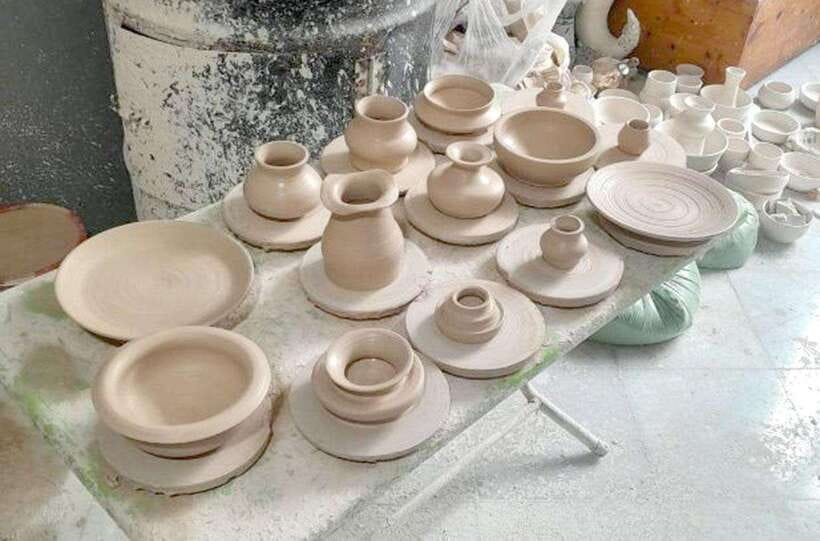
You can create a range of ceramic forms such as bowls, plates, and vases. Many people leave with pieces that look like mugs or cups, and some create more playful shapes. The point is that you’re not restricted to one single product template.
Now the part worth knowing: clay pieces can change size after firing. One helpful tip from a previous participant is that finished pottery can shrink by about 20% once baked. That means if you aim for a large dinner-plate look, your final result may come out closer to a side-plate size. The good news is that it still looks great, it just won’t match the exact size you saw at the wheel.
Also, drying matters. The workshop includes time to work during the 3 hours and then you choose what to glaze and fire. Some sessions may let you come back after pieces are dry for additional handling, but your guaranteed “ready-to-go souvenir” depends on the firing timeline.
Colors, glazing, and that one free fired souvenir
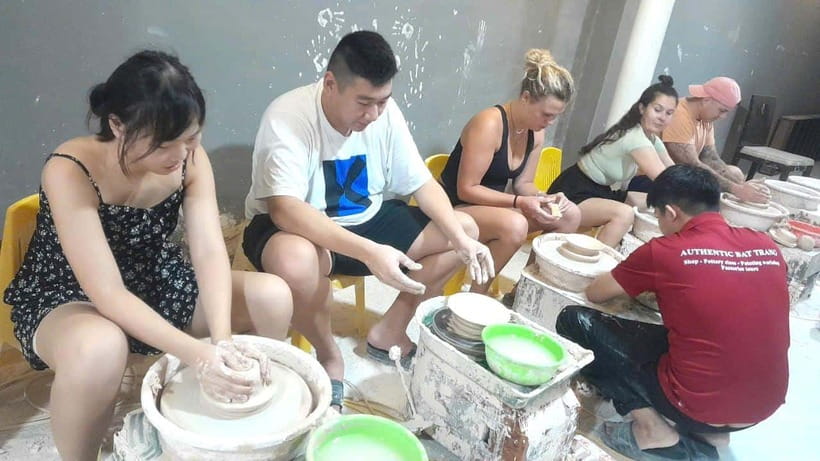
This class is not only about throwing clay. It’s also about seeing the color plan from start to finish.
You’ll practice, then choose colors for your selected piece during the session. After that, the studio handles glazing and firing. A key detail: cooling room with a fan is included, so there’s a proper step between the making time and final readiness.
If you make more than one: pay only for extra firing
You can make extra pieces beyond the one free item. If you want more items fired and glazed, you’ll pay an additional fee. One review noted an additional cost of about $5 per extra piece to be fired and glazed, but fees can vary by piece and session, so confirm what applies to your selected items.
That pricing structure is the real value lever here. You’re not paying for clay-wasting guilt. You pay for the pieces you want to become finished, giftable ceramics.
Timing and take-home reality: the 2 to 3 day wait
Here’s the schedule truth you need for planning your Hanoi trip. The studio notes that firing and glazing takes 2 to 3 days. So the class itself is 3 hours, but the “I now have my pottery in hand” moment happens later.
If you are leaving Hanoi soon
If you do not have 2 to 3 days, the provider says they can do quicker options: firing with a white glaze in 1 to 2 days. There may also be alternatives like free items in the shop if timing is tight, and you may be able to arrange shipping later (shipping fee is not included).
Pick-up and returning to the shop
Because the firing is off-site in the studio process, you should plan to either return for pickup after a few days or handle delivery. One participant mentioned shipping a finished piece to another location, and another mentioned posting it onward when they had limited time in Hanoi. Translation: they can often work with your itinerary, but you should confirm options when you choose your pieces.
Holiday timing can affect glaze and firing
One participant had a small firing timing issue during Tết and the studio worked out a solution. So if your dates overlap major Vietnamese holidays, give yourself a little buffer. A ceramic studio can only do so much when the city calendar changes.
Cost and value: is $33 a fair deal?
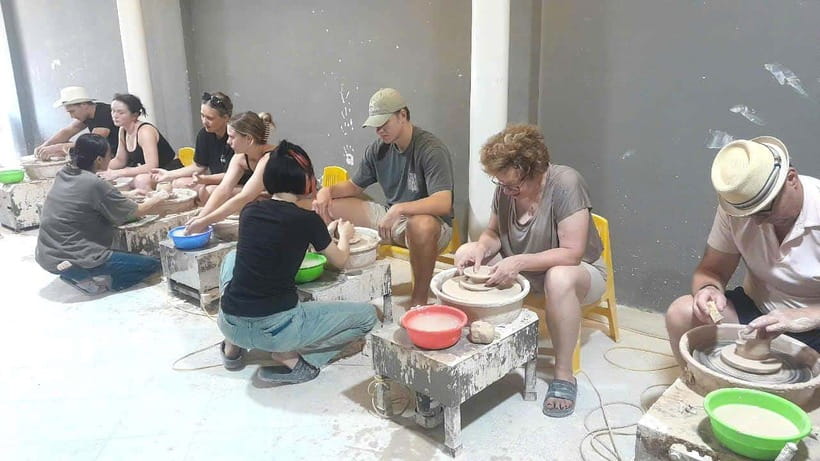
At $33 per person for 3 hours, this workshop is priced like a serious activity, not a cheap craft stop. But the value depends on how you use the class time.
You get:
- Electric wheel time
- Clay and materials
- English or Vietnamese speaking instructor
- Make as many pieces as you want
- One free product to glaze and fire
For first-timers, that format is the money saver. Many one-off pottery experiences push you toward a single souvenir. Here, you get room to actually practice. The chance to create multiple attempts, then pick your best one, is what makes the experience feel “worth it” rather than “cute but limited.”
If you want more than one finished piece, you’ll pay extra for firing and glazing. Still, the model lets you control spending. Make 4 or 6 items if it makes you happy, then only pay to finish the ones you truly love.
Who this class is best for (and who should rethink it)
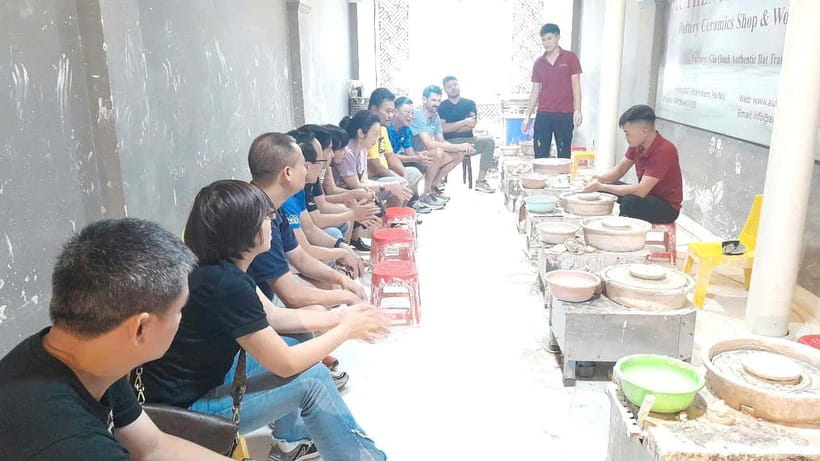
This is a strong fit if you want a Hanoi activity that is:
- Hands-on, not passive
- Beginner-friendly, even if you’ve never touched a pottery wheel
- A memorable souvenir you actually made, not just bought
It’s also great for couples, solo travelers, and families. One parent-and-child pair found it both funny and approachable, and another review highlighted enjoying it with a 10-year-old. The workshop is built for people learning in real time.
A small comfort note
One participant mentioned the chair felt small and uncomfortable for a 3-hour session. If you’re sensitive to sitting for long periods, you might want to plan accordingly. A short walk break before and after can also help.
What to say yes to, before you start throwing clay
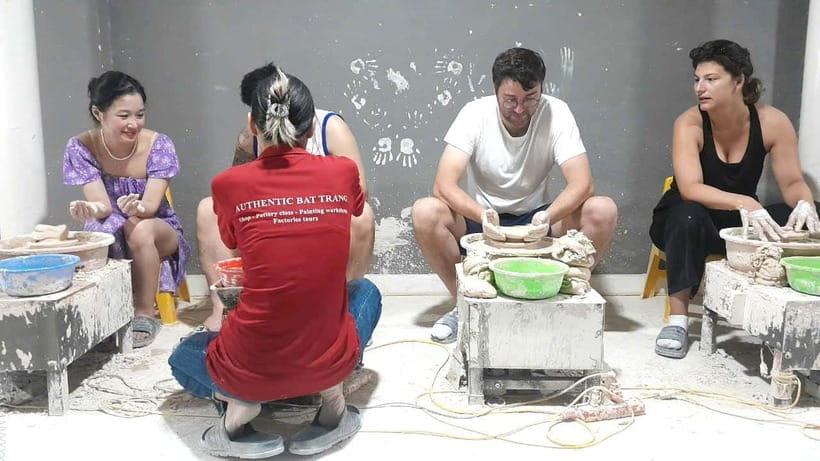
You’ll get better results if you come in with the right expectations.
Say yes to:
- Choosing your best piece early, because the final glaze and firing process locks in your souvenir choice.
- Making extra pieces for practice, then selecting the strongest one.
- Watching your instructor’s hand placement, not just the shape you want.
Skip over perfection. The goal is to make something you’re proud to carry home from Hanoi, even if your first attempts look like abstract science experiments.
Should you book the Bat Trang Pottery Class in Hanoi?
I think you should book this class if you want a different kind of Hanoi souvenir, one that feels earned. The electric wheel, the make-many setup, and the generally patient instruction make it a low-stress way to try a craft you can’t learn from a single photo on your phone.
Don’t book it if you:
- Need a “take it home today” souvenir. The 2 to 3 day firing process is a real timing factor.
- Are only looking for a quick look inside a ceramics shop. This workshop is about doing the work at the wheel.
If you can give yourself even a few days for pickup or shipping, this is one of the most practical creative activities in the Old Quarter.
FAQ
Where is the meeting point for the Bat Trang pottery class?
The meeting point is at 115 Hàng Gai, Hoàn Kiếm, Hanoi.
How long is the class?
The class duration is 3 hours.
What time sessions are available?
There are morning and afternoon sessions: 8:30 to 11:30, and 14:00 to 17:00.
What is included in the $33 price?
It includes the electric pottery wheel and materials, an English or Vietnamese speaking instructor, and the chance to make and practice for 3 hours. It also includes 1 free product to glaze and fire.
Can I make more than one piece?
Yes. The class says there is no limit on how many pieces and designs you can make during your session.
How long does it take to get your finished pottery?
Firing and glazing takes 2 to 3 days. If you do not have 2 to 3 days, they can offer a faster option with white glaze in 1 to 2 days.
Can they ship the finished pieces to you?
Yes, they can ship finished pieces to you later, but shipping fees are not included.
More Workshops & Classes in Hanoi



More Tour Reviews in Hanoi
Not for you? Here's more nearby things to do in Hanoi we have reviewed












More Hanoi City Tours to consider.
 ★ 5.0Hanoi Jeep Tour: Food, Culture and Fun by Vietnam Army JeepTickets from $5515,222 traveller reviews
 ★ 5.0Full-Day Ninh Binh Highlights Tour from HanoiTickets from $797,761 traveller reviews
 ★ 4.7Ha Long Bay Day Cruise – Swimming, Meal, KayakingTickets from $417,415 traveller reviews
 ★ 4.6Water Puppet Show TicketsTickets from $77,029 traveller reviews
 ★ 5.0Hanoi Motorbike Tour: Food, Culture and Fun by Vintage MotorbikeTickets from $556,699 traveller reviews
 ★ 4.9Guided Food Tour with Train Street VisitTickets from $196,239 traveller reviews
 ★ 5.0Hanoi Cooking Class: Culture, Local Market & Meaning CSR ImpactTickets from $395,147 traveller reviews
 ★ 5.05 Traditional Dishes Hanoi Cooking Class with Market TripTickets from $354,890 traveller reviews
More useful Hanoi routes