
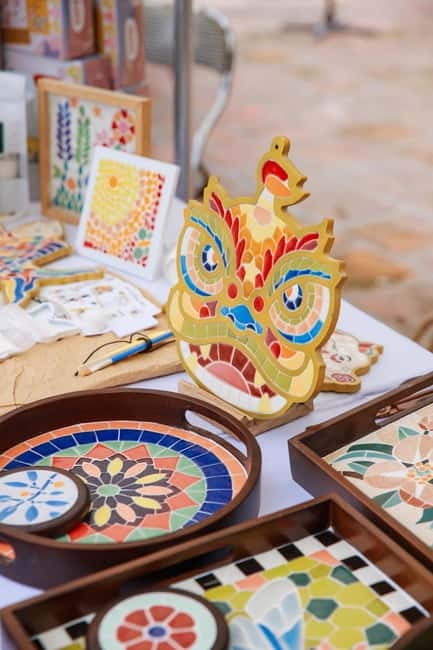
Review · HANOI CITY TOURS
Hanoi: Mosaic-Making Workshop with Local Artist
A mosaic workshop in Hanoi is surprisingly relaxing. You spend a few focused hours turning colorful ceramic and glass tiles into a personal keepsake, guided in plain, step-by-step fashion. It is also a nice change of pace from the usual sightseeing circuit, because your hands are busy and your brain can slow down.
I love two things right away. First, you get a real making experience, from choosing a design to cutting tiles and arranging them into a one-of-a-kind pattern. Second, the workshop includes the studio time, materials, and a drink, so you are not piecing together extra purchases.
One thing to keep in mind is that the value partly depends on your comfort with the logistics. In at least one setup, the guide functions mainly as a translator while you are driven to the studio, so if you speak Vietnamese you might find it easier to go on your own.
Key takeaways before you go
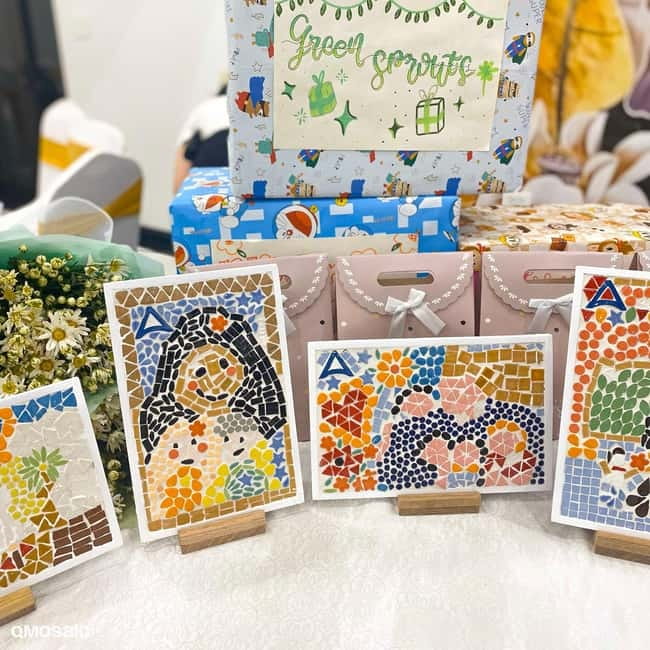
- Hands-on mosaic making: You build your own pattern, not just watch.
- Materials included: Ceramic and glass tiles plus tools are part of the session.
- 3 to 3.5 hours of studio time: Enough time to design, cut, place, and finish your piece.
- English instruction: You can follow along without needing prior experience.
- Easy with Grab: Reaching the studio area is straightforward in practice.
- Transport can be extra: Getting there and back is on you, unless you arrange it separately.
Why this Hanoi mosaic workshop feels worth the time
If you like travel that produces something physical, this is a strong pick. At a typical tour, you collect photos. Here, you collect a finished mosaic you can actually use as a desk display, wall accent, or gift.
The workshop also fits well with how Hanoi trips usually go. You can do a little culture, see a little street life, then switch to a quiet studio session that lets you focus. The Bat Trang area setting helps too, because you are not stuck in a bland, indoor-only experience. You get that craft-village feel without needing to be an expert on local history.
Most importantly, this is beginner-friendly. You do not need technical art skills. The instructor walks you through the process, and you choose the colors, patterns, and themes.
More Hanoi tours and experiences for the shortlist



What happens during the 3 to 3.5 hours in the studio
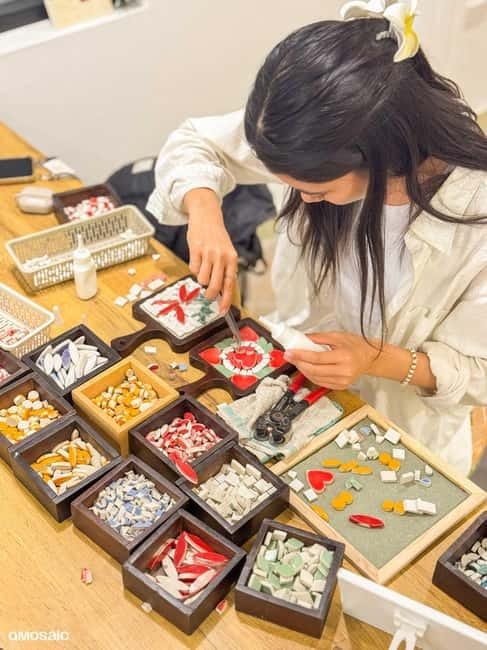
Plan on a full creative block, about 3 to 3.5 hours. That timing matters, because mosaic work is not instant. Even when the steps are guided, you still have the time to make decisions and correct course if your layout needs adjustment.
In the studio, your session generally moves through these phases:
First, you start with design selection. You pick your theme and work out how you want the pattern to look. This part sounds simple, but it is where you avoid the most common beginner mistake: getting too attached to one idea and rushing the rest. A thoughtful start helps your finished mosaic look intentional.
Next comes the cutting and prep. You will work with tiles and tools, and your instructor shows you how to handle the materials for a good fit in your design. Cutting does not have to be scary if someone explains it clearly and you take your time.
Then you arrange the tiles into the final artwork. This is the satisfying step, where your layout becomes a real picture. It is also the most mindful part of the session. You are concentrating on spacing, angles, and color balance, which naturally pulls you out of distraction mode.
Finally, you leave with a completed handmade mosaic. Since the workshop is designed for a take-home result, the session flow is built around finishing during the studio time, not leaving you with unfinished work.
Tiles, colors, and making a design that looks like you
The core of the experience is choosing your own colors and pattern. That is the difference between doing a craft project and creating a souvenir that feels personal.
Ceramic and glass tiles both play a role. Ceramic gives you solid color blocks and texture. Glass tiles often add a different shine and catch the light, which can make simple designs look more detailed. When you mix the two, you can get depth without needing advanced skills.
As you place tiles, focus on the big shapes first, then refine the smaller details. This is usually how good outcomes happen in guided mosaic sessions, because it keeps the design readable. If you spend too long chasing tiny gaps early, you can end up with an artwork that feels crowded or uneven.
One practical tip: bring your preferences, not your perfectionism. If you have an idea like flowers, a geometric pattern, or a small emblem, use it as your starting point. If you do not have a theme yet, that is fine. The instructor’s guidance helps you turn general color likes into a cohesive layout.
The translator factor and getting to Bat Trang area smoothly
Here is the logistical reality. Your experience is offered by VIVA VIETNAM, and the studio portion is guided in English. In at least one described experience, the guide’s role included translating, with pickup arranged to get you to the studio.
What does that mean for you? If you do not speak Vietnamese, this is helpful. You get a ride and someone to bridge the language gap while you are making choices in the studio. You are not stuck guessing during the practical parts of the workshop.
If you do speak Vietnamese, you might find the translation assistance is less critical. One reviewer-style tip you can use as guidance: you are essentially paying for (1) the ride to the studio, (2) materials and the mosaic finishing portion at the studio, and (3) translator support. If you are comfortable navigating to the studio yourself, you might feel the “value split” is less exciting.
Still, even if translation is not your main need, the pickup and return to the meeting point can be a time-saver. Hanoi traffic can be unpredictable, so having a plan beats scrambling.
Also worth noting: you can reach the studio area by Grab. That makes your day easier if your pickup timing slips or you want a backup option.
Price and value: what you are actually paying for
At $27 per person, this workshop is priced like a craft class with real materials included, not like a high-cost guided tour. The key is what the price covers.
Included items are practical and important:
- All mosaic-making materials and tools
- Step-by-step guidance from an experienced instructor
- Studio space for 3 to 3.5 hours
- Complimentary tea or coffee
What you pay extra for:
- Transportation to and from the workshop location
- Meals beyond the provided beverage
So how is the value? You are paying for the creative time plus the “hard parts” that cost money: tiles, tools, and instruction. If you have ever tried to buy a mosaic kit at home, you know the materials add up fast, and kits often do not come with hands-on guidance.
In other words, the $27 price makes sense if you want a finished piece and guidance, not just supplies. If you already know how to mosaic and you just want materials, it may feel less like a bargain. But most people doing this for the first time will appreciate that you get support while you work.






Your take-home mosaic, and how to handle it after the workshop
The whole point is that you leave with your own handmade mosaic as a souvenir from Hanoi. That is not just a nice perk. It changes the entire experience, because you are working toward a concrete result from the first tile.
Since the session is set up for you to take the artwork home, you can treat the workshop like a mini project. During the session, ask practical questions about handling the finished piece, especially if it is glass-included and you do not know how fragile certain areas can be.
Practical advice after you get it:
- Protect it in your luggage, not in a loose tote where it can shift
- Keep it away from heavy items that can press on edges
- If you are traveling further the same day, plan your packing so it stays stable
You will also want to be patient with drying or curing if the workshop includes finishing steps. The tour data does not list exact finishing chemistry, so stick to whatever guidance you receive in the studio about care and timing.
Who this is best for, and who should skip it
This is best for you if you want a hands-on activity that is relaxing, not exhausting. It is a great option for:
- Beginners who want guidance and step-by-step direction
- People who like art but do not want to commit to a full-day class
- Travelers who want a meaningful souvenir with real craftsmanship
- Couples or solo travelers who enjoy focused downtime between city outings
It may not be your best match if:
- You hate any “instruction time” and only want to watch
- You are extremely cost-sensitive and prefer free or self-guided activities
- You already have mosaic skills and would rather spend your money on something else
Also, think about language. The workshop is in English. If you want someone to explain choices and steps in a way that clicks, this is a good structure.
A realistic sense of what you can feel doing this
The best part of mosaic making is not the end result, it is the process. Tile by tile, your brain stops doing the usual travel checklist. You are focused on placement, spacing, color contrast, and adjusting your plan when something does not fit.
That mental shift is why people describe the workshop as fun and calming. It is also why it works even if you are not artistic. The instructor provides the framework, and you supply the taste.
If you like having a clear task with a visible outcome, you will probably enjoy how the artwork comes together. You can literally see the design move from blank to finished during the same afternoon.
Should you book the Hanoi mosaic workshop?
Book it if you want a high-value, low-stress creative experience with materials and guidance included, and you like the idea of taking home something made by your own hands. The $27 price works best when you factor in the tile materials, tools, and the studio time.
Skip it if you expect a major sightseeing day, because this is a studio activity. Also skip or reconsider if you want to travel with zero transportation hassles, since getting to and from the workshop location is not included.
If you are on the fence, here is my straight advice: do it if you are curious about mosaics. It is one of those activities where even a short list of steps becomes a meaningful souvenir. And even better, you leave with a finished piece, not just a photo.
FAQ
How long is the mosaic-making workshop?
The workshop lasts about 3 to 3.5 hours in the studio.
What does the $27 price include?
The price includes all mosaic-making materials and tools, step-by-step guidance from an instructor, use of the studio space, and complimentary tea or coffee.
Is transportation to and from the workshop included?
No. Transportation is not included, so you will need to arrange getting to and from the meeting point.
Do I need any prior experience with mosaics?
No prior experience is needed. The workshop is designed for beginners.
What language is the workshop taught in?
The workshop is offered in English.
Can I cancel for a full refund?
You can cancel up to 24 hours in advance for a full refund.
More Workshops & Classes in Hanoi



More Tour Reviews in Hanoi
Not for you? Here's more nearby things to do in Hanoi we have reviewed











More Hanoi City Tours to consider.
 ★ 5.0Hanoi Jeep Tour: Food, Culture and Fun by Vietnam Army JeepTickets from $5515,222 traveller reviews
 ★ 5.0Full-Day Ninh Binh Highlights Tour from HanoiTickets from $797,761 traveller reviews
 ★ 4.7Ha Long Bay Day Cruise – Swimming, Meal, KayakingTickets from $417,415 traveller reviews
 ★ 4.6Water Puppet Show TicketsTickets from $77,029 traveller reviews
 ★ 5.0Hanoi Motorbike Tour: Food, Culture and Fun by Vintage MotorbikeTickets from $556,699 traveller reviews
 ★ 4.9Guided Food Tour with Train Street VisitTickets from $196,239 traveller reviews
 ★ 5.0Hanoi Cooking Class: Culture, Local Market & Meaning CSR ImpactTickets from $395,147 traveller reviews
 ★ 5.05 Traditional Dishes Hanoi Cooking Class with Market TripTickets from $354,890 traveller reviews
More useful Hanoi routes