
Review · HANOI CITY TOURS
Hanoi: Hanoi Egg Coffee Class learning 5 coffees and stories
Egg coffee sounds weird until you try it. This Hanoi class turns that surprise into something you can actually make and explain, with a hands-on coffee lesson plus tastings of five famous drinks. I really liked two things right away: you get to play with the phin filter method and make egg coffee for real, and you also learn the how and why behind Vietnamese coffee culture, not just recipes. One consideration, based on how the class runs, is that hands-on time may focus on some drinks while the remaining recipes are provided after.
You start with an easy, social landing, meeting your instructor and other students while you sip a welcome tea, then you move into roasting, processes, and how Vietnamese people drink coffee day to day. If you want a coffee stop that feels like a mini workshop (not just a tasting), this hits that sweet spot, especially with the free banh mi or spring roll to keep things comfortable.
Hanoi Egg Coffee Class, in a Nutshell (and why it’s fun)
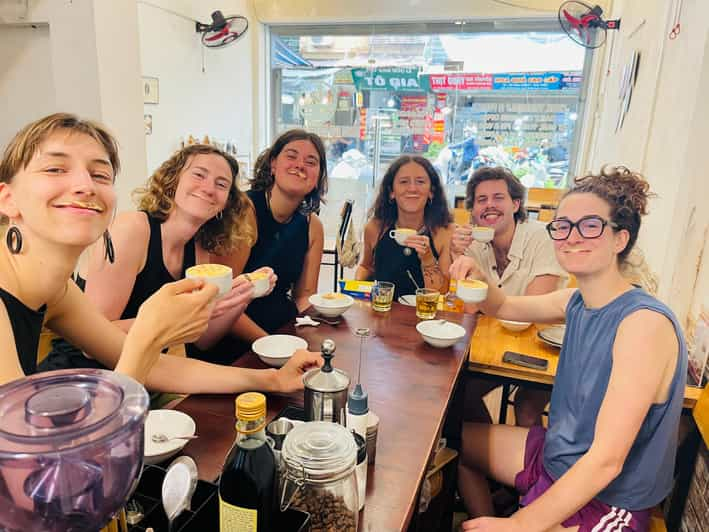
If you’ve only had Vietnamese coffee in a street-side cup, this class helps you connect the dots. The point is not to turn you into a barista. It’s to give you the story, the techniques, and the confidence to order with context, or recreate a couple of favorites back home.
At a set meet-up spot on Gia Ngu Street, you’ll spend about 90 minutes to 2 hours learning and tasting your way through five coffees. The class includes tools, ingredients, welcome tea, coffee tasting, recipes, and an English-speaking instructor. You’ll also get a free banh mi or spring roll, which is a smart move when your caffeine intake is about to get serious.
Price is $27 per person, which is a pretty fair trade for a structured lesson, all ingredients included, and multiple tastings in one sitting.
Key Things I’d Plan Around Before You Go
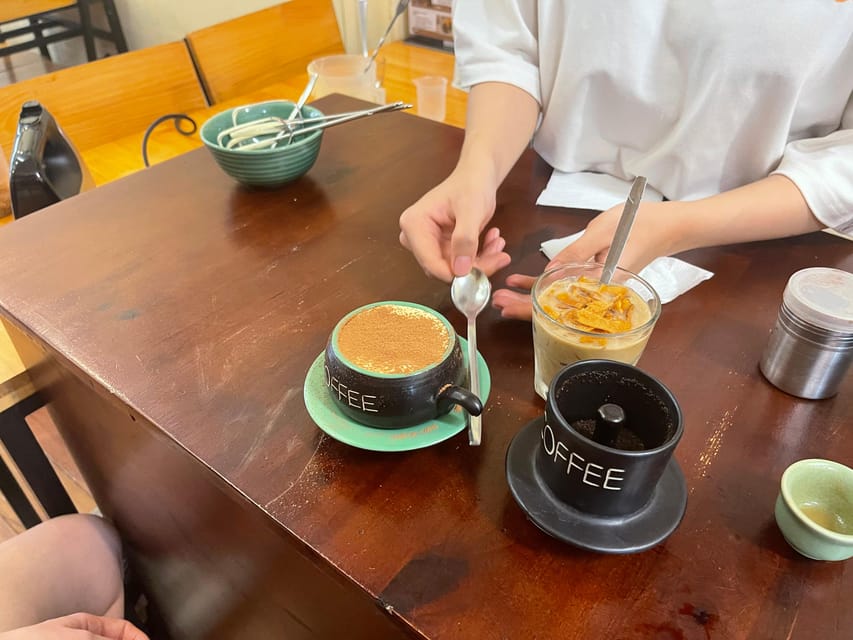
- You’ll taste and learn 5 Vietnamese coffee styles, not just one signature drink.
- English instruction keeps the stories and technique understandable, even if your coffee vocabulary is basic.
- You make at least some drinks during class, and you take home recipes for the rest.
- Expect a real coffee lesson, including varieties, roasting, and brewing process basics.
- Snack time matters here, with a free banh mi or spring roll included.
More Hanoi tours and experiences for the shortlist



Where You Meet on Gia Ngu Street, and How to Arrive Ready
The meeting address is 08 Gia Ngu Street. Plan to arrive about five minutes before your booked time so you can check in without rushing. Your class is connected to two sites: Apron Up Cooking Class (the larger location) and Hanoi Egg Coffee (a smaller location). That’s useful to know because it can affect where you spot the group, even though your orientation is still the same.
Practical tip: wear something comfortable. You’ll be working with tools and pouring, and you’ll likely be leaning in close when tasting and adjusting flavors. Also, bring a bit of curiosity, because the lesson includes stories behind the coffee types, not only the steps to make them.
Welcome Tea, Friendly Introductions, and the Quick Start
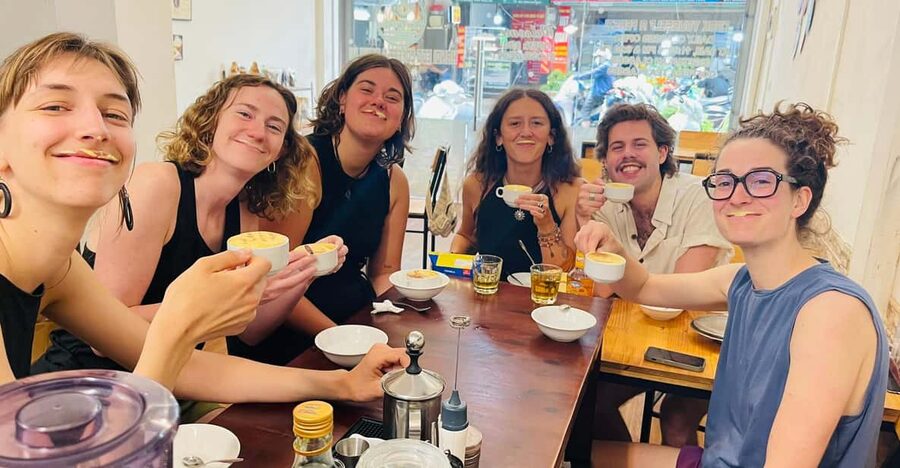
Before coffee gets loud, you begin with a meet-and-greet. You’ll get to know your instructor and other participants while enjoying a welcome tea that fits the slower pace Vietnam is famous for.
This opening does two things well. First, it makes the class feel welcoming, even if you don’t drink coffee much. Second, it sets you up to focus once the real coffee lesson starts. You’re not walking in cold and overwhelmed by bitter smells and rapid pouring.
If you’re traveling solo, that social piece helps. You’ll be tasting and building on what you learn with other people nearby, not stuck watching from the sidelines.
The Coffee Lesson Part: Varieties, Roasting, and How Vietnam Drinks Coffee
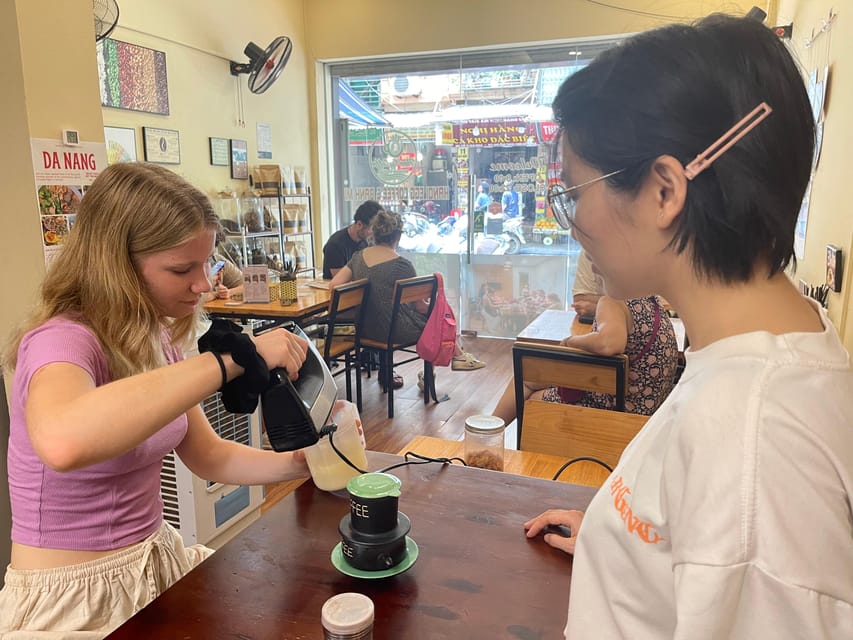
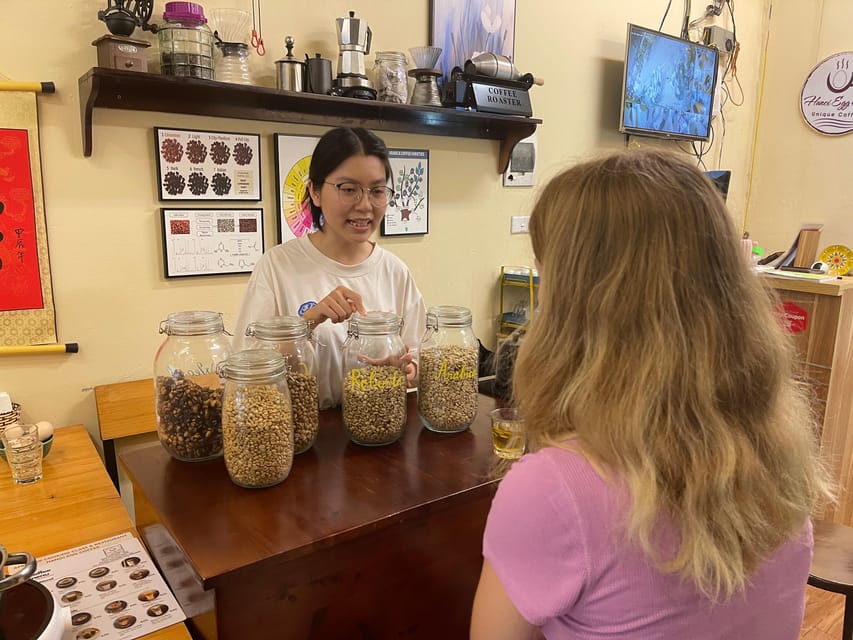
Once everyone’s settled, you shift into the lesson. This is where you’ll get general knowledge about coffee varieties, the basic processes that shape flavor, and what roasting means for your cup.
Even if you’re not a coffee nerd, this part is worth your attention. Vietnamese coffee style depends heavily on what beans are used, how they’re roasted, and how the drink is prepared. Understanding those basics makes the later tasting far more meaningful, because you start noticing differences instead of guessing.
You also get context on drinking culture in Vietnam, which helps you order more confidently later. Instead of thinking of Vietnamese coffee as one taste, you learn to read it like a set of choices, stronger versus smoother, creamy versus bright, and hot versus iced.
Hands-On Brewing: Learning the Phin Method (and Why It Matters)
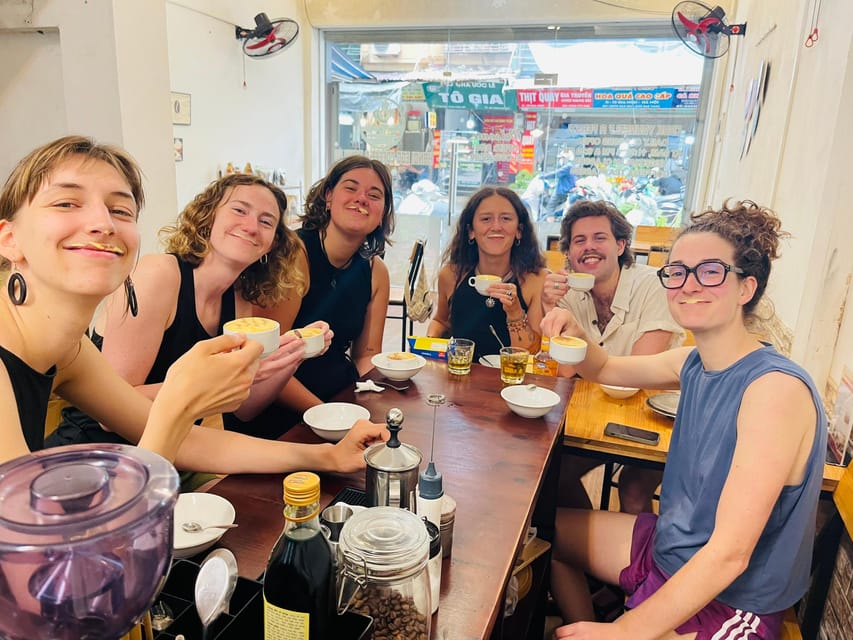
One of the big technique anchors is learning how to make Phin coffee. If you’ve never seen a phin filter up close, it’s like a mini metal brewing rig: it sits on top of your cup and slows the drip so the coffee concentrates as it passes through.
This is the part that I think most people underestimate. Brewing time and concentration affect everything you taste later. When you learn the phin approach here, it gives you a framework for the other coffee styles too, even when toppings and flavors change.
And because tools and ingredients are included, you’re not trying to improvise your way through it. You get to work with the real gear used to make these drinks properly.
More Hanoi tours and experiences for the shortlist


The Five Coffees You’ll Taste, Make, and Understand
You’ll learn to make five famous Vietnamese coffees. The set you’ll cover includes Egg coffee, Coconut coffee, Salt coffee, Orange coffee, and either a House coffee option or another classic style depending on the class flow.
Egg Coffee
Egg coffee is the one that surprises first-time visitors. You’re working with a creamy egg-based topping that turns sharp coffee into something smooth and dessert-like. The lesson ties the technique to the flavor, so it doesn’t feel like magic.
If you’ve only had egg coffee once in Hanoi and found it either too sweet or too rich, the technique focus here helps you understand how the balance is built.
Coconut Coffee
Coconut coffee brings a softer, slightly tropical flavor profile. I like this one because it shows how Vietnamese coffee can go beyond bitterness and sweetness. It’s a good transition if you think you only like plain black coffee or only like sweet drinks.
Salt Coffee
Salt coffee is where the classroom energy usually spikes, because it sounds like a gimmick until you taste it. Salt can change the way sweetness and bitterness hit your palate, making the coffee feel more rounded.
If you want to taste something you can talk about later, this is one of the best picks in the set.
Orange Coffee
Orange coffee adds brightness and a hint of citrus. This is a great example of how Vietnamese coffee can shift toward refreshing, especially when served iced.
If you’re visiting during warmer months, orange coffee tends to be the one that makes the whole class feel more practical for everyday preferences.
House Coffee Option
You’ll also learn either a house style or another coffee in the five-drink rotation. The point is that you’re not just collecting random flavors. You’re building a mental map of how Vietnamese coffee can vary.
Quick note on hands-on vs recipes
One detail worth knowing: the class experience can include hands-on work for some drinks, while the other coffees’ recipes are provided afterward. In at least one case, you might actively make two coffees in class, then receive the recipes for the remaining three. Either way, you end up with a recipe set, so you can repeat what you like later.
Free Banh Mi or Spring Roll, and Why It’s Smart
You get a snack included, either banh mi or spring roll. That might sound like a bonus, but it’s actually functional. Coffee can hit fast, especially when you’re tasting multiple variations back to back. Having something savory helps keep the experience comfortable and keeps sweetness from taking over your whole palate.
It’s also a nice taste of Vietnamese food culture without adding extra cost or planning.
Tasting Time: How to Get More Out of the Cups
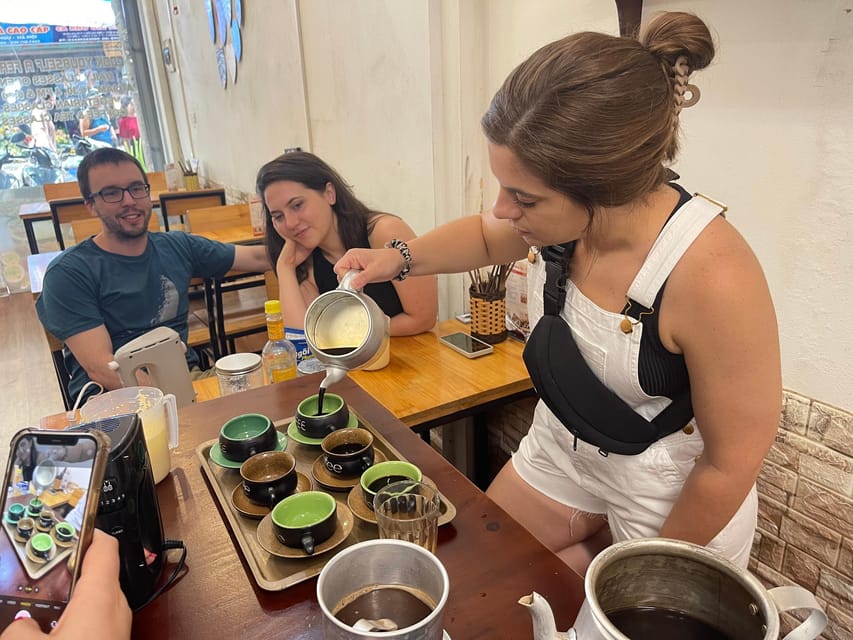
Tasting is included, and that matters because each coffee style is a different lesson. When you taste, don’t rush to decide which one is best. Instead, pay attention to one thing at a time, like creaminess, acidity, sweetness, and how long the flavor hangs around.
A practical method:
- Start with the coffee that feels most familiar to you.
- Compare one sweet style to one brighter style next.
- Notice how salt and citrus shift the balance, not just whether they taste good.
If you go into the class expecting five delicious drinks, you’ll still leave happy. If you approach it like a flavor exercise, you’ll leave with something more useful: a way to choose what to order later.
Taking It Home: Recipes and What You Can Recreate
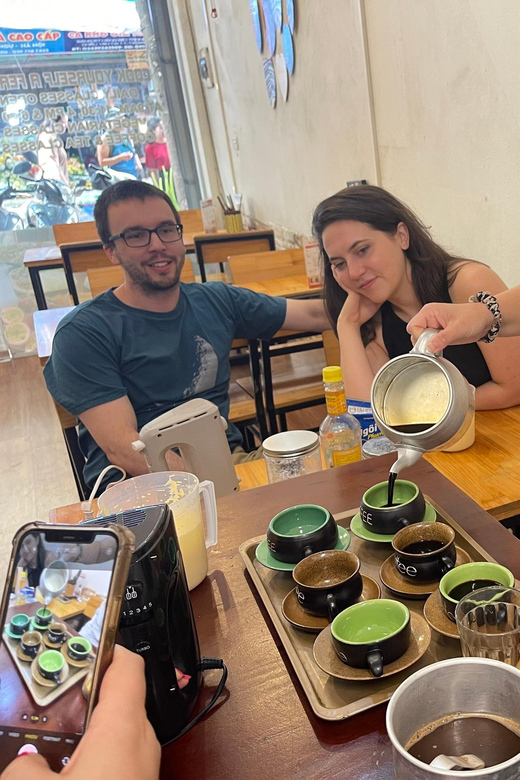
Recipes are included, which is one of the strongest value points of this kind of class. Even if you only nail one or two drinks perfectly right away, you’ll have a guide for repeating the ones you enjoyed most.
Also, learning the coffee lesson plus a handful of brewing techniques means you’re not just copying. You understand what to tweak, like intensity and balance, so your results are more reliable.
This is where the class can pay off beyond the 90 minutes. You might use your recipes to compare cups you buy later, or to impress friends with a drink that actually has technique behind it.
Instructor Quality in Plain Terms: Patient, Fun, and Story-Driven
The biggest difference between a coffee tasting and a real class is whether the instructor can explain what’s happening and keep you comfortable while you learn.
In past sessions connected to this experience, guides like Phuong, host Bélla, and instructor Ruby have been singled out for being patient, fun, and informative, with stories folded into the coffee facts. Even if you’re new to coffee, that kind of teaching style makes it easier to ask questions and not feel rushed.
This matters because the class isn’t only about pouring. It’s about understanding varieties, roasting, processes, and drinking culture. If your instructor keeps things clear and relaxed, you’ll actually absorb it.
Price and Value: Is $27 Worth It?
For $27 per person, you’re getting:
- Tools and ingredients
- Welcome tea
- Coffee tasting
- Learning and coverage of 5 coffees
- An English-speaking instructor
- Recipes
- Free banh mi or spring roll
That’s a lot for one short session, especially because you’re not paying extra for ingredients or for the structured lesson part. If your main goal is to try Vietnamese coffee once, you could spend less on a café stop. But if your goal is to learn, taste multiple styles, and take recipes home, the price feels reasonable.
Where value gets even better is if coffee is part of your travel routine. You’ll get more satisfaction from ordering later, because you can name what you want and why.
Who This Class Is Best For
This experience is a strong match if you:
- Want to learn Vietnamese coffee basics without a heavy technical course
- Like tasting several drinks in one go
- Prefer English instruction
- Want recipes to recreate drinks later
- Enjoy food and drink experiences that feel personal and interactive
It’s also a good option if you don’t drink coffee often. The class includes stories and snack support, and you’ll get a guided path through flavors that range from creamy and sweet to bright and salty.
Should You Book Hanoi Egg Coffee? My Decision Checklist
Book it if you want a short, structured Hanoi experience where coffee becomes understandable. You’ll spend time making and tasting multiple classic styles, and you’ll leave with recipes plus enough coffee knowledge to order with confidence.
Skip it or consider another option if you’re expecting a purely hands-on workshop for every single one of the five drinks. Some sessions focus hands-on on a couple of coffees and provide recipes for the rest afterward. If you need every step in your hands from start to finish, that’s the one potential mismatch to think about.
If you’re on the fence, this is the kind of class where your best strategy is simple: come hungry for learning, not just for caffeine, and pick your favorite coffee during tasting. Then use the recipes to recreate that winner later.
FAQ
What is the duration of the Hanoi Egg Coffee class?
The class runs about 90 minutes to 2 hours, depending on the starting time and session flow.
How much does it cost?
It is priced at $27 per person.
What coffees will I learn in the class?
You’ll learn to make five famous Vietnamese coffees, including Phin coffee and options such as egg coffee, coconut coffee, salt coffee, orange coffee, and a house coffee selection.
What food is included besides coffee?
A free banh mi or spring roll is included.
Does the class include tasting and recipes?
Yes. The experience includes coffee tasting and recipes.
Is the instructor available in English?
Yes. The class has an English-speaking instructor.
Where do I meet for the class?
Meet at 08 Gia Ngu Street. The activity is connected with both Apron Up Cooking Class (larger site) and Hanoi Egg Coffee (smaller site).
Is it refundable if my plans change?
Free cancellation is available up to 24 hours in advance for a full refund.
More Workshops & Classes in Hanoi
More Coffee Experiences in Hanoi

More Tour Reviews in Hanoi






Not for you? Here's more nearby things to do in Hanoi we have reviewed











More Hanoi City Tours to consider.
 ★ 5.0Hanoi Jeep Tour: Food, Culture and Fun by Vietnam Army JeepTickets from $5515,222 traveller reviews
 ★ 5.0Full-Day Ninh Binh Highlights Tour from HanoiTickets from $797,761 traveller reviews
 ★ 4.7Ha Long Bay Day Cruise – Swimming, Meal, KayakingTickets from $417,415 traveller reviews
 ★ 4.6Water Puppet Show TicketsTickets from $77,029 traveller reviews
 ★ 5.0Hanoi Motorbike Tour: Food, Culture and Fun by Vintage MotorbikeTickets from $556,699 traveller reviews
 ★ 4.9Guided Food Tour with Train Street VisitTickets from $196,239 traveller reviews
 ★ 5.0Hanoi Cooking Class: Culture, Local Market & Meaning CSR ImpactTickets from $395,147 traveller reviews
 ★ 5.05 Traditional Dishes Hanoi Cooking Class with Market TripTickets from $354,890 traveller reviews
More useful Hanoi routes