
Review · WORKSHOPS
Vietnamese deep tissue neck and shoulder massage class
Tense shoulders have a way of sneaking up. What makes this Dong Bac class interesting is the way hands-on practice gets paired with English-speaking instructors, so you are not just watching. You learn a real sequence for relaxing neck and shoulder muscles, in a calm room with essential oils and soft music.
I especially like that the teaching focuses on technique you can repeat at home, not vague concepts. You also get individual coaching in a small setting, plus the option to practice on a partner or a mannequin with guidance as you go. One consideration, though, is that it is not suitable for children under 10, adults over 70, or anyone dealing with altitude sickness.
Key things to know before you go
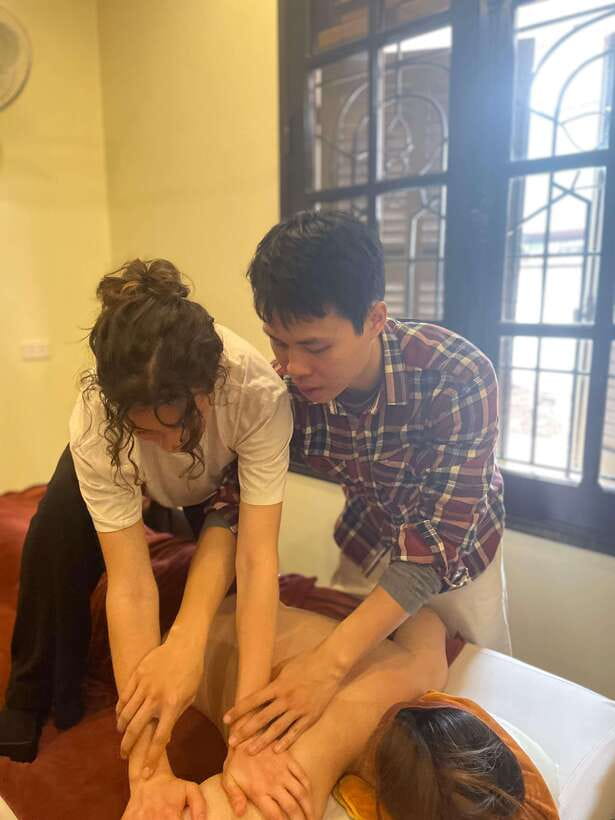
- Small class sizes mean you get corrections while you practice, not after.
- English, Vietnamese, and French instruction helps you follow the steps and ask questions.
- Effleurage and kneading are taught early, so you build confidence from the start.
- Partner or mannequin practice helps you understand both sides of the massage.
- Essential oils, soothing music, and a guided ambiance setup make it easier to recreate at home.
- Certificate on completion plus a take-home handout keeps your notes organized.
A calm Dong Bac room where learning feels practical
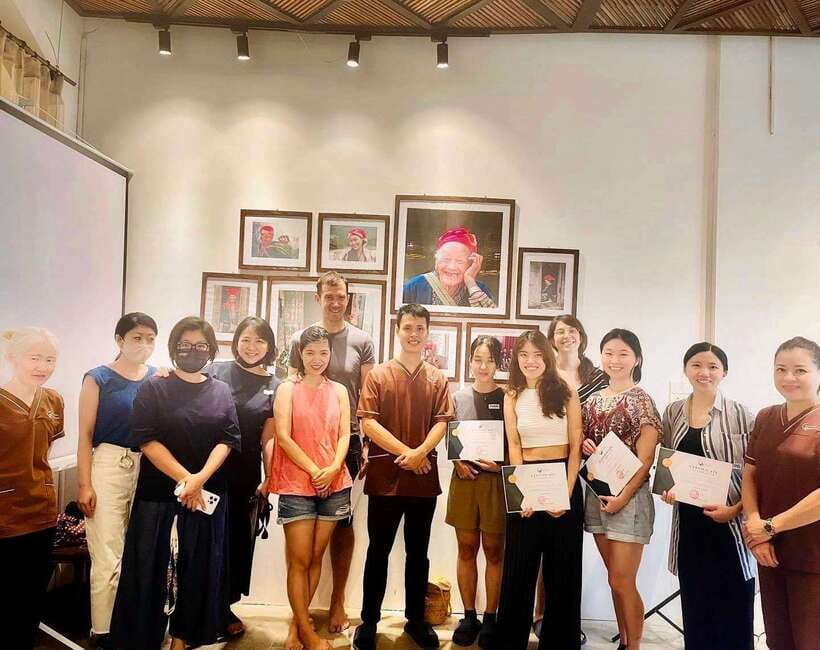
This class takes place in Dong Bac, Vietnam, in a space designed to feel relaxing from the moment you arrive. You can expect a gentle atmosphere with essential oils in the air and music that keeps everything slow and steady. That matters, because neck and shoulder work is not only about pressure, it is also about timing and comfort.
Even with the spa feel, the tone is practical. You start with a brief intro from the instructor on massage basics and why these techniques help tension. Then you move into warm-up stretches, so your body is ready for the work. If you have ever tried to learn massage from a video, you know how hard it is to judge what is too much, too fast, or just unclear. This format takes away that guesswork.
The class is also a private group experience, which usually means better attention and less waiting around. You are learning skills that depend on close guidance, and the smaller setup makes it easier to get your technique adjusted.
You can also read our reviews of more tours and experiences in Ha Long.


Who teaches and what you learn, from basics to deeper tension
Instructors here have more than six years of experience, and they can teach in English, Vietnamese, and French. That is a big deal if you want to understand the reasoning behind each movement, not just memorize steps. In the feedback I saw, instructors like Minh are praised for teaching both technique and the principles behind it, plus a genuine passion for getting it right.
You will begin with foundational methods like effleurage and kneading. Effleurage is the smoother, gliding contact that helps the muscles and tissues settle. Kneading is the more direct work that can target tightness in a way you can feel immediately. These are not random choices. They are a good foundation because they teach how to create comfort and control before you get into more targeted pressure.
As the session continues, the class progresses into more advanced methods focused on neck and shoulder tension. This is where your warm-up and your early practice pay off. If your body is tense, the techniques will not work as well and you will tire faster. The instructor keeps an eye on your hand placement and your pace, which is exactly what you want when learning deep tissue-style work on sensitive areas.
Warm-up stretches, then technique on a partner or mannequin
The flow is very teachable: warm up, learn the basics, practice, then refine. You start with gentle stretches designed to prep neck and shoulder muscles. That is not just a warm-up ritual. It gives you mobility and reduces the resistance you can feel during early practice.
Next, you learn fundamental techniques while the instructor demonstrates them, typically on a partner. Then you try yourself with hands-on guidance. This is where having a human teacher matters. Massage is not like assembling a chair. Tiny differences in angle, hand pressure, and timing change the result.
You also practice in pairs, meaning you will both give and receive massage. That two-way practice is one of the best parts of this kind of class. When you feel the technique from the receiver side, you understand what your pressure should feel like and how it should gradually change. If you are practicing on a mannequin, it is still useful, but the feedback loop is different. Either way, the instructor circulates and offers tips and adjustments as you go.
If you are concerned about language, the class can be taught in different languages. One review highlighted a trainer speaking French to the group, and getting personal coaching, which is helpful if you want to stay relaxed and confident while learning.
Targeting neck and shoulders without rushing it
Neck and shoulder massage can be tricky because the area is sensitive and tension can be stubborn. The class does not just teach one move and call it a day. Instead, it teaches you how to work those areas using a progression from general relaxation into more specific tension targeting.
Here is why that progression matters for you. If you jump too quickly into intense pressure, you can turn relief into discomfort. If you only do gentle strokes, you may not get the deeper release you want. By learning both the soothing basics and then the targeted methods, you can choose what your body needs in the moment.
You will also get time to ask questions and get feedback while you practice. That feedback is often where students level up, because it addresses common issues like uneven pressure, hands drifting off the intended area, or losing control of rhythm. The best instructors do not just correct, they explain what they are changing and why.
And yes, the class talks about creating the right massage ambiance. That might sound like fluff, but it is tied to results. When you set up the right environment, you can focus on your technique instead of fighting discomfort from harsh lighting or noisy distractions.
What you take home: ambiance tips, handout, and certificate
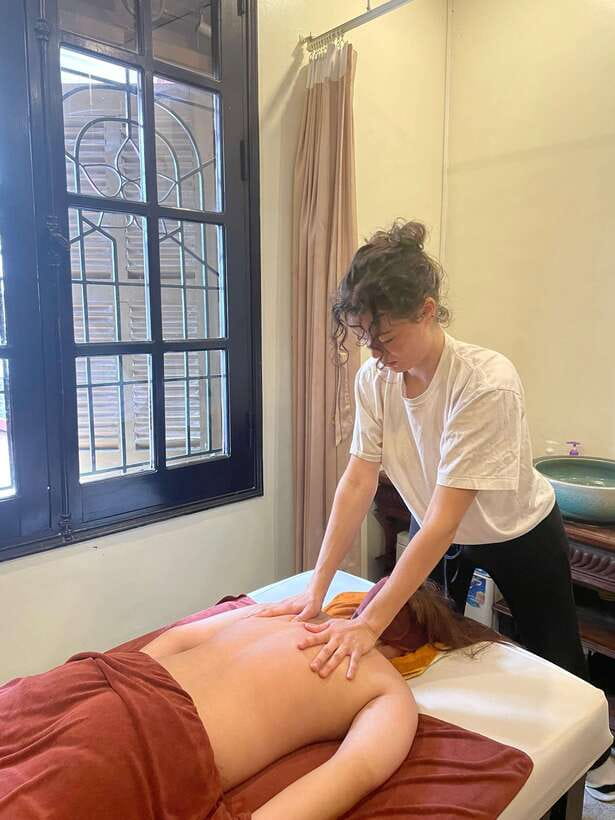
By the end, you should leave feeling empowered with a full understanding of how to perform a rejuvenating neck and shoulder massage. You do not just walk away with a new skill, you also walk away with a way to use it consistently.
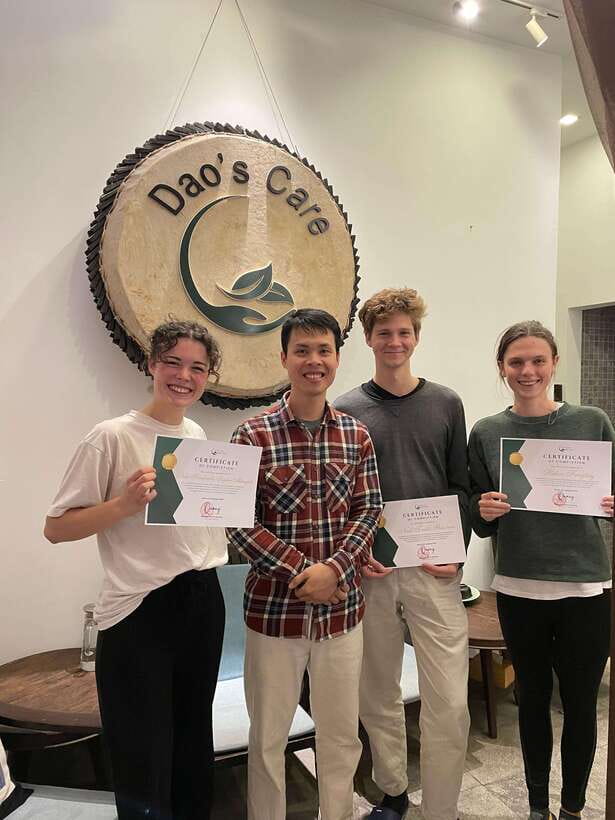
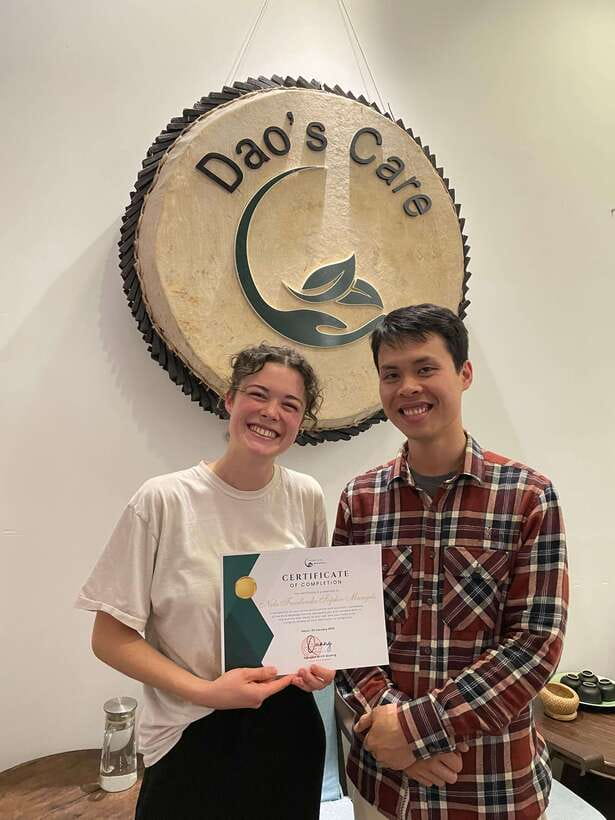
You receive a detailed handout to take home. That is ideal if you learn best with notes you can review later, especially for technique sequences and reminders on what to do first and what to do after. You also get a certificate of completion.
The certificate is part of the included experience. If you are thinking about certification renewal or upgrades later, those are not included and may cost extra. Still, for learning and getting a formal completion document, this class checks the box.
One more value add: the experience provider lists follow-up support and resources. That can help if you want to keep practicing after the class, especially in the early weeks when your movements are still forming.






How much is $66 really worth for this kind of training
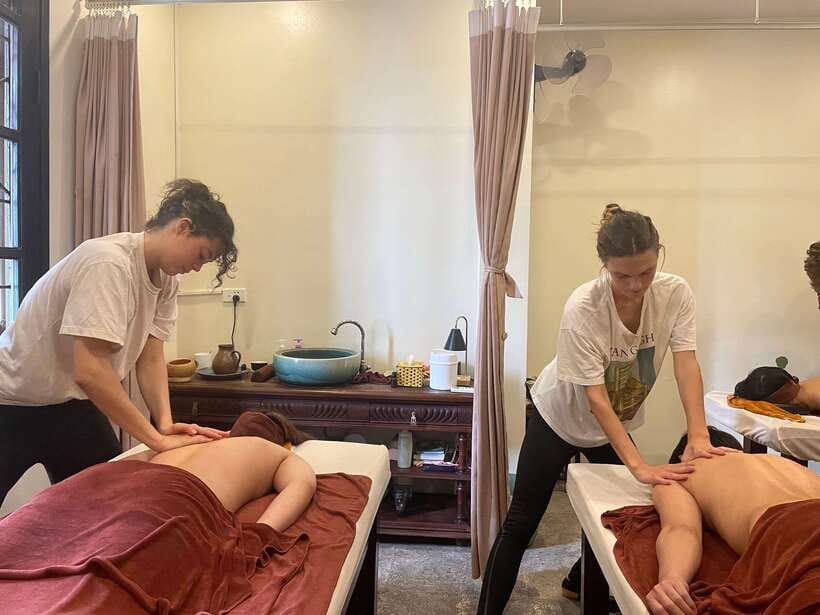
At $66 per person, this is not a budget “watch and leave” experience. You are paying for guided instruction, a structured progression of techniques, and a setting built for practice. That includes high-quality massage oils and lotions, plus a calm ambiance with aromatherapy-style setup and soothing music.
You also get refreshments, including herbal tea and light snacks. Small extras like this matter, because massage learning is physical. If you feel cared for during the session, you tend to learn better and practice more attentively.
Then there is the most important part for value: the combination of expert instruction, personalized feedback, and hands-on coaching. Massage classes only help if you can correct mistakes while practicing. A small private group setup makes that more likely than in larger classes where the instructor cannot reach everyone quickly.
Finally, the certificate and handout add practical follow-through. If you are learning for a hobby, a wellness routine, or even professional interest, having a tangible completion document and notes makes the course feel like a real skill-building step, not a one-off demo.
Fit, rules, and practical considerations
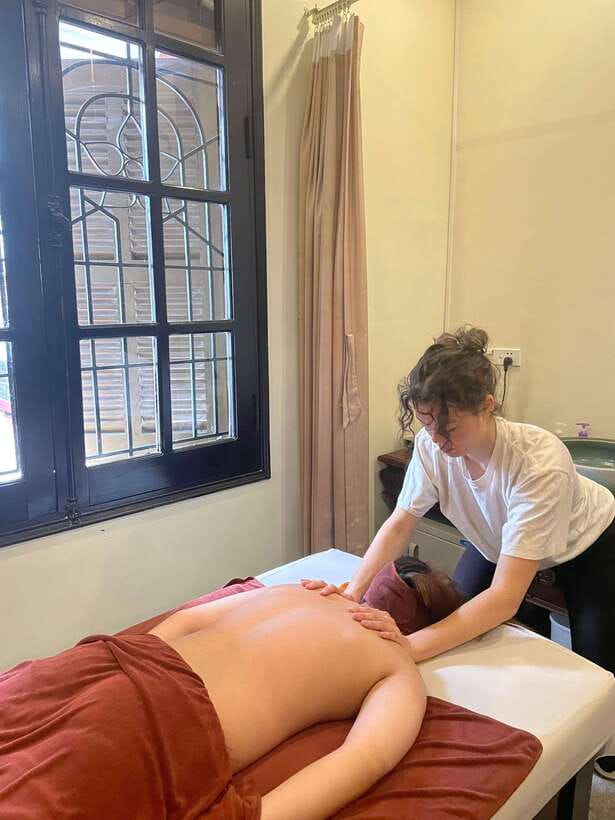
This course is designed for adults and for learners who can participate fully. It is not suitable for children under 10, and it is not suitable for people over 70. It also is not suitable for anyone with altitude sickness. Also, alcohol and drugs are not allowed.
If you have any medical concerns related to neck or shoulder pain, you should think carefully about whether massage is appropriate for you in general. The class focuses on learning techniques, and it is not described as a medical treatment.
Timing is flexible, depending on the option you book. The total duration can be 3 to 18 hours, and starting times depend on availability. If you are short on time, look for the shorter option. If you want more repetition and slower pacing, choose a longer session if available.
Transportation and accommodation are not included. If the venue requires travel or an overnight stay, you should plan for that cost.
The hands-on moment that makes this class work
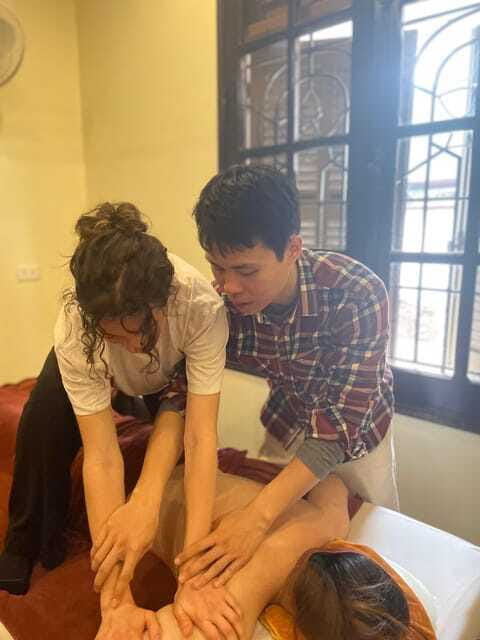
The most praised element in the feedback I saw is the quality of instruction during practice. People highlighted instructors who gave instant feedback and guidance, including language support and the sense that teachers truly care about getting the technique right. One review specifically mentioned a professional masseur serving as the guinea pig while receiving expert-level feedback, which points to the class style: you learn while you can see and feel what correct technique looks like.
Another theme was how instructors teach principles, not just steps. That matters because massage is personal. Two shoulders feel different. The same technique may need slight adjustment based on your partner’s comfort and your own hand control. When you understand the principle, you can adapt.
If you want to learn how to relieve tension, enhance relaxation, and build a well-being routine that feels grounded, this class is aimed at exactly that. It is a skill workshop with a calm setting, and it keeps you active the whole time instead of passively observing.
Should you book this neck and shoulder massage class in Dong Bac?
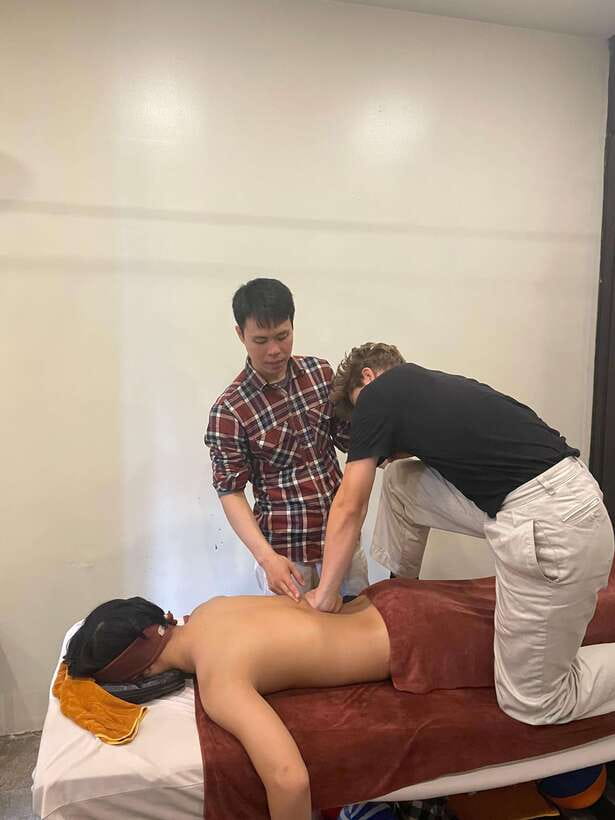
Book it if you want structured, hands-on learning and you like feedback while you practice. The $66 price makes sense when you compare what is included: oils and lotions, refreshments, guidance, partner or mannequin practice, a handout, a certificate, and follow-up resources. It is also a solid choice if you want language support in English, Vietnamese, or French and value a private group experience.
Skip it if you are outside the recommended age range, have altitude sickness, or do not want the physical element of partner or mannequin practice. Also, consider the duration. With options ranging from 3 to 18 hours, you will want to match the course length to your goals and your schedule.
If your goal is to learn real neck and shoulder techniques you can repeat at home, this is the kind of class that gives you a clear process, not just a vague sense of relaxation.
FAQ
How much does the Vietnamese deep tissue neck and shoulder massage class cost?
It costs $66 per person.
How long is the course?
The duration can be 3 to 18 hours. You will need to check availability to see the starting times for the option you want.
Where does the class meet in Dong Bac?
The location is in Dong Bac, Vietnam, and the meeting point may vary depending on the option booked. The activity ends back at the meeting point.
What languages are offered?
The instructor offers classes in English, Vietnamese, and French.
Is this class a private group?
Yes, it is listed as a private group with small class sizes for individual attention.
Do I receive a certificate?
Yes, you receive a certificate after completing the course. Certification renewal or upgrades are not included.
Are oils, lotions, and refreshments included?
Yes. The class includes high-quality massage oils and lotions, plus herbal tea and light snacks.
What practice do you do during the class?
You practice giving and receiving massages in pairs, using partners or mannequins. You also get hands-on guidance and personalized feedback.
What is not included in the price?
Certification renewal or upgrades, extended practice sessions or one-on-one time may cost extra. Transportation or accommodation is also not included if the venue requires travel.
Who should avoid this experience?
It is not suitable for children under 10, people over 70, or anyone with altitude sickness. Alcohol and drugs are not allowed.
More Tour Reviews in Ha Long
Not for you? Here's more nearby things to do in Ha Long we have reviewed










More Workshops to consider.
 ★ 5.0Hanoi Cooking Class: Culture, Local Market & Meaning CSR ImpactTickets from $395,147 traveller reviews
 ★ 5.05 Traditional Dishes Hanoi Cooking Class with Market TripTickets from $354,890 traveller reviews
 ★ 5.0Hanoi Coffee Workshop: Taste Salt, Coconut and Egg CoffeeTickets from $161,286 traveller reviews
 ★ 5.0Salt Coffee Workshop Awake Your Senses With 6 BrewsTickets from $23792 traveller reviews
 ★ 5.0Vietnamese Food Cooking Class in Hanoi with Market ExperienceTickets from $45778 traveller reviews
 ★ 5.0Handcrafted Wood Carving Workshop with Local ArtisanTickets from $19733 traveller reviews
 ★ 5.05 Local Dishes Cooking Class with Meal & Market VisitTickets from $40420 traveller reviews
 ★ 5.0Hanoi Cooking Class and Market Tour in Ancient HouseTickets from $45379 traveller reviews
More useful Hanoi routes