
Review · HANOI CITY TOURS
Vietnamese Home Cooking Class in Hanoi
A Hanoi cooking class beats another food tour because you shop and cook in one smooth loop. This one is a small-group setup, max five people, and it takes you into a real Hanoian market before you head to the chef’s home. You then learn at least four dishes and eat them as a proper meal.
What I like most is the focus on home-style Vietnamese cooking, not just eating things and moving on. You also get a choice of schedule, morning for lunch or afternoon for dinner, so you can fit it around the rest of your day in Hanoi.
One thing to consider: the menu is set by option (Hanoian, Tonkin, or Vegetarian), so if you have strict dietary needs, you should mention them when you book and be ready that substitutions can vary.
Key things to look forward to

- Max 5 people means you can ask questions and actually get hands-on time
- Hanoian market shopping for fresh ingredients, before the cooking starts
- At least 4 dishes from a full menu option, not a couple of samples
- Choice of Hanoian, Tonkin, or Vegetarian menus to match your taste
- Pickup and drop-off included, so you spend less time coordinating transport
- Rice wine with your meal plus coffee or tea to round out dinner or lunch
Entering Hanoi’s Food World, One Ingredient at a Time
There’s a moment in Hanoi that hits hard, the first time you see how people shop for everyday meals. This class leans into that. Before you cook, you walk through a typical Hanoian market with your local guide, buying the ingredients you’ll use later. It changes the whole experience because you start connecting flavor to ingredient, not flavor to a restaurant menu.
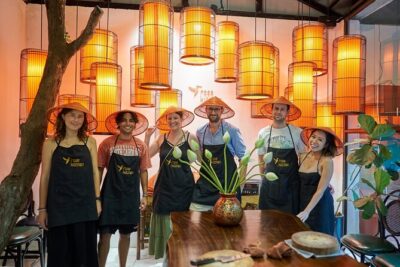
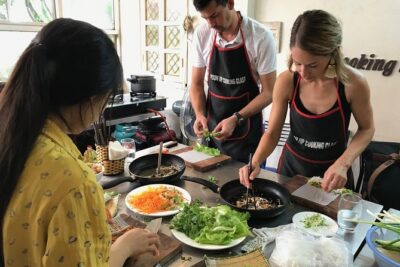
I especially like the way the class is built around a local chef’s home. That setting matters. You’re not stuck in a loud demo kitchen where you just watch. Instead, you meet your host, then work together on dishes that reflect what people actually eat. It’s the difference between learning recipes and understanding habits, like how fresh herbs and sauces show up in multiple meals.
Another win is how the group stays tight. With a maximum of five people, the pace doesn’t feel rushed. It also means your questions do not get lost. If you have been curious about why a dish tastes a certain way, you’re more likely to get clear answers here.
Finally, the meal at the end is not an afterthought. You sit down to enjoy what you made, as lunch or dinner, and it comes with traditional rice wine. That combo, cooking and eating right away, is how you start remembering the dishes without needing a notebook of notes.
You can also read our reviews of more cooking classes in Hanoi
Market Shopping in a Typical Hanoian Style
The market stop is one of the best value parts of this tour. You’re not just ticking off sights. You’re learning what fresh looks like and what matters in Vietnamese cooking. The class includes bottled water, and the market visit is paired with the rest of the session so you keep momentum instead of wandering on your own.
From the way guides are described in past experiences, the market walk tends to include more than product picking. People have singled out market energy and explanation, especially guides like Mango, Linh, and Luke, who are remembered for enthusiasm and for putting local habits into context. You’ll likely get practical pointers, like how locals decide what to buy for salads, fried rolls, or soup.
One practical note: markets mean smells, noise, and lots of moving parts. If you’re sensitive to strong aromas or you hate crowd conditions, mentally prepare for that. It’s not a quiet museum moment. But if you enjoy seeing where food actually comes from, this is exactly the right kind of stop.
Also, because you’re shopping for ingredients tied to your menu, you’ll often recognize items later when you start cutting and cooking. That makes it easier to recreate recipes at home, even if you do not buy the same specialty herbs you find in Hanoi.
What You’ll Cook: From Bun Cha to Egg Coffee
This class is structured around multiple dishes, with a goal of learning at least four. You choose from three menu options, and each one includes Vietnamese egg coffee at the end, plus an assortment of cooked mains, salads, and rolls. In other words, you’re not leaving with just one technique. You’re picking up several.
Hanoian Feast menu
If you want the classic, this is the most Hanoi-forward option. The dishes include:
- BBQ Pork with Noodles and Fish Sauce (Bun Cha)
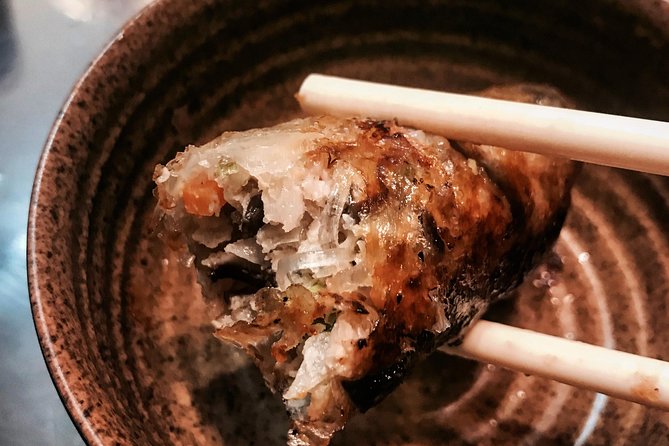
- Fried Spring Rolls (Nem)
- Banana flowers salad with chicken, or green papaya salad with dried beef (the menu notes these as options)
- Vietnamese egg coffee
Bun cha is a great dish to learn in a class like this because it teaches balance. Sweet, salty, and tangy show up through the sauces and how the components are assembled. Spring rolls add another skill set, wrapping and frying, and they also teach you how crispness changes the whole bite.
The salad is also a smart inclusion. It’s not just decoration. Vietnamese salads often bring acid, crunch, and herbs, and they make richer dishes taste lighter.
Tonkin Origin menu
Tonkin is northern Vietnam’s own identity, and this menu leans into that comfort-food feeling:
- Traditional pho noodle soup with beef or chicken
- Green mango salad with seafood
- Grilled fish
- Vietnamese egg coffee
Pho is a big one. Even if you do not leave with every step mastered, you come away with a sense of how the soup feels in your spoon, and how aromatics drive the flavor. The salad and grilled fish also diversify your skills, showing how northern flavors can still feel bright and clean.
More Hanoi tours and experiences for the shortlist
Vegetarian Lover menu
If you prefer vegetarian cooking, this option covers real meal structure, not just a token tofu plate:
- Spring rolls, fresh or fried
- Tofu in Tomato Sauce
- Eggplant with ginger sauce
- Che (a Vietnamese traditional dessert)
This menu is especially useful if you want to learn techniques you can repeat at home. Eggplant with ginger sauce teaches a classic flavor pairing, and the tofu sauce helps you see how tomatoes can add body even in vegetarian cooking.
The egg coffee payoff
No matter which menu you pick, you get Vietnamese egg coffee. It’s one of those Hanoi signatures that people remember, and it’s also a test of texture and timing. Even if egg coffee isn’t your favorite dessert at first, learning how it’s made makes it easier to order with confidence later.
How the Cooking Class Actually Runs
Time matters here. The class runs about 4 hours 30 minutes, and it’s paced to cover market shopping, cooking, and sitting down together. That’s enough time to make mistakes, correct them, and still enjoy the meal without feeling like dinner got delayed forever.
Most sessions follow a simple rhythm:
- Meet up and get going with shared transport.
- Market shopping for your menu ingredients.
- Arrive at the chef’s home.
- Cook together, with guidance for each dish.
- Eat what you made, lunch or dinner, plus drinks.
Past experiences with this kind of class often highlight the energy and patience of the instructors. People have mentioned Simon as patient and friendly, Chris as patient, and Jessy as interactive and fun. Luke and Linh are also credited with knowledge and entertainment, especially around local habits and food choices.
Even without naming your exact chef upfront, you can assume the class is built to be approachable. With a small group, it’s easier to slow down for your questions. And because you’re cooking together instead of just watching, you can actually feel how different steps lead to different results.
Pickup and drop-off is not fluff
The tour includes round-trip shared transfer from your Hanoi hotel, plus a mobile ticket. That reduces friction. In a city where traffic planning can become annoying fast, having transport handled lets you focus on the one thing you paid for, the class.
Shared transfer does mean you might pick up with others and have a slightly longer route than a private car. If you prefer to come and go on your own timetable, note that. Still, for most people, it is a good trade.
Morning Lunch vs Afternoon Dinner: Choose Your Energy
This is one of the most practical parts of the offering. You can pick a morning (lunch) or afternoon (dinner) slot. Think of it like this: do you want Hanoi’s midday food moment, or do you want a late-day cooking and meal to wrap up your sightseeing?
If you choose morning, you start earlier and likely feel fresher for market walking and active prep. Afternoon slots can be great if you want a slower morning, then get into cooking later and end with a full dinner.
Either way, the structure holds. You’re still cooking at the chef’s home and sitting down together at the end with rice wine and coffee or tea.
What the meal feels like
You eat what you cook. That means your final plate reflects the menu you chose, not a buffet that someone else made earlier. Including rice wine with the meal makes it feel like a real hosting moment, not just a class ending.
And coffee or tea being included is a nice touch. It helps you close the loop, because Vietnamese egg coffee is sweet and rich, and a warm drink afterward often makes the whole meal feel complete.
Price and Value: Is $41.03 a Smart Deal?
At $41.03 per person for about 4.5 hours, this falls into the mid-range zone for a Hanoi cooking experience. The value comes from what is actually included.
You get:
- Small-group class (max five)
- Market shopping with a local guide
- Cooking instruction at the chef’s home
- At least four dishes learned
- Lunch or dinner
- Rice wine with your meal
- Coffee and/or tea
- Bottled water
- Round-trip shared transfer
When you look at it this way, it’s not just paying for the kitchen time. You’re paying for the market access, ingredient shopping, instruction, and a full sit-down meal. If you’ve ever tried to build this yourself, you know how quickly it gets complicated: figuring out ingredients, shopping locations, and then finding the right tools or steps for multiple Vietnamese dishes.
If you love food and want something more hands-on than a typical tasting walk, the price starts to feel fair. Also, the class has a high rating, 4.9 out of 5 from 7 reviews, which usually signals the experience hits the key targets: quality, pacing, and a good guide.
One possible value trap is if you only want a couple bites of food and zero cooking. If that’s you, a market tasting tour might fit better. But if you want to learn and eat with confidence, this is a strong deal.
Who This Hanoi Class Fits Best
This works best if you:
- Want a hands-on experience, not just eating
- Like understanding how recipes connect to ingredients
- Prefer small-group formats where you can ask questions
- Are excited to learn northern Vietnamese staples like bun cha and pho, or to cook vegetarian Vietnamese meals
- Appreciate transport support, especially pickup and drop-off from your hotel
It may be less ideal if you:
- Have strict dietary allergies and need guaranteed substitutions. The tour asks you to advise dietary requirements at booking, but menus still follow an option set.
- Are short on time and hate being away from your own schedule for about 4.5 hours.
- Only want street food flavor without cooking steps. This is about learning and making.
That said, the menu choices are clear, and vegetarian is genuinely represented with a full set of dishes, including tofu sauce and Che.
Should You Book This Vietnamese Home Cooking Class in Hanoi?
If you want a memorable Hanoi food day that gives you both knowledge and a meal you can recreate, I’d book it. The combo of market shopping, small group cooking, and a proper lunch or dinner makes it feel grounded and practical. You come away fed, and you also come away with dish-specific confidence, not vague memories.
Book it especially if you like the idea of learning from a local chef in a real home setting. The guide names people remember, like Mango, Luke, Simon, Chris, Linh, and Jessy, point to a consistent theme: energetic teaching and patient support.
My final decision tip is simple: pick your menu based on what you want to eat after the class. If bun cha and nem call your name, choose Hanoian Feast. If you’re pho-obsessed, go Tonkin Origin. If you want vegetarian Vietnamese cooking you can repeat later, Vegetarian Lover is the cleanest match.
FAQ
How many people are in the cooking class?
The class is a small group with a maximum of five travelers.
How long is the Hanoi cooking class?
It runs about 4 hours 30 minutes.
Does the tour include pickup from my hotel?
Yes, pickup and drop-off from your Hanoi hotel are included.
What do I learn to cook?
You learn to make at least four different Vietnamese dishes, based on the menu option you choose.
Can I choose between lunch and dinner?
Yes. You can choose a morning tour with lunch or an afternoon tour with dinner.
Are there vegetarian menu options?
Yes, there is a Vegetarian Lover menu with dishes such as spring rolls, tofu in tomato sauce, eggplant with ginger sauce, and Che.
What dishes are included on the main menu options?
Examples include bun cha and nem for the Hanoian Feast menu, pho and grilled fish for Tonkin Origin, and spring rolls, tofu, eggplant, and Che for the vegetarian option. Vietnamese egg coffee is included across options.
What drinks are included with the meal?
The experience includes coffee and/or tea, and your lunch or dinner is accompanied by traditional rice wine.
Is there a free cancellation window?
Yes. You can cancel up to 24 hours in advance for a full refund.
More Workshops & Classes in Hanoi
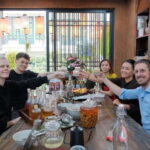
More Cooking Classes in Hanoi

More Tour Reviews in Hanoi





Not for you? Here's more nearby things to do in Hanoi we have reviewed










More Hanoi City Tours to consider.
 ★ 5.0Hanoi Jeep Tour: Food, Culture and Fun by Vietnam Army JeepTickets from $5515,222 traveller reviews
 ★ 5.0Full-Day Ninh Binh Highlights Tour from HanoiTickets from $797,761 traveller reviews
 ★ 4.7Ha Long Bay Day Cruise – Swimming, Meal, KayakingTickets from $417,415 traveller reviews
 ★ 4.6Water Puppet Show TicketsTickets from $77,029 traveller reviews
 ★ 5.0Hanoi Motorbike Tour: Food, Culture and Fun by Vintage MotorbikeTickets from $556,699 traveller reviews
 ★ 4.9Guided Food Tour with Train Street VisitTickets from $196,239 traveller reviews
 ★ 5.0Hanoi Cooking Class: Culture, Local Market & Meaning CSR ImpactTickets from $395,147 traveller reviews
 ★ 5.05 Traditional Dishes Hanoi Cooking Class with Market TripTickets from $354,890 traveller reviews
More useful Hanoi routes