Review · WORKSHOPS
Experience Traditional Vietnamese Calligraphy Class in Ha Noi
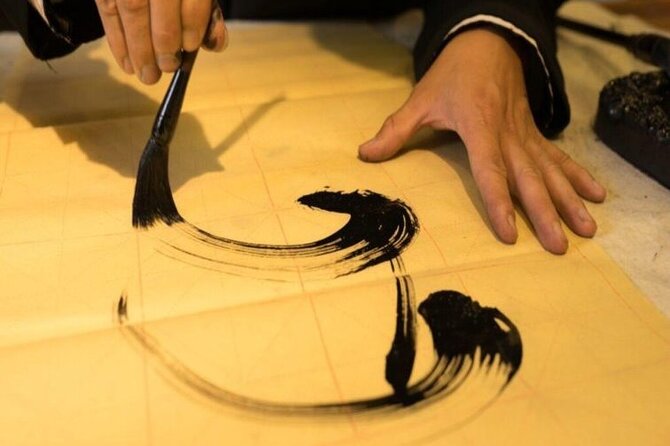
Your brush learns patience in Hanoi. In this traditional Vietnamese calligraphy class, you practice hand-writing techniques with a local calligrapher and leave with a finished artwork you made from scratch.
I particularly love the calm, focused pace, plus the way the lesson links calligraphy to quiet concentration. I also like meeting the instructor, including San先生, and getting clear guidance on how the strokes actually work.
One thing to consider: if you know Japanese calligraphy already, Vietnamese brushwork can feel different at first, and your line may look wobbly before it starts to click.
Quick key highlights
- Small group (up to 6 travelers), so you are not just watching from the back row
- 2 hours of guided practice, history, and hands-on writing
- Different stroke styles with meaning, not just pretty shapes
- Tools and brush technique intro so you understand what you are doing
- Choose a simple design or sketch your own, then take the piece home
Hanoi calligraphy that feels like a quiet ritual
A calligraphy class sounds busy on paper, but the way this one is taught is more like controlled breathing than art class chaos. You learn how artistic writing connects to concentration, and the setting is described as scenic and serene, which matters more than you might think. When the room feels calm, your hand steadies faster.
The workshop is built around the idea that Vietnamese calligraphy is not random decoration. It has its own evolution, including roots introduced by Chinese calligraphers centuries ago, then adapted over time into modern styles. You are not just copying characters, you are learning how different approaches communicate something to the reader.
I like that the class frames calligraphy as both skill and meaning. Even if you only manage a few strokes that look great, you still finish with a new appreciation for why the writing looks the way it does.
More Hanoi tours and experiences for the shortlist


Price and value: why $36 makes sense for a take-home artwork
At $36 per person for about 2 hours, the value is mostly in three things: coaching time, tools and technique, and a real, finished product you can bring home.
If you have done DIY art classes in tourist areas, you might know the usual pattern: lots of setup, a brief tutorial, and then you struggle alone. Here, you get guided instruction on the tools and brush use, plus help with choosing a design. That is important because calligraphy is one of those skills where one small adjustment (angle, pressure, or stroke start) can change your whole result.
Also, you get to take home a piece you made from scratch. That turns the class into a souvenir with value beyond a photo. You can keep it like a journal page from your trip, something you actually helped create.
One more practical note: the experience is described as being commonly booked about 10 days in advance. If you are traveling around popular weekends or during peak periods, booking earlier helps you lock in a slot.
Getting to the class in Ba Đình: the meeting point you should save
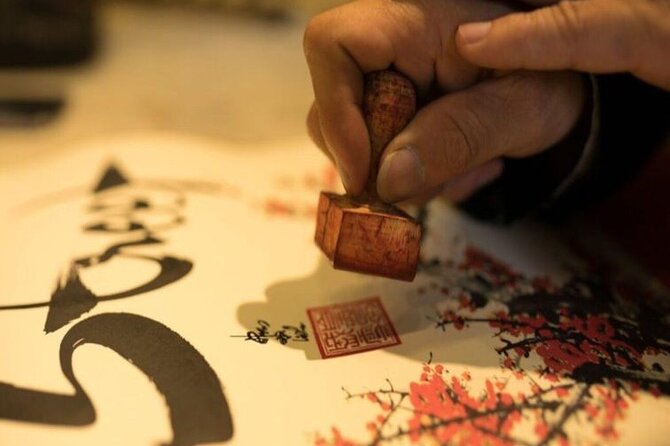
This class meets at 371 P. Kim Mã, Ngọc Khánh, Ba Đình, Hanoi 100000, Vietnam. That is the key detail to save in Google Maps or your offline maps before you go, because being on time really helps with a lesson that builds step-by-step.
The activity ends back at the meeting point. That is handy if you want an easy transition to lunch afterward or to keep your day from turning into a logistics puzzle.
Because the class is only around two hours, arriving a little early is worth it. You do not want to rush the first instructions on tools and brush technique, since those early minutes shape how the rest of your lines come out.
What you learn first: history, modern styles, and why strokes matter
Before you write your final piece, the workshop explains the background of Vietnamese calligraphy. You learn how it connects to historical influences and then evolves into different modern styles. The key point is that styles are not just aesthetic. They are designed to communicate something to the reader.
From there, you get introduced to the techniques used by modern Vietnamese calligraphers. That includes the idea that different stroke methods are meaningful. In other words, you are not only trying to make something that looks nice, you are learning how the writing carries intention.
One of the most praised takeaways is the realization that line-making has options and each option matters. That turns the class from a simple craft activity into a mini lesson in reading visual language.
Tools and brushes: the part where your hand learns the rules
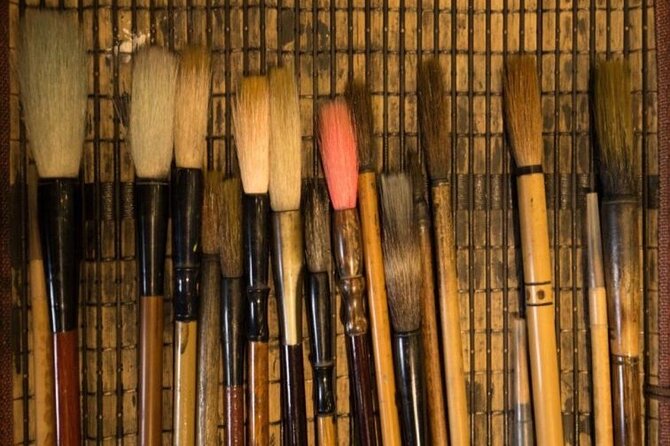
Calligraphy classes often skip the mechanics and jump straight to copying. This one does the useful thing first: it introduces the tools and then teaches you how to use the brush.
You get shown the brush technique directly by the instructor. That matters because calligraphy is not just about your eye, it is about your grip, pressure, and timing across the stroke. One review points out that Vietnamese calligraphy can feel very different from Japanese calligraphy, including how the brush tip moves and how the hand can shake at first.
If you feel that wobble, good. It usually means you are in the learning zone. Your job is not to produce a perfect masterpiece in the first try, it is to get the basics down so your strokes get more consistent as the class goes.
For you, the practical win is this: once you understand brush control, the rest of the class becomes about practicing, not guessing.






Writing your own piece: pick a simple design or sketch your idea
Now comes the fun part, making the artwork you will take home. You have choices. You can follow a simple design, or you can sketch your own approach if you want something more personal.
This flexibility is a big deal for value, because not everyone wants the same structure. Some people are happy with a guided template. Others want a “this is mine” element even if they are beginners.
The class instruction also helps you turn those design choices into real strokes. That is where you start putting everything together: what you learned about techniques, how to hold and move the brush, and how meaning gets communicated through line choice.
By the end, you leave with a brand new skill and a finished calligraphy piece made from scratch. Even if your handwriting is not perfect, the fact that you made it under guidance is what makes it worthwhile.
Small group energy: up to 6, so you actually get feedback
The class has a maximum of 6 travelers, which is one of the smartest features. In a tiny group, you are more likely to get your questions answered as they come up. You also get more chances to see how the instructor corrects small technique issues.
This setup is great if you learn by watching hands close-up. Brush techniques are hard to understand from a distance because small motion changes matter. With a small group, those details are easier to catch.
It also makes the session feel social in a good way. You are learning a skill, not sitting in a lecture hall. The lesson stays focused, and the atmosphere remains patient.
Who this class suits best in Hanoi
This is a strong fit if you:
- want a cultural activity that is hands-on, not just sightseeing
- like calm, focused experiences where you can slow down
- enjoy learning how arts carry meaning, not only how they look
- want a take-home item that feels personal and made by you
It is also a good choice if you have never tried calligraphy before. The class is described as suitable for most travelers, and the structure is clearly designed to bring you from tools and basics to a finished piece within about two hours.
If you are the type who hates structured activities, you might find the step-by-step pace limiting. But you do get choice in your design, which helps.
What to expect during the 2 hours, step-by-step
Here is the rhythm you can expect:
- You start with a history and background on Vietnamese calligraphy, including how it connects to Chinese influences and later modern styles.
- You learn about techniques used by modern calligraphers and how different stroke approaches can communicate something.
- You get an introduction to the tools, then instruction on how to use the brush.
- You practice using those techniques, either with simple designs or by sketching your own idea.
- You finish the workshop with your own calligraphy piece to take home.
The class format matters. It is not just “watch the teacher and hope.” You get guided coaching that builds toward an outcome.
Take-home value: your artwork as a real Hanoi memory
The best souvenir is the one you cannot buy anywhere else. Your calligraphy piece is exactly that, because it is made by your hand with guidance.
It also works as a conversation starter later. When you explain that Vietnamese calligraphy evolved from earlier influences, then adapted into styles meant to communicate, your art feels like a story, not just a pretty print.
If you want something memorable that fits easily into a suitcase, this is also practical. You are making a single finished work, not collecting multiple bulky items. And since the class ends back near the meeting point, it is easier to plan what happens next.
Should you book this Hanoi Vietnamese calligraphy class?
If you want an experience with real learning, a calm setting, and a meaningful take-home item, I think this is a great booking. The small group size, the hands-on brush technique instruction, and the focus on how strokes carry meaning all point to a class that respects your time.
Book it if:
- you like learning from a skilled local calligrapher (including the kind, careful teaching style highlighted in feedback)
- you want to try Vietnamese calligraphy even if you have done Japanese brushwork before
- you want a souvenir that comes from doing, not just buying
Skip it only if you are looking for something high-energy or purely sightseeing. This is a skill-building class, and the payoff is in the lines you produce and the context you learn.
FAQ
How long is the traditional Vietnamese calligraphy class?
The class runs for about 2 hours.
How much does the class cost?
It costs $36.00 per person.
Where does the class start?
The meeting point is 371 P. Kim Mã, Ngọc Khánh, Ba Đình, Hanoi 100000, Vietnam.
Do I get to take a calligraphy piece home?
Yes. You create your own calligraphy art from scratch and take the piece home.
Is there a group size limit?
Yes. The class has a maximum of 6 travelers.
What will I learn during the workshop?
You learn the history of Vietnamese calligraphy, techniques used by modern Vietnamese calligraphers, an introduction to tools, brush technique, and how to create your own piece. You can choose a simple design or sketch your own.
What ticket method is used?
You receive a mobile ticket.
When do I get confirmation for my booking?
Confirmation is received at the time of booking.
What is the cancellation policy for a full refund?
You can cancel up to 24 hours in advance for a full refund. If you cancel less than 24 hours before the start time, the amount paid is not refunded.
More Workshops & Classes in Hanoi


More Tour Reviews in Hanoi
Not for you? Here's more nearby things to do in Hanoi we have reviewed











More Workshops to consider.
 ★ 5.0Hanoi Cooking Class: Culture, Local Market & Meaning CSR ImpactTickets from $395,147 traveller reviews
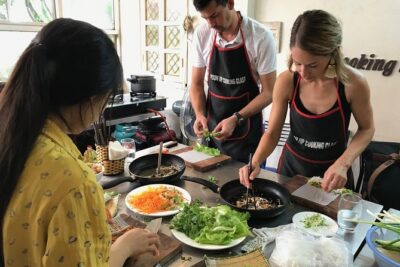 ★ 5.05 Traditional Dishes Hanoi Cooking Class with Market TripTickets from $354,890 traveller reviews
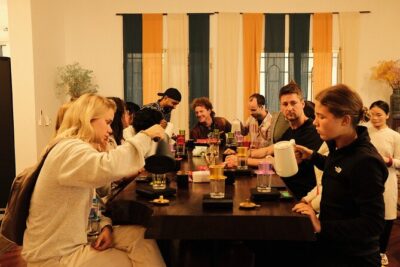 ★ 5.0Hanoi Coffee Workshop: Taste Salt, Coconut and Egg CoffeeTickets from $161,286 traveller reviews
 ★ 5.0Salt Coffee Workshop Awake Your Senses With 6 BrewsTickets from $23792 traveller reviews
 ★ 5.0Vietnamese Food Cooking Class in Hanoi with Market ExperienceTickets from $45778 traveller reviews
 ★ 5.0Handcrafted Wood Carving Workshop with Local ArtisanTickets from $19733 traveller reviews
 ★ 5.05 Local Dishes Cooking Class with Meal & Market VisitTickets from $40420 traveller reviews
 ★ 5.0Hanoi Cooking Class and Market Tour in Ancient HouseTickets from $45379 traveller reviews
More useful Hanoi routes