
Review · HANOI CITY TOURS
Vespa Tour HANOI BACK STREETS: FOOD+LOCAL LIFE+CULTURE & FUN
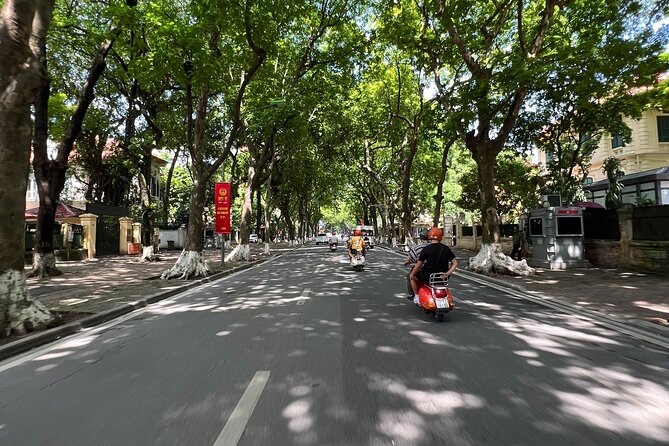
Hanoi on a Vespa is pure street theater. You get vintage Vespa rides through back lanes, plus real local stops for flea-market life, a walk to Banana Island, and a train-street moment that feels far more personal than a photo stop. I love how the route mixes sightseeing with food and daily routines, not just famous landmarks. One heads-up, you will spend time riding and walking, and the tour depends on good weather.
This is a half-day style experience, about 4 hours, running in two options: 8:30 to 12:30 or 13:00 to 17:00. You’re picked up and dropped off at your hotel, and the group stays small, up to 12 people, with an English-speaking guide.
The best part is the human scale. The guides and riders keep things comfortable, with names like Tam, Chris, and Alex mentioned for making the whole outing fun and easy to enjoy. If you like your Hanoi with a side of street noise, snack breaks, and local context, this one fits.
Key highlights worth planning for
- Vintage Vespa back-street route that keeps you close to everyday Hanoi
- Flea market and old apartment area that feels like a living snapshot of how people shopped and fixed things
- Long Bien Bridge to Banana Island, including a walk and a meeting with an elderly couple living on the water
- B-52 Lake and Ngọc Hà zigzag alleys, pairing big landmark visuals with meaningful context
- Duờng Tau Train Street, timed for safety with a drink while you wait
- Lunch inside Hanoi train station, so the meal lands right where the city’s rhythm is loudest
Why Hanoi back streets beat the usual Old Quarter loop
Hanoi is easy to over-schedule. You can spend all day bouncing from one photo spot to the next and still not feel like you know what the city does between landmarks.
This tour is built for the in-between moments. Instead of only viewing the big sights, you move through the kind of alleys where life happens in short bursts: people carrying things, shops with tools out front, neighbors chatting, and small routines that look the same even if you’ve never seen them before. That’s the value here, the mix of quick history, street scenes, and a lunch that feels part of the day, not an intermission.
The route also spreads the city across different “modes.” You’ll catch colonial-era landmarks early, then shift into working neighborhood life, then hit war-era memory sites and ending with the train street, where the city’s physical closeness to daily life becomes obvious fast.
You can also read our reviews of more food & drink experiences in Hanoi

The Vespa part: fast, fun, and still structured
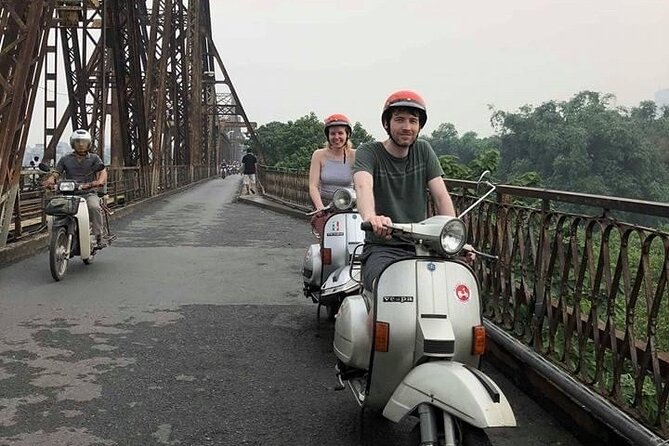
A vintage Vespa tour works when two things click: safety and pacing. This one starts with a short safety briefing, then you ride with “safe riders,” guided and organized by an English-speaking team.
The practical benefit is that you can cover a lot of Hanoi without feeling like you’re sprinting between stops. With a small group (max 12), you’re not getting churned like a factory line. Pickup and drop-off at your hotel also saves time, which matters in Hanoi where traffic can turn “short rides” into longer ones.
Two more useful details: the tour includes private transportation, and it includes the in-stop time that lets you actually look around. That matters at places like zigzag alley areas and small markets, where you need a few minutes to take it in, not just pass by while your phone runs out of battery.
One consideration: you’ll be on the road and you’ll also do some walking later. If you’re not comfortable with that kind of active pacing, you should think twice before booking.
From St. Joseph’s Cathedral to the flea market realness
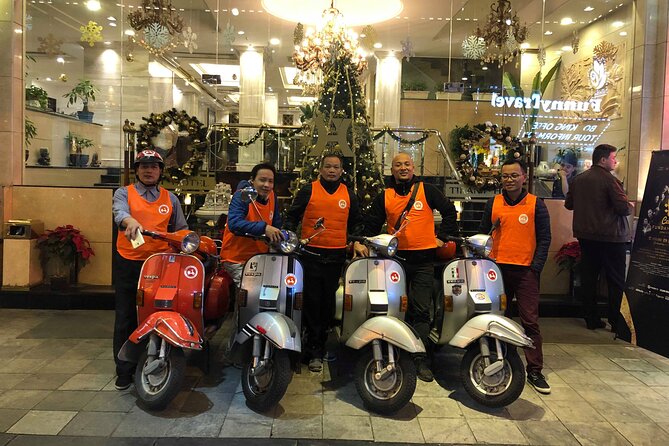
You start at St. Joseph’s Cathedral, in Hoàn Kiếm district, a neo-Gothic Roman Catholic church that’s described as the oldest Roman Catholic church in Hanoi and the headquarters of the Roman Catholic Archdiocese. It’s modeled after Notre Dame in Paris, and it’s one of the most striking colonial-era landmarks in the city.
The stop is about 20 minutes with admission included. This is a smart way to start because it sets a “big landmarks, different era” tone early, without turning your morning into a museum day. Even if you’re not a church person, it’s a strong visual contrast when you immediately shift back into streets that look nothing like a postcard.
Then the tour heads toward Phố Chùa Vua, the flea market area near Nguyen Cong Tru old apartment buildings. You walk around and see hundreds of mechanic accessory stores. The tour framing here is that the flea market grew from a time when government supply wasn’t always enough. People needed a way to find parts and products to keep life running, so the market developed into a practical solution.
That makes this stop feel less like shopping tourism and more like a window into how households dealt with daily needs. It’s also free to enter, and it stays short, about 20 minutes, so you get the texture without getting trapped in endless browsing.
A small drawback to know: flea market areas can be crowded and a little chaotic. Bring patience. Look with your eyes first, then decide what you want to photograph or buy.
Long Bien Bridge and Banana Island’s human contrast
Next up is Long Bien Bridge, described as built by the French company Daydé and Pillé in 1898. From there, you get an overlook of the Red River before moving toward Banana Island.
Banana Island is where the tour really changes gears. You do a 1.5 km walk through farming activity, a floating village feel, an outdoor gym, and river beach areas. The walk time is about 1 hour total for this segment, and admission is included.
What makes it special is the focus on the living structure of the place. Instead of treating it like scenery, the tour includes interaction with an 86-year-old elderly couple who live in a tiny floating house. That direct human contact is the kind of moment that doesn’t show up on most standard tours because it depends on the route and the time you’re willing to spend.
The tour’s own framing highlights the contrast between wealth and hardship in Hanoi. Even if you’re not trying to make it emotional, it lands because you can see how people carve out daily life on the water, and you can see how different their reality is from the city-center image most people start with.
Consideration: this part includes walking. Wear comfortable shoes, and plan your energy for the halfway stretch of the tour.
B-52 Lake, mosaic wall views, and Ngọc Hà zigzag alleys
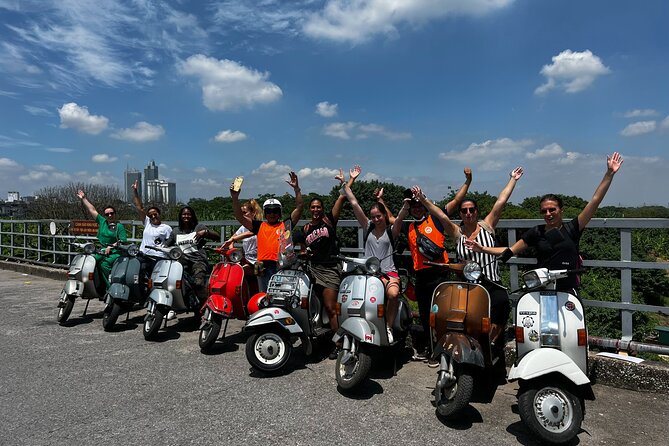
After Banana Island, you’re back on the road for more city glances, including the world Guinness record mosaic wall and a romantic West Lake view. Then you reach Huu Tiep Lake and the Downed B-52 site area.
This stop ties into the December 1972 bombing of Hanoi. You’ll stop to see the B-52 Lake, where the body of a US aircraft is on display. Admission is included, and the segment is about 30 minutes.
This is the tour’s most serious section. You go from market life and river routines to something that forces a pause. If you prefer your sightseeing light and playful only, you might find this part heavier than the train street fun later. Still, it’s valuable because it adds context to why certain places look the way they do today.
Then there’s also a side of street texture: the zigzag alleys of Ngọc Hà village. Those tight lanes are exactly the kind of area where Vespa rides help you move with less effort than walking the whole way. They also offer a quick sense of how neighborhood streets shape daily movement.
What to watch for: don’t rush through this stop. Even if you’re only there for half an hour, take a minute to let the visual context register before you move on.
More Hanoi tours and experiences for the shortlist





Train Street on Duờng Tau: the timing matters
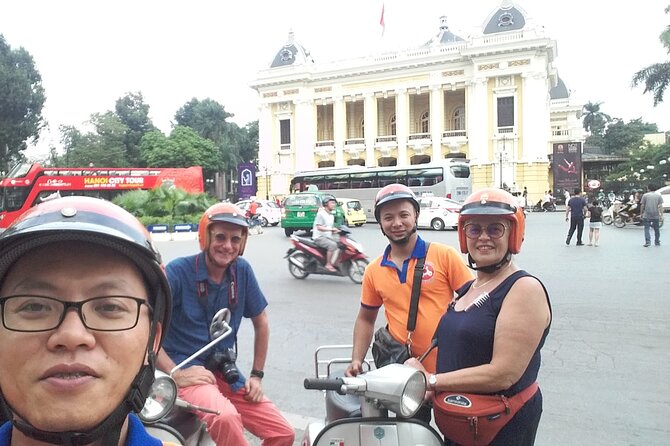
The most discussed moment on this tour is the Hanoi Train Street on Duờng Tau. You get about 30 minutes here with admission included.
The practical detail that makes this more than just a risky dare is the tour’s safety approach. Some parts of the train street are temporarily closed by local government for safety, but the guide knows exactly when and where the train will appear in a safer way. You’ll walk along the railway and see houses built just centimeters away from the track. Then you enjoy a drink while waiting for the train pass the alley.
That “wait with a drink” part matters. It’s easy to make train-street moments feel like constant sprinting, but here the timing is treated like a lived routine. You get to stand with locals in a real street setting, rather than just watching from a distance.
One consideration: expect noise, tight spacing, and a little intensity. This isn’t a quiet nature walk.
Lunch at a local spot inside Hanoi train station
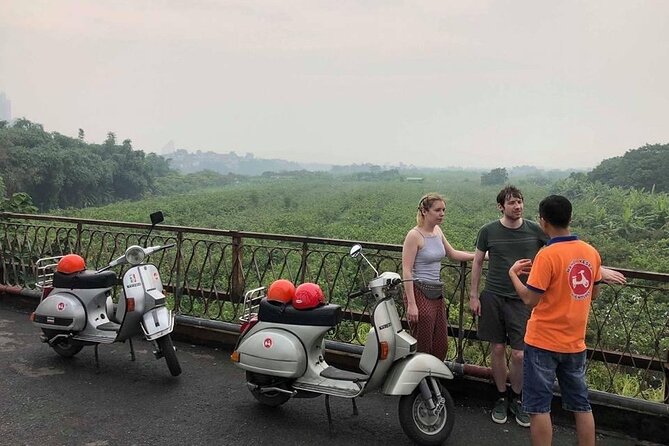
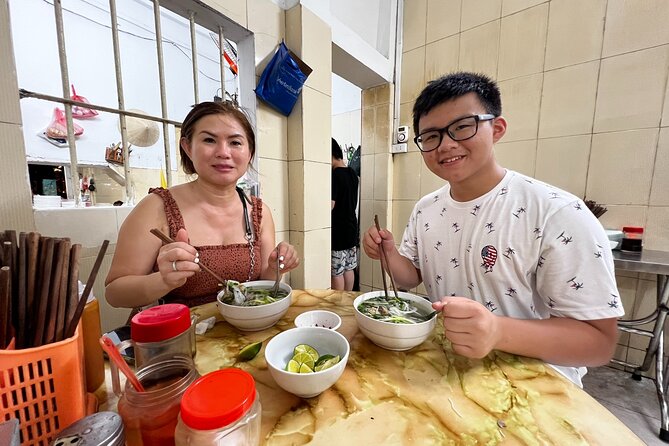
The tour finishes with lunch inside a truly local Vietnamese restaurant that’s located within Hanoi train station. You’ll have about 30 minutes here, and lunch is included.
Ending with food is a smart move. You’re not just done with the day once you leave the station area. You’re done in a place that already feels like part of the city’s daily motion. It’s also a good way to refuel after the Vespa rides and the longer walking segment.
The tour describes the lunch as cozy and focused on the essence of Vietnamese cuisine. The exact dishes aren’t listed, so you should plan for a typical Vietnamese lunch style rather than a specific menu item.
If you have dietary restrictions, you should check directly with the operator when booking, since only lunch inclusion is stated and not special meals.
Price and value: what $57.60 includes and why it adds up
At $57.60 per person for about 4 hours, the value comes from what’s bundled, not just the scooter ride.
You’re paying for:
- a private pickup and drop-off at your hotel
- an English-speaking guide
- vintage Vespa transport with safe riders
- lunch included
- all fees and taxes
- admission tickets where listed, plus the flea market area entry being free
Add that up and it’s closer to a “guided day” package than a simple street ride. If you tried to recreate this on your own, you’d still need transportation, a guide for context, and tickets for some stops, plus the time to figure out how to safely approach train street moments.
Two things to remember so you don’t feel surprised:
- tip is not included
- personal expenses are not included
So budget a little extra for tipping and anything you buy at markets.
Who should book this Vespa back streets tour
This tour is a strong fit if you want:
- a fast, street-level way to see Hanoi beyond the main loops
- a mix of food, culture, and local life scenes
- photo-worthy stops that also come with context, like B-52 Lake and Train Street
- a small-group experience, max 12 people, with English support
It’s also a good match for people who enjoy variety in one half-day: cathedral landmark views, flea market life, river neighborhoods, and then the train street.
Consider skipping or choosing a gentler alternative if:
- you know the walking on Banana Island (1.5 km) will be uncomfortable for you
- you want only quiet, low-activity sightseeing
- weather is unstable during your visit, since the experience requires good weather
Should you book it?
I’d book this tour if your Hanoi plan needs one “organized but real” street experience. It’s exactly the kind of day that helps you understand how Hanoi moves, not just what it looks like.
To make it go smoothly, pick the time slot that best matches your energy. If you’re fresh in the morning, the 8:30 start can feel more natural. If you want the afternoon for flexibility, the 13:00 option works too. Either way, plan for good weather and keep a small budget for tips.
Also, if Train Street is on your must-see list, this tour is attractive because it approaches timing and safety in a practical way, not just a thrill.
FAQ
What are the tour times?
The tour runs in two options, about 4 hours each: 8:30 to 12:30 in the morning, or 13:00 to 17:00 in the afternoon.
How much does the Hanoi Back Streets Vespa Tour cost?
It costs $57.60 per person.
Is hotel pickup and drop-off included?
Yes. Pickup and drop-off are included, and you can provide your hotel name and address for the driver to collect you.
How many people are in the group?
The tour has a maximum of 12 travelers.
What’s included in the price?
Included items are private transportation, all fees and taxes, an English-speaking guide, pickup and drop-off at your hotel, vintage Vespa with safe riders, and lunch. Admission tickets are included at the listed stops.
Is Train Street included, and is it safe?
Yes. You’ll visit Hanoi Train Street on Duờng Tau, and the guide follows a timing approach designed to fit safety needs, since some parts of Train Street can be temporarily closed.
Where do you have lunch?
Lunch is at a truly local Vietnamese restaurant located inside Hanoi train station.
Can I get a full refund if plans change?
Yes, free cancellation is available. For a full refund, you must cancel at least 24 hours before the experience’s start time.
What if weather is poor?
The tour requires good weather. If it’s canceled due to poor weather, you’ll be offered a different date or a full refund.
More Food & Drink Experiences in Hanoi
More Tours in Hanoi
- Ninh Binh Full-Day Tour from Hanoi to Hoa Lu, Tam Coc & Mua Cave Via Boat & Bike
★ 5.0 · 4,384 reviews


More Tour Reviews in Hanoi

Not for you? Here's more nearby things to do in Hanoi we have reviewed








More Hanoi City Tours to consider.
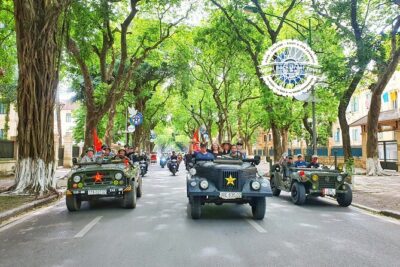 ★ 5.0Hanoi Jeep Tour: Food, Culture and Fun by Vietnam Army JeepTickets from $5515,222 traveller reviews
 ★ 5.0Full-Day Ninh Binh Highlights Tour from HanoiTickets from $797,761 traveller reviews
 ★ 4.7Ha Long Bay Day Cruise – Swimming, Meal, KayakingTickets from $417,415 traveller reviews
 ★ 4.6Water Puppet Show TicketsTickets from $77,029 traveller reviews
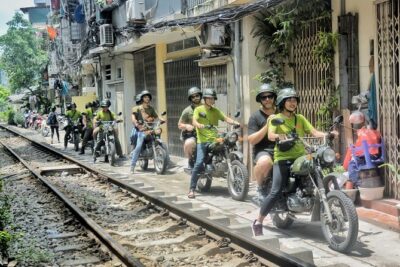 ★ 5.0Hanoi Motorbike Tour: Food, Culture and Fun by Vintage MotorbikeTickets from $556,699 traveller reviews
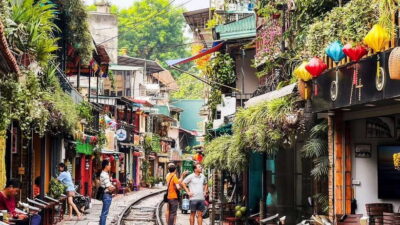 ★ 4.9Guided Food Tour with Train Street VisitTickets from $196,239 traveller reviews
 ★ 5.0Hanoi Cooking Class: Culture, Local Market & Meaning CSR ImpactTickets from $395,147 traveller reviews
 ★ 5.05 Traditional Dishes Hanoi Cooking Class with Market TripTickets from $354,890 traveller reviews
More useful Hanoi routes