
Review · HIKING & TREKKING
Trekking 1 circle the local village to admire Muong Hoa valley
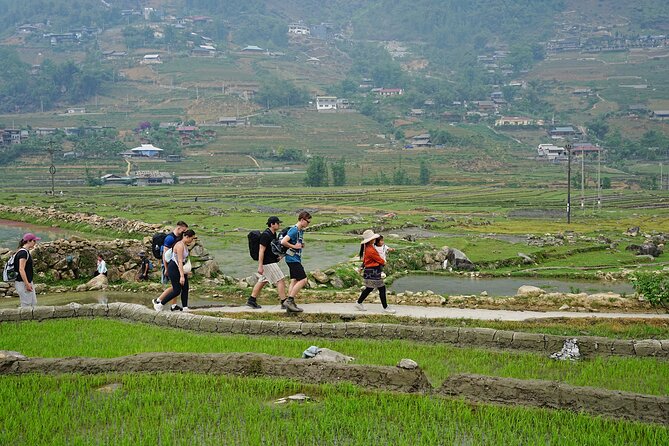
Rice terraces and quiet village trails in Sapa. This 2-day trek takes you off the main roads to see Muong Hoa valley from scenic paths and a strong panoramic viewpoint.
I really like how the route mixes mountain walking with “big sky” lookout time, so you feel the scale of the area instead of just passing through villages. There is also a sense of calm, because the trail goes where daily life happens, not where town crowds hang out.
The second thing I like: the itinerary builds in real cultural contact, with village visits across different minority groups and an overnight homestay in Su Pan. You get to see stilt houses, rice fields, and try local food, which is the part that usually makes a Sapa trek memorable.
One consideration before you book: this is hiking country. With down-and-up walking between villages, you will want good shoes and the stamina for uneven paths that can feel long, especially after a full first day.
Key highlights at a glance
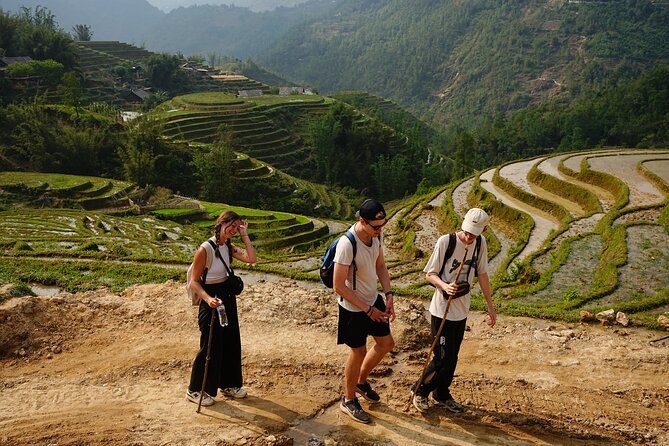
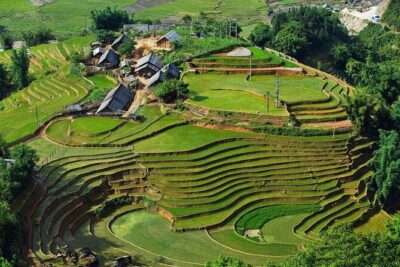
- Muong Hoa valley viewpoints with wide views toward Sapa town and terraced rice fields
- Ethnic variety along the trail including Black H’Mong in Hang Da and Lao Chai, Red Dao in Giang Ta Chai, and Giáy in Ta Van
- Su Pan homestay night for local food and a slower pace away from town
- Guided village walking on local paths that helps you see the valley without just riding through it
- Pickup in Sapa town plus a mobile ticket for an easier start, with free admission tickets listed
Why this Muong Hoa circle trek feels different from a quick Sapa tour
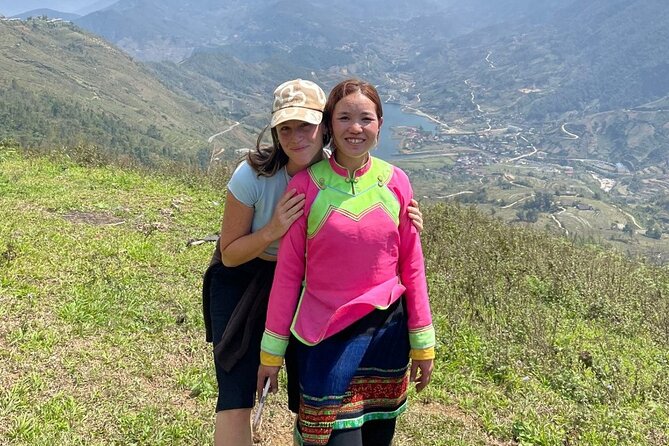
Sapa is famous for its terraces and mountain views, but the “good” trekking trips do one extra thing. They connect the scenery to people and daily routines. That is what makes this Muong Hoa village circuit style route work.
You start in Sapa town, then gradually trade the city view for ridge walks and valley paths. Instead of hopping between viewpoints only, you spend time moving through working areas where rice fields, small roads, and village clusters shape what you see. The payoff is that the valley looks different as you change elevation, and the villages feel less like photos and more like lived places.
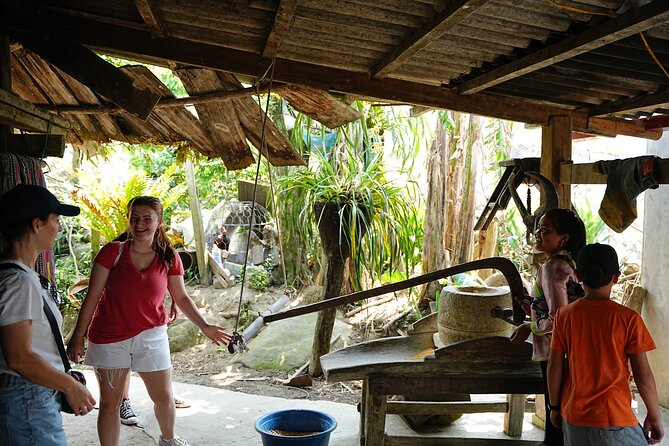
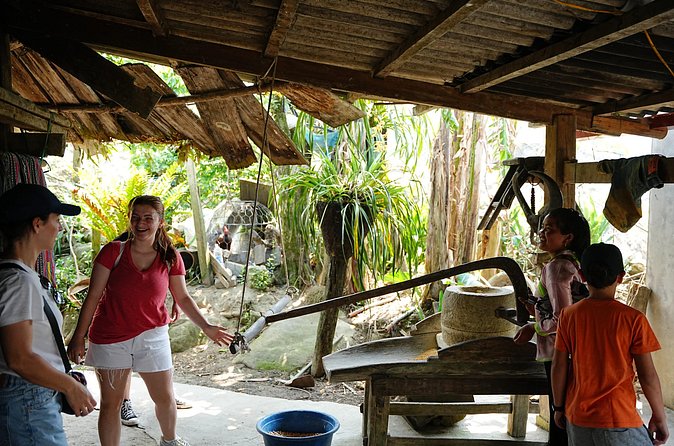
I also like that the experience has clear cultural targets, not just random stops. You visit Black H’Mong, Red Dao, and Giáy communities, so you see how clothing styles, village layout, and daily work can vary even though everything sits inside the same wider Sapa region.
You can also read our reviews of more hiking tours in Sapa
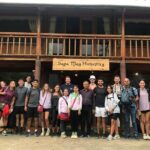
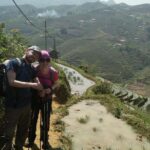
Day 1: Sapa to Hang Da, Hau Thao, then Su Pan homestay
Day 1 is designed to ease you into trekking while still stacking up variety. You begin with pickup from hotels in Sapa town around the 8:00 to 8:30 window, then start walking soon after. This matters because a slow start gives you time to get your bearings, tighten shoelaces, and get comfortable with the rhythm of the trail.
Stop 1, Sapa: getting on the trail early
Leaving around morning hours helps in two ways. The light is often kinder for photos, and the valley usually feels calmer before the day peaks. You also get a short intro from your guide before you head out, which can help you understand what you are about to see, especially if it is your first Sapa trek.
Stop 2, Hang Da village: Black H’Mong life along the mountainside
By late morning you reach Hang Da village, home of the Black H’Mong people. The walk here is part of the show. You follow mountainside trails down toward the village, and the descent tends to create those “layered” views where terraces appear in bands across the slopes.
At the village, plan to take your time. Even if the area is familiar to Sapa visitors, the most rewarding moment is usually when you slow down and observe how people move through their day, not when you rush for the next photo. This stop is about connecting the scenery to a community that has lived in the area for generations.
Stop 3, Hau Thao: rice fields and traditional houses
After lunch, the route continues to Hau Thao village. This is where the trekking feels more like a countryside stroll between viewpoints, because you head along smaller roads and see rice fields closer up. The village setting is described with traditional houses, and it is a good moment to reset before the overnight.
One practical tip: bring a layer. Village walks often mean you move from sun to shade, and mountain air can turn cool quickly in the afternoon.
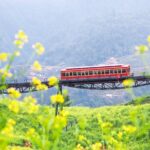
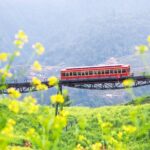

Stop 4, Su Pan village: the homestay night that changes the whole trip
You finish Day 1 by heading to Su Pan and spending one night at a local homestay. This is a big deal. A single overnight shifts the feel of the trip from sightseeing to rhythm. You get local food, a quieter atmosphere, and time to experience the village outside daylight walking hours.
If you care about authentic travel, the homestay is where you get the most value per minute. The scenery is great, but the overnight is what helps you understand how the valley lives, not only how it looks.
A note on expectations: homestays can vary. The itinerary clearly says one night in a local village, plus local food, but it does not spell out room style or amenities. Plan for simple comfort and focus on the experience, not hotel standards.
Day 2: Giang Ta Chai, Ta Van terraces, then Lao Chai back to Sapa
Day 2 keeps the cultural thread but shifts more time toward classic Muong Hoa views. After breakfast at the homestay, you head out again with the morning trek.
Stop 1, Giang Ta Chai village: Red Dao in the morning air
Around 8:30 to 9:00 you start toward Giang Ta Chai, known as a Red Dao village. This early part of the day can feel refreshing because your legs are warmed up, and the valley is often at its most “open” visually.
A good way to enjoy Giang Ta Chai is to slow your pace just a bit. Look at how the village sits in relation to the rice terraces and paths around it. That small habit turns a village visit from a checklist item into a sense-making moment.
Stop 2, Ta Van village: big rice terraces and meeting the Giáy people
Next you walk to Ta Van village, highlighted for large rice terraces and interaction with the Giáy community. This is a strong spot for views, but it is also about people. The itinerary emphasizes meeting and learning through traditional village life.
Ta Van is one of those places where terraces can look almost unreal, but the best photos usually happen when you pause and let your guide position you along the path. Don’t run straight to the busiest area. Walk a little farther, look for where the terraces open up, then stop.
Stop 3, Lao Chai: Black H’Mong valley views and the bridge into Muong Hoa
Late in the day you continue to Lao Chai. The description notes it as a large Black H’Mong village and includes crossing a small bridge to enter the Muong Hoa valley. That kind of “threshold” moment is more than scenic. It signals the next phase of the day, where the valley broadens and the final big views start to land.
This is also the longest stretch where your attention matters. By midday you have already seen multiple villages, so the way to keep it satisfying is to focus on how each place differs: terrace shapes, house placement, and how paths funnel people through the valley.
Stop 4, back to Sapa: optional herbal bath after the trek
You finish around 15:00 at the center of Lao Chai, then return by car to Sapa. The itinerary adds that once you are back in town, you can try an herbal bath to relax after trekking.
Think of this as a nice add-on, not a guaranteed included service. If you want it, plan time in your schedule and treat it like a post-trek treat.
What the route actually teaches you about Sapa’s “valley logic”
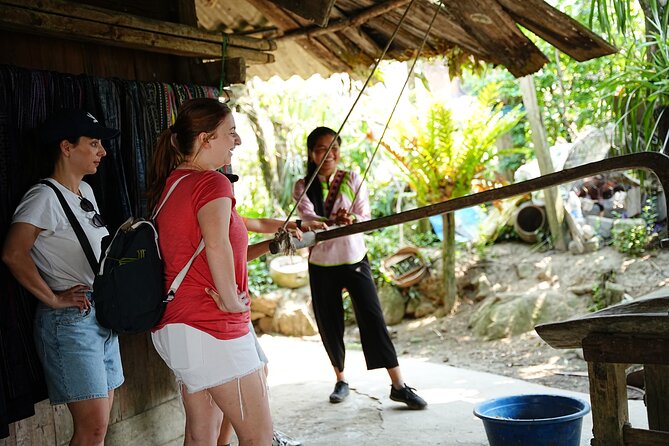
A lot of Sapa day trips show you pretty spots but never explain the place. This trek helps you understand how the valley works, because you move through it the way locals do.
You see how rice terracing follows the slopes, not flat land. You notice that villages cluster where paths connect, and homes sit where daily work and movement make sense. You also get different cultural “chapters” across the same broader geography, which helps you avoid the common mistake of treating all minority communities as the same.
The other big teaching moment is pacing. Two days on village paths gives you time to feel changes in light, temperature, and trail steepness. By the end, you are not just looking at mountains. You are reading them.
That is why the “circle the local village” idea is valuable. A loop-style feel means you are less likely to feel like you are repeating the same view from one angle. The valley shows up differently as you progress.
Price and logistics for about $85: where the value really comes from
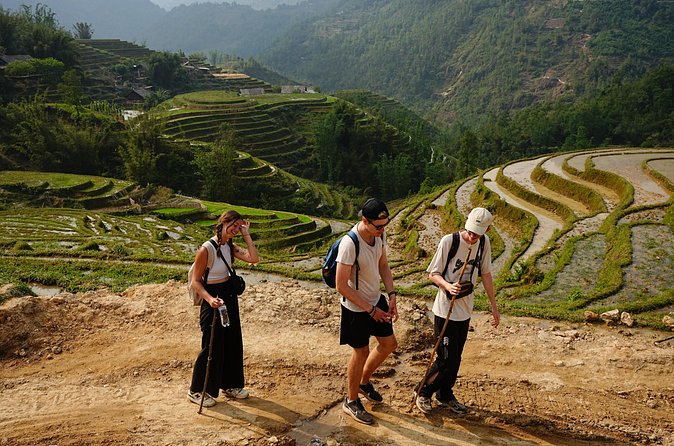
The listed price is $85 per person for about 2 days. On paper, that is a lot less than a private driver plus separate trekking guides, and it includes elements that normally cost extra in Sapa.
Here is what makes the value practical, based on what is included in the plan:
- Pickup offered in Sapa town, so you do not scramble to meet transport
- Group discounts are mentioned, which can reduce the cost if you are traveling with others
- Mobile ticket for simpler entry and fewer paper hassles
- Free admission tickets listed for the stops on the itinerary
- One night in a local homestay in Su Pan, which usually is a major expense on similar cultural treks
- Lunch provided, and the portions are noted as generous in past experiences
The honest way to judge value is not just the number. It is the mix of walking time, village access, and the overnight stay. If you only want a couple hours of scenery, you may find this too much. If you want real trekking plus a cultural night, the price feels more reasonable.
One more logistics note: the experience is described as a private tour/activity, meaning only your group participates. That typically makes it easier to keep a comfortable pace for your group and ask questions without feeling like you are part of a crowd.
The realistic rhythm: walking days, village time, and where you might feel it
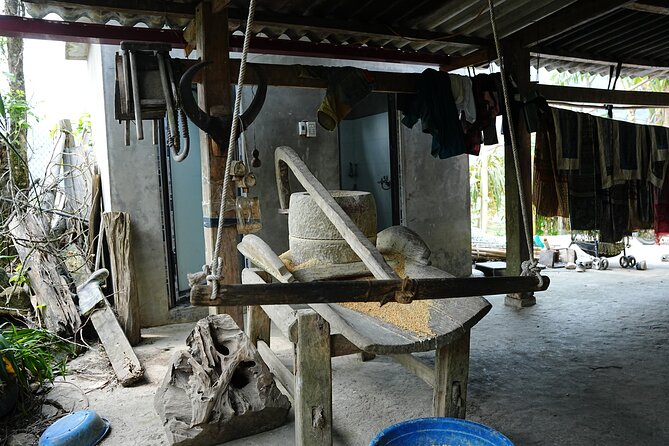
The itinerary spreads trekking across both days, with multiple stops and travel segments between villages. You start early on Day 1, visit Hang Da and Hau Thao, then finish with the Su Pan homestay night. Day 2 starts at the homestay with breakfast, then moves through Giang Ta Chai and Ta Van before ending in Lao Chai and returning to Sapa.
That structure means you should expect:
- A “full day” feel both days, not a short walk
- Enough village time to meet people and look around, but not endless free time
- A schedule that moves forward even if you want to linger, because you still have to reach the next village and return
If you are the type who hates feeling rushed, you can still enjoy this by building in small pauses where you naturally stop for viewpoints and photos. A good trekking guide will also help you control your own tempo, but you will still be moving day-to-day.
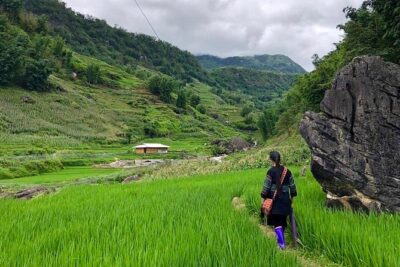
And because the route includes rice fields, small roads, and bridges, it can be slippery. Wear shoes you trust on uneven ground. Bring a light rain layer if the weather turns.
Who should book this trek, and who should choose differently
This is a strong match if you want:
- Trekking for views across the Muong Hoa valley, not just a quick photo stop
- Ethnic village contact across multiple communities, including Black H’Mong, Red Dao, and Giáy areas
- A chance to spend time in a local homestay for food and atmosphere
- A guided route that reduces decision fatigue in a region where trails can feel confusing
It may not be the best choice if:
- You want mostly flat walking and easy paths
- You dislike overnight homestays and would rather stay in a hotel the whole time
- Your day-trip plan includes a lot of other activities right after trekking, because you will likely be tired by the end of Day 2
Should you book this Sapa Muong Hoa circle trek?
Yes, if you want your Sapa experience to be more than a cable car view and a quick market walk. This route is built around valley panoramas, village-to-village trekking, and a homestay night in Su Pan, which together create the kind of trip that stays with you.
Book it confidently if you like structured days with a local guide, value free admission stops, and want your money to go toward real experiences rather than just transport. If you are unsure, be honest about your hiking comfort. This trek is active, and good footwear is not optional.
If that sounds like your kind of trip, Saparis Horizon Travel’s Sapa village circle trek is a smart way to see Muong Hoa with your feet, not only your eyes.
FAQ
How long is the Muong Hoa village trek?
It runs for about 2 days.
How much does the tour cost?
The price is $85.00 per person.
Is pickup provided in Sapa town?
Yes, pickup is offered from accommodations in Sapa town.
Does the tour include an overnight homestay?
Yes. You stay 1 night at a local homestay in Su Pan village.
Is this tour private or shared?
This is described as private, with only your group participating.
Can I cancel for a full refund?
Yes. Free cancellation is offered, and you can cancel up to 24 hours in advance for a full refund.
More Hiking & Trekking Tours in Sapa

More Tour Reviews in Sapa
Not for you? Here's more nearby things to do in Sapa we have reviewed





More Hiking & Trekking to consider.
 ★ 5.0Halong Bay Full Day with Kayaking, Hiking viewpoint, Cave – Deluxe To LuxuryTickets from $38884 traveller reviews
 ★ 4.6Sa Pa: Muong Hoa Valley Trek and Local Ethnic VillagesTickets from $23864 traveller reviews
 ★ 4.8From Hanoi: 2-Day Sapa Trekking Trip with Homestay & MealsTickets from $71704 traveller reviews
 ★ 5.0Sapa 3 Days 2 Nights Trekking Tour (1 Night In Ta Van Village, 1 Night In Hotel)Tickets from $139699 traveller reviews
 ★ 4.9Sapa: Eco Adventure Terrace Fields and Local Villages TrekTickets from $27636 traveller reviews
 ★ 5.03-Day Trekking Adventure of Sapa from Hanoi – Stay Ta Van VillageTickets from $109611 traveller reviews
3D and 2N Lan Ha Bay Cat Ba Island Kayaking & Trekking with VegaTickets from $365593 traveller reviews
 ★ 5.0Number one top rated ethical cultural trekking and homestay by ETHOSTickets from $93456 traveller reviews
More useful Hanoi routes