
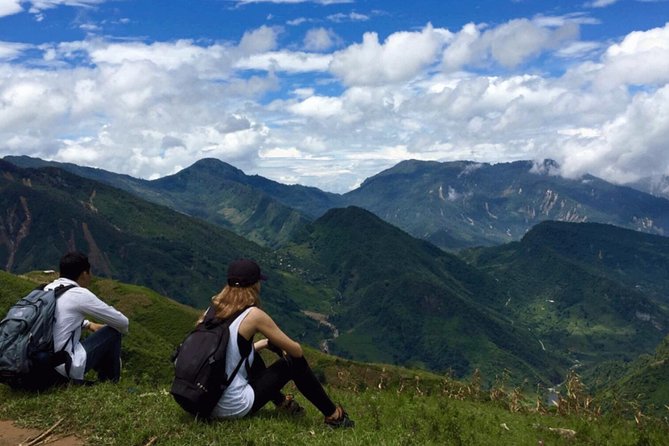
Review · SAPA TREKKING TOURS
The best view and most authentic tour in Sapa (Non Touristy)
Sapa can feel like a stampede. This one is calmer, with non-touristy trails and a day that mixes walking with river time. I love that you get paddleboards provided and bottled water included, and the whole experience is priced as a value day (not a souvenir-factory day), but do note it asks for moderate physical fitness and runs around 6 to 7 hours.
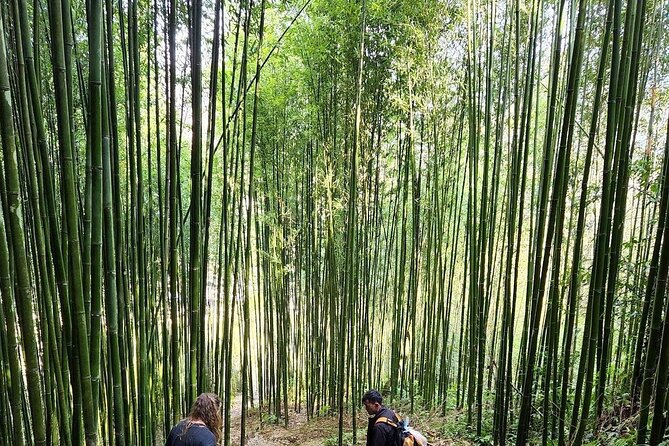
The day takes you into minority village life, not just viewpoint hopping. You’ll start in rice paddy scenery tied to traditional crafts, including Hmong hemp and indigo weaving, then move through bamboo and valley viewpoints with an English-speaking guide.
By late day, you shift gears to the Cai River at sunset. Beginners get instruction before they paddle more freely, and the small-group feel keeps the rhythm easy. If you hate being on your feet early, that 8:30 am start might be your only real snag.
Key things to know before you go
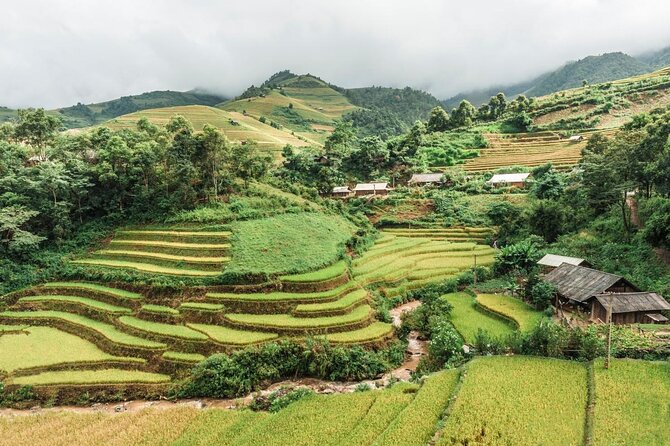
- Two-part day: village trekking plus sunset paddleboarding on the Cai River
- Beginner-friendly setup: lesson first, then freer paddling once you feel steady
- Included essentials: lunch plus 1 liter of water per person
- Culture through daily life: Hmong and Dzao villages, including craft traditions tied to hemp and indigo
- Value for money: car transport following the program and entrance fees included in the price
Why this Sapa day feels less tourist-charged
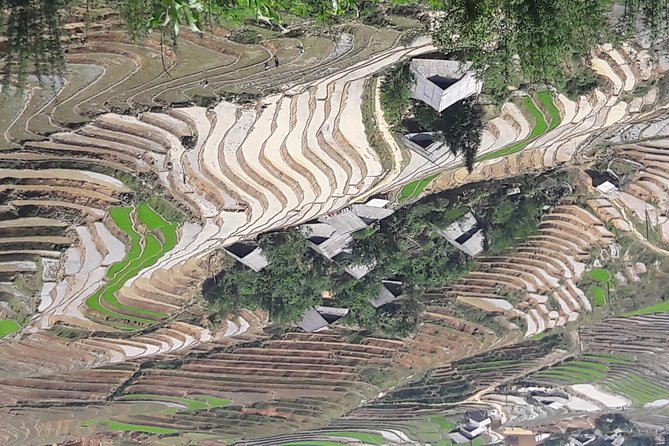
If you’ve been to Sapa before, you already know the pattern. Big stops, big crowds, lots of photos from the same angles. This experience works because it slows you down and builds the story step by step: village paths first, river time later, so you get different kinds of scenery without feeling like a checklist.
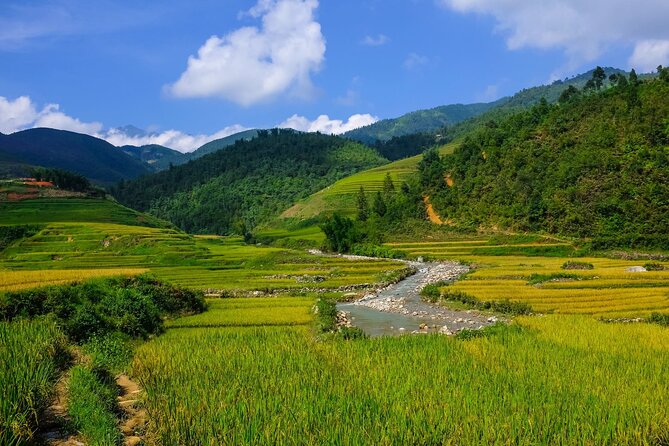
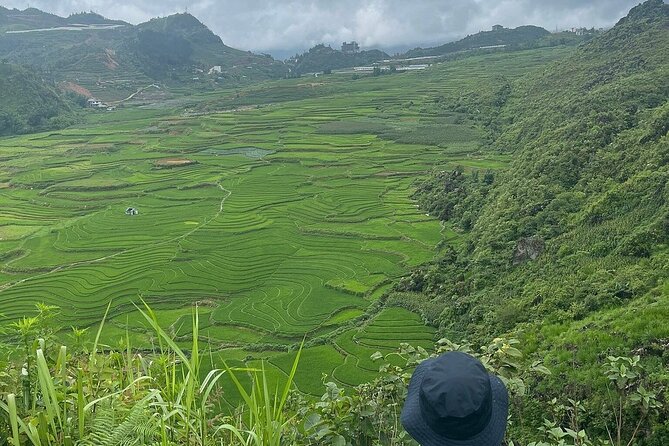
The trekking portion focuses on peaceful valley trails and village visits with minority groups, including Hmong and Dzao communities. That matters, because it shifts the day from viewpoint tourism to real human routines: farming scenes, homes, and the daily rhythm of living in a highland valley. You also tend to see fewer people on the paths, which makes the views feel more like yours.
Then you end with paddleboarding at sunset on the Cai River. It’s a contrast that keeps the day from blurring together. Walking gives you perspective. Paddling gives you quiet. And sunset on the river is a simple payoff that doesn’t require you to “earn” it by climbing another hill.
You can also read our reviews of more tours and experiences in Sapa.
Price and what you get for $52
At $52 per person for a 6 to 7 hour experience, the best way to judge value is what’s packed into that price.
You’re not just paying for a guide and a viewpoint. You also get:
- an English-speaking guide
- lunch
- entrance fees
- car transport following the program
- 1 liter of water per person
- paddleboards provided for the river segment
When these basics are included, you stop doing the math mid-trip. Less chasing down small costs means you can focus on the day itself. Also, the experience is described as small group, and the additional info says it’s effectively private in the sense that only your group participates. That usually means less crowding at key moments.
There’s one cost you should mentally reserve: tipping. Tips and personal expenses are not included, and you’ll also want basic travel insurance in general (not covered).
My practical takeaway: for Sapa, a set price that includes lunch, transport, and water tends to feel fair, especially when the day includes two activities.
Morning trekking: Giang Cha, rice paddies, and hemp and indigo
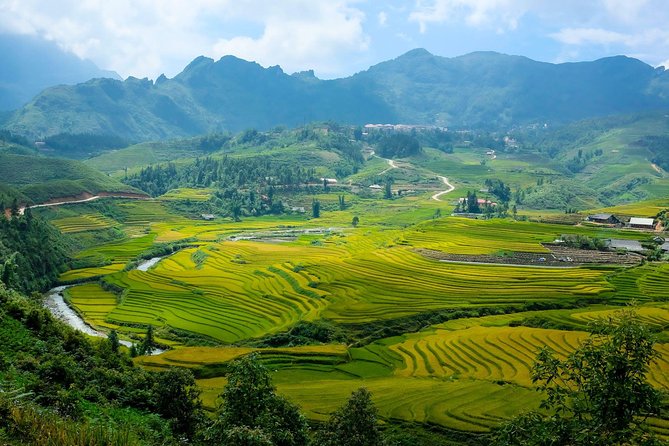
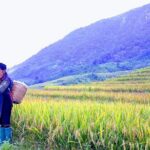
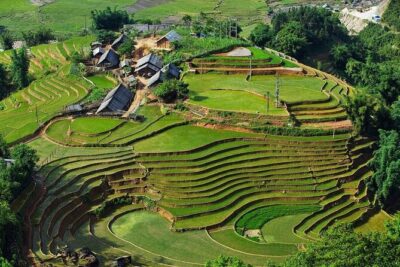
Your day starts with a car transfer to Giang Cha village, an area associated with Hmong ethnic life. The scenery here is built on rice paddy fields, and that’s not just pretty. Rice terraces and paddies are a working landscape, tied to seasons and planting schedules. You’re seeing the setting people live and work in, not only the stage.
One of the most interesting details you get is the tradition of Hmong weavers who use traditional techniques to craft hemp and indigo. Even if you aren’t buying anything, seeing the process conceptually helps you connect clothes you might recognize in Sapa with the people who make them. Indigo dye, in particular, has a story tied to materials and time. That kind of cultural context makes village visits feel more grounded.
From Giang Cha, the trek moves through changing scenery:
- crossing corn and rice terraces
- passing through bamboo jungle with valley panoramas
- visiting Hmong and local houses to explore daily life
This is also where the “non-touristy” claim becomes practical. The day isn’t described as hopping between commercial stops. Instead, it’s about trekking on calm trails and seeing daily routines along the way.
What to consider: this is not a flat, stroll-only walk. The itinerary includes uphill trekking later, and you should have moderate physical fitness. If you know your legs get angry after 45 minutes, this will still be doable, but you’ll need a steady pace and realistic expectations.
The uphill rhythm toward Suoi Thau and Ta Phin valley views
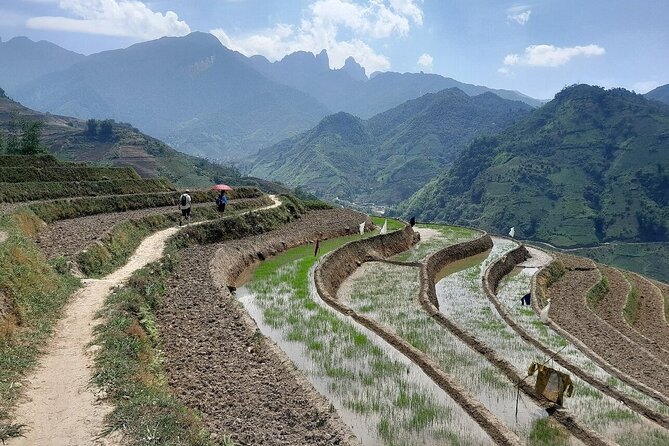
After the Hmong portion, the trek continues up toward Suoi Thau village, associated with the Dzao ethnic community. The shift in scenery and village setting is part of why the trek works as more than just “some walking in Sapa.”
The itinerary highlights panoramic views of Ta Phin valley from this upper area. Even when you don’t have time for long photo sessions, viewpoints that open out give your brain a reset after village time. You move from close, human-scale details to wide, valley scale views.
There is also a theme of culture and daily life in the wording around this stretch. You’ll explore houses and daily living, not just stand at the edge of a viewpoint. That’s a big deal for authenticity. The difference between a quick photo stop and a meaningful visit is whether you get to observe how people live, not just how the scenery looks.
A practical note: uphill sections tend to be where the day either feels smooth or feels punishing. This experience is framed as suitable for people with moderate fitness, and that’s honest. Go into it with a slow-and-steady strategy. Let the guide set the pace, take breaks when offered, and keep your water habit consistent since the day includes trekking and river time later.
Sunset on the Cai River: paddleboarding for all levels
If trekking is your warm-up, paddleboarding is your reward. The tour includes a small group paddleboarding session on the Cai River during sunset hours. The boards are provided, so you’re not showing up with rented gear anxiety.
What I really like here is the skill structure. The experience is described as good for all levels, with a simple progression:
- Beginners get a lesson first.
- After you feel comfortable, you can explore more of the river on your own.
That approach matters. It’s easy to feel intimidated if you’ve never tried paddleboarding. A brief lesson reduces the panic factor and lets you spend the sunset actually enjoying the moment, not fighting balance.
The included bottled water is also a smart detail. River time sounds chill, but you still have sun exposure and physical effort. Having water waiting for you helps keep the experience comfortable.
Why sunset paddleboarding works in Sapa: it changes the tempo. On land, everything is about walking, elevation, and terraces. On the river, your body slows down while your eyes keep moving. You end the day in a way that feels different from another hike.
Heads up on what to expect: this is an outdoors activity. You’ll want to dress for cool-to-warm shifts as the sun goes down, and bring a practical attitude about splashes. The day is built for enjoyable movement, not competitive sport.
Guides that make it click: Mo and Toa in the mix
In Sapa, the guide can turn a good day into a great one. In this experience, the guide experience is part of what people praise.
Two names come up in the information you’re given: Mo and Toa. Both are described as engaging and informative, with guides sharing facts about life there and helping the day feel personal rather than scripted. When a guide can explain what you’re looking at, your photos improve, but more importantly, your understanding improves.
This also connects to the “authentic” feel. You don’t just pass through villages. You’re guided to notice things, like traditional weaving tied to hemp and indigo, and how daily life continues around farming and home routines.
Even if your guide isn’t named Mo or Toa, the format described is consistent: English-speaking guide plus guided cultural stops and a lesson for beginners on the river.
Group size, private setup, and the car transfer beat
One of the practical joys here is how the logistics are handled. There’s transport by car following the program, and the experience ends back at the meeting point. That reduces the stress of coordinating transfers after a long walk.
Also, the day is framed as small group, and the added detail says it’s private, meaning only your group participates. That typically translates to:
- less waiting on crowded trails
- fewer time gaps between participants during instructions
- a calmer feel at village stops
And a small-group day changes your experience in subtle ways. You’re more likely to hear explanations fully. You’re less likely to feel like you’re being pushed through. You also tend to get more flexibility for pacing.
The start time is 8:30 am. So yes, you’ll want a solid breakfast and a good night of sleep. A 6 to 7 hour day is long enough that energy management counts. This is not a half-day you can wing on caffeine only.
What to bring and how to plan your day
Since the itinerary includes trekking and then paddleboarding, pack for movement plus sun and water.
Keep it simple:
- Wear comfortable shoes for uneven trails.
- Bring a light layer for the cooler evening river air.
- Keep your essentials secure, since you’ll be on the water.
You’re already covered on a few key items:
- Paddleboard is provided
- Bottled water is included (plus 1 liter per person)
- Lunch is included
So you don’t need to bring a full picnic setup. But you should plan around the day structure: eat early, expect lunch later, and treat water breaks as part of the schedule.
Also, the meeting point is described as near public transportation, which can help if you’re staying somewhere without a car. Still, the tour itself includes car transport during the day.
If you’re the type who hates being late, aim to arrive a few minutes early. The schedule is tight because it has to fit both trekking and sunset paddling.
Who this is best for
This experience fits best if you want Sapa to feel more human and less factory-tour. It’s especially good if:
- you like cultural village visits with minority communities, not just scenic pulls
- you’re okay with a moderate fitness day that includes uphill sections
- you want something active that still feels peaceful, especially the sunset Cai River paddleboarding
- you prefer small groups and a guide that gives context
If you’re traveling with kids, this could be tricky unless the group is comfortable with trekking. The data only says moderate fitness, so I would treat it as a more adult-friendly outing unless the ages and physical comfort are clearly aligned.
If you have limited mobility or a condition that makes uphill effort hard, you might want a less physically demanding day. The trek portion is not framed as gentle.
Should you book this non-touristy Sapa trek and sunset paddleboard?
Book it if you want value plus variety, and if authenticity is your priority. The mix of village life around Hmong and Dzao communities and a sunset paddleboarding finale is a strong combo because it keeps the day from repeating the same kind of scenery.
I’d especially recommend it for first-timers who feel overwhelmed by standard Sapa routes. This format gives you craft context, daily life observations, and then a fun, beginner-friendly activity on the river. And with lunch plus water and entrance fees included, it’s one of those days where you feel taken care of without feeling nickeled and dimed.
Skip it or consider alternatives if you dislike long outdoor days, cannot handle moderate physical activity, or you want a purely low-effort sightseeing schedule. The 8:30 am start and trekking segments are central to the experience, not optional add-ons.
If you’re looking for the Sapa view that comes with fewer crowds and more meaning, this is a solid choice.
FAQ
What time does the tour start?
The start time is 8:30 am.
How long is the experience?
It runs about 6 to 7 hours.
What is included in the price?
Lunch, an English-speaking guide, entrance fees, car transport following the program, and 1 liter of water per person are included.
Are paddleboards provided, and is it beginner-friendly?
Yes, paddleboards are provided. Beginners receive a lesson first, then can explore more of the river once they feel comfortable.
Is the tour suitable for everyone physically?
It’s recommended for travelers with a moderate physical fitness level.
Can I cancel for free?
Yes. You can cancel up to 24 hours in advance for a full refund.
More Tours in Sapa
More Tour Reviews in Sapa
Not for you? Here's more nearby things to do in Sapa we have reviewed



More Sapa Trekking Tours to consider.
 ★ 5.0Sapa 2 Days 1 Night From Hanoi – Overnight in Ta Van VillageTickets from $592,669 traveller reviews
 ★ 5.0Hanoi – Sapa 2 Days 1 Night Overnight At HomestayTickets from $89899 traveller reviews
 ★ 4.6Sa Pa: Muong Hoa Valley Trek and Local Ethnic VillagesTickets from $23864 traveller reviews
 ★ 5.0Sapa: Fansipan Cable, Cat Cat Village & Moana Instagram TourTickets from $30777 traveller reviews
 ★ 4.8From Hanoi: 2-Day Sapa Trekking Trip with Homestay & MealsTickets from $71704 traveller reviews
 ★ 5.0Sapa 3 Days 2 Nights Trekking Tour (1 Night In Ta Van Village, 1 Night In Hotel)Tickets from $139699 traveller reviews
 ★ 4.9Sapa: Eco Adventure Terrace Fields and Local Villages TrekTickets from $27636 traveller reviews
 ★ 5.03-Day Trekking Adventure of Sapa from Hanoi – Stay Ta Van VillageTickets from $109611 traveller reviews
More useful Hanoi routes