
Review · SAPA TREKKING TOURS
Sapa Villages trekking and homestay 2 Days/ 1 night package tour: best selling
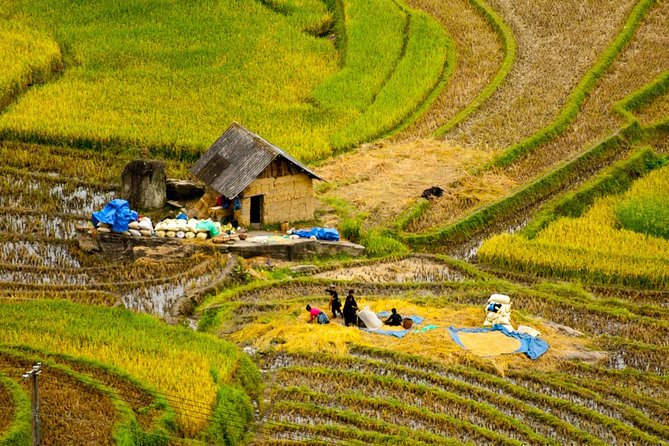
Two days in Sapa, and the trails deliver. This Sapa villages trekking and homestay package pairs village walks with a real overnight in a Ta Van rice terrace region home. You get guided time with local people, plus chances for photos along terrace paths that are said to be around 100 years old.
I especially like two things: the tour runs as a small group (max 15), so the guide can actually manage the pace, and your meals are fully covered, including dinner and shared cooking with a local family in the Giay village. The homestay setup also feels straightforward, with a private room in a local house rather than a big hotel bubble.
One consideration: this is not a super long, hard-core trek day after day. You will be walking several hours, but the experience is more about getting a cultural look at multiple villages than about deep, remote backcountry trekking. If you expect lots of independent English explanations on your own, plan to rely on the guide.
Key highlights worth knowing
- Max 15 people keeps the walk calm and helps you actually talk with the guide and locals
- Ta Van homestay dinner and cooking gives you hands-on culture, not just a pass-by photo stop
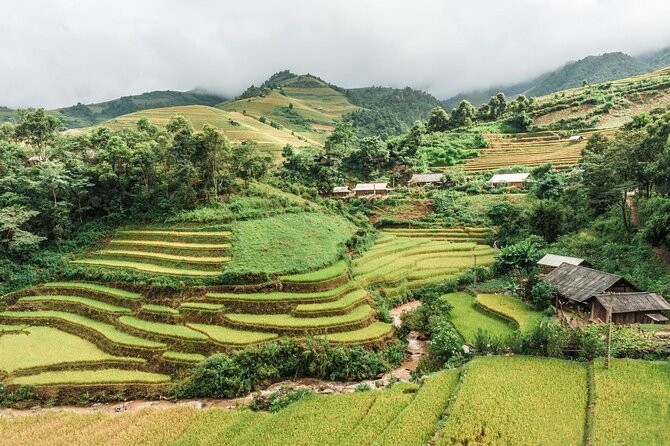
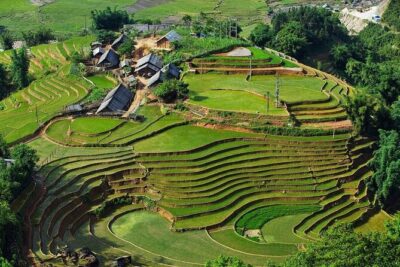
- Terraced fields around Y Linh Ho are a prime place for scenic shots and slow, easy pacing
- Bamboo forest and silk waterfall trek on Day 2 adds variety beyond rice terraces
- Lunches included, drinks not included so budget a little for bottled water and soft drinks
- Private room, shared bathroom is practical, but it is not hotel-level comfort
Meeting in Sapa at Delta Sapa Hotel (and what the timing means)
This tour starts with pickup from hotels in central Sapa, then you meet at Delta Sapa Hotel, on Ngõ Cầu Mây, with a start time around 1:00 PM. From there, you head to the office, have lunch at the hotel, and then the walking starts in the afternoon.
That timing matters because it puts the best part of your views in natural daylight. Sapa can be foggy, especially earlier in the day, and afternoon light tends to bring out the rice terraces better for photos. The schedule also gives you a buffer for orientation and getting your boots on before you hit the trails.
You will also want to plan for the reality of a mountain town: the tour is organized around short transfers and easy group coordination. The good news is that you do not spend your day waiting around in long logistics lines. You are walking, eating, and moving from village to village.
You can also read our reviews of more evening experiences in Sapa

Day 1: Y Linh Ho terraces, Lao Chai drinks break, and the Ta Van Giay family night
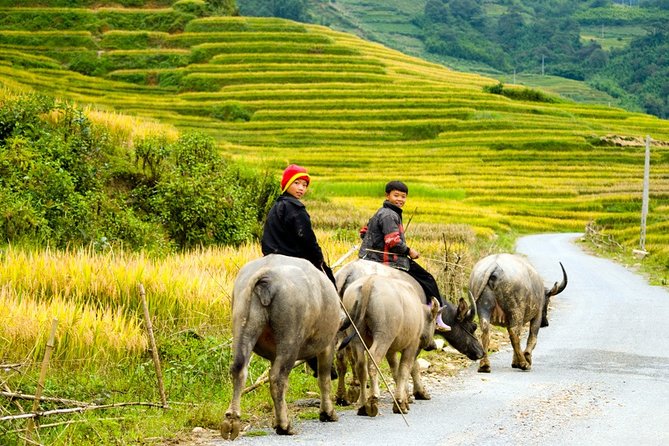
Day 1 is built around a classic Sapa route that blends Hmong communities with the Giay presence in the Ta Van area. After lunch, the group leaves around 2:30 PM and heads down toward Y Linh Ho, a village associated with the Hmong minority.
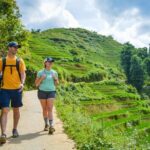
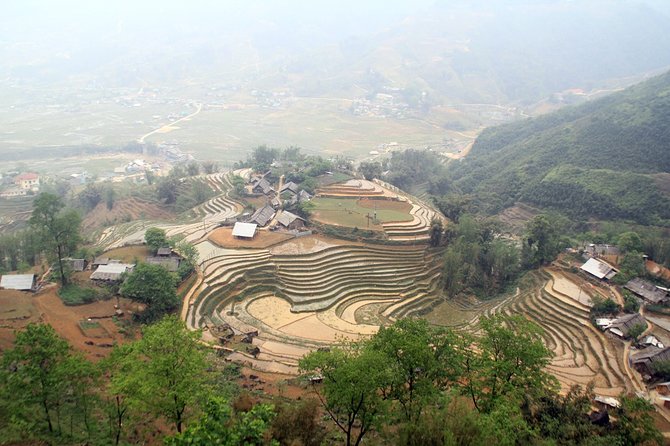
Y Linh Ho is where you will feel the scale of the terraces. The tour focuses on the hereditary terrace scenery, which is often described as being about 100 years old. For me, this is one of those places where you stop rushing. The best pictures usually come when you take 10 seconds to look first, then frame your shot.
Next comes Lao Chai, with a short break that includes drinks and views. This matters because Lao Chai is not just a viewpoint. It is also a reset point in the afternoon rhythm, so you can hydrate and adjust your pace before you continue.
Then you reach Ta Van, described as an established Hmong and Giay area. Here you are welcomed by a Giay family and stay the night in their homestay. That is the big difference between a typical village tour and a homestay trek: you are not just observing, you are part of the home routine for the evening.
You will have dinner with the family, and the experience includes cooking with locals. The exact flow can vary, but the point stays the same: you learn how daily food and community time work in a rural setting, not just what a dish is called. If you are shy, no problem. Your guide can help with simple questions, and you will usually find a way to communicate through the cooking steps themselves.
Day 1 runs roughly 7 hours, including time with the group, walking, and the homestay evening.
Ta Van homestay overnight: private room, shared bath, and morning farm sounds
Your overnight is in your own private room inside a local home. The setup is described as 2 to 3 people per room, with double or twin beds. Expect a public/shared bathroom, not a private ensuite.
Comfort here is more about function than luxury. You are in a working homestay, and that is part of why it feels real. Bring what you need for basic hygiene and be ready for simpler facilities than a city hotel.
One detail that sets expectations: you will likely wake to farm-life sounds, with a rooster or pigs mentioned as part of the morning atmosphere. If you are a light sleeper, you might want to pack earplugs.
The morning starts with breakfast outdoors, described as pancakes plus hot tea or hot coffee, followed by views across the terraces. This is one of the strongest parts of the whole experience, because the scenery is calmer in the morning and the rice fields feel less like a photo stop and more like a lived landscape.
Day 2: Bamboo forest, silk waterfall trekking, and the Giang Ta Chai picnic lunch
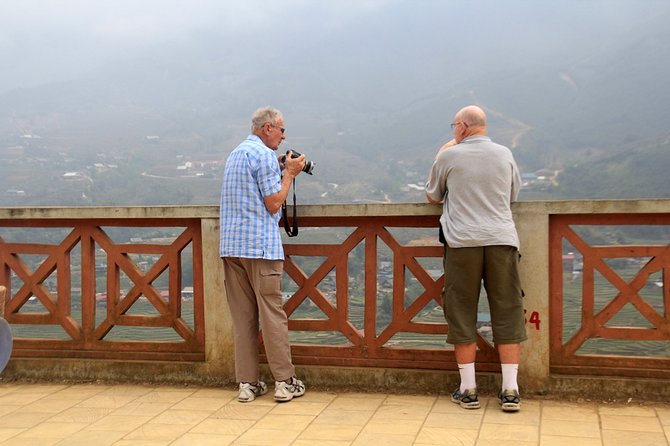
After breakfast and saying goodbye to your host family, you start trekking again. Day 2 shifts the scenery away from terraces and into trail variety, including a bamboo forest and a stop at the silk waterfall area.
The walk is a few hours long, with a picnic lunch planned mid-route. The lunch spot is all about views, so bring your camera, but also just take a moment to sit. When you are eating outside on a hillside, it is easier to understand why people settle where they do. The terrain is part of the lifestyle, not just scenery.
After the picnic, you walk back to the main road and take a car or mini van back to Sapa, with return around 2:00 PM. Once back, you can shower at the hotel.
Then the tour keeps the timing tight for your next connection. Around 3:00 PM, a shuttle drives you to the bus office so you can check in for the ride back to Hanoi. Before you leave, the group prepares sandwiches to take with you.
Day 2 is about 8 hours total, including trekking, the return, and time for shower and onward transport.
Guides matter: how names like Tran, May, Hien, and Hoan can change your day
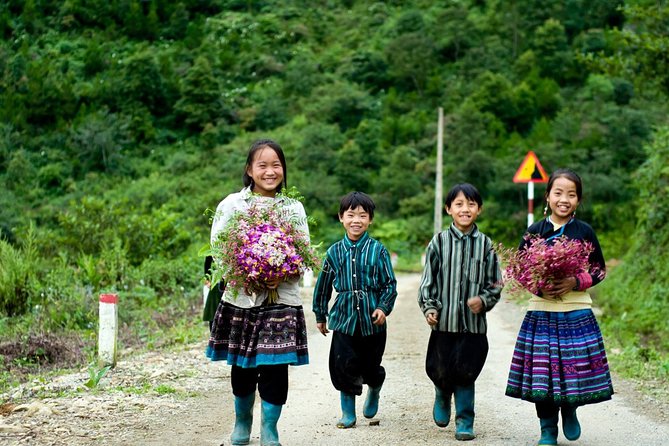
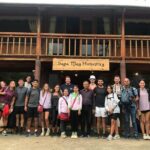
This kind of trek lives or dies by the guide. Good guides help you see details that you would otherwise miss, and they help you communicate even when English is limited locally.
In the provided experience, you may work with different guides, and the reviews include names like Tran, May, Jack, Hien, Hoan, Trung, and Lien. Across those accounts, one pattern shows up: guides who explain culture clearly make the villages feel less like a scenic route and more like a real community.
One traveler note also highlights a key reality: locals may not speak English, so you will learn culture best with a guide who can translate daily life and history into words you can actually understand. My practical advice is simple. Start the day with 2 or 3 questions you care about, like how people farm terraces or how families organize a homestay day. Then follow the guide’s lead. You will get more out of the walk.
Also, pay attention to pacing. A friendly guide will manage the group size of up to 15 so you get time to look, not just time to move. If the trail is busy in a photo moment, you can step aside and still enjoy the view without feeling rushed.
You can also read our reviews of more hiking tours in Sapa
Food included: what you eat, how meals work, and what to budget
Meals are one of the best value signals in this package. You get lunch twice, plus dinner and breakfast. Dinner includes the homestay cooking experience, which is the cultural highlight for many people.
Day 1 also includes lunch at the hotel before the walk. Day 2 breakfast is described as pancakes with hot tea or hot coffee outdoors. Day 2 includes a picnic lunch during the trek.
What is not included is what you might want to buy separately: beverages and drinks. That means bottled water, soft drinks, and anything extra you might crave should come from your own budget. I like having a small cash reserve for water and simple snacks. It prevents the usual trekking-day stress of running out.
If you have dietary needs, the data here does not specify special menus. Your best move is to mention needs when you book and ask what they can accommodate, especially around homestay dinner.
Price check: is $70 really good value for 2 days and 1 night?
At $70 per person for about 2 days and 1 night, this package is priced in the “budget-friendly, but not bare bones” category. The biggest reason it feels like value is that the cost bundles the stuff that usually adds up in Sapa: village guiding, entrances or fees, multiple meals, and an overnight room inside a local home.
Think about what you get for the money:
- Small-group guiding for village visits and trekking time
- Dinner plus shared cooking in the homestay
- Breakfast and two lunches, including a picnic on Day 2
- A private room in the local house
- Transfers that tie into your bus ride back to Hanoi
Where you may spend extra is mostly on drinks. Also, there is a listed surcharge for Lunar New Year dates, $30 per person during Feb 14 to Feb 23, 2026. If you travel during that time, factor that in early so there are no surprises.
Overall, if you want Sapa beyond a single afternoon stop, this price point is hard to beat because so much is included. If you only want quick views and do not care about homestay meals or overnight time, you might not get as much value out of it.
Who should book this Sapa villages trek, and who should choose differently
This tour is designed for most travelers, and the homestay format tends to work well for people who like simple, human-sized experiences. If you enjoy walking, taking photos, and learning through conversation, you are going to fit right in.
It is especially a good match if you want:
- A small-group experience
- Access to multiple villages like Y Linh Ho, Lao Chai, and Ta Van
- A real night in a home, not just a day trip
- An easy way to connect Sapa with your Hanoi bus ride, since it ends with shuttle timing to the bus office and even includes take-away sandwiches
I would be cautious if you:
- Expect a very long, hardcore trekking program
- Need private ensuite bathrooms
- Hate early mornings or waking to farm sounds
The walk times of 7 hours on Day 1 and 8 hours on Day 2 mean you should plan for real movement, even if the pace is managed by the guide.
Should you book? My call on this 2 days 1 night package
If your goal is to get a genuine feel for Sapa village life in a short time, I think this is an excellent option. The included meals, the Ta Van homestay night, and the combination of terraces plus bamboo forest trekking give you more than the typical “quick photo stops” approach.
Book it if you like conversation, photos, and eating where people live. If you want hotel comfort only, or you are looking for deep remote trekking with lots of free time, look at longer itineraries instead.
If you do book, prepare for two things: bring a little cash for drinks, and trust the guide for cultural context. With the right person guiding you, the villages turn from scenery into stories.
FAQ
What is the price and duration of the Sapa villages trekking and homestay package?
The package is $70 per person and runs about 2 days (approximately 2 days), including 1 night.
What is included in the tour?
It includes dinner, breakfast, lunch (2), a private room at a local house (double or twin bed room, 2 to 3 people), public sharing bathroom, and trekking village tours and entrances with a local guide and group tours.
Do they offer pickup in Sapa?
Yes. Pickup is offered from hotels in Sapa town centre.
How many people are in the group?
The maximum group size is 15 travelers.
Where does the tour start and what time does it start?
The meeting point is Delta Sapa Hotel, and the start time is 1:00 PM.
What is the room and bathroom setup like at the homestay?
You get a private room in a local home, with a public sharing bathroom.
Are drinks included?
Beverages and drinks are not included.
Is there any Lunar New Year surcharge?
Yes. There is a surcharge of $30 per person on Lunar New year holiday dates: Feb, 14 to Feb, 23, 2026.
What if the weather is poor?
This experience requires good weather. If it is canceled due to poor weather, you will be offered a different date or a full refund.
More Evening Experiences in Sapa

More Tours in Sapa
More Tour Reviews in Sapa
Not for you? Here's more nearby things to do in Sapa we have reviewed



More Sapa Trekking Tours to consider.
 ★ 5.0Sapa 2 Days 1 Night From Hanoi – Overnight in Ta Van VillageTickets from $592,669 traveller reviews
 ★ 5.0Hanoi – Sapa 2 Days 1 Night Overnight At HomestayTickets from $89899 traveller reviews
 ★ 4.6Sa Pa: Muong Hoa Valley Trek and Local Ethnic VillagesTickets from $23864 traveller reviews
 ★ 5.0Sapa: Fansipan Cable, Cat Cat Village & Moana Instagram TourTickets from $30777 traveller reviews
 ★ 4.8From Hanoi: 2-Day Sapa Trekking Trip with Homestay & MealsTickets from $71704 traveller reviews
 ★ 5.0Sapa 3 Days 2 Nights Trekking Tour (1 Night In Ta Van Village, 1 Night In Hotel)Tickets from $139699 traveller reviews
 ★ 4.9Sapa: Eco Adventure Terrace Fields and Local Villages TrekTickets from $27636 traveller reviews
 ★ 5.03-Day Trekking Adventure of Sapa from Hanoi – Stay Ta Van VillageTickets from $109611 traveller reviews
More useful Hanoi routes