
Review · HANOI CITY TOURS
Sapa 3-Day Trekking Adventure from Hanoi
Hiking through Sapa villages feels instantly real. This 3-day Northern Vietnam trek is built around Muong Hoa rice fields and village visits with local ethnic guides, plus one homestay night in Ta Van. You start with a comfort-focused bus ride from Hanoi, then trade paved roads for steep paths, river views, and everyday village life.
I especially like the small group cap (max 12 guests), which keeps the experience personal and easier to manage on muddy stretches. I also like the included Ta Van homestay cooking class, because you are not just watching, you are making and eating what you cooked.
One thing to plan for is the steep, slippery, muddy first hour on Day 2 (and muddy conditions can also show up on Day 3). If your feet are not equipped, that section can feel stressful fast.
Key things to know before you go
- Small group, local ethnic guide-led: English-speaking guides run the trek, and the group size stays to a max of 12.
- Muong Hoa valley walking is the main event: Day 2 covers about 9 km with rice terraces and Muong Hoa Stream views.
- Homestay night in Ta Van is private: You sleep in a homestay in the valley area and eat the included meals there.
- Cooking class is included: In the afternoon on Day 2, you prepare and cook dishes with locals, then you eat dinner made by your group.
- Mud is real, especially in wet weather: Expect slippy clay-like ground on at least part of the hike, with locals sometimes helping people stay upright.
From Hanoi to Sapa by VIP cabin bus: what the ride really feels like
Your trip starts in Hanoi at the Old Quarter pickup window, usually around 06h10 to 06h30, with the bus meeting guests at the hotel area or a meeting point. Then it is roughly five hours on the highway before you reach Sapa between 13h15 and 13h40.
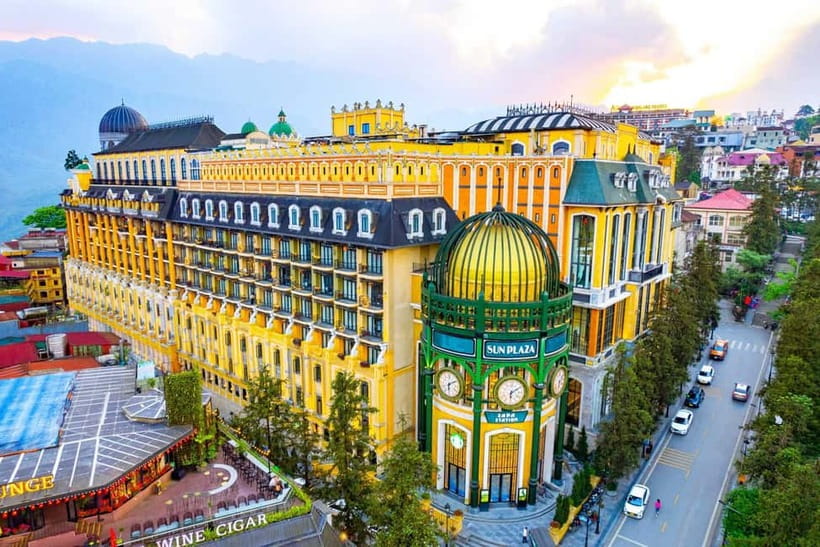
This timing matters. You are not arriving at sunrise, so you will not rush straight onto the trails. Instead, you get the afternoon in Sapa town, check in, and settle in before Cat Cat Village. One review note that the town is busy and not what some people expect, so your best use of that first evening is simple: eat well, wander a bit, and rest your legs for the trek day.
The tour includes transport by VIP cabin bus and hotel pickup for the start. At the end, though, it does not drop you at your exact Hanoi hotel. The bus returns and drops you around Tran Quang Khai street, Hoan Kiem at about 22h00. I like knowing this upfront because it affects where you can meet up with a driver or walk back safely at night.
You can also read our reviews of more hiking tours in Hanoi
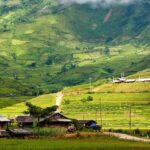

Cat Cat Village on Day 1: French-era hydro, waterfall views, and touristy parts
On Day 1, you walk out to Cat Cat Village starting around 14h30. The tour guide leads the visit, focusing on customs and habits of ethnic minorities, with a stop in Cat Cat that connects to the H’Mong story.
Expect a route that mixes sightseeing with light walking. You also visit the Cat Cat waterfall and the hydroelectric power plant built by the French in the early twentieth century. Even if you are not a history buff, the setting is why people stop. The sound of water and the valley feel do a lot of the work for the photos.
Now for the practical downside: Cat Cat can feel more touristy than you might hope. Some people skip it as a highlight once they see the villages on the trekking days, where you have more time to slow down. My advice is to treat Day 1 as your warm-up and orientation, not the main “why” of the whole trip.
Dinner is included that night, and after that you are free to explore Sapa town. This is also a good time to sort gear for Day 2, especially if you only packed regular sneakers.
Day 2 Muong Hoa trek with Y Linh Ho, Lao Chai, and the Ta Van homestay
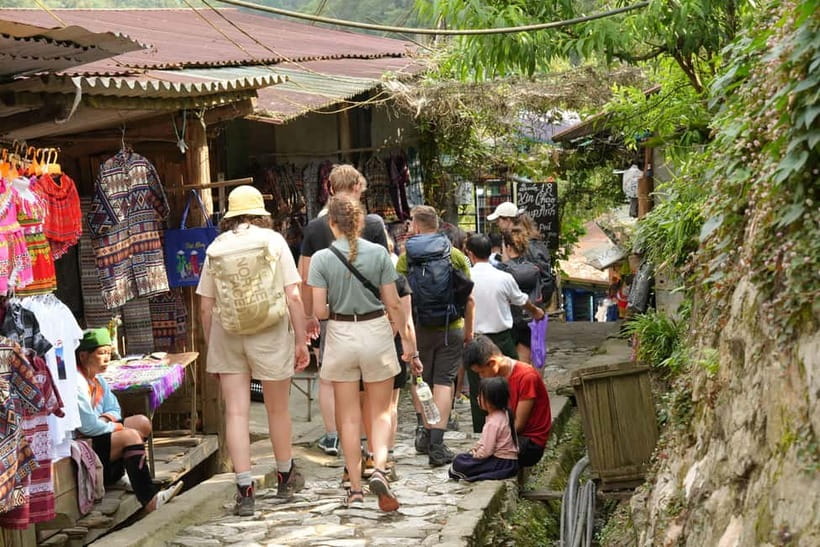
Day 2 is where the trip earns its keep. You start with breakfast between 07h00 and 08h00, then head out at 08h30 for a trek of about 9 km.
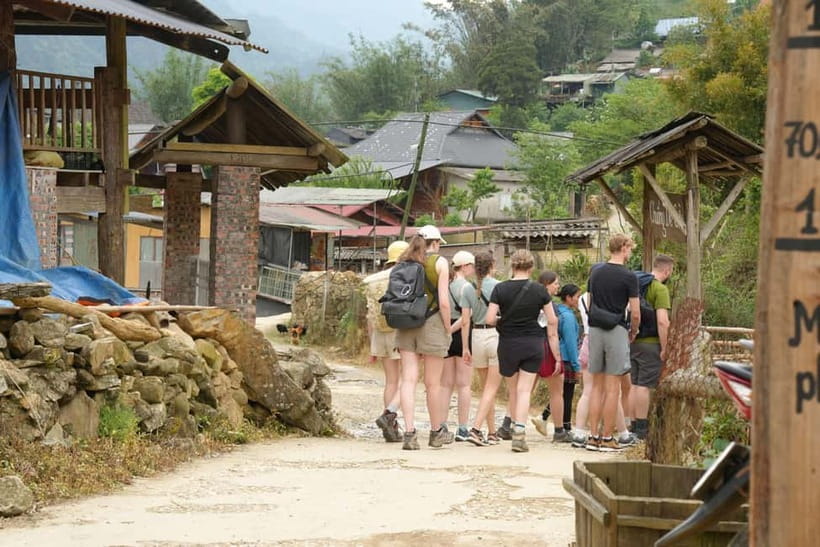
The walk begins toward Y Linh Ho village, then continues through the rice terraces along Muong Hoa Stream toward Lao Chai, home to the Black H’mong community. This is the time when the valley views start doing the talking. You get big mountain backdrops from the Hoang Lien Son mountain ranges and a sense of why Muong Hoa is so well known.
Here is the part that can test you: wet conditions can turn sections of the trail into a slippery clay-like mess. Multiple people noted a particularly rough stretch early in the hike, sometimes described as about 1.5 hours of very slippy mud. The good news is that support exists on the trail, including local women who help walkers stay balanced. If you are visiting in rainy weeks, waterproof shoes are not optional in practice.
Lunch happens in Ta Van village around 12h30, then you check in and rest at your private homestay in Ta Van. Afternoon plans are a big plus. Between 17h00 and 17h30, you take part in a cooking class with locals, preparing and cooking dishes. Dinner is then included and made by your group at about 18h30.
I like this format because it shifts you from “tour mode” to “shared effort.” You also get a sense of daily rhythms, not just staged moments. One review specifically called out that the guide helped run group games at the homestay, which can make the evening feel more like a group experience than a drop-off.
Day 3 Red Dao villages: Giang Ta Chai, Su Pan, and a calmer final morning
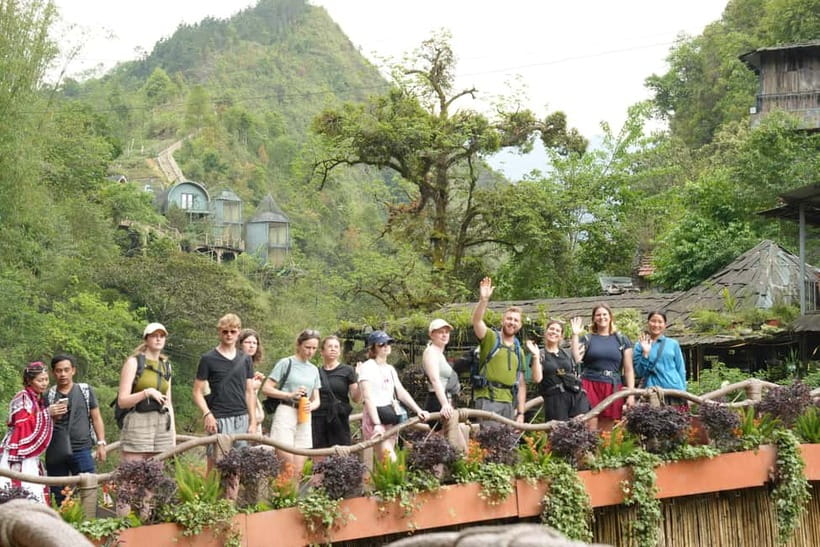
After a night in the valley, Day 3 starts with breakfast at the homestay between 07h30 and 09h00. Then you head out around 09h00 to 09h30 for a morning trek visiting Giang Ta Chai and Su Pan village, two Red Dao communities.
You walk about 4 km in the morning. Compared to Day 2, this usually feels more manageable, and many people find the day more relaxed once they have survived the slippery part the day before. You still want hiking shoes though, because mud can follow you. The goal here is cultural contact and village atmosphere, with time to look at colorful traditions and daily life.
Lunch is included at about 12h00, then you rest at the homestay again before heading back. Car pickup from the valley back to Sapa is around 13h00, and you board the bus to Hanoi at about 15h30. Arrival in Hanoi is around 22h00.
One helpful way to think about Day 3 is as “confidence building.” If Day 2 makes you worried, Day 3 gives you a chance to finish strong. If Day 2 was your favorite, Day 3 keeps the rhythm without piling on another long mud-heavy slog.
Your guide and the small-group setup: why it feels more personal
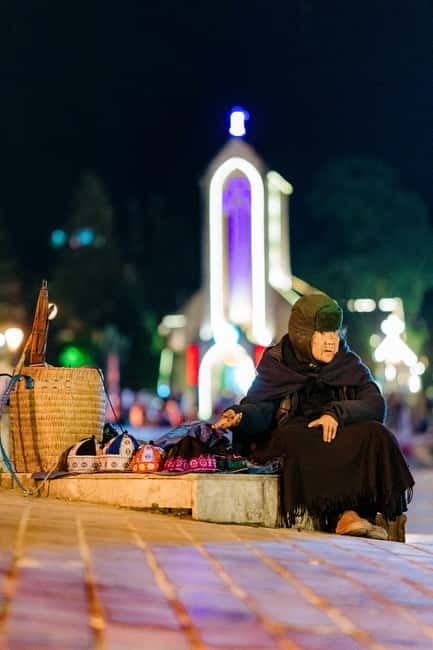
This tour stands out because it is not a huge bus-and-blob arrangement. The group is capped at 12 guests, and the trek is led by English-speaking local ethnic guides. In practical terms, that means fewer people to manage on steep paths and more chances to ask questions when you stop at a village.
Another thoughtful detail is flexibility on the ground. The plan notes that stops can be added or removed based on guests preferences and fitness levels. I take that as a sign the operator expects real-world conditions, not just rigid timing.
Guide quality is a big deal on treks, and the name Dinh came up in one set of feedback as being especially kind and good at helping people understand village life. That kind of guidance matters when you are walking in active communities where respectful questions and pacing can change the whole feel of your day.
Also, the tour says there will be no additional charges. In a region where selling can be constant, it helps to know you are not getting hit with surprise fees for basic parts of the experience.
More Hanoi tours and experiences for the shortlist



Comfort, gear, and the muddy reality of Sapa trekking
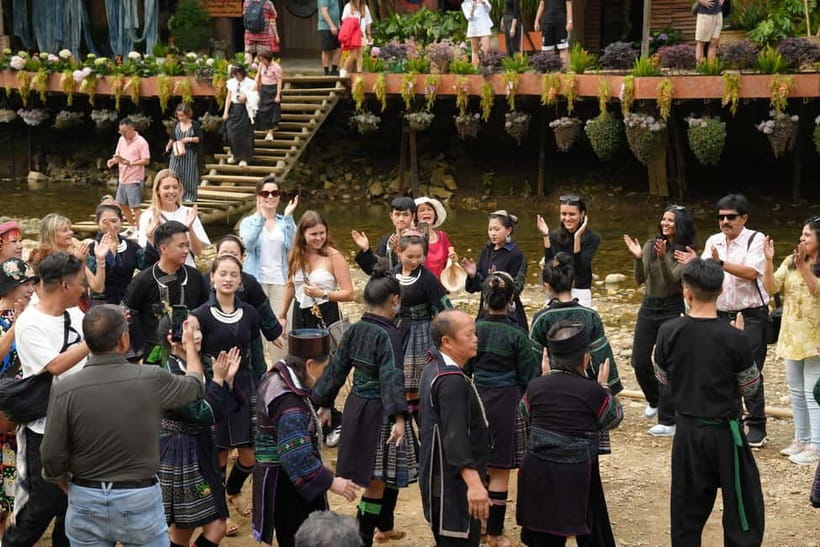
You do not need “technical” climbing skills, but you do need solid footing. The tour includes about 14 km total hiking across Day 2 and Day 3, and it openly warns that there may be muddy and dirty roads in wet weather.
Bring:
- Comfortable shoes plus hiking shoes (many people plan to wear boots or waterproof options)
- Insect repellent and sunscreen
- Hiking pants
- Warm clothing for October to March
- Passport or ID card
Wear:
- Comfortable clothes you can move in
Avoid:
- High-heeled shoes
- Alcohol and drugs
A few practical pointers from how the trek behaves in bad weather. First, if your shoes are not waterproof, you can end up with soggy feet by the time the trail turns slick. Second, bring clothing you do not mind getting muddy, since the “trail” may look more like a worn path through damp soil. Third, move at your own pace and take short breaks when you need them.
One more thing: on the walk, some locals may follow and offer handmade items. You do not have to buy, and that is worth remembering. In one review, aggressive selling was irritating enough to spoil part of the sightseeing mood, so keep your expectations realistic and your spending optional.
Meals and homestay nights: what food inclusion gets you
Meals are a major part of the value here. The tour includes 2 breakfasts, 2 dinners, and 3 lunches, plus entrance fees and permits. That matters in Sapa because your time on the trail is limited, and finding good food between hikes is not always easy.
Day 2 includes lunch in Ta Van and dinner at the homestay, with cooking class ingredients handled as part of the experience. The homestay dinner is described as substantial in feedback, and the homestay itself is often described as clean and cozy, with a location down in the valley that makes the views feel close.
On Day 1, you have lunch and dinner in Sapa at restaurants as scheduled. On Day 3, lunch is included at the homestay again.
One note from feedback: some people wish the homestay food had been more Vietnamese. That is not a deal breaker, but if you are picky about flavors, you might want to mentally expect home-style meals prepared in a local way rather than “restaurant menu Vietnamese.”
Price and value at $126 per person: where the money goes
At $126 per person, this tour is not just a walking day. You are paying for a bundle: transport, guides, lodging, meals, and trail access.
Here is what you get in the included list:
- VIP cabin bus with hotel pickup and return
- 1 night in a private Ta Van homestay
- 1 night in a 3-star hotel in Sapa town (Sapa Retreat Condotel or Delta Sapa Hotel)
- English-speaking local guide
- Meals as listed (2 breakfasts, 2 dinners, 3 lunches)
- Entrance fees and permits
- Cooking class at the homestay
When you price those pieces separately, the value starts to make sense. Bus transport between Hanoi and Sapa, a guide who can manage village routes, and food plus lodging are usually the big cost drivers. By bundling them, you reduce planning friction and end up with a smoother trip.
Two practical caveats:
- Drinks are not included, so budget for water and other beverages if you want more than what comes with meals.
- You might spend on souvenirs if you choose to. The selling can be noticeable during village walks, and it is optional.
Who should book this Sapa trek, and who should skip it
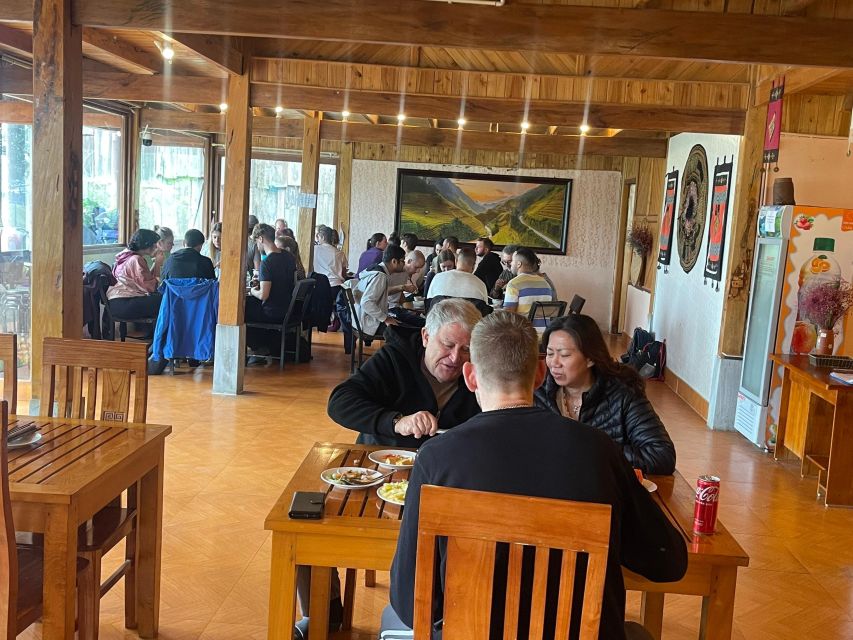
This is best for people who want village trekking, rice terraces, and daily culture contact more than city sightseeing.
It is not suitable for:
- Children under 3 years
- People with back problems
- People with mobility impairments
- People over 75 years
It may not be a great fit if:
- You hate steep, muddy trails and want flat, dry walking.
- You are hoping Cat Cat Village is your biggest cultural moment, since some people find it more tourist-focused than the village days on the trek.
- You get easily stressed by frequent selling on the trail. You can ignore it, but the environment is not quiet.
If you do book, prepare for the hiking. Bring proper shoes, expect wet ground changes, and pace yourself. The reward is real: views over rice terraces, village visits with H’Mong and Dao communities, and a homestay night that feels hands-on.
Should you book this Sapa 3-day trekking adventure?
I would book it if you want a small-group, guide-led Sapa experience with one homestay night, village visits, and a real trekking focus. The included meals and cooking class reduce decision fatigue, and the max 12 guests size makes the experience feel more human on the trail.
I would think twice if you are not comfortable with muddy, slippery hiking sections. Wet weather can turn parts of the trek into a safety-and-balance challenge, even with locals helping people stay upright. If that sounds like a deal breaker, consider traveling in drier months or choosing a gentler option.
If your dream is Muong Hoa walking, Ta Van evening food you helped cook, and village culture that is more than a quick photo stop, this is a strong match for your time.
FAQ
How long is the trekking across Day 2 and Day 3?
Day 2 and Day 3 involve hiking totals of about 14 km. The route may include muddy and dirty roads in wet weather.
Where does the tour pick you up in Hanoi and where does it drop you off?
The bus picks you up in Hanoi Old Quarter or a meeting point around 06h10 to 06h30. On the return trip, you arrive around 22h00 and the bus drops you at Tran Quang Khai street, Hoan Kiem, Hanoi, not at your hotel.
What accommodations are included?
You get 1 night in a private homestay in Ta Van village and 1 night in a 3-star hotel in Sapa town, listed as Sapa Retreat Condotel or Delta Sapa Hotel.
What meals are included?
Meals included are 2 breakfasts, 2 dinners, and 3 lunches, following the itinerary schedule.
What should I bring for the trek?
Bring passport or ID, comfortable shoes and hiking shoes, hiking pants, insect repellent, and sunscreen. Warm clothes are recommended for October to March.
Is the tour suitable for people with mobility issues or back problems?
No. The tour is not suitable for people with back problems or mobility impairments, and it is also not recommended for children under 3 or people over 75.
More 3-Day Experiences in Hanoi

More Hiking & Trekking Tours in Hanoi


More Tour Reviews in Hanoi




Not for you? Here's more nearby things to do in Hanoi we have reviewed










More Hanoi City Tours to consider.
 ★ 5.0Hanoi Jeep Tour: Food, Culture and Fun by Vietnam Army JeepTickets from $5515,222 traveller reviews
 ★ 5.0Full-Day Ninh Binh Highlights Tour from HanoiTickets from $797,761 traveller reviews
 ★ 4.7Ha Long Bay Day Cruise – Swimming, Meal, KayakingTickets from $417,415 traveller reviews
 ★ 4.6Water Puppet Show TicketsTickets from $77,029 traveller reviews
 ★ 5.0Hanoi Motorbike Tour: Food, Culture and Fun by Vintage MotorbikeTickets from $556,699 traveller reviews
 ★ 4.9Guided Food Tour with Train Street VisitTickets from $196,239 traveller reviews
 ★ 5.0Hanoi Cooking Class: Culture, Local Market & Meaning CSR ImpactTickets from $395,147 traveller reviews
 ★ 5.05 Traditional Dishes Hanoi Cooking Class with Market TripTickets from $354,890 traveller reviews
More useful Hanoi routes