
Review · HANOI CITY TOURS
Knife Making in Blacksmith Village in Hanoi
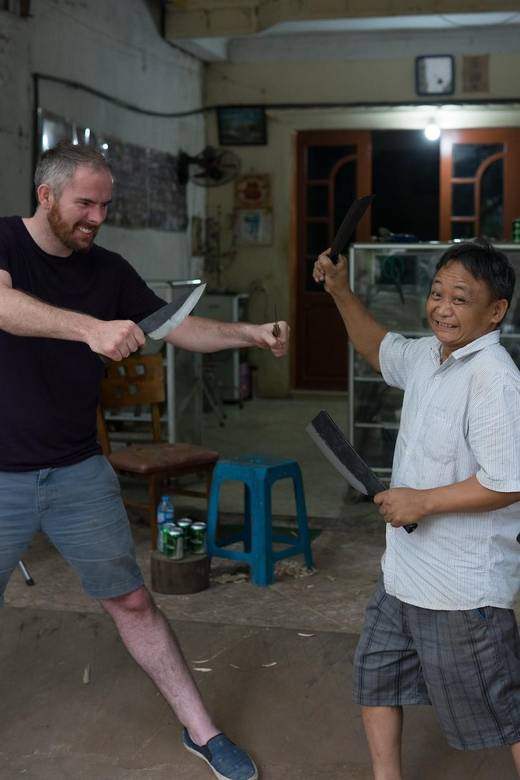
Make fire, then leave with your own blade. Knife making in Hanoi is practical, hands-on, and deeply local, set in the Da Sy blacksmith village in Dong Bac, where the craft shifted from wartime weapon support to everyday tools and kitchen knives. I love that you get the full process, from keeping the fire going to shaping hot iron and tempering it in water, and I also like that the experience is guided in fluent English by your host, with clear, safety-focused help throughout. One thing to plan for is logistics and comfort, you’ll need to get to the meeting point on your own and dress for sparks so you can actually enjoy the hammer time.
If you’ve only seen Hanoi from the sidewalks, this is the change of pace you’re looking for. You’ll spend about 2.5 hours in a small group, learn what makes this village special, then take home a knife you made yourself, something you can keep using rather than just staring at on a shelf.
Key highlights to look forward to
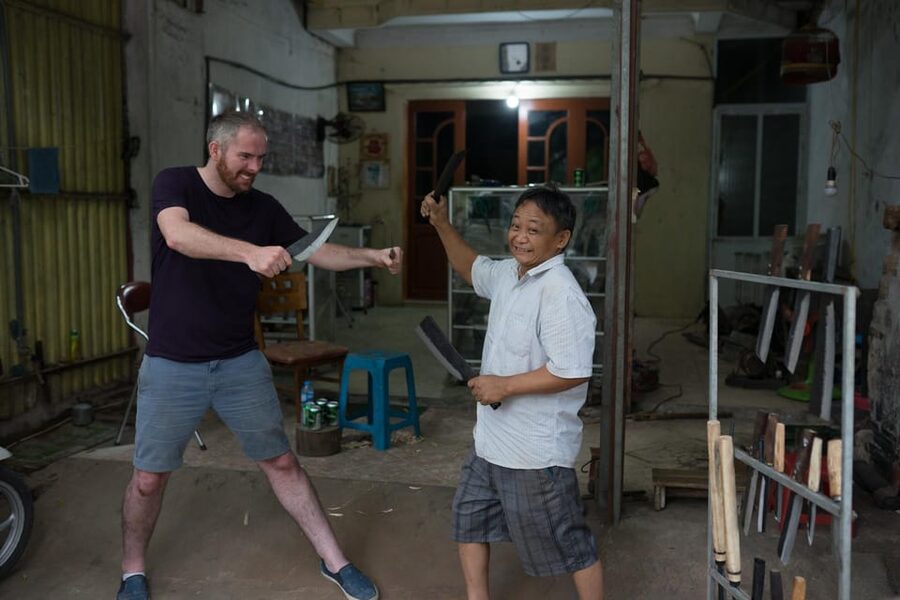
- Da Sy blacksmith village craft: A working tradition tied to Vietnam’s wartime role and the later turn to tools and kitchen implements
- Full knife-making cycle: You follow the steps for a simple knife, including tempering and sharpening
- Small group, hands-on guidance: Limited to 10 participants with an English-speaking facilitator
- Real day-in-the-life context: You’ll see how blacksmith work fits into village life, including fire management and shaping
- Safety gear included: Mask and eye protection come with the workshop, and you’ll be coached on how to handle sparks
- Take-home value: You leave with the unique knife you made, plus light refreshments during the session
Da Sy blacksmith village, where knives replace wartime steel
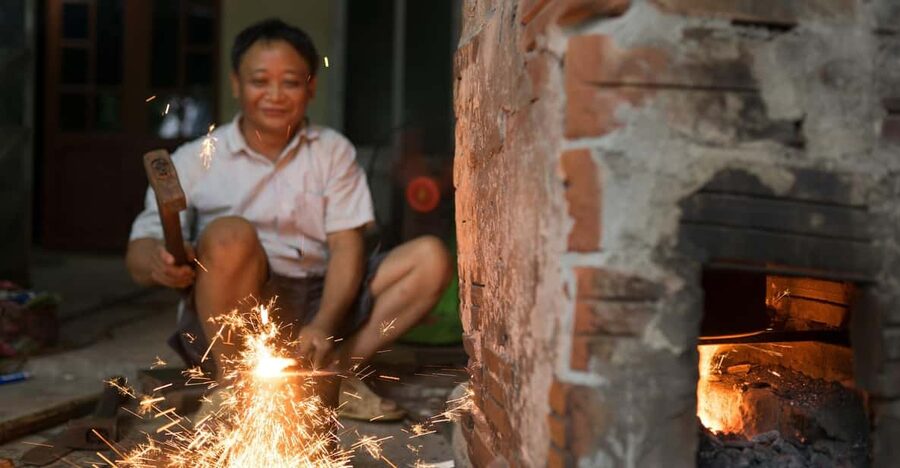
This workshop is set in Da Sy, in Kien Hung Commune, Ha Dong Town, Hanoi. The story matters here because it explains why the craft exists beyond the show-and-tell stage.
Da Sy has a long forging tradition. During the wars, the village helped supply weapons for Vietnam’s military. About 40 years ago, when peace returned, the work shifted toward agricultural implements like ploughs and rakes, plus machinery parts and kitchen implements.
That context changes how you think about what you’re doing. When you’re hammering hot iron, you’re not just copying a trick. You’re taking part in a practical trade that adapted to real needs, and that’s why people build these knives one step at a time, not rushing to the final object.
You can also read our reviews of more tours and experiences in Hanoi.



Meeting at the football field fence, then heading out to the workshop
Your day starts at a pretty specific spot. The guide waits at the entrance of a football field, next to a green fence. The activity ends back at the same meeting point.
Two practical notes for your sanity. First, the workshop does not include pick-up and drop-off within Hanoi. If you’re staying far away, plan your route before you get hungry and stressed. Second, because you’ll be taking home a knife, think about how you’ll pack it right away.
The tour is listed as wheelchair accessible, which is useful if you need it. And it’s a small group limited to 10, so you’re not lost in a crowd when you ask a question about tools, safety, or the steps.
The 2.5-hour knife-making workshop, step by step
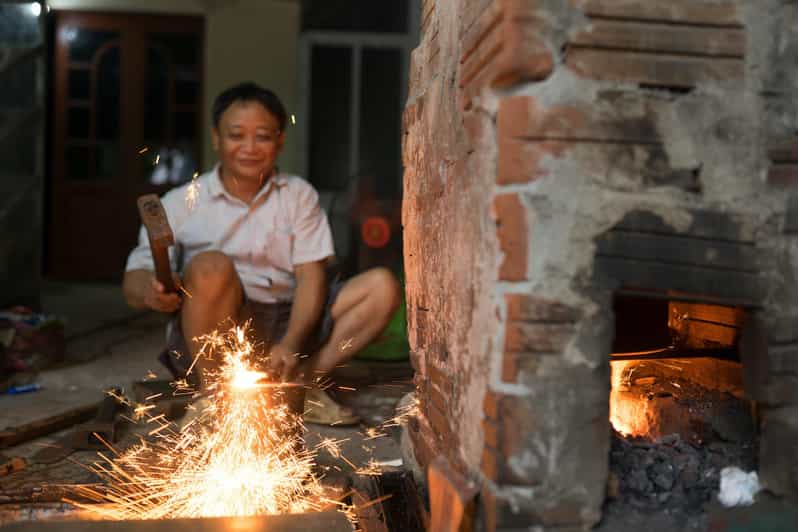
This class is built like a working process, not a long lecture. You’ll go through all the main stages of making a simple knife, with hands-on participation and guidance in English.
1) Getting oriented and learning the tools
You start with the basics: how the forging work is organized and what each tool does. Even if blacksmiths today have machines, you’ll learn the traditional fundamentals that create better quality products.
This is the part I’d call the foundation. It sets expectations for what happens when metal is red-hot, why fire management matters, and what you’re aiming for before tempering.
2) Keeping the fire going, rough shaping, and hammer control
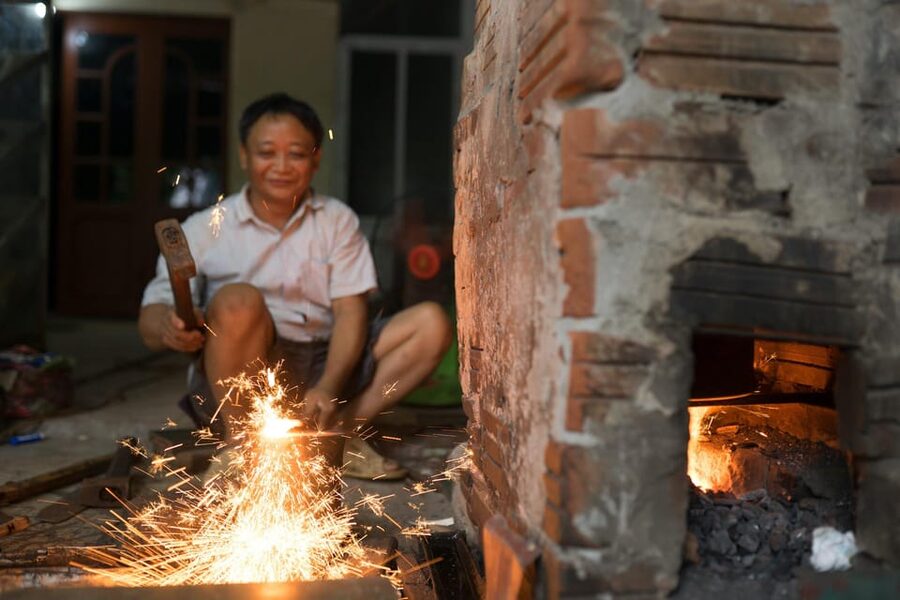
Then you get into the core forging work. You’ll experience how blacksmith work requires steady heat and constant attention. The workshop includes the steps of making rough drafts and shaping the metal with hammers while it’s red-hot.
You’ll learn that hammering is not just force, it’s control. A tiny shift changes how the blade takes shape. This is where the small group format helps, because you can get corrections before a mistake turns into a long fix later.






3) Tempering with water to strengthen the metal
Next comes tempering, strengthening the metal using water. This step is a big reason why forging is more than making something look sharp.
If you’re curious about why the knife holds up, tempering is where you learn the logic. Heat changes the metal’s behavior, and the water step locks in the toughness in a controlled way.
4) Sharpening the final product
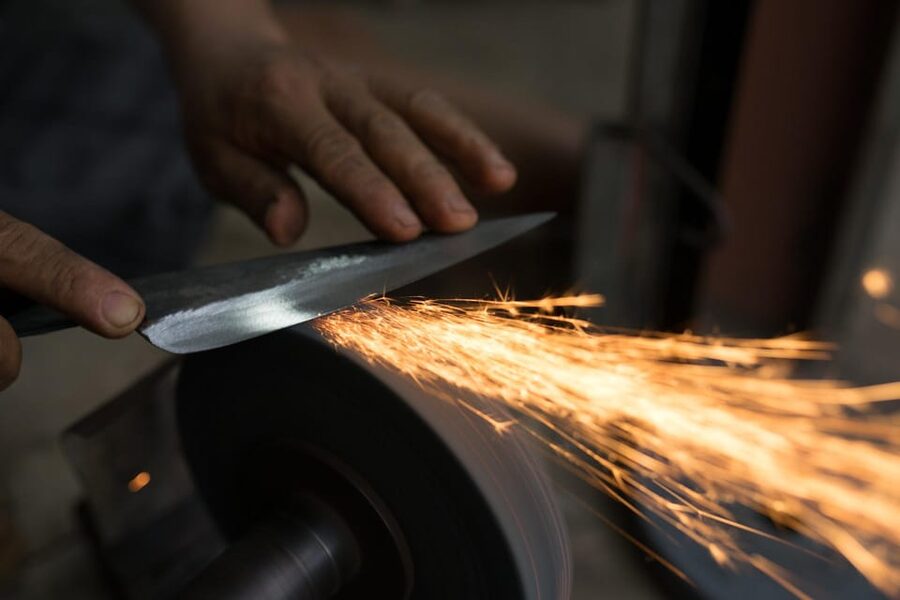
After shaping and tempering, you’ll finish with sharpening. This is the moment the project becomes usable, not just decorative.
It’s also where your patience pays off. Even a simple knife needs careful finishing so it’s actually practical to take home.
5) The you-made-this moment
At the end, you leave with your unique one-of-a-kind knife. The workshop also includes light refreshments, so you don’t start the next meal planning in a fog of hot-metal fatigue.
English host, traditional trade, and the safety focus that keeps it fun
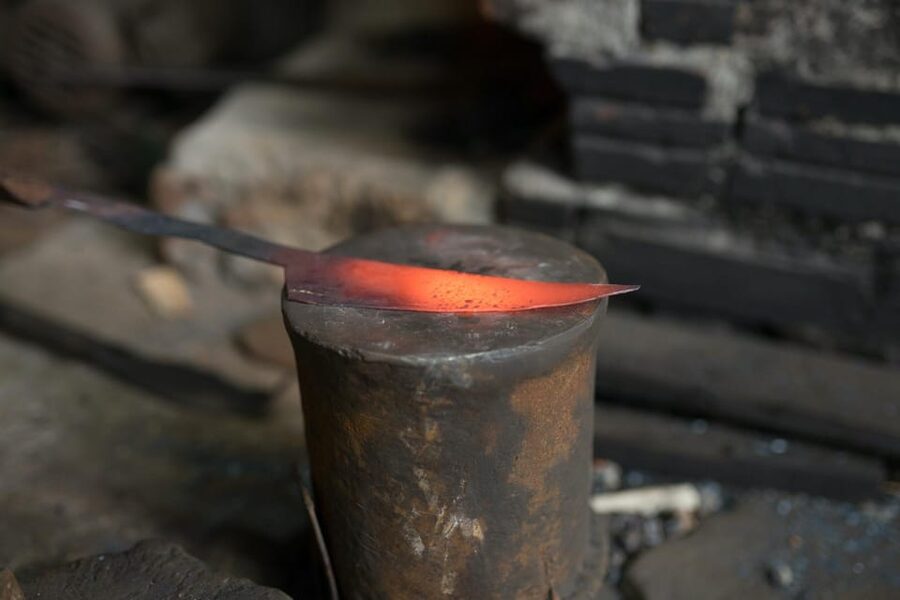
The best part of this kind of activity is when you feel safe enough to try. The workshop includes mask and eye protection accessories, and you’ll be encouraged to protect yourself from sparks.
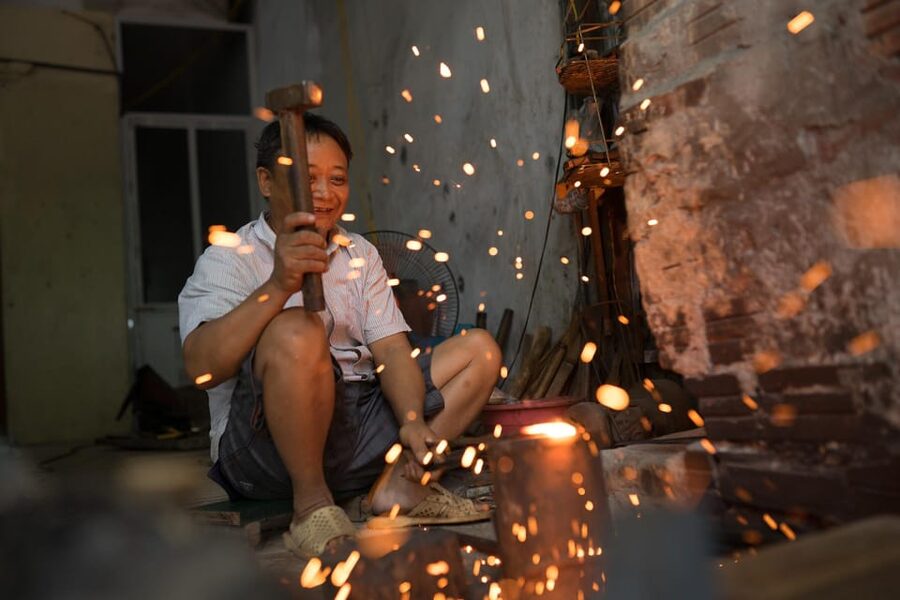
Here’s what matters for your clothes. Long sleeves and long pants are highly recommended to avoid sparks. No dress please. It’s not about looking tough, it’s about preventing painful burns and letting you stay focused on your forging steps.
You’ll likely get a very personal level of attention from your host. In the experience I reviewed, Mai was a great host, and she assisted start to finish with fluent English. Smith Ha was part of the hands-on moments too, especially during the making of the cooking knife participants ended up with.
This combination, English help plus experienced smith guidance, is why the activity works for both adults and families. One family even brought teens between 11 and 16 and still found it informative and enjoyable. That’s a strong sign the pacing and instruction are friendly enough without watering down the craft.
What you’re really paying for: $54 and the take-home knife
Knife making can sound expensive until you break down what’s included. Here, the price is $54 per person for a 2.5-hour workshop.
For that, you get all equipment, tools, and materials necessary for the workshop, plus a knife you can take home. You also get an English-speaking facilitator, light refreshments, and the mask and eye protection accessories.
What’s not included helps you plan. Pick-up and drop-off within Hanoi cost extra if you want it. You’ll also need to cover other personal expenses, and a knife cover is not included.
So is $54 good value? For Hanoi, it’s a fair deal if you’re actually going to use the knife at home. Many souvenirs are decorative, but this is functional. And you’re not buying a finished object only, you’re paying for the process, the instruction, and the materials that make your blade possible.
If you like cooking, this is especially worth it. A custom-forged blade becomes a conversation starter every time you pull it out for food prep.
Packing your knife home: check-in luggage beats stress
You’ll want to think about transport before the workshop ends. The guidance is clear: make sure you check in luggage to carry your knife home.
That’s a big deal. Knives are tricky on carry-on rules, and even if you could technically manage it, you don’t want to gamble on airport hassles after a fun 2.5 hours.
Also, remember the knife cover is not included. If you have one at home, bring it. If not, you may want to plan to source a cover after your class or pack carefully with protection so the blade stays safe.
Finally, don’t underestimate how heavy tools can feel after working with metal all morning or afternoon. Your jacket and supplies will feel lighter. Your luggage decision should be based on comfort, not just knife rules.
Who this Hanoi knife workshop is best for
This activity works best if you want a hands-on cultural experience you can take home in a literal way.
You’ll likely enjoy it if:
- You like practical skills, not just photos
- You’re interested in how Vietnamese craftsmanship evolved, especially Da Sy’s shift from wartime needs to agricultural and kitchen tools
- You want a small group class with English support and safety coaching
- You’re cooking at home and would use a forged knife in your daily routine
It’s also a strong pick for families with older kids, since the format supports teens and preteens when the group stays small and instruction is clear.
If you hate heat or sparks, this might still be manageable with proper clothing and attention to the safety notes, but you should be honest with yourself about your comfort level. The craft involves red-hot metal and a real working environment.
Price, timing flexibility, and what to confirm
The duration is 2.5 hours, and starting times vary. The timing is listed as flexible, so if you prefer a different time than the available one, you can message to check what works.
That flexibility is handy in Hanoi, where plans can shift. If you’re coordinating with other activities, being able to adjust without losing the experience matters.
One more detail that affects your schedule: the meeting point is fixed, at the entrance of a football field next to a green fence. Build your travel time to get there calmly.
Should you book knife making in Blacksmith Village in Hanoi?
Book this if you want a real craft experience with a take-home result that’s both useful and personal. The workshop hits several things at once: you learn the full knife-making process, you get coached in English, you’re in a small group with tools and materials provided, and you leave with a knife you made.
Skip it or think twice if you strongly rely on hotel pick-up for every activity. Since pick-up and drop-off within Hanoi are not included, you’ll need to handle the route yourself. Also plan for clothing and packing, long sleeves and long pants are not optional if you want to stay comfortable.
If you want a Hanoi day that feels less like a checklist and more like learning a working trade, this is one of the best ways to do it.
More Tour Reviews in Hanoi
Not for you? Here's more nearby things to do in Hanoi we have reviewed










More Hanoi City Tours to consider.
 ★ 5.0Hanoi Jeep Tour: Food, Culture and Fun by Vietnam Army JeepTickets from $5515,222 traveller reviews
 ★ 5.0Full-Day Ninh Binh Highlights Tour from HanoiTickets from $797,761 traveller reviews
 ★ 4.7Ha Long Bay Day Cruise – Swimming, Meal, KayakingTickets from $417,415 traveller reviews
 ★ 4.6Water Puppet Show TicketsTickets from $77,029 traveller reviews
 ★ 5.0Hanoi Motorbike Tour: Food, Culture and Fun by Vintage MotorbikeTickets from $556,699 traveller reviews
 ★ 4.9Guided Food Tour with Train Street VisitTickets from $196,239 traveller reviews
 ★ 5.0Hanoi Cooking Class: Culture, Local Market & Meaning CSR ImpactTickets from $395,147 traveller reviews
 ★ 5.05 Traditional Dishes Hanoi Cooking Class with Market TripTickets from $354,890 traveller reviews