
Review · HANOI CITY TOURS
Incense Village & Hanoi Tour With Train Street – Small Group
Train Street is Hanoi at full volume. One day here mixes incense village craft time for great photos with Train Street lunch where the train passes right in front of you, plus a packed run of Hanoi landmarks with an English guide. I like how practical it feels, lots of time spent actually seeing how things are made. I also like the pacing, especially with a small group on a comfortable bus. The one real drawback to consider is that it is a long day with a tight schedule, so you want decent energy early on.
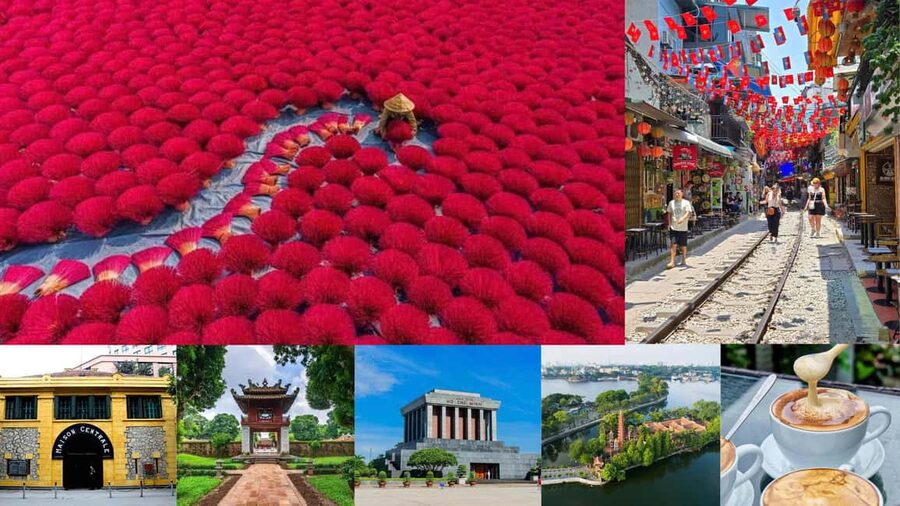
I also enjoy that this is not just photo stops. You move through Ho Chi Minh Mausoleum area (outside only), Hoa Lo Prison, Temple of Literature, and then end at Tran Quoc Pagoda on West Lake, which gives the day a calmer finish after the louder spots. If you are a fan of small details, the added egg coffee pause helps you slow down for a minute.
Key Things That Make This Hanoi Tour Worth Your Time
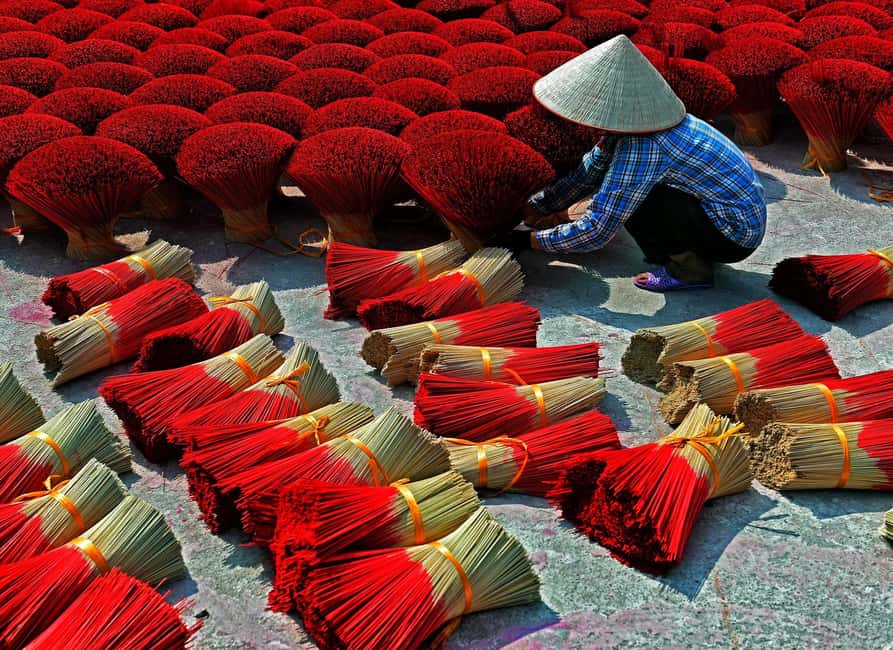
- Quang Phu Cau incense village craft demos you can watch up close, including how incense products are made and dried
- A smart rain swap to Bat Trang pottery village, so your morning does not fall apart
- Train Street lunch as the main event, with Bun Cha or Banh Mi and the train running right by your table area
- Classic Hanoi landmarks in one day, including Hoa Lo Prison and Temple of Literature
- Small-group comfort with a maximum of 17 passengers on an air-conditioned limousine bus
- Helpful, English-speaking guidance, including support for guests who need a slower pace
Why This Hanoi Day Tour Feels Different Than a Standard Highlights Run
This tour works because it mixes two kinds of Hanoi. You get a very hands-on craft morning in Quang Phu Cau, then you switch gears to big, symbolic history sites, and finally you land at a spot that feels almost unreal when you see the train come through.
The biggest value is how the day is built around moments you can’t easily recreate on your own. Train Street is not just a sightseeing stop, it is a meal with the train passing close enough that you feel the speed and the noise as part of the experience. The incense village part is similar, it is about watching the process, not just looking at finished products.
You can also read our reviews of more tours and experiences in Hanoi.



Morning Pickup and the Drive to Quang Phu Cau Incense Village
You start early, usually around 7:15 to 7:30 am, with pickup in the Hanoi Old Quarter. Then you ride about 1.5 hours to Quang Phu Cau, and that drive matters because it gives you time to arrive before the day gets chaotic.
Once you reach the incense village, you are there for the process. You can see artisans making incense and drying it in the sun, and that is where your best photos come from. It also helps you understand what you are looking at later, because you see how much labor and timing goes into each step.
A small but nice detail: in the village, you may also see conical hat craft demonstrations, and you can decorate your own hat to take home. That is the kind of souvenir that feels more like a story than a product.
If It Rains: Bat Trang Pottery Village Instead
Here is the practical part of the plan. If it rains, you won’t be able to see the incense drying, so the itinerary shifts to Bat Trang pottery village.
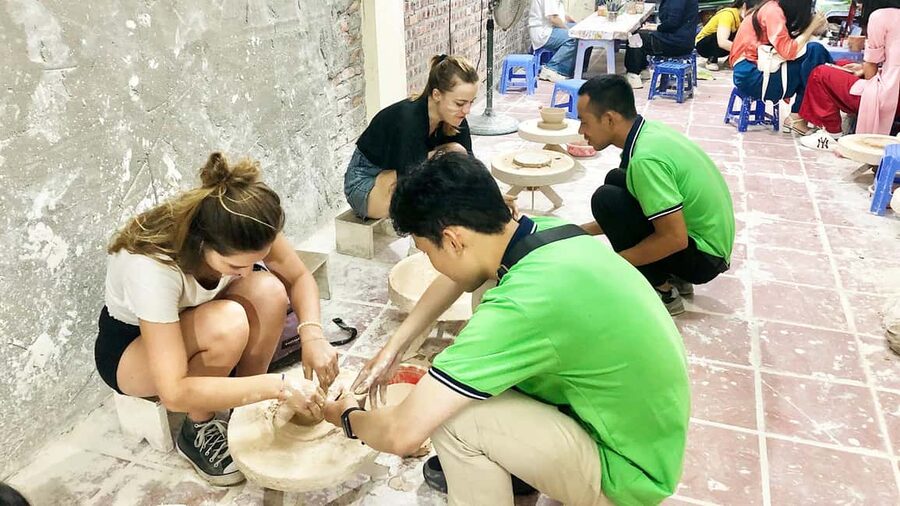
Bat Trang is about 45 minutes driving away, and it is a great backup because it still keeps you in a workshop mindset. You visit a pottery workshop where artisans produce ceramic items for both daily domestic use and exporting. You also get a chance to practice making one sample with an instructor, which turns the morning into a real activity rather than just a change of scenery.
If you hate last-minute changes, this is worth noting. The swap is for a reason, but it does mean the morning’s visuals will feel different. Still, you do not waste time, and you keep that hands-on craft energy going.
Train Street: Lunch, Egg Coffee, and the Train Passing Right Nearby
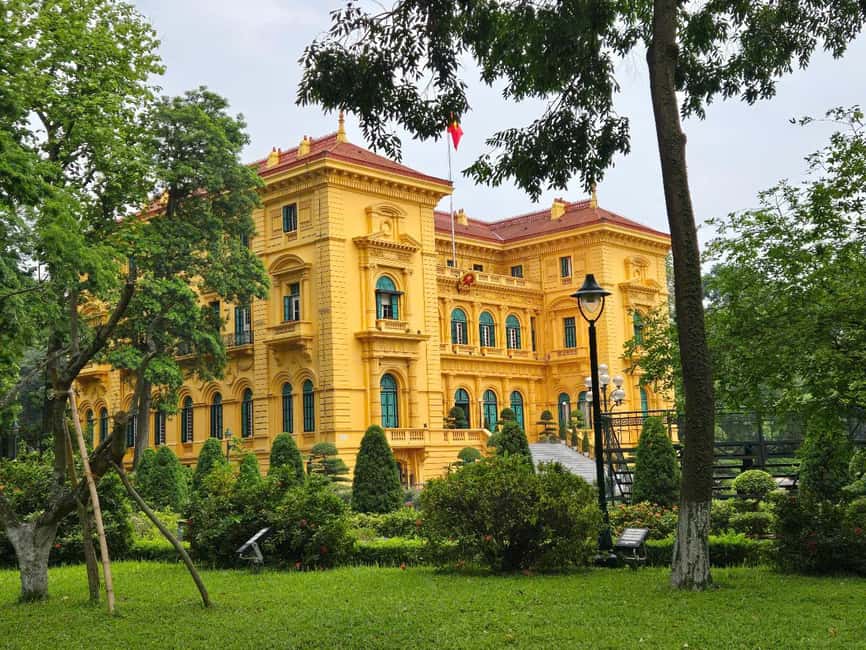
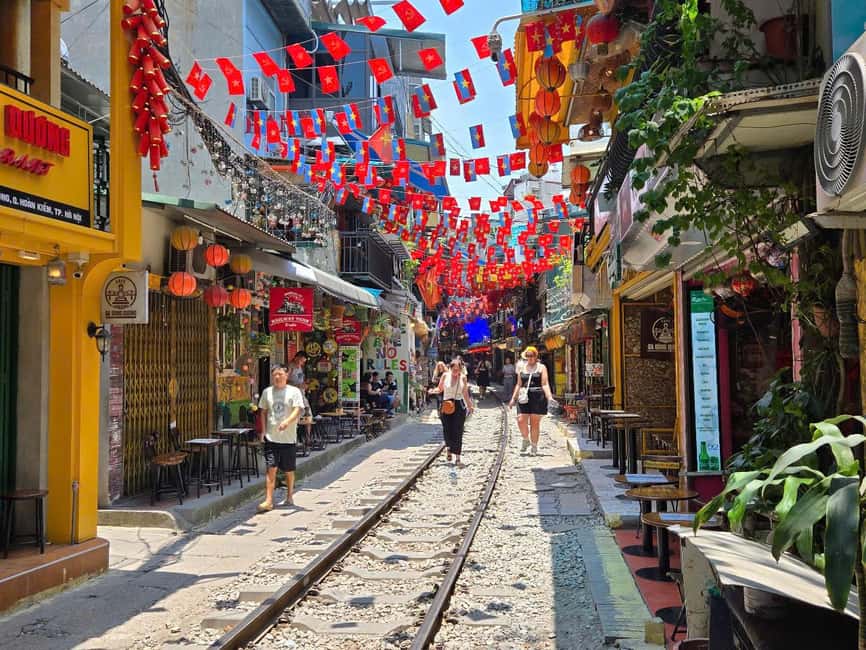
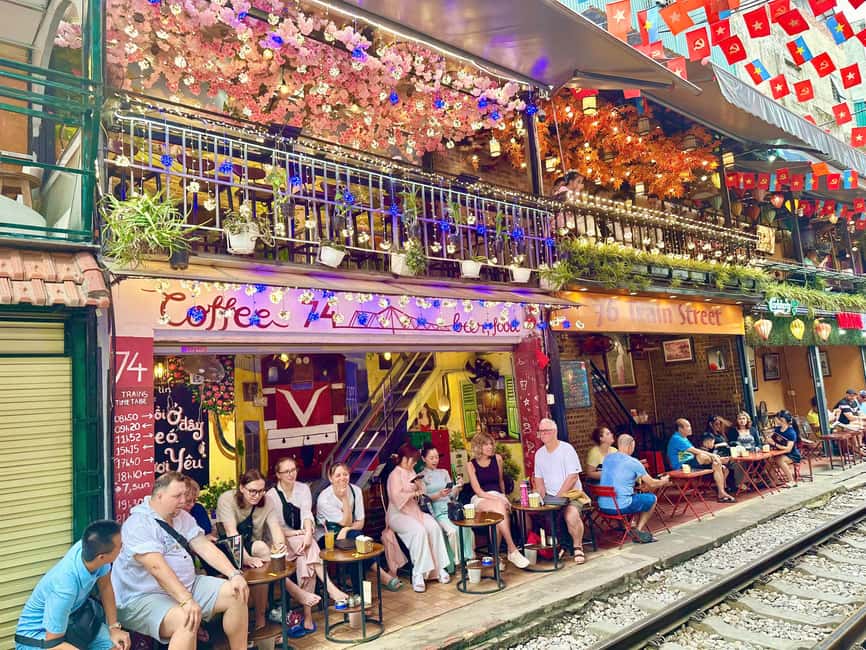
By before 11:30 am, you head to Train Street to get ready for photos and videos of the train returning toward Hanoi Railway Station. This is the heart of the day for many people, and I get why. You are not waiting from far away. You are positioning yourself so the train becomes part of your shot.
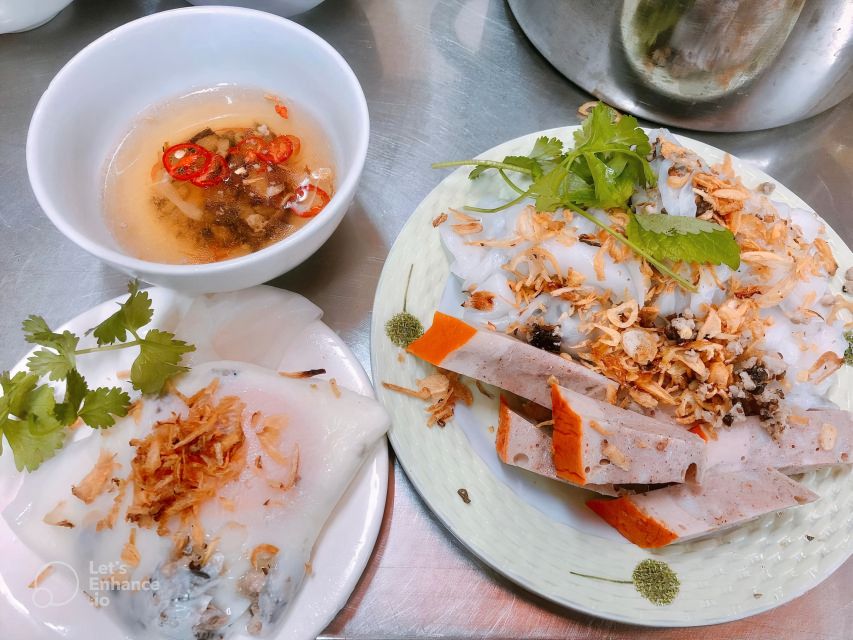
Then lunch happens right there. Your meal is Bun Cha or Banh Mi, served at Train Street, and it is structured so you experience the train passing while you are eating. It is a strange mix in the best way: your brain wants a normal lunch, and your ears keep reminding you that this is Hanoi, right here, right now.
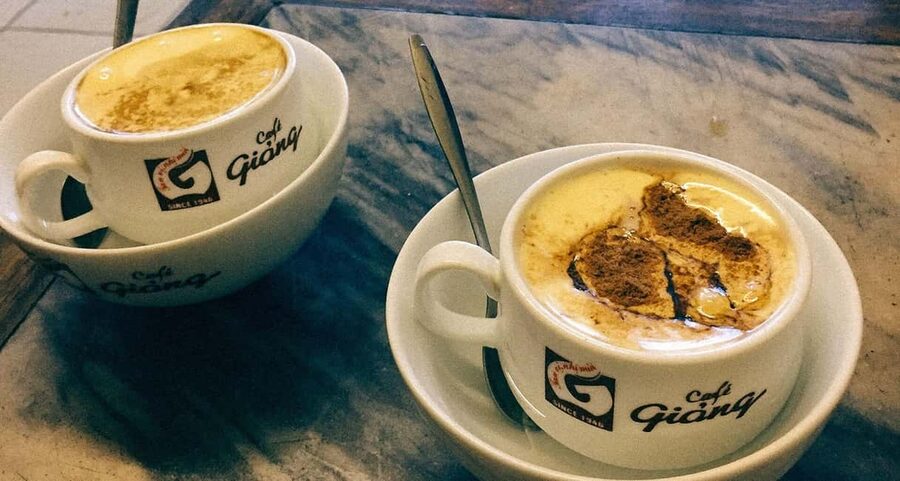
You also include egg coffee with your lunch. It is one of those Hanoi specialties that is worth trying when it is timed into the day instead of becoming an extra stop you have to schedule.
Practical tip: wear comfortable shoes and keep your phone ready, but also look up occasionally and just watch. The best feeling is realizing you are seeing something local, not a staged performance.
Hoa Lo Prison, or the Hanoi Hilton That Changed How War Is Remembered
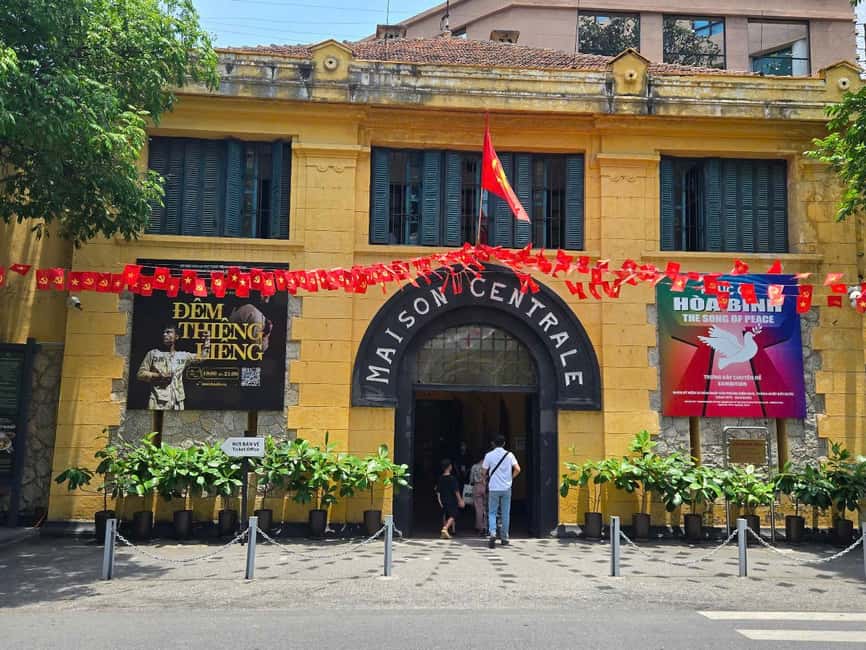
After the Train Street moment, the day turns more serious. You visit Hoa Lo Prison, which is known as Maison Centrale or the Hanoi Hilton in the way it is referenced in stories about the Vietnam War.
This stop works best when you slow down a bit mentally. You are not just ticking off a site name. You are stepping into a place built around confinement and political struggle, and that context makes the rest of the history stops make more sense.
The tour keeps it efficient. You get the key visit time and then move onward, so you do not spend all afternoon feeling heavy. Still, if you prefer history at your own pace, you might want to focus on a couple of areas rather than trying to absorb everything at once.
Temple of Literature: Confucian Learning, the Khue Van Pavilion, and Turtle-Back Stelae
Next up is Temple of Literature, often described as Vietnam’s first university dating to the 10th century. This is the kind of place where the architecture and details help you understand the big idea: education and values mattered enough to build institutions around them.
You get time to learn about Confucianism and traditional education in Vietnam. Two highlights are the Khue Van Pavilion and the Doctor Stelaes on turtle’s back. Those turtle-backed stelae are easy to recognize, and they help you connect names of scholars with the physical way Vietnamese culture marked achievement.
If you like places that feel calm even when the city is loud, this stop can be a breather. It also pairs nicely with Hoa Lo. One is about conflict and control, the other is about learning and long-term cultural identity.
Ho Chi Minh Mausoleum Outside and Ba Dinh Square for Vietnam’s Independence Story
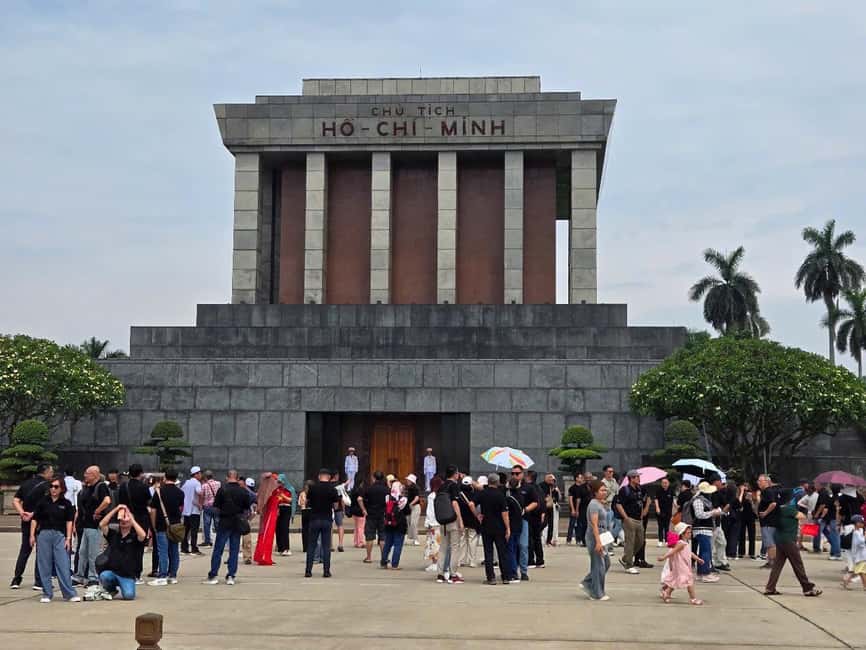
The tour continues with Ho Chi Minh Mausoleum, but it is important to know you visit the outside only. You also see Ba Dinh Square, where Ho Chi Minh declared Vietnam’s independence on September 2, 1945.
This is a very “big picture” stretch of the day. Even if you already know the general timeline, seeing it in person gives your mental map a strong anchor. The square and the mausoleum area are tied to national memory, and the guide’s explanations help you connect what you see with what it represents.
If you expected an interior visit, adjust your expectations. Outside is still meaningful here, but it is not the same as a full museum-style experience.
Tran Quoc Pagoda on West Lake, Built in 528
To finish the day on a quieter note, you drive to West Lake and visit Tran Quoc Pagoda. It is described as the most ancient pagoda there, built in 528, and it gives you a view into Buddhism in Vietnam.
I like this ending because the mood shifts. After the history intensity of Hoa Lo and the national symbolism around Ba Dinh, Tran Quoc feels more like a reset. It is a chance to take photos without thinking about heavy context every second.
If you are traveling with someone who wants a cultural stop but not another history lecture, this pagoda works well. It gives variety while still feeling connected to Vietnam’s deeper traditions.
Transport, Group Size, and What You Get for Around $25
Let’s talk value in plain terms. The listed price is about $25 per person for a 1-day tour that includes a lot of real costs people usually forget.
Included items:
- Air-conditioned limousine bus and hotel pickup/drop-off in the Hanoi Old Quarter
- English-speaking guide
- Lunch at Train Street with Bun Cha or Banh Mi
- Egg coffee (one cup per person)
- Entrance fees for the included sights
- All entrance fees plus a bottle of water
For many travelers, the biggest “hidden” expense in Hanoi is transport plus entrance fees plus a guide. This tour bundles those together while keeping the group small, up to 17 passengers, which usually means easier coordination and less waiting.
Things you should keep in mind for extra cost:
- Drinks are not included
- Travel insurance is not included
- Tips for the guide are not included
- 10% government tax is not included
- There is a holiday surcharge of 200,000 VND per person on specific dates, including major holidays and Tet periods (paid directly on the trip)
Also, you might notice some extra options are available like a cyclo or water puppet show, but those are separate add-ons.
What to Wear, What to Bring, and How to Prepare for a Full Day
This is a walking and photo day. Bring comfortable shoes and comfortable clothes. Since you are switching between workshops, temple grounds, and historical sites, you want clothes you can move in and that handle changing light conditions.
If the forecast looks iffy, you might also consider a light rain layer even though the itinerary already has a backup plan. The tour handles rain with a swap to Bat Trang, but you still want to stay comfortable.
One more practical note: pets are not allowed.
Best Fit: Who This Tour Suits, and Who Might Want a Different Plan
This tour is a strong match if you want:
- One day in Hanoi that mixes crafts and iconic sights
- The Train Street experience without spending hours figuring out timing and logistics
- An English guide who can explain history sites beyond what you’d catch from signage alone
It is also a good choice if you like a manageable group size. With a maximum of 17 passengers, the day tends to feel organized and not chaotic.
It might be less ideal if:
- You need a very slow pace, because the schedule is packed
- You specifically want to go inside Ho Chi Minh Mausoleum (this tour is outside only)
- You dislike changes when weather affects the incense village plan
Should You Book This Hanoi Incense Village and Train Street Tour?
If you are choosing between doing a “standard temples and museums” day and a day with something more unusual, I think this tour earns a spot. You get real craft observation in Quang Phu Cau, a backup plan that still delivers a workshop morning in Bat Trang, and the most memorable meal in Hanoi for many people at Train Street.
Book it if you want value for money, clear English guidance, and a small-group ride that keeps you moving. Skip or modify it if you feel history-heavy days wear you out, or if you were specifically hoping for an inside visit to Ho Chi Minh Mausoleum.
If you do book, pack for comfort, and treat Train Street lunch like the main event, because that moment sets the tone for the whole day.
FAQ
What is the group size and how do you travel around Hanoi?
The tour uses a limousine bus with air-conditioning and a maximum group size of 17 passengers. You also get hotel pickup and drop-off in the Hanoi Old Quarter area.
Where does pickup happen if I am not staying in the Old Quarter?
Pickup is included for hotels in Hanoi Old Quarter. If you stay outside that area, the meeting point is 20 Hang Muoi street.
What time do you pick up guests in the morning?
Pickup is scheduled between 7:15 and 7:30 am.
What happens if it rains at the incense village?
If it rains and you cannot see the incense, the tour visits Bat Trang pottery village instead. You also visit a pottery workshop and practice making one sample with an instructor.
Is Ho Chi Minh Mausoleum included inside or only outside?
You visit the outside of Ho Chi Minh Mausoleum.
What is included in lunch and drinks?
Lunch at Train Street includes Bun Cha or Banh Mi. A cup of egg coffee is included, and you also receive one bottle of water per person. Drinks during the trip are not included.
Are there extra costs I should plan for?
Yes. Tips for the guide are not included, travel insurance is not included, and drinks are not included. There is also a 10% government tax not included. On certain holidays, there is a 200,000 VND per person surcharge paid directly on the trip. Optional add-ons like a cyclo or water puppet show cost extra.
More Tours in Hanoi
- Ninh Binh Full-Day Tour from Hanoi to Hoa Lu, Tam Coc & Mua Cave Via Boat & Bike
★ 5.0 · 4,384 reviews

More Tour Reviews in Hanoi
Not for you? Here's more nearby things to do in Hanoi we have reviewed


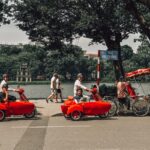

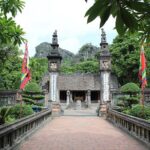




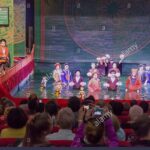
More Hanoi City Tours to consider.
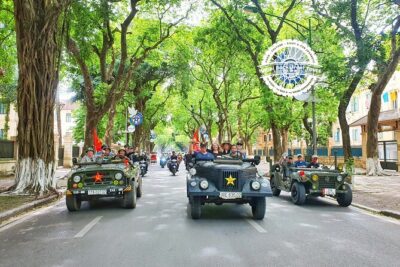 ★ 5.0Hanoi Jeep Tour: Food, Culture and Fun by Vietnam Army JeepTickets from $5515,222 traveller reviews
 ★ 5.0Full-Day Ninh Binh Highlights Tour from HanoiTickets from $797,761 traveller reviews
 ★ 4.7Ha Long Bay Day Cruise – Swimming, Meal, KayakingTickets from $417,415 traveller reviews
 ★ 4.6Water Puppet Show TicketsTickets from $77,029 traveller reviews
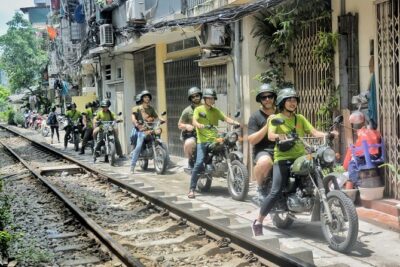 ★ 5.0Hanoi Motorbike Tour: Food, Culture and Fun by Vintage MotorbikeTickets from $556,699 traveller reviews
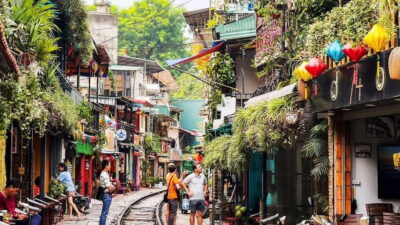 ★ 4.9Guided Food Tour with Train Street VisitTickets from $196,239 traveller reviews
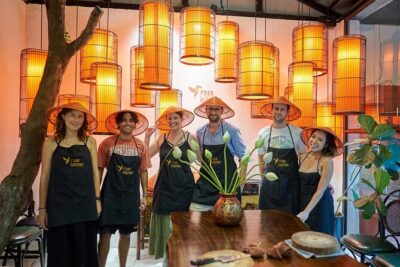 ★ 5.0Hanoi Cooking Class: Culture, Local Market & Meaning CSR ImpactTickets from $395,147 traveller reviews
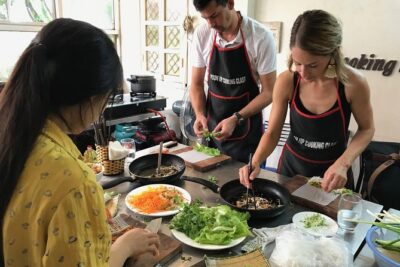 ★ 5.05 Traditional Dishes Hanoi Cooking Class with Market TripTickets from $354,890 traveller reviews
More useful Hanoi routes