
Review · HANOI CITY TOURS
Hanoi: Taste Fresh Lotus Tea Ceremony & Untold Stories
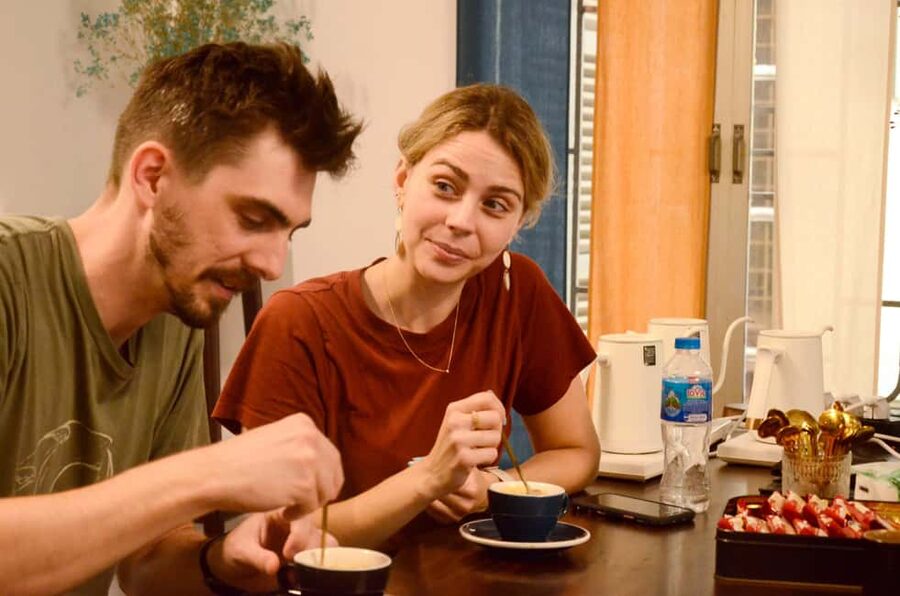
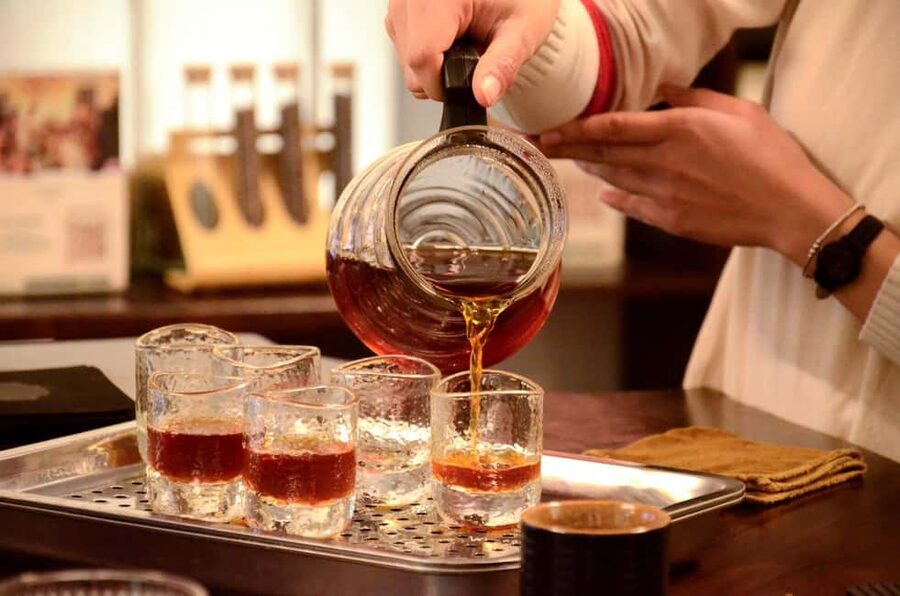
West Lake lotus tea tastes like patience. This calm Hanoi workshop combines West Lake lotus tea storytelling, a preserved heritage villa setting, and hands-on brewing guidance, plus a mindful start. I like that you go past tasting, you learn how to make it correctly at home. The only real drawback is that it is quiet and classroom-style, not a fast, nonstop sightseeing stop.
You start with a gentle, tea-focused reset so your senses actually show up for the lesson. Then you get guided through the real work behind lotus tea, smelling fresh lotus stamens, learning what makes authentic West Lake lotus tea different from flavored imitations, and picking up brewing timing, water temperature, and tea ratios you can reuse later. You finish with lotus tea plus traditional Vietnamese floating cakes, then a comparison with another scented tea so you can taste what makes lotus tea special.
Instructors are English and Vietnamese speaking, and you may work with teachers such as Piey, Maxie, or Sue depending on the day. A recipe book is provided, and a Google photos link comes after the class, so you can remember how it all looked and tasted. One more practical note, pickup and drop-off times can shift a bit with traffic, so plan for a small window.
Key highlights you should care about
- Fresh lotus tea ceremony with guided brewing you can repeat
- West Lake lotus tea history plus the scenting process done the traditional way
- Smell and learn with fresh lotus stamens, then spot flavored alternatives
- Lotus tea paired with traditional Vietnamese floating cakes
- A comparison tea moment that clarifies what makes lotus tea unique
- Your ticket supports education for coffee farmers’ children in Da Lat
A calm Hanoi Fresh Lotus Tea Ceremony, set in a preserved heritage villa
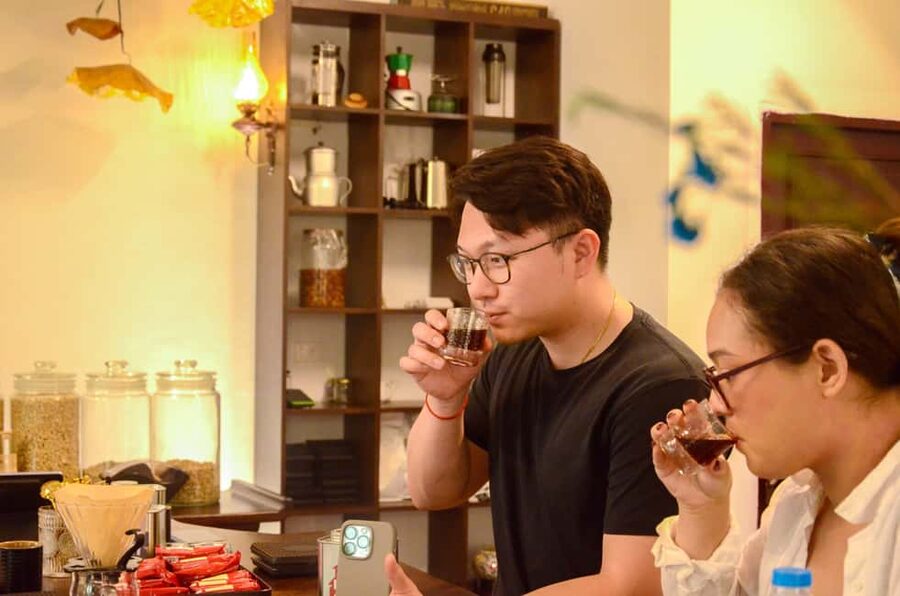
This experience is built around stillness. You do not bounce from stop to stop. Instead, you settle into a peaceful, preserved heritage villa vibe, which matters because lotus tea is all about scent detail and slow tasting.
The setting helps you slow down without trying too hard. Your session begins with a short, gentle introduction to tea mindfulness, basically a nudge to breathe, notice aroma, and be present before you start drinking. If you normally rush meals and treats, you will feel the difference here.
It is also a good pace for weather and energy. At 150 minutes, you get enough time for instruction and tasting, without feeling like the day vanishes into a blur. And since the ceremony includes food pairing, you come out feeling like you ate something real, not just sampled sips.
If you prefer lively street chaos, you might find the tone too quiet. But if you like learning with your senses turned on, the atmosphere is part of the value.
You can also read our reviews of more tours and experiences in Hanoi.



Tea mindfulness first, then the West Lake lotus tea story that explains the fragrance
The ceremony starts with that mindful warm-up for a reason. Lotus tea tasting is not just about taste. It is about aroma layers, gentle bitterness, and that long sweet aftertaste you keep noticing after the cup is gone.
Then your host moves into the West Lake lotus tea narrative, including why it is considered the king of Vietnamese teas and how its scenting process has stayed the same for generations. This is not a vague cultural lecture. It is paired with what you are about to smell and drink.
You will learn what goes on behind the scenes: the patience behind the multi-day scenting technique, and why fresh lotus stamens matter so much. The point is simple, the scent does not appear instantly. It is built into the tea over several days, using careful handling and time.
Once you understand that, the tea you taste later makes more sense. You stop thinking of lotus as a flavor and start tasting it as a process.
Smelling fresh lotus stamens, learning what authentic lotus tea actually is
One of the most useful parts is the sensory training. You will see and smell fresh lotus stamens as part of the explanation, not just talk about them. That helps you build a real baseline for what lotus aroma should feel like.
From there, you get practical guidance on how to distinguish authentic lotus tea from flavored alternatives. That matters because lotus tea can get oversimplified as sweet perfume tea, and many cheaper options rely on flavoring rather than true scent integration.
In your cup, authentic lotus tea should feel layered, not just sugary. The session teaches you to pay attention to aroma changes as the tea opens and cools slightly in the cup. You also learn how the bitterness stays gentle instead of harsh, then transitions into a sweet aftertaste that lingers.
This is the kind of lesson that sticks. After you smell the stamens and hear the authenticity cues, you will be better prepared when you run into lotus tea elsewhere in Vietnam or abroad.
Brewing lotus tea like a pro, with water temperature, timing, and ratios
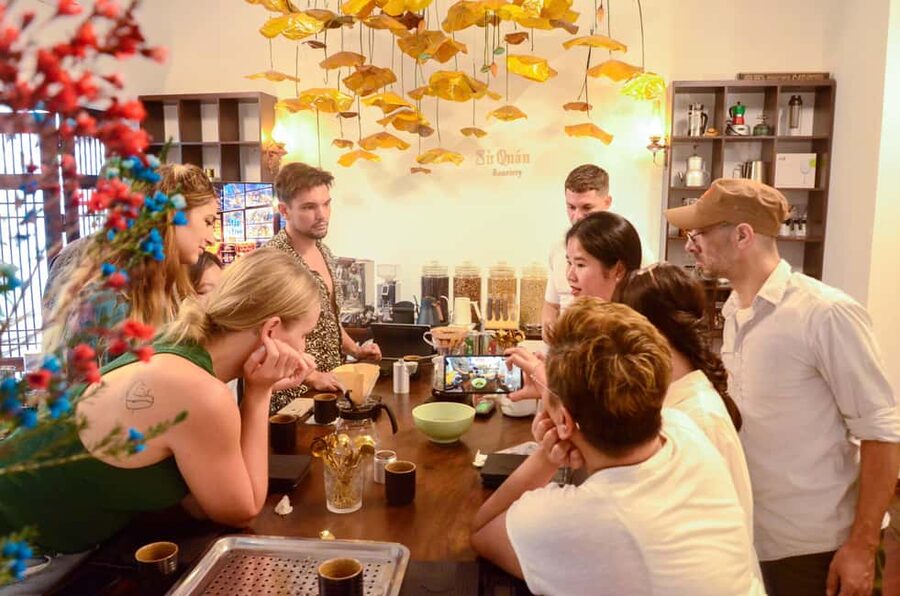
The best classes do not just tell you what to like. They teach you how to recreate it. This one does.
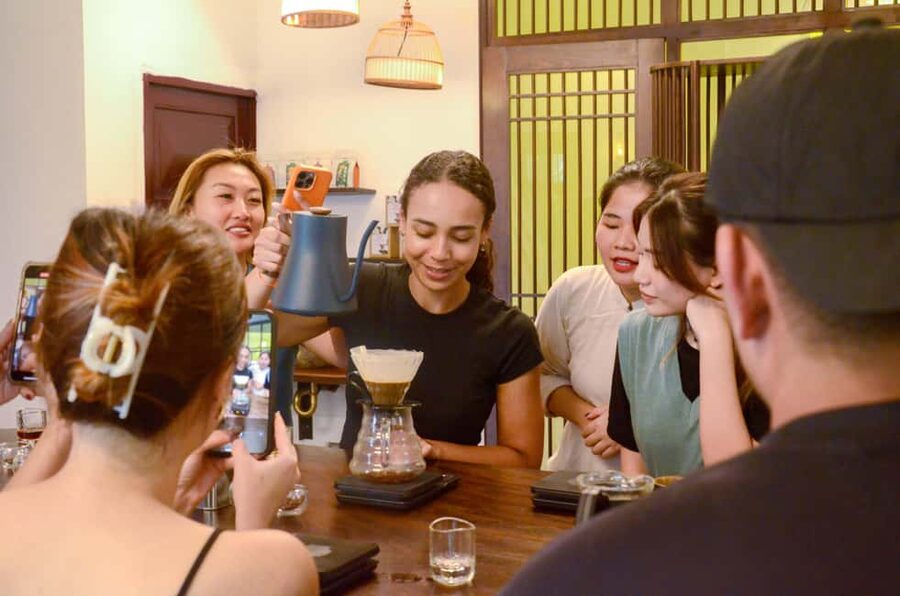
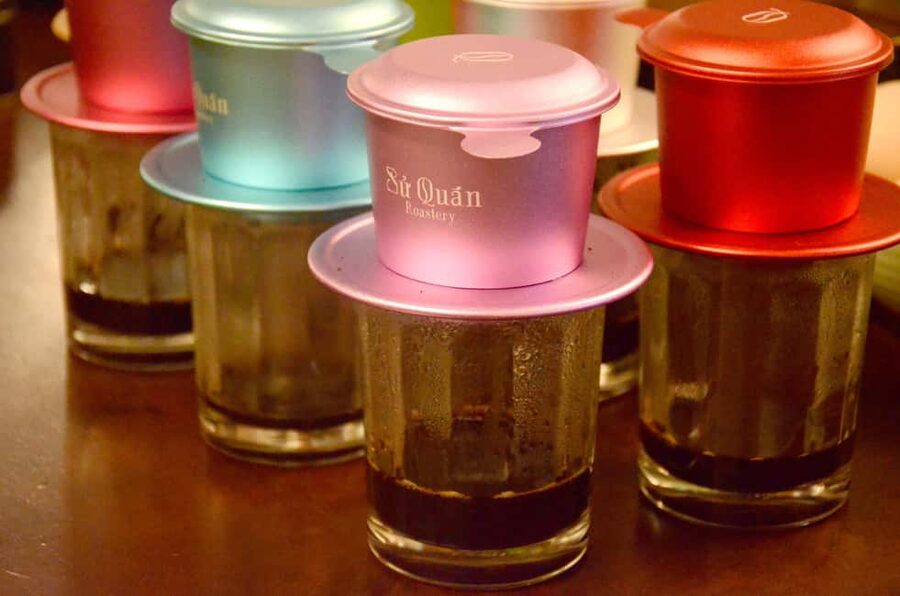
You receive hands-on guidance for brewing lotus tea: how to manage water temperature, steeping time, and tea ratios. Even without exact numbers printed on your brain, the method is what matters. You learn the logic behind why lotus tea behaves differently from everyday tea.
For example, steeping too long can push lotus tea toward more bitterness. Steeping too short may keep aroma from fully opening. Your host helps you hit that balance where you get aroma layers and a smooth finish.
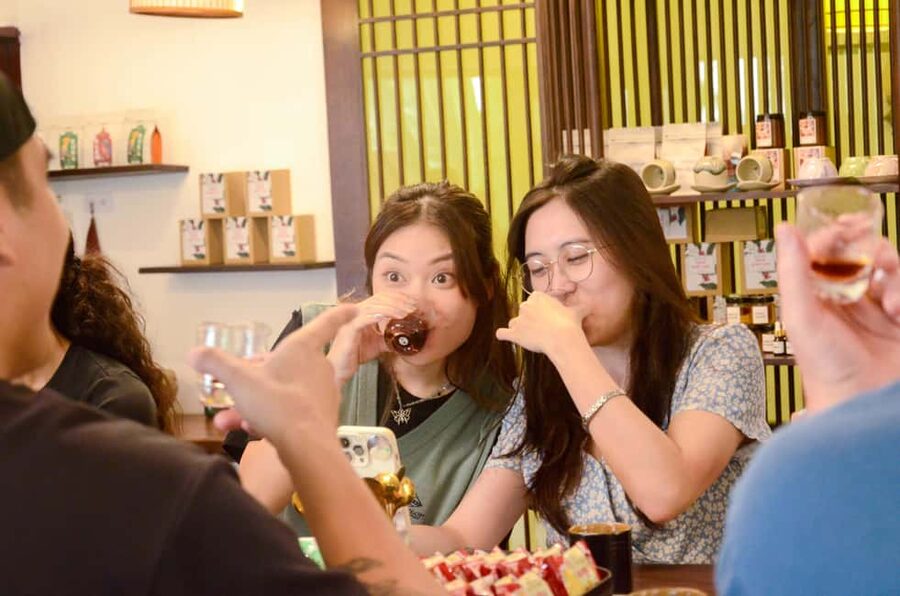
Then comes the tasting practice itself. You take slow sips and train yourself to recognize:
- aroma layers that shift across the cup
- gentle bitterness that does not overwhelm
- a long sweet aftertaste that stays
That is a real skill. Once you know what to look for, tea tasting stops feeling mysterious and starts feeling repeatable.
And when you finish, you are not left only with a memory. The experience includes a recipe book so you can brew the same style at home.
Floating cakes and the scented-tea pairing you will remember
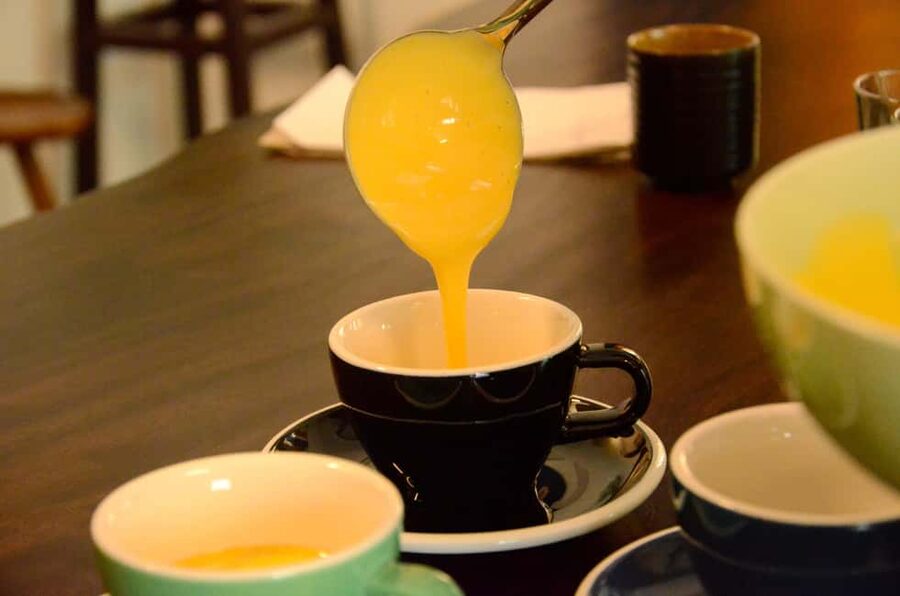
The ceremony ends with a pairing that actually makes cultural sense. You enjoy lotus tea alongside traditional Vietnamese floating cakes. This is not just a random snack add-on. The pairing helps you notice how the tea’s sweetness and aftertaste interact with a traditional bite.
Floating cakes are typically something you do not see in Western tea settings. Here, it gives context for lotus tea as something people drink with food, not only as a standalone beverage.
After the pairing, you compare lotus tea with another Vietnamese scented tea. You are guided to notice what feels different between them, so you can understand lotus tea as its own category rather than lumping all scented teas into one bucket.
That comparison step is underrated. It turns your lesson from, I liked that, into I can explain why it worked. It also helps you shop later, because you start recognizing aroma profiles more confidently.


Price and value: what $28 gets you for 150 minutes
At $28 per person for about 150 minutes, the value comes from how much you actually do. This is not a short tasting where you get a single cup and a polite goodbye.
For your money, you get:
- an engaging workshop covering Hanoi lotus tea history, cultivation, and roasting techniques
- guidance from seasoned tea connoisseurs
- a recipe book you can use anywhere
- pictures shared through a Google link after the workshop
- optional professional certificate if requested
You also add meaning beyond your own experience. Your participation contributes to the education of coffee farmers’ children in Da Lat. That does not change the tea in your cup, but it makes the day feel like it has a purpose.
If you are comparing costs in Hanoi, remember what you are paying for: time, instruction quality, ingredients, and food pairing. Lotus tea takes effort to produce, and the scenting process is labor-heavy. The class format is basically you paying for access to that expertise in a quiet, well-taught setting.
Timing, pickup, and what to plan for in Hanoi traffic
This is a 150-minute experience, and starting times depend on availability. Pickup and drop-off times can vary slightly from the schedule because of actual traffic conditions. In practical terms, I would build in a small buffer so you are not stressed if your pickup is a little later.
The workshop is instructor-led in English and Vietnamese, so you can follow along whether you want the story in your language or want to switch to the other one for extra detail.
There is also a skip-the-ticket-line note. In real life, that is usually about saving a bit of waiting so the ceremony can start smoothly.
Finally, it is wheelchair accessible, which is helpful to know up front if you travel with mobility needs.
Who should book this Hanoi lotus tea ceremony and who might skip it
Book it if you:
- want a calmer activity in Hanoi where you slow down and learn something real
- like tea, especially scented teas, and want to understand the process behind the fragrance
- enjoy hands-on instruction, brewing guidance, and taking home a recipe book
- want a cultural experience that includes both food and a clear sensory focus
Skip it if you:
- want a high-energy day of major sights and constant walking
- get impatient with slow instruction or prefer self-guided wandering
- dislike strong floral aromas, since lotus scent is the whole point of the class
This fits well with couples, solo travelers who like thoughtful activities, and groups who want something that feels different from the typical dinner cruise or quick museum stop.
Should you book the Hanoi Fresh Lotus Tea Ceremony and Untold Stories?
I think it is worth booking if your goal is quality time with tea culture, not just a quick taste. The combination of a mindful start, fresh lotus stamens, authenticity lessons, and brewing practice gives you a complete package you can actually use later. Add the floating cakes pairing and the option for a professional certificate, and the $28 price starts to look like a fair exchange for real learning.
If you are open to quiet, sensory-focused time in a heritage villa, this is the kind of Hanoi activity you will feel in your memory long after the cup is finished. If you need nonstop action, look for a more energetic option that matches your pace.
FAQ
How long is the Hanoi Fresh Lotus Tea Ceremony?
The experience lasts 150 minutes.
What is the price per person?
The price is $28 per person.
Where is this experience located?
It takes place in Northern Vietnam, Hanoi.
What languages are available for the instructor?
The instructor speaks English and Vietnamese.
What is included in the ticket price?
You get a workshop covering Hanoi lotus tea history, cultivation, and roasting techniques, guidance from tea connoisseurs, photos shared via a Google link, and a recipe book. A professional certificate is available if requested.
What food is included?
You will pair the lotus tea with traditional Vietnamese floating cakes.
Do I get brewing instructions I can use later?
Yes. You receive a recipe book with the brews you learn, so you can make them anywhere you go.
Is pickup and drop-off provided?
The experience notes pickup and drop-off times may vary slightly due to traffic. The exact pickup details are not listed here.
Is the experience wheelchair accessible?
Yes, it is wheelchair accessible.
Can I cancel and get a full refund?
Yes. You can cancel up to 24 hours in advance for a full refund.
Can I reserve now and pay later?
Yes. You can reserve your spot and pay nothing today.
More Tour Reviews in Hanoi
Not for you? Here's more nearby things to do in Hanoi we have reviewed












More Hanoi City Tours to consider.
 ★ 5.0Hanoi Jeep Tour: Food, Culture and Fun by Vietnam Army JeepTickets from $5515,222 traveller reviews
 ★ 5.0Full-Day Ninh Binh Highlights Tour from HanoiTickets from $797,761 traveller reviews
 ★ 4.7Ha Long Bay Day Cruise – Swimming, Meal, KayakingTickets from $417,415 traveller reviews
 ★ 4.6Water Puppet Show TicketsTickets from $77,029 traveller reviews
 ★ 5.0Hanoi Motorbike Tour: Food, Culture and Fun by Vintage MotorbikeTickets from $556,699 traveller reviews
 ★ 4.9Guided Food Tour with Train Street VisitTickets from $196,239 traveller reviews
 ★ 5.0Hanoi Cooking Class: Culture, Local Market & Meaning CSR ImpactTickets from $395,147 traveller reviews
 ★ 5.05 Traditional Dishes Hanoi Cooking Class with Market TripTickets from $354,890 traveller reviews