
Review · HANOI CITY TOURS
Hanoi: Master the Art of 4-6 Signature Vietnameses Coffees
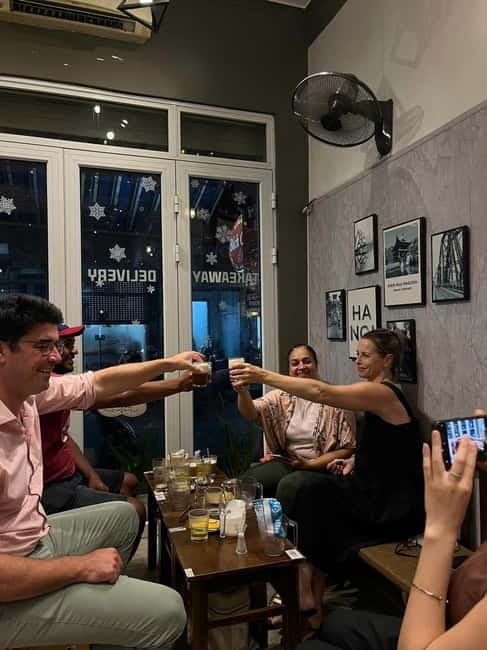
A coffee lesson you actually taste. This Hanoi experience turns Vietnamese coffee into hands-on skill and culture, not a lecture. I love how the class focuses on how locals adjust flavor, so you learn to make coffee taste right for your own palate, with guides like Jade and Eddie sharing stories from Hanoi’s Old Quarter.
You’ll also get something practical: clear ingredients, easy home substitutes, and full recipes for the coffees you make, whether you end up liking black or you start as a skeptic. The only drawback to plan for is that you will be drinking several coffees in a short time, so go with a calm morning or afternoon if you’re sensitive to caffeine.
Key Things That Make This Workshop Worth Your Time
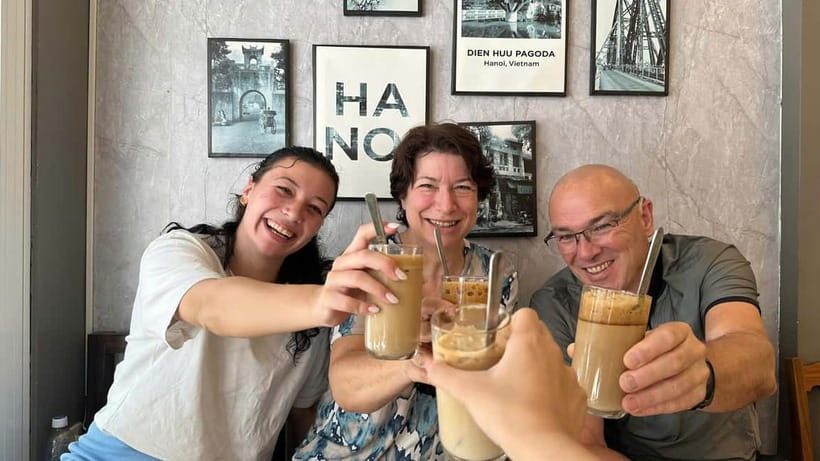
- Small group, no rushing: Limited to 10, with plenty of room to ask questions while your hands are working.
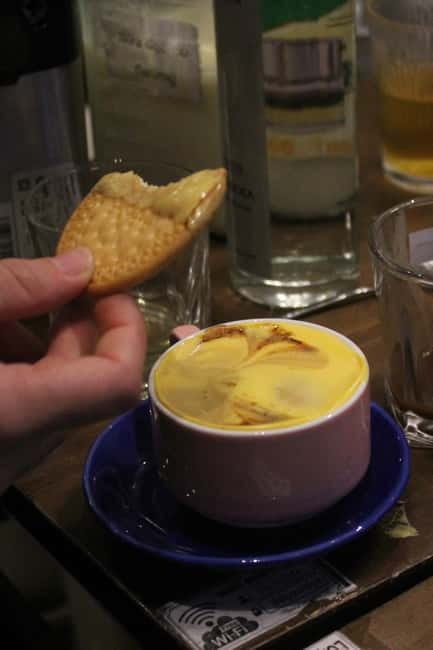
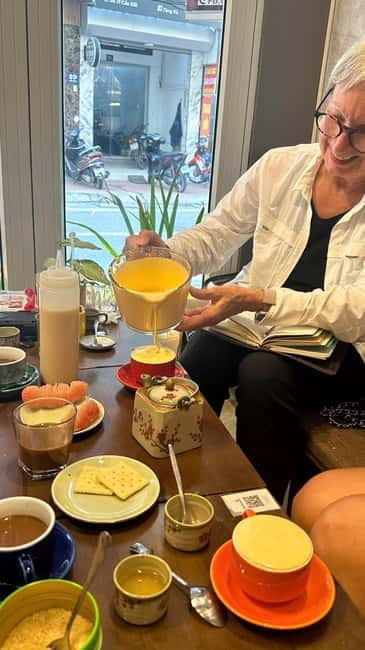
- Make 4 to 6 coffees yourself: Black, brown, egg, white (silver), coconut, and salted coffee, with grinding, brewing, and tasting.
- Learn the local flavor logic: How people balance bitterness and control strength without fancy gear.
- Fresh ingredients, made daily: Eggs, milk, and coconut, plus Vietnamese specialty coffee selected for seasonal changes.
- A real lived-in home setting: Ceramic tools and an everyday atmosphere, not a staged studio.
- After-class value: You leave with full recipes (and lots of tips that translate to home).
Vietnamese Coffee Tastes Like Hanoi, Not Like a Class
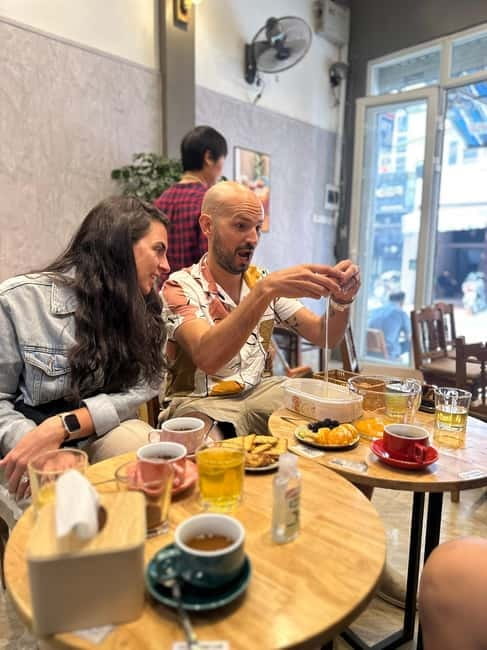
Hanoi coffee has a personality. It’s bold, sometimes sweet in a way that surprises you, and often built around control, not just ingredients. The fun part here is you don’t just learn names. You learn how locals actually experience each cup, then how to shift it until it tastes right.
I especially like that the workshop gives you a method for tasting and adjusting. You’ll grind, brew, whisk, taste, and make corrections while you’re still in the room. That means when you try your final cup, it’s not luck. It’s cause and effect.
One more thing I value: the class feels like it’s happening in an actual home. You’re walking off the street into a lived-in local space where voices drift outside, people pause between brews, and fresh coffee warms the room slowly.
You can also read our reviews of more tours and experiences in Hanoi.



Finding the Place: A Cozy Old Quarter Café That Feels Local
Your meeting point is a cozy café tucked into a peaceful corner of Hanoi’s Old Quarter. It’s close enough to help you get your bearings fast, including near the Hanoi Opera House and the French Quarter area, with the Red River and Vinh Tuy Bridge not far off.
Because it’s in the Old Quarter, you can fold this into a bigger day. I’d pair it with wandering after, when you can actually recognize coffee habits around you instead of just seeing storefronts.
Walking Into the Home Workshop and Why That Matters
This isn’t a large classroom setup. The group stays small, and the space is the point. You touch ceramic tools that come from local pottery villages, not plastic demo gear. You also work with ingredients that are prepared fresh daily, including eggs, milk, and coconut.
The atmosphere does two things for you. First, it lowers the pressure. Your guide can slow down when you need it, instead of counting minutes. Second, it makes the tasting feel honest. You aren’t drinking from a “tourist” cup. You’re drinking like a person in the home.
Practical comfort shows up too. There’s air conditioning, clean restrooms, and sterilized utensils with a dishwasher in the background. If you’re traveling with family, childcare service is available, and the space includes a pet-friendly garden area.
The Hands-On Part: Making 4 to 6 Signature Coffees
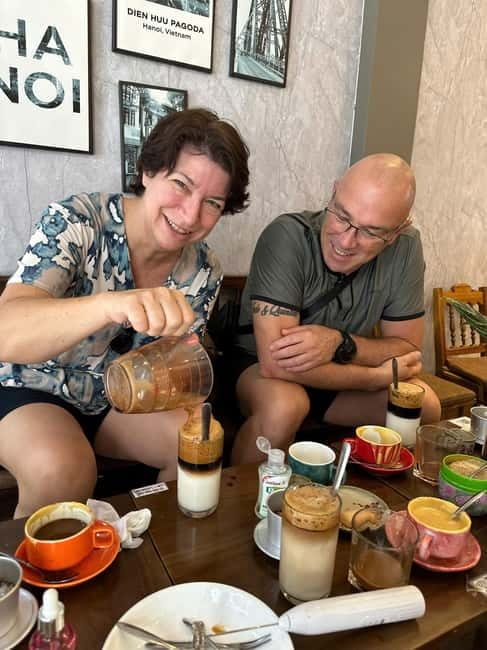
Here’s what you’ll do: you’ll make 4 to 6 iconic Vietnamese coffees, including black, brown, egg, white (silver), coconut, and salted coffee. Every cup is fully hands-on. That means you will not be standing there watching while someone else does the work.
You’ll also learn the flow in a way that sticks:
- Grind your coffee and control how you start
- Brew, then taste as you go
- Adjust sweetness, strength, and balance based on what you like
- Whisk where needed and watch foam and texture change
A key detail I’d underline is personalization. You can make the result sweeter, bolder, or stronger and still keep the original character of each coffee style. That’s the part that helps after you go home, because your kitchen is not the workshop kitchen.
The Local Skill: How People Balance Bitterness and Strength
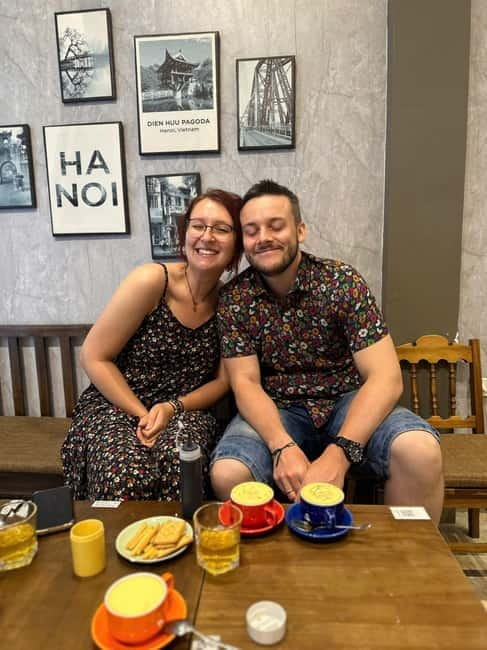
Vietnamese coffee isn’t just about having a signature recipe. It’s about making it taste good on that particular day, for that particular person. The workshop teaches you exactly that, with practical guidance on how locals handle bitterness and control strength.
This is where the class feels different from a basic brewing session. You’re learning to taste and then make corrections. If your cup tastes too harsh, you learn what to adjust next. If it tastes flat, you learn how to push flavor without turning the coffee into something unrecognizable.
A nice bonus: you learn how to make coffee taste better without fancy equipment. The workshop aims to give you repeatable wins, not a shopping list.
And in case you’re wondering about filters, you might use a phin filter style brewing method during the session, since instructors commonly teach phin filter techniques as part of Vietnamese brewing.
The Ingredients: Seasonal Beans and Fresh Daily Prep
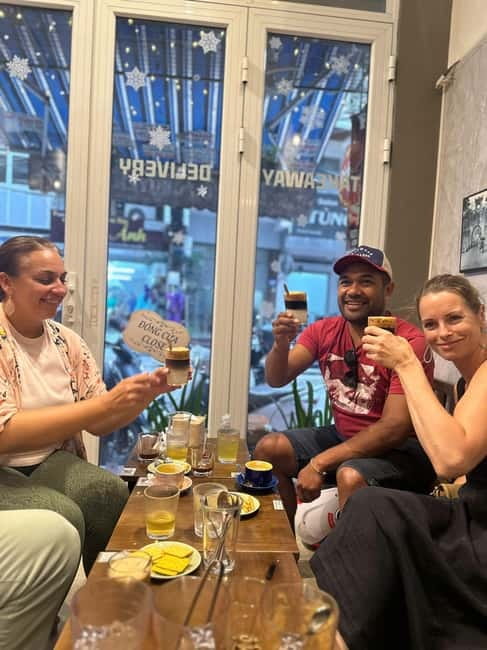
You’ll be using Vietnamese specialty coffee, selected for quality and tasting performance. Beans are sourced from Vietnam’s Central Highlands, and the workshop uses seasonal harvests, meaning coffee can change throughout the year.
That matters because flavor isn’t static. If you take this class in a different season, you might notice the coffee behaves slightly differently. You’ll still learn the core technique, but you’ll also understand why your cup doesn’t have to be identical to someone else’s.
On top of that, ingredients are prepared daily. Eggs, milk, and coconut are handled fresh, and nothing is pre-made or artificial. That freshness shows up in taste and also in how your workshop experience feels, because you’re working with real food textures, not shelf-stable shortcuts.
Tools, Taste, and Small Surprises Along the Way
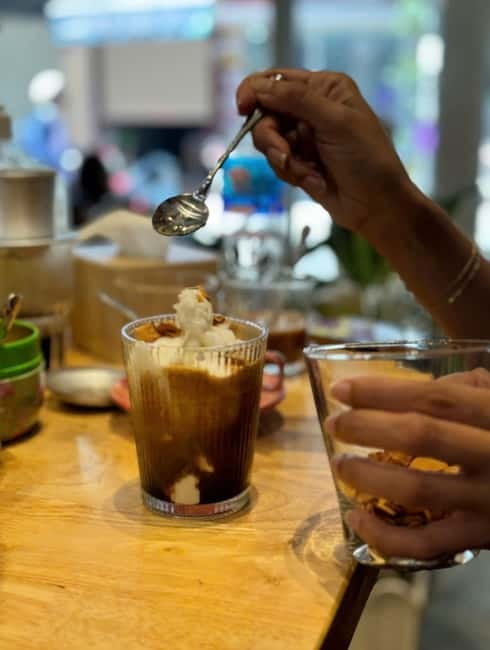
The workshop uses ceramic tools that you can feel as you work. The texture of grounds, the look and feel of foam, and the way aroma changes as you adjust sweetness or strength all teach you something.
The biggest surprise factor is that the class is designed to feel like a real pace of coffee making. There are quiet moments and everyday life sounds outside. It’s not constant performance energy.
Also, you may notice the space has a pet-friendly garden and, in some sessions, a friendly animal might be part of the room’s rhythm. It’s not a gimmick. It’s just Hanoi feeling like Hanoi.
Who Guides You, and Why Their Stories Stick
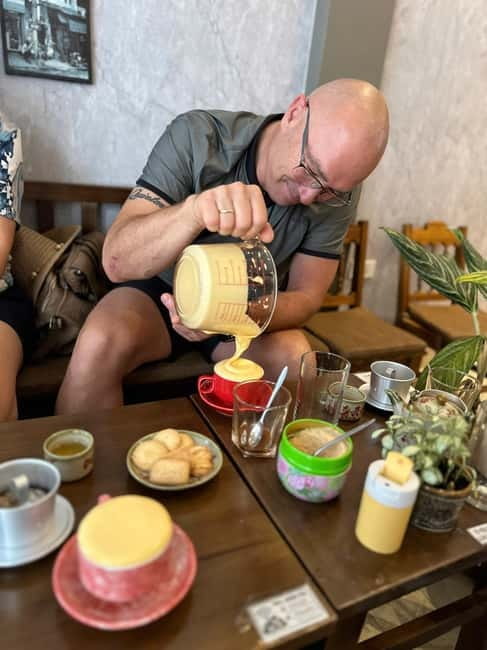
You’ll be taught by Vietnamese and English-speaking instructors, and the workshop includes a photographer role where your instructor takes photos during the session. But the teaching doesn’t stop at the recipe.
Your hosts grew up in Hanoi’s Old Quarter with coffee in their daily life. They learned through grandparents, chefs, street cafés, and years of tasting and experimenting. You’ll get the “why” behind the flavor, not just the “how.”
In practice, that means the history and culture land as you work. Guides like Jade and Eddie are mentioned as friendly, attentive teachers who explain steps clearly and share context behind each coffee style. Others like Daisy and Jessica also show up with strong storytelling and helpful local recommendations, so the experience often turns into a mini guide to Hanoi beyond coffee.
One more thing I liked about this kind of storytelling: it gives meaning to why Vietnamese coffee evolved the way it did in daily life, especially around mornings, changing tastes, and what people order in the Old Quarter.
What You’ll Get to Take Home: Recipes That Actually Work
This is one of the highest value points of the workshop. You don’t leave empty-handed. You get full recipes and additional material designed to help you recreate the coffees at home.
The recipes are explained in a home-friendly way, including easy substitutes if you do not have identical ingredients or tools. That’s important. Many travel classes give you a complicated method. This one focuses on repeatable outcomes.
You’ll also have your personal adjustments in mind. Since you taste, adjust, and re-taste during class, you’ll remember what sweeter, bolder, or stronger feels like for your own preferences.
If you like coffee but hate the guesswork, this is the fix.
Price and Value: What $22 Buys in Real Brewing Practice
At $22 per person for 1 to 2 hours, this is priced like a small, focused workshop. For that money, you get more than coffee. You get:
- A small group format (up to 10)
- Hands-on time making multiple signature coffees
- Practical flavor coaching on bitterness and strength
- Fresh ingredient handling and proper tools
- Full recipes and home-friendly guidance
In other words, you’re paying for time plus technique transfer. If you normally buy Vietnamese coffee by the cup, this class can feel like a shortcut to understanding what you like so you can order better or make it at home.
The caffeine factor is real, but it’s also part of the value. You drink several coffees you helped make, so you’re not just learning theory.
The Logistics That Affect Your Experience (Without the Fuss)
This runs for 1 to 2 hours, depending on the session and your group pace. The instructor speaks Vietnamese and English, and the workshop is wheelchair accessible. It also includes clean restrooms and an air-conditioned space, which helps in Hanoi’s warmer moments.
If you’re bringing kids, childcare service is available, which is a big plus for families.
One caution: it is not suitable for babies under 1 year, and it is not designed for people over 95 years. If you’re in that age range, it’s worth checking with the provider before booking.
Who This Workshop Is Best For
This workshop is ideal if you fall into one of these buckets:
- You love coffee and want hands-on learning, not just tasting
- You’ve tried Vietnamese coffee and want to understand what you’re actually tasting
- You want recipes you can use at home with easy substitutions
- You like small-group activities where guides can adapt to questions
It’s also a smart choice for your first days in Hanoi. It gives you coffee context right away, and some instructors share food and coffee recommendations around the Old Quarter, so you can turn the class into a jump-start for your wider trip.
Should You Book This Hanoi Coffee Workshop?
If you want a coffee experience that feels real, not staged, this is a strong yes. You get hands-on brewing practice, multiple signature cups, and teaching that focuses on taste control, not fancy equipment. The $22 price fits the format, especially because you leave with full recipes you can actually use.
I’d skip it only if you know you cannot handle drinking several coffees in a short session, or if you prefer to watch rather than do. Otherwise, book it early in your Hanoi stay. You’ll drink better coffee for the rest of your trip, and you’ll have a method for making it your way at home.
FAQ
How much does the Hanoi coffee workshop cost?
The price listed is $22 per person.
How long is the experience?
It lasts 1 to 2 hours.
What coffees will I learn to make?
You’ll make 4 to 6 signature Vietnamese coffees, including black, brown, egg, white (silver), coconut, and salted coffee.
Is the workshop hands-on?
Yes. You’ll be fully hands-on, including grinding, brewing, whisking, tasting, and adjusting.
What does the experience include?
It includes coffees and teas, full recipes (and more), a local instructor, and a photographer who takes photos. It also includes warm welcome from local elders, air conditioning, clean restrooms, sterilized utensils, and dishwasher support.
Where is the meeting point?
You meet at a cozy local café hidden in a peaceful corner of Hanoi’s Old Quarter, near the Hanoi Opera House, the Red River, Vinh Tuy Bridge, and the French Quarter.
What language is the instructor?
The instructor speaks Vietnamese and English.
Is the group size small?
Yes. It’s a small group limited to 10 participants.
Is childcare available?
Yes, childcare service is available.
More Tour Reviews in Hanoi
Not for you? Here's more nearby things to do in Hanoi we have reviewed












More Hanoi City Tours to consider.
 ★ 5.0Hanoi Jeep Tour: Food, Culture and Fun by Vietnam Army JeepTickets from $5515,222 traveller reviews
 ★ 5.0Full-Day Ninh Binh Highlights Tour from HanoiTickets from $797,761 traveller reviews
 ★ 4.7Ha Long Bay Day Cruise – Swimming, Meal, KayakingTickets from $417,415 traveller reviews
 ★ 4.6Water Puppet Show TicketsTickets from $77,029 traveller reviews
 ★ 5.0Hanoi Motorbike Tour: Food, Culture and Fun by Vintage MotorbikeTickets from $556,699 traveller reviews
 ★ 4.9Guided Food Tour with Train Street VisitTickets from $196,239 traveller reviews
 ★ 5.0Hanoi Cooking Class: Culture, Local Market & Meaning CSR ImpactTickets from $395,147 traveller reviews
 ★ 5.05 Traditional Dishes Hanoi Cooking Class with Market TripTickets from $354,890 traveller reviews