
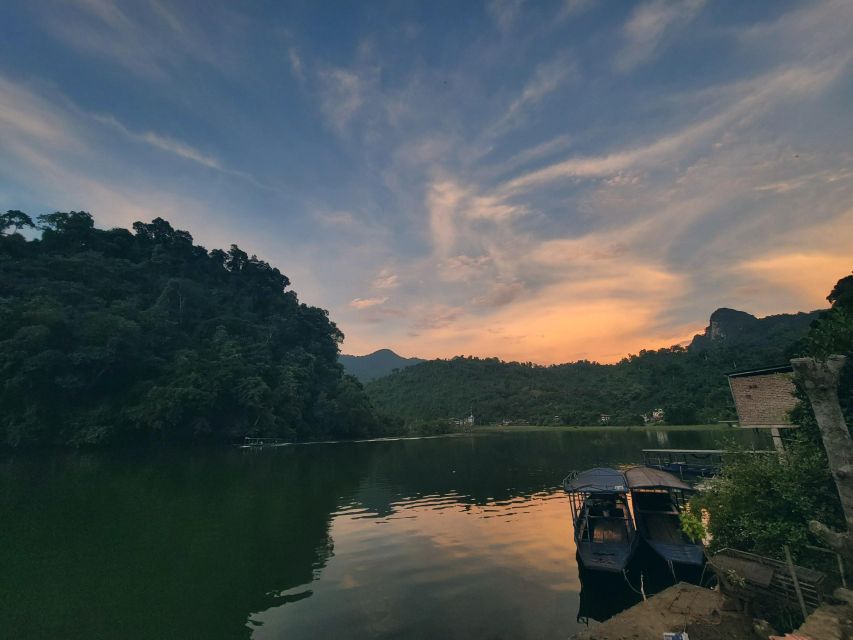
Review · HANOI CITY TOURS
Hanoi: 3-Day Tour to Ban Gioc Waterfall and Ba Be Lake
Three days, two frontiers, one big wow factor.
This tour strings together Ba Be National Park and Cao Bang’s border region, ending at the mighty Ban Gioc Waterfall. I especially like the mix of people time, like staying with families, and water time, like bamboo raft and kayak moments. The tradeoff is you are on the move most days, with real walking, and it runs rain or shine.
In my experience, what makes this route work is the pacing between big sights and slower stretches. You get a guided push through passes, gates, and historic spots, then you earn the quiet with lake time and trekking. One more heads up: this loop is not a couch tour, and it is not suitable for people over 70.
If you want a North Vietnam trip that feels remote, personal, and well organized, this is a strong value. The small group size and English-speaking guide help you actually understand what you see, instead of just taking photos and hoping.
Key highlights you should care about

- Small group size (15 max) keeps the guide’s attention useful, not rushed.
- Homestays with local families give you daily-life context, not just sightseeing.
- Ban Gioc bamboo raft tour puts you close to the falls with guided safety.
- Ba Be Lake kayaking and boat cruise lets you explore in a slower, more scenic way.
- Nguom Ngao cave walking tour adds a rugged, physical change of pace.
- Trekking time on Day 3 is the one moment that can surprise you if you are not used to hiking.
Why this Cao Bang to Ba Be route feels different from a bus tour
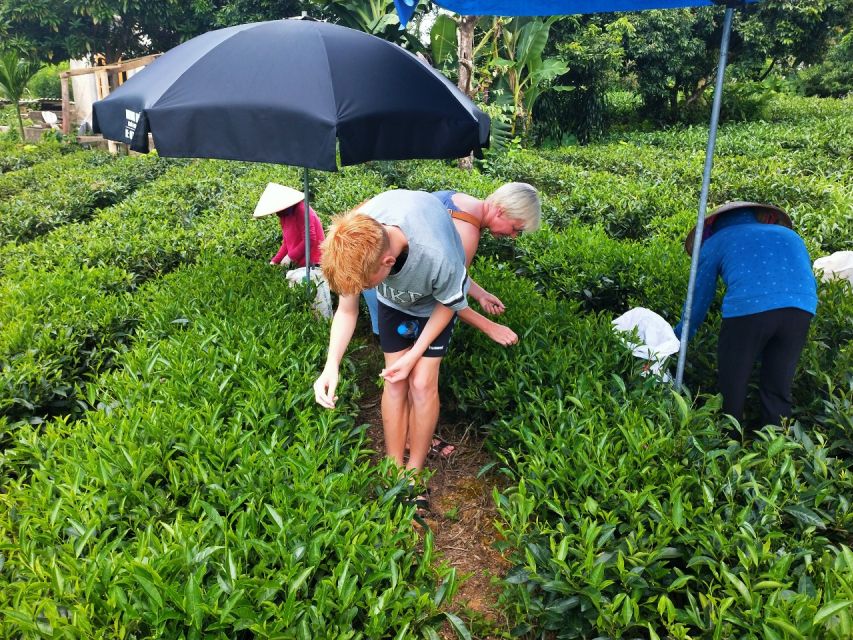
A lot of Northern Vietnam tours promise nature, then mostly deliver bus windows and a few quick stops. This one is built around three layers that you can feel as the days go by.
First, you start with motion through the borderlands. You pass through Chi Lang Pass and the Quy Mon Quan gate area, then you reach Dong Khe battle site territory. Those stops do not just fill a schedule. They help you understand why Cao Bang has a frontier feel. The region is sparsely populated, and you notice it fast once the roads leave the main corridor.
Second, the tour gives you water in two very different moods. Ban Gioc Waterfall is loud, dramatic, and close-up by bamboo raft. Ba Be Lake is calmer and slower, with boat cruising and kayaking that lets you drift and look for birds and shoreline shapes instead of chasing a single view.
Third, you sleep in local homes and move with an English-speaking guide. That combination is why this feels more like a cultural road trip than a sightseeing checklist. You get to try local rhythms, hear explanations while you walk, and ask questions during breaks.
More Hanoi tours and experiences for the shortlist


Price and what you actually get for $295 per person
At $295 per person for 3 days, the real question is whether the included pieces are doing the heavy lifting. In this case, they are.
You get:
- Round-trip transportation from selected Hanoi hotels in an air-conditioned vehicle, plus insurance for the transport.
- A professional English-speaking guide and driver.
- Meals as listed (breakfast, lunch, dinner).
- Homestay lodging in Cao Bang and in Ba Be National Park.
- Bottled water during the tour.
- Key activities that are often priced separately: bamboo raft on Ban Gioc, kayak and boat tour on Ba Be Lake, hiking, and the Nguom Ngao cave walking tour.
- Sightseeing tickets and travel permits for frontier areas.
- A 24/7 hotline support option if something goes sideways.
What is not included is also important:
- Single supplement (so plan on sharing a room if you want the base price).
- Travel insurance.
- Flights and taxes.
- Drinks and personal spending.
For most people, the included permits and the big paid activities (raft, kayak, cave walking) are where the value shows up. If you tried to piece this together on your own, the logistics in remote border regions would eat time and cost. This tour hands you a ready-made route, with the guide doing the connecting.
Day 1: Chi Lang Pass, Quy Mon Quan gate, Dong Khe, then ethnic village life

Day 1 is the “get oriented to the region” day. You start with a Hanoi pickup, then you begin moving through northern stretches that gradually feel less like Vietnam’s city life and more like a frontier road.
A short stop gives you a viewpoint break and a chance to reset. From there, the tour leans into history and geography:
- Chi Lang Pass: you see how elevation and weather shape travel here. On clear days, the long sightlines make sense of why these routes matter.
- Quy Mon Quan gate: a reminder that this area was not just scenery. It was a crossroads with meaning.
- Dong Khe battle site: this is where the tour turns educational, not just scenic. The guide’s explanations help you understand what you are looking at, instead of treating it like a photo stop.
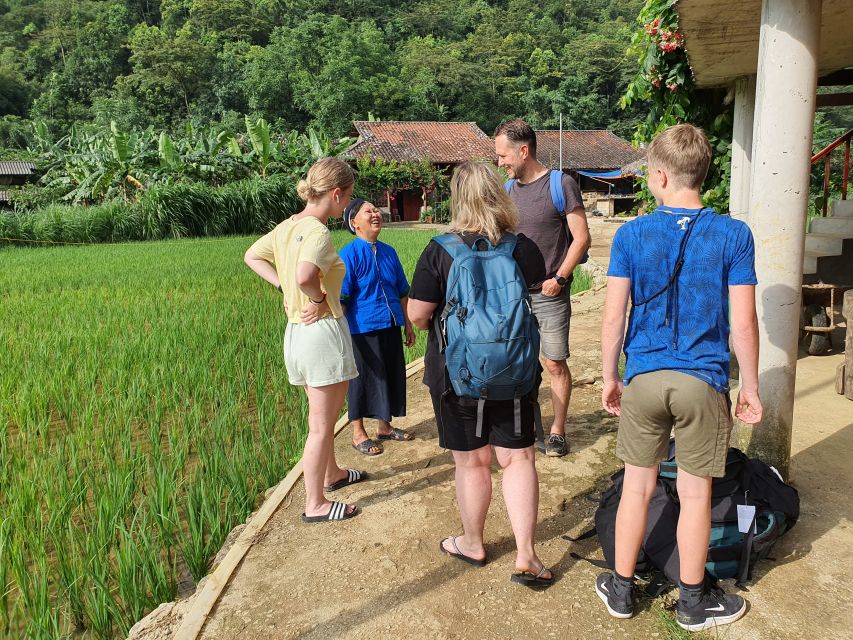
Then you reach ethnic villages. This is one of the reasons I like this tour format. You are not just watching from a distance. You get time for small interactions, and you learn customs in a way that feels normal and human, not staged.
The day ends with an overnight stay in the Trùng Khánh district area. In practice, this is where you feel the tour’s emphasis on local accommodation. One of the best-rated parts of this experience is that the homestays were authentic but still clean, with a level of comfort that makes the experience doable after a long travel day.
Day 1 drawback to plan for
Day 1 includes a 3 to 5 km walk as part of the village and sightseeing mix. That is not extreme trekking, but it is still walking time after hours in the vehicle. Comfortable shoes matter more than you might think.
Day 2: Ban Gioc Waterfall by bamboo raft, then Nguom Ngao Cave and Ba Be National Park
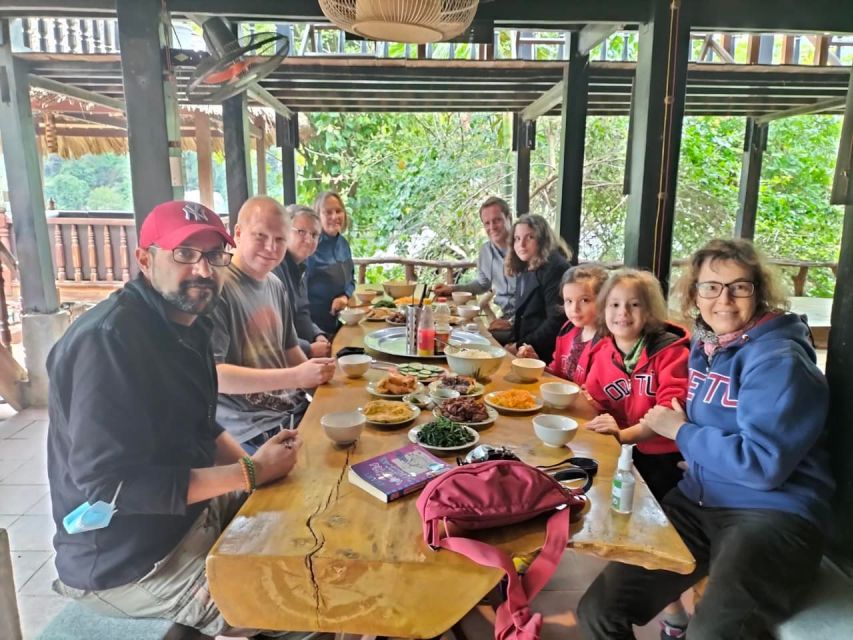
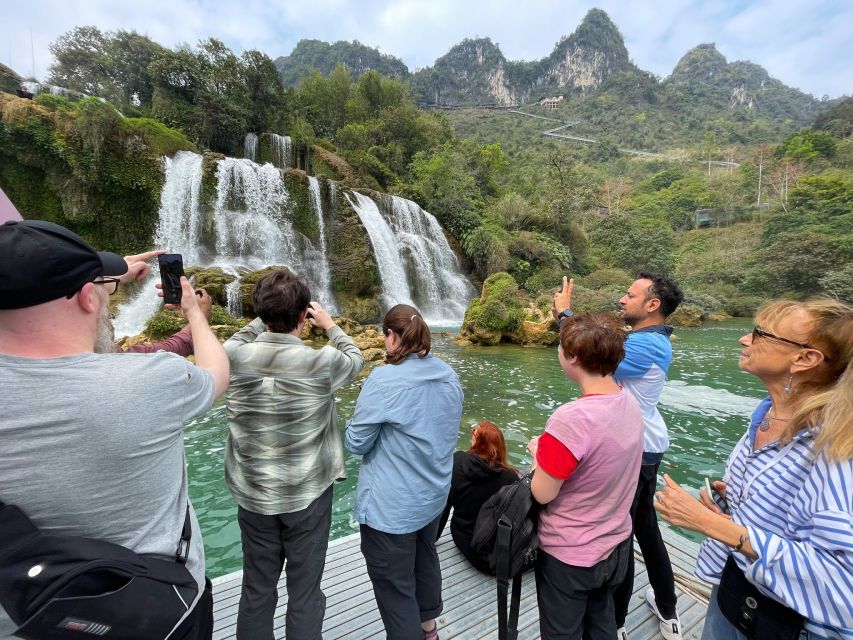
Day 2 is the headliner day, and the schedule shows it. You move from Cao Bang toward Thác Bản Giốc, also known as Detian Falls. You get a photo stop first, but the real value is the guided visit and walking time, plus the bamboo raft experience.
The bamboo raft portion is the moment most likely to feel worth the whole tour. It turns Ban Gioc from a distant spectacle into something you can feel in the air and hear in your ears. You get closer than most “look and go” waterfall stops.
After that, the day shifts into a different kind of adventure: Nguom Ngao Cave. You do a walking tour inside the cave area, which is a smart contrast to the open, wet world of the falls. It also breaks up fatigue. Instead of another long stretch of roadside views, you focus on a guided route through a different environment.
Then you head into Ba Be National Park for overnight. This is where the trip changes tone. Outside the park, you get a frontier feel. Inside the park, you get a big natural system that feels older and quieter. This sets up your final day on the lake.



Day 2 consideration
Cave and waterfall experiences can be affected by rain and humidity. The tour runs rain or shine, so you should assume you will get damp. Bring clothing you can layer and dry.
Day 3: Ba Be Lake boat cruise, kayaking, An Ma Temple, and a final 7 to 10 km trek
Day 3 is where you cash in on Ba Be. The lake portion is not a quick drive-by. You get:
- Boat cruise on Ba Be Lake
- Kayaking
- Hiking time in the park (including a trekking element that can reach 7 to 10 km)
A guided boat and kayak day changes how you perceive the park. From the water, the shoreline structure and rock shapes make more sense. It is also a calmer way to see a region that otherwise feels rugged.
Along the route, you visit An Ma Temple. I like this stop because it adds a human anchor to the scenery. You are not only seeing nature and wildlife. You are also touching the way local communities connect with place.
Then come Tay ethnic villages. In a good way, this is the part that helps the trip feel complete. You see how people live when there is no big tour crowd around every corner. It makes the frontier history you learned earlier feel connected to present-day life.
Day 3 drawback to take seriously
The big physical factor on this day is the 7 to 10 km trekking. If you are fit and used to walking, it will feel like the right kind of effort. If you are not, it can become the hardest part of the tour.
My practical advice: think about your shoe grip and your pace more than speed. Take the breaks your guide offers. The tour includes a guide for a reason, so use their timing and route choices.
Homestays in Cao Bang and Ba Be: authentic, but plan for basic comfort
This tour’s standout rating is tied to the lodging. The homestays in Cao Bang and at Tay’s House in Ba Be National Park are described as authentic and still clean, with enough comfort to rest and reset.
What I find useful for your decision is how the homestay supports the day. You are not just sleeping somewhere. You are staying close to the village rhythms that shaped the culture you are learning about. That matters on a trip like this, because the tour includes ethnic villages and village walks.
Your expectations should be realistic. You are in rural North Vietnam. You should expect simpler facilities than a hotel chain. The good news is the comfort level is good enough that most people can focus on the experience rather than worrying about the basics.
The small group advantage, and why the guide matters
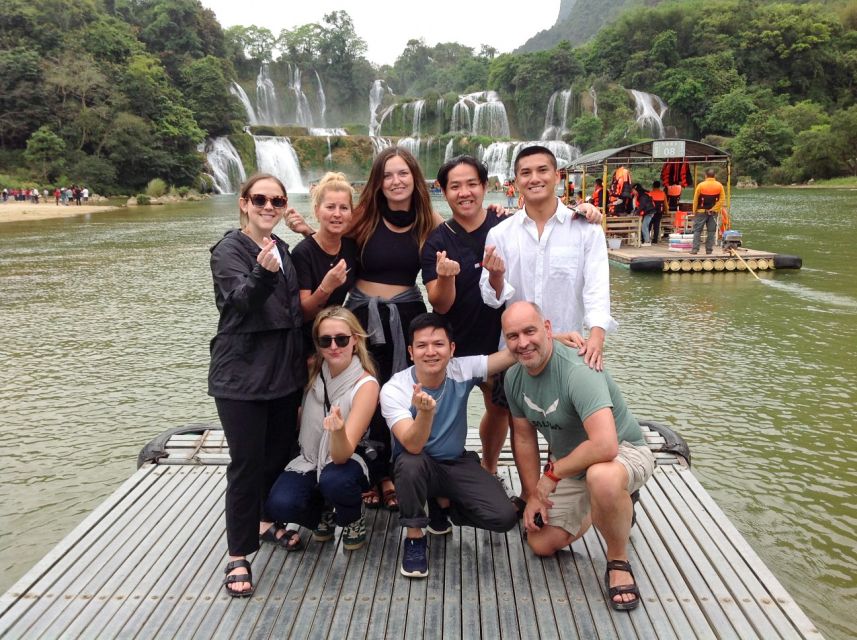
This is a small group tour limited to 15 participants, and you feel that difference. When fewer people ride together, the guide can keep the day flowing and manage the walking breaks better.
One review detail that sticks out is how the guide kept things well planned. In my experience, that is not a luxury on a remote route. It is how you avoid long gaps, confusion at stops, and rushed activity transitions. On this route, that planning shows up in the balance between vehicle time, walking time, and the featured activities like raft and kayaking.
It also helps that the tour runs with an English-speaking guide. You can ask direct questions about places like Chi Lang Pass, Quy Mon Quan gate, and the cave. Without that guidance, a lot of border-region history becomes vague background noise.
If you meet your guide in the morning, you will spot them easily because they wear a green shirt with the company logo. That small practical detail saves time when you are matching faces in a hotel lobby.
What to bring, and how to handle rain or humidity
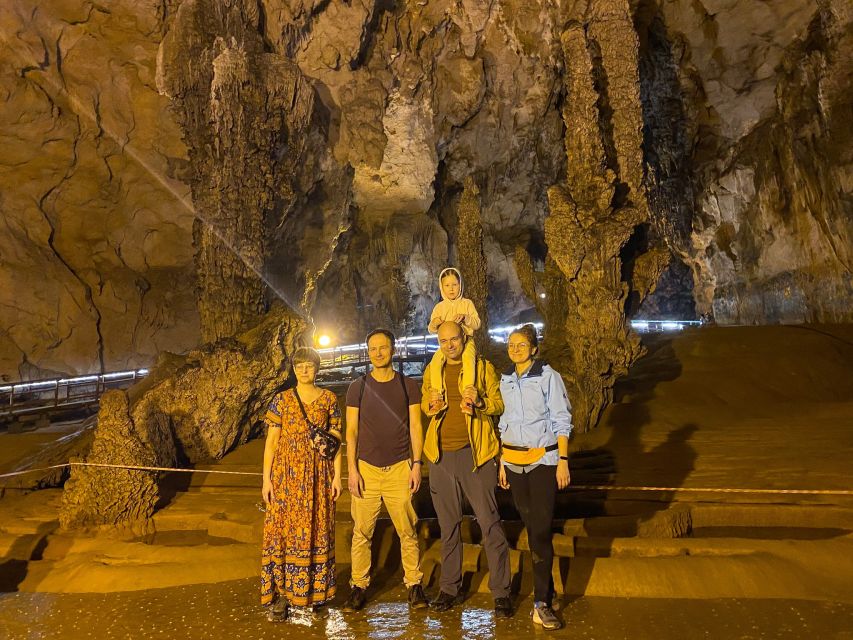
The tour is designed for outdoors, so pack like you mean it.
Bring:
- Passport or ID card (you need it for permits in frontier areas)
- Outdoor clothing
- Comfortable shoes for walking and trekking
- Light layers for morning and evening shifts
The tour runs rain or shine. That means you should plan for wet conditions, especially around waterfalls and cave areas. If you pack one thing you can dry later, you will feel calmer.
Not allowed:
- Alcohol and drugs
So if you are thinking of a celebratory drink on day two, save that plan for after the tour ends.
Also note: the tour is not suitable for people over 70. If you are near that cutoff, check with the provider before booking.
Getting the most value from your 3 days
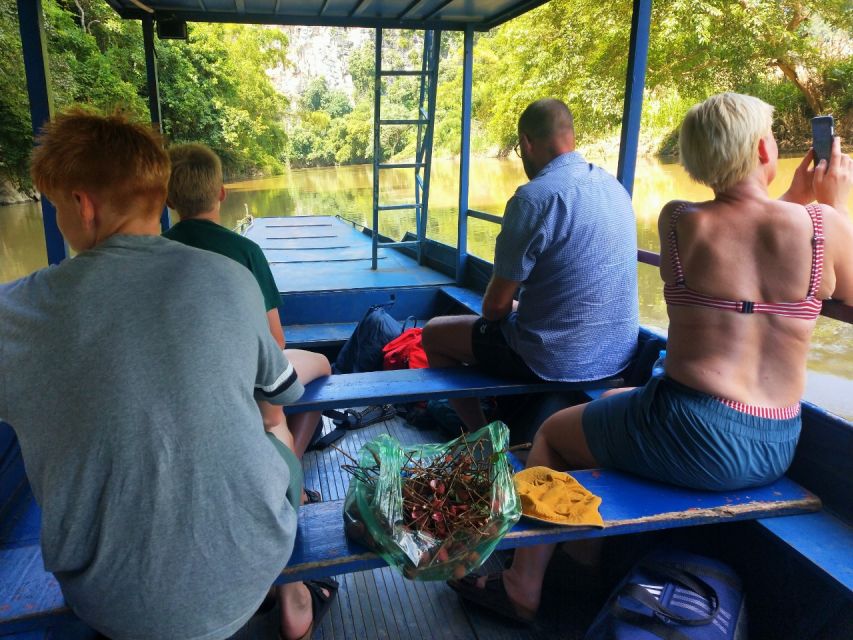
Here are a few ways to make the most of the route, even if you only care about the highlights.
- Pace your water energy. You have both raft and kayaking, plus walking on day three. Save your toughest legs for the trek and keep the first two days steady.
- Use the guide’s explanations at the historic stops. Chi Lang Pass, Quy Mon Quan gate, and Dong Khe battle site are more meaningful when you know what you are looking at.
- Treat the homestays as part of the tour. Eat what is offered, ask simple questions, and you will likely get more from your conversations than you expect.
- Bring a dry change for day three. After kayaking and trekking, you will be grateful.
Should you book this Hanoi to Ban Gioc and Ba Be tour?
Book this tour if you want:
- A small-group North Vietnam trip that feels off the main tourist loop
- A mix of water experiences (Ban Gioc raft plus Ba Be kayaking)
- Real walking time and a chance to see ethnic villages
- Included logistics for frontier permits and remote transport
Skip it, or choose a different style, if:
- You dislike long driving days and prefer cities over rural travel
- You are not comfortable with 3 to 5 km walking on day one and 7 to 10 km trekking on day three
- You want a more hotel-based, low-effort experience
If you fit the active, curious traveler profile, this is the kind of itinerary that gives you more than photos. It connects nature, history, and daily life across a remote part of Northern Vietnam, with practical support and included activities that justify the cost.
FAQ
How long is the tour?
It is a 3-day tour.
What is the price per person?
The price is $295 per person.
Is an English-speaking guide included?
Yes. The tour includes an experienced English-speaking guide.
What activities are included at Ban Gioc and Ba Be?
Ban Gioc includes a guided visit and a bamboo raft tour on the falls. Ba Be National Park includes a boat cruise and kayaking, plus a hiking tour. The trip also includes a Nguom Ngao cave walking tour.
Where do you stay overnight?
You stay at Nung’s Homestay in Cao Bang on one night, and at Tay’s House in Ba Be National Park on the other night.
Are meals included?
Yes. Meals are included as stated in the itinerary, with B for breakfast, L for lunch, and D for dinner. Vegetarian and vegan food is available.
What should I bring and should I expect rain?
Bring your passport or ID card and outdoor clothing. The tour takes place rain or shine, so plan for wet conditions.
More 3-Day Experiences in Hanoi



More Tours in Hanoi
- Ninh Binh Full-Day Tour from Hanoi to Hoa Lu, Tam Coc & Mua Cave Via Boat & Bike
★ 5.0 · 4,384 reviews

More Tour Reviews in Hanoi
Not for you? Here's more nearby things to do in Hanoi we have reviewed









More Hanoi City Tours to consider.
 ★ 5.0Hanoi Jeep Tour: Food, Culture and Fun by Vietnam Army JeepTickets from $5515,222 traveller reviews
 ★ 5.0Full-Day Ninh Binh Highlights Tour from HanoiTickets from $797,761 traveller reviews
 ★ 4.7Ha Long Bay Day Cruise – Swimming, Meal, KayakingTickets from $417,415 traveller reviews
 ★ 4.6Water Puppet Show TicketsTickets from $77,029 traveller reviews
 ★ 5.0Hanoi Motorbike Tour: Food, Culture and Fun by Vintage MotorbikeTickets from $556,699 traveller reviews
 ★ 4.9Guided Food Tour with Train Street VisitTickets from $196,239 traveller reviews
 ★ 5.0Hanoi Cooking Class: Culture, Local Market & Meaning CSR ImpactTickets from $395,147 traveller reviews
 ★ 5.05 Traditional Dishes Hanoi Cooking Class with Market TripTickets from $354,890 traveller reviews
More useful Hanoi routes