
Review · HANOI CITY TOURS
From Hanoi: 3 Days Sapa Trekking & Ethnic Villages by Dcar
Sapa’s trails start with a long, comfortable ride. This 3-day trip from Hanoi blends ethnic village culture with two scenic treks, and it keeps your logistics simple with round-trip limousine transfers and a 3-star base in town.
I especially like the small group size (max 10), because it makes the pace feel calm instead of chaotic. I also like that the trip includes key meals and a local speaking guide, with names like Ms. Mei and Mikey showing up in guest feedback for being helpful and organized.
The main thing to consider is effort level and weather. You’ll be trekking in Sapa’s cool conditions (average around 15°C), so bring gear for misty mornings and plan for a moderate climb on days 2 and 3.
Key highlights you will actually care about
- DCAR round-trip Hanoi to Sapa with pickup from Hanoi’s Old Quarter
- 2 nights in a 3-star hotel in Sapa, plus breakfast and lunches included
- Trek structure built around Cat Cat Village and Ham Rong (Dragon’s Jaw) Mountain
- Small group cap of 10 travelers, which usually means easier guidance and less waiting
- Local speaking guides reported as supportive, including Ms. Mei and Mikey
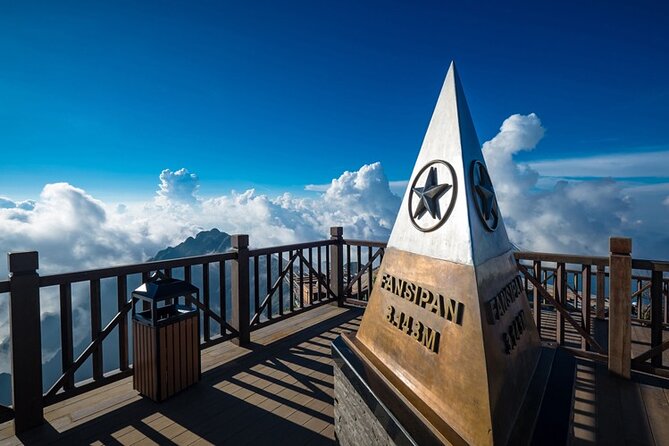
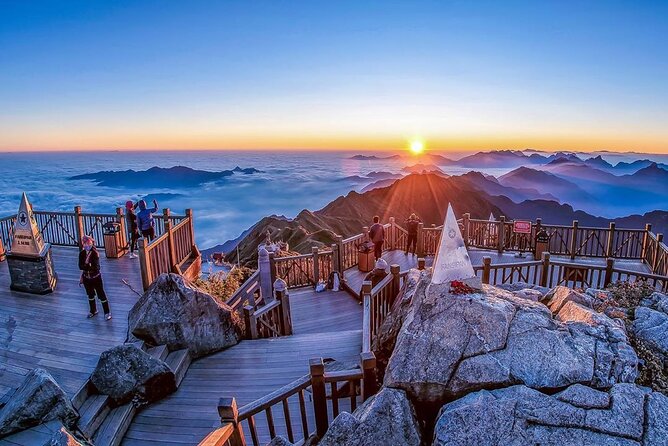
- Fansipan is optional and not included if you want to cable car up
Hanoi to Sapa, with DCAR transport that sets the tone
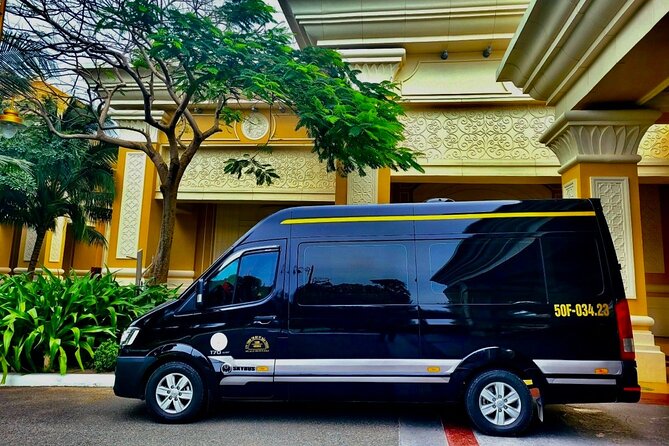
Getting to Sapa is half the story, and this tour makes that part painless. You start in Hanoi, meet at the Hanoi Opera House area, then transfer by DCAR Limousine. There is also pickup offered from Hanoi’s Old Quarter, which matters if you do not want to coordinate a bus station on your first day in Vietnam.
That morning start time (around 6:30am) is early, but it helps you reach Sapa by early afternoon. You land around 1:00pm, which is a good rhythm. You are not arriving too late to do anything, but you are also not sprinting through a full day right after the ride.
Also, this is a tour that uses a 3-day structure instead of a rushed one-night stop. Two nights gives you time to walk a bit, breathe, and not treat Sapa like a drive-through.
You can also read our reviews of more hiking tours in Hanoi

Day 1 in Sapa Town: hotel check-in, lunch, and an easy first taste
Day 1 is built for arrival comfort. You get to Sapa Town around 1:00pm, then there is lunch and hotel check-in at a 3-star hotel. Check-in timing is set so you can reset after the travel day, and you still keep part of the afternoon for getting oriented.
In the mid-afternoon, your guide takes you out to see a local village area. Even though this first village visit is shorter, it is a smart move. You start learning how different ethnic communities live, what daily life looks like, and how farming and village routines fit into the landscape of Sapa.
One detail I like here is the pacing. Day 1 is not the “big trek day.” It is the “get your bearings” day. You will be able to ask questions, adjust to the cool air, and figure out what kind of footwear and pace you want before day 2 asks more of you.
Practical tip: after you check in, spend a few minutes walking around Sapa town to find a place to buy snacks or water. You will use that more than you think once you start trekking.
Day 2 trek to Cat Cat Village, plus a clear choice on Fansipan

Day 2 starts with breakfast from about 7:00am to 8:30am, then you head out around 9:00am for a trek to Cat Cat Village. The plan has you walking through the morning, reaching the village around midday for lunch.
Cat Cat Village is a popular stop for a reason. It gives you a real sense of what life looks like in a Sapa ethnic village setting, and it also gives you a structured trek instead of just wandering. For many first-timers, this is the best “learn by walking” day.
After lunch, you get a block of time around 3:30pm for one of two paths:
- Fansipan is available, but it is at your own expense.
- Or you can use the time to explore Sapa on your own.
This split is genuinely useful. If you want the iconic peak experience, you can go. If you want to slow down, you can. Either way, you are not locked into one big decision.
Also note that Fansipan cable car is not included. So if you choose that route, plan extra cash and time accordingly. If you prefer simpler logistics, staying in Sapa town for a late afternoon stroll can feel like a win.
Practical tip: start day 2 with water and a light snack even if you have breakfast. Mornings can feel cool and dry, and trekking creates its own appetite.
Day 3 Ham Rong (Dragon’s Jaw) Mountain views before heading back
Day 3 is your second trek, and it is scheduled so you get good morning energy. Breakfast is at 7:30am, then you head out around 9:30am for a trek up Ham Rong (Dragon’s Jaw) Mountain.
This is the kind of hike that rewards you quickly. You are not doing an all-day grind, but you are also not doing nothing. You get time in the morning for views and walking, then you are back by around noon.
After trekking, you return to the hotel for lunch, then you leave Sapa in the early afternoon, around 2:10pm to 2:30pm. Then comes the longer transit back. You are scheduled to arrive back in Hanoi around 8:30pm.
That last part is important for your expectations. The tour gives you two solid walking mornings, then you end with a full evening ride. If you hate late nights, plan your next day in Hanoi carefully so you can rest.
Practical tip: keep your packing light. You will have two days of trekking gear, but you also have a drive day at the end. If your bag is heavy, you will feel it at the exact moment you want to relax.
Price and value: what $140 really covers

At $140 per person, the value depends on what you already plan to do. This price is not just “transport and a hotel.” It’s a structured package that removes stress from the hardest part: getting between Hanoi and Sapa and staying there for two nights.
Here is what you are getting:
- Round-trip Hanoi to Sapa by DCAR Limousine
- 2 nights at a 3-star hotel
- Hotel pickup from Hanoi’s Old Quarter
- Local speaking guide
- 2 breakfasts and 3 lunches
- Village and activity entries are listed as free in the schedule for the included segments
What is not included:
- Holiday surcharges (if any)
- Fansipan cable car if you decide to go
So the smart way to think about the price is this: if you would otherwise pay for a private transfer, hunt down a hotel in Sapa, and try to coordinate a guided trek on your own, this package usually costs less in time and headaches than you expect.
My balanced take: if you want a super independent Sapa experience, you might find cheaper DIY options. But if you want to show up, check in, and have the days planned around trekking and culture, this tour keeps you from wasting your limited time in Vietnam.
More Hanoi tours and experiences for the shortlist


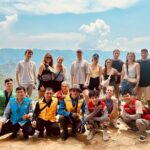

Group size and guide support: why the vibe feels easy
This tour runs with a maximum of 10 travelers, and that matters. In a small group, you usually get:
- better pacing across the trek
- fewer people needing help at once
- more personal attention when questions come up
You also have a local speaking guide included, and guest feedback mentions staff members like Ms. Mei and Mikey for being kind, helpful, and good at keeping things organized. That kind of support is not just emotional. It affects your day directly, like when to leave, where to stand for a view, and how to manage the timing between lunch, village time, and your next walk.
If you like guided experiences but still want freedom, this setup is a sweet spot. You have a plan, but there are also open windows (like the afternoon choice on day 2).
Trekking reality check: moderate fitness, cool air, and timing

The tour is listed for moderate physical fitness. That does not mean “athlete mode.” It means you should be ready for uphill and uneven ground on two mornings.
Sapa weather is cool most of the year, and it changes quickly. The area is described as having all four “moods” in a day, with cool mornings and colder evenings. Average annual temperature is around 15°C, so even when it looks mild, you may feel chilled once you start walking.
What this means for you:
- Dress in layers you can adjust mid-trek.
- Plan for mist, light rain, or dew in the afternoon.
- Bring shoes with grip. Your feet do the negotiating on mountain paths.
Practical packing list (based on what these days require):
- light rain layer or poncho
- warm layer for mornings
- trekking shoes with good traction
- small day bag, water bottle, and a snack
Village culture and what you should expect to learn
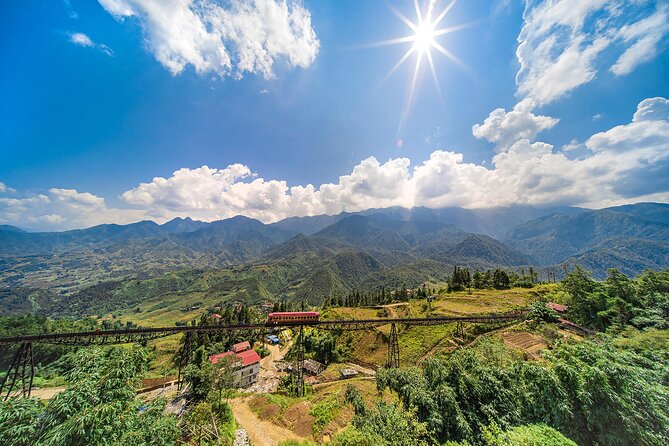
Sapa is known for multiple ethnic groups living close together, and the tour messaging focuses on that mix. You will see people from communities such as H’Mong Black, Red Dao, Tay, Giay, and Xa Pho, and you get a sense of how clothing, customs, and daily farming routines differ.
Here’s the value: you are not just looking at costumes from afar. A guided visit turns those observations into context. You get a basic map of how communities live and how Sapa’s geography supports farming and village life.
I also like that the itinerary builds learning into actual time on foot. Trekking puts you in the setting where village life happens, and it helps your brain connect the dots between scenery and routine.
If you are the type who likes respectful interactions, this is a tour style that supports that. It keeps the focus on local life rather than turning every moment into a photo sprint.
Who this tour is best for
This is a strong match if you:
- want a first-time friendly Sapa plan from Hanoi
- like guided treks but do not want to plan logistics
- prefer a calm group size over big bus tours
- care about cultural village experiences, not only viewpoints
It also works well for families, and at least one guest specifically called out it being convenient when traveling with family. Still, since it is trekking-based, you should be honest about your walking comfort.
If you are a hardcore hiker chasing maximum elevation or long-distance routes, you might find the walking time lighter than your ideal. But if you want a balanced taste of Sapa in three days, this structure is well built.
Should you book this 3-day Sapa trekking and ethnic village tour?
I would book it if your goal is simple and clear: get from Hanoi to Sapa without hassle, stay in town for two nights, and have two guided mornings that combine trekking and village culture. The package value is best for people who want less planning and more time experiencing.
I would pause and consider other options if:
- you strongly dislike long travel days, because you return to Hanoi at around 8:30pm
- you do not want any trekking, even moderate
- you are only interested in Fansipan, since cable car costs extra and the climb itself is not included
If you do book, set yourself up for success by packing warm layers, wearing grippy shoes, and treating the afternoon on day 2 as your personal choice window. That flexibility is part of why this itinerary works.
FAQ
What time does the Hanoi pickup start?
The start time is 6:30am, with pickup around 6:30am to 7:00am from your Hanoi hotel (Old Quarter) or meeting at the listed meeting point.
Where is the meeting point in Hanoi?
The tour starts at Hanoi Opera House, 1 Tràng Tiền, Phan Chu Trinh, Hoàn Kiếm, Hà Nội, Vietnam.
How long is the trip?
It runs for about 3 days. You depart Hanoi early, arrive in Sapa around the afternoon of day 1, and return to Hanoi around 8:30pm on day 3.
How many nights do you stay in Sapa?
You stay 2 nights in a 3-star hotel in Sapa.
What meals are included?
You get 2 breakfasts and 3 lunches during the 3 days.
What is included in the transportation?
Round-trip Hanoi to Sapa transportation is included via DCAR Limousine.
Is Fansipan included?
Fansipan is listed as an optional activity, and it is at your own expense. The Fansipan cable car is not included.
What is the maximum group size?
This tour has a maximum of 10 travelers.
Do I need moderate fitness for the treks?
Yes. The tour is designed for travelers with a moderate physical fitness level due to trekking on days 2 and 3.
More 3-Day Experiences in Hanoi

More Hiking & Trekking Tours in Hanoi


More Tour Reviews in Hanoi



Not for you? Here's more nearby things to do in Hanoi we have reviewed










More Hanoi City Tours to consider.
 ★ 5.0Hanoi Jeep Tour: Food, Culture and Fun by Vietnam Army JeepTickets from $5515,222 traveller reviews
 ★ 5.0Full-Day Ninh Binh Highlights Tour from HanoiTickets from $797,761 traveller reviews
 ★ 4.7Ha Long Bay Day Cruise – Swimming, Meal, KayakingTickets from $417,415 traveller reviews
 ★ 4.6Water Puppet Show TicketsTickets from $77,029 traveller reviews
 ★ 5.0Hanoi Motorbike Tour: Food, Culture and Fun by Vintage MotorbikeTickets from $556,699 traveller reviews
 ★ 4.9Guided Food Tour with Train Street VisitTickets from $196,239 traveller reviews
 ★ 5.0Hanoi Cooking Class: Culture, Local Market & Meaning CSR ImpactTickets from $395,147 traveller reviews
 ★ 5.05 Traditional Dishes Hanoi Cooking Class with Market TripTickets from $354,890 traveller reviews
More useful Hanoi routes