
Review · HANOI CITY TOURS
From Hanoi: 3-Day Sapa Trekking with Limousine Transfer
Sapa feels far away, but the transfer is easy. This 3 day Sapa trekking tour pairs a comfortable limousine transfer from Hanoi with cultural village time and two real days of walking. I like that your trip is structured but not overstuffed, so you still get breathing room for dinner on your own and a free morning back in Sapa town.
I also like the human side of the day to day, you meet minority communities in costume and you walk with guides like Me or Trang, who brought clear English and lots of local context. The one thing to keep in mind is that the trek can get tough in rainy weather, and the homestay option is basic, so you need proper cold and mud-ready gear.
Key things you should know before you go
- Air conditioned limousine from Hanoi with scheduled pick up between 6:45 and 7:00, then breaks on the way
- Cat Cat Village is a gentler start, about 4 km over roughly 2 hours, good for easing in
- A hard Day 2 trek (12 to 15 km) with rice terraces and multiple villages, including Lao Chai and Ta Van
- Minority community visits with H’Mong, Red Dzao, Dzay, and Tay in the mix, plus local guide storytelling
- Meals are focused on the practical stuff: 2 breakfasts and 3 lunches included, dinner is on your own
- Weather changes fast in Sapa, pack warm layers, and expect cold in many months
Entering Sapa by limousine, not by stress
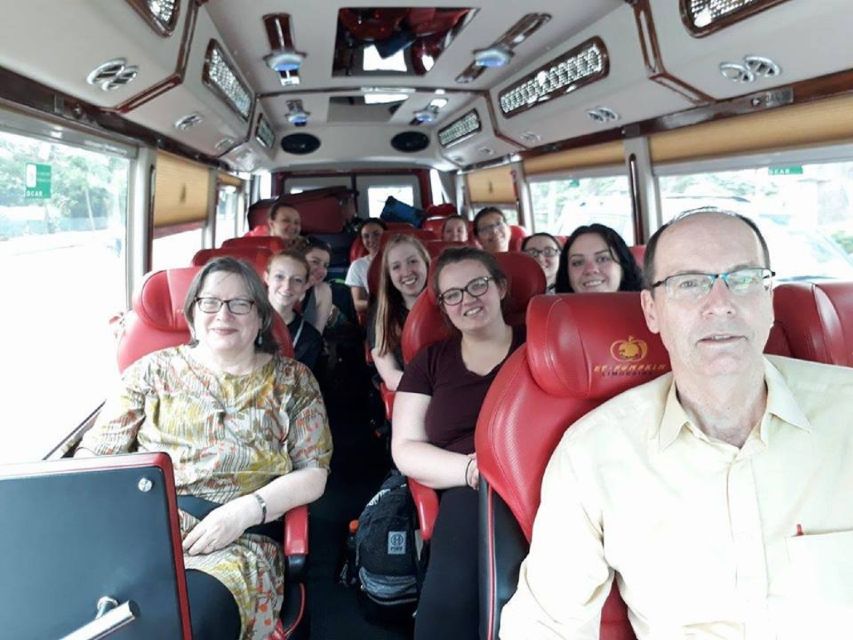
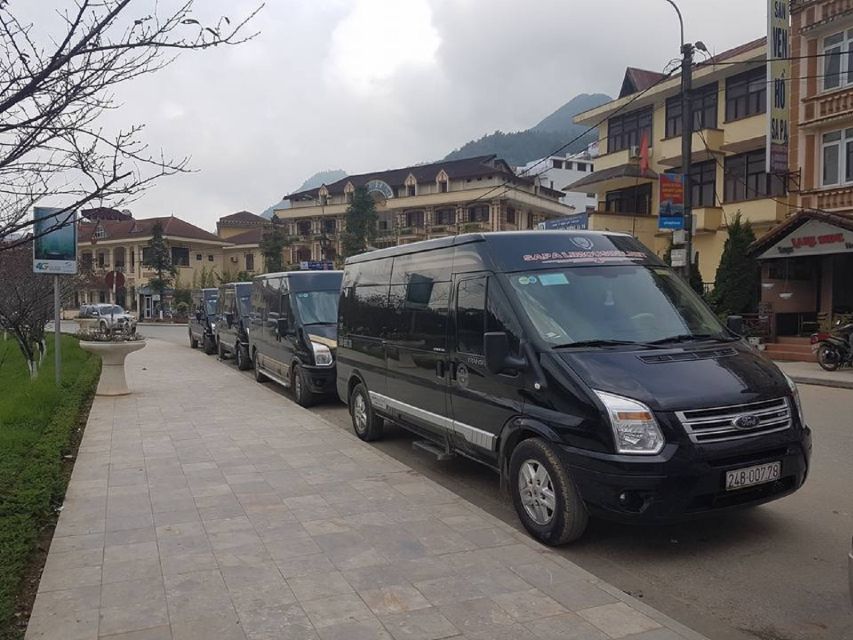
Sapa can feel like a long way from Hanoi, mostly because the road is mountainous and the schedule matters. This tour keeps the journey manageable by starting with hotel pickup in the Old Quarter, at 31 P. Lò Sũ, and then using a modern air conditioned limousine minivan.
Pick up is between 6:45 and 7:00, and the van stops for a couple of breaks before reaching Sapa around 12:30. That timing is practical because you do not lose an entire day to transit, and you arrive before the afternoon trek begins. You also get a scenic drive segment tied to the Cat Cat plan, so even the travel feels like part of the experience rather than a punishment.
One more value point: the tour is set up for a small group with a live English speaking guide. That matters in Vietnam, where local navigation and site context can be the difference between seeing places and actually understanding what you’re looking at.
You can also read our reviews of more hiking tours in Hanoi
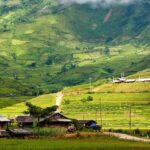

Day 1: Cat Cat Village and an easy trek to loosen up
Day 1 starts with the transfer from Hanoi, then a cultural introduction after you arrive. Around the early afternoon, you meet local ethnic minority community members in colorful traditional costumes, with H’mong, Dzao, and Tay represented. It is not just a photo stop, you get Vietnamese lunch first, then check in to your hotel.
Once you are settled, the trek begins at 14:30. This part is labeled an easy trek, and it is exactly the kind of walking you want after travel. You go to Cat Cat Village at the foot of Mount Fansipan, then trek down into the valley.
What to expect here:
- About 4 km (around 2.3 miles) over roughly 2 hours
- A slow build, with time for your guide to explain daily life
- Downhill walking that can still feel like work if you arrive tired, but it is far from Day 2 difficulty
After the trek, you return to Sapa for dinner on your own, and you get some leisure time. I like this break in the schedule. It lets you reset, try local food at your own pace, and avoid the trap of feeling like the whole trip is one long rushed production.
Day 2: The 12 to 15 km trek that earns its reputation
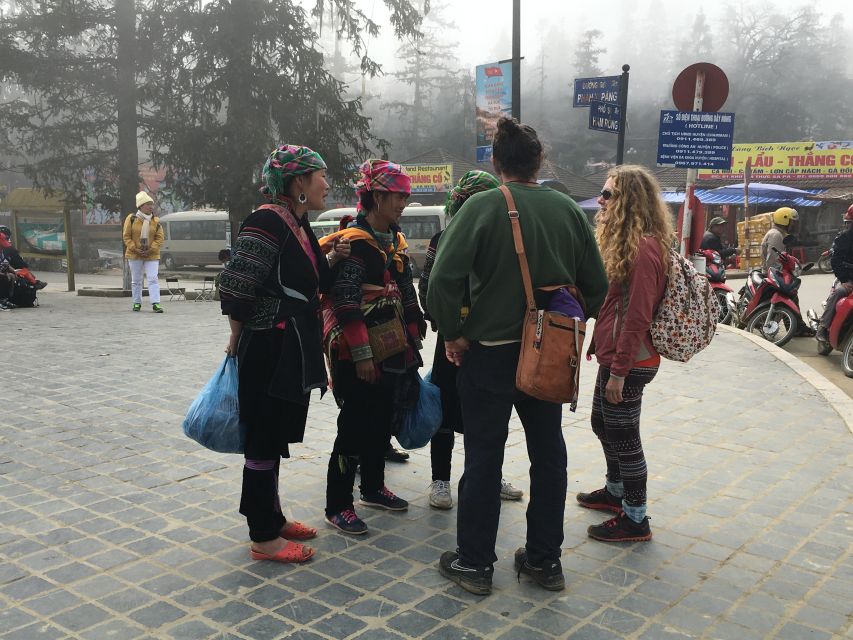
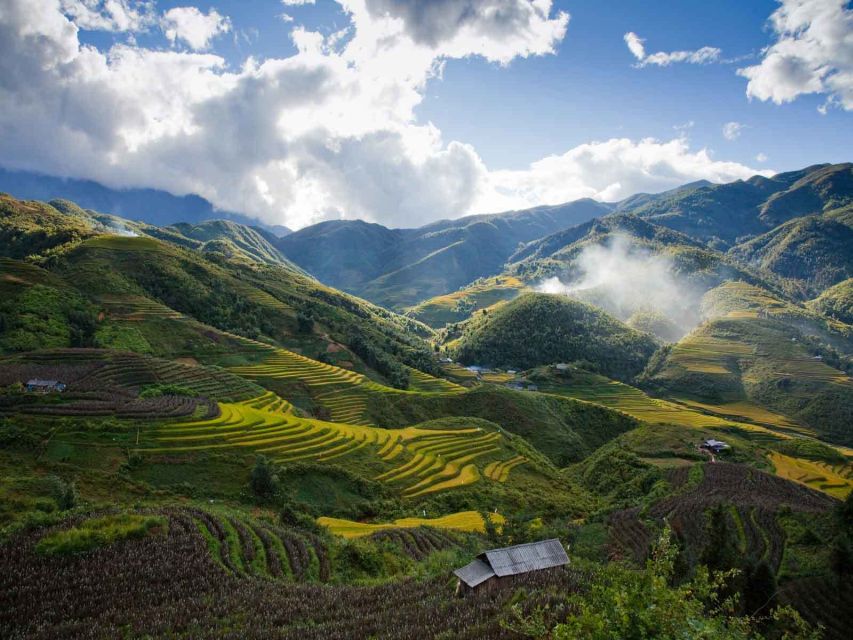
If Day 1 is your warm up, Day 2 is your main event. After breakfast, you head out on a challenging trek covering 12 to 15 kilometers. The route is built like a progression, starting with rice terraces and moving toward more remote village life.
The first segment is a 5 km trek along rice terraces to Lao Chai, a Black H’mong village. Rice terraces here are not only scenic, they also help you understand how people farm on steep slopes. Expect a steady walk where your pace matters more than speed.
Then you continue to Ta Van Village, home to the Dzao ethnic minority. This stretch shifts the focus from big scenery to community rhythms, and it is the kind of place where a good guide makes a noticeable difference. In the feedback from recent groups, guides like Trang stood out for humor and clear explanations about local culture and the region, not just directions.
Next comes the part that many people love most, you push onward to areas that are not as heavily visited, including Y Linh Ho and Ban Ho Village. This is where you feel like you are walking through real daily life rather than a curated tourist loop.
By the time you’re done, you get free time back at your accommodation to explore Sapa on your own. That is important. If your plan only included trekking and then dinner served on a schedule, you would lose the chance to decompress.
Practical note: the tour description flags that trekking can be challenging, especially in rainy weather. If you tend to struggle on uneven trails, bring trekking shoes with real grip, and plan on going slow on downhills.
Day 3: A flexible morning in Sapa and a return to Hanoi
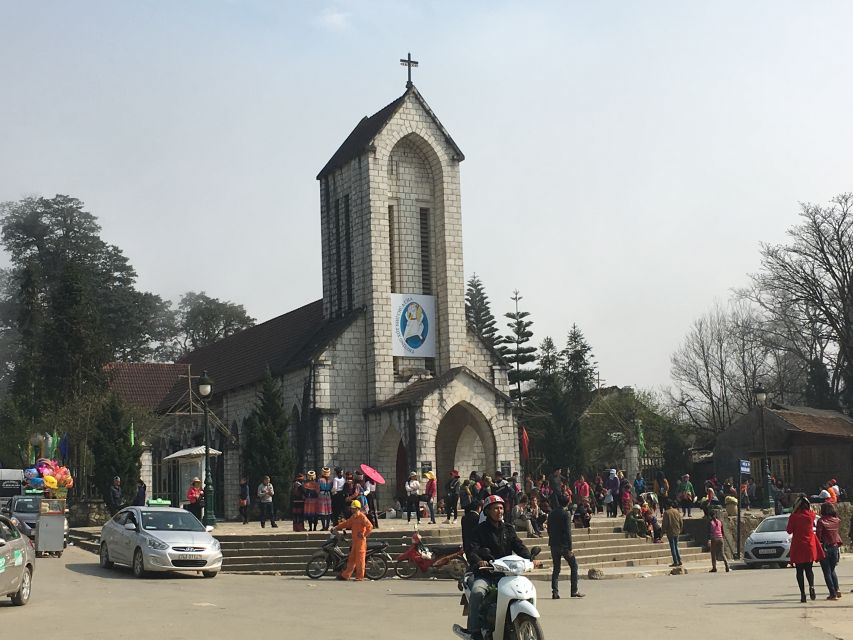
Day 3 is lighter in physical effort, even though you still have a structured finish. After breakfast, you get a free and easy morning to discover Sapa town on your own.
This is also your time to consider Fansipan Peak. Fansipan tickets and a tour are not included, but you can buy the ticket yourself. The practical help here is that you can contact the hotel receptionist for support, and you can adjust your pace after the previous two days of trekking.
At 11:30, you check out and then have lunch. The return schedule is then clear: by 14:30 you are back on the way to Hanoi, arriving at your hotel around 21:00.
That timing is a real benefit if you only have a short window in northern Vietnam. You get the Sapa experience without needing an extra night just to catch up on your rest.
Hotels vs homestays, and what basic amenities means in real life

This tour includes 2 nights of accommodation, either in a hotel or in a homestay depending on the option selected. That sounds straightforward, but the difference matters for your comfort level.
The key detail: the homestay offers only the most basic amenities. If you are the type of traveler who needs stable comfort, warm showers, or modern conveniences, this is the part you should think about early.
My advice is simple:
- If you want comfort and easier recovery after Day 2, pick the hotel option.
- If you want a more local feel and do not mind basic conditions, the homestay option can add value.
Either way, plan on clothing and gear that make you comfortable in cool air, because Sapa weather can change quickly.
More Hanoi tours and experiences for the shortlist



Guides, local food, and how the trip stays understandable

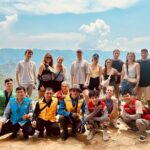
The tour is set up with a local tour guide and English language support. The guide does more than point out where to go. In strong groups, you get context for what you’re seeing, and the pacing adjusts to the terrain.
Two guide names came through in feedback: Me and Trang. Both were described as excellent, with very good English and strong regional knowledge. Trang in particular was praised for humor and for explaining local culture in a way that felt clear and human.
Food-wise, you are covered for the key meals that keep a trek group functioning:
- 3 lunches included across the days
- 2 breakfasts included
- Dinner and drinks are not included, so you will be choosing food on your own in Sapa
I like that arrangement. Trek days are predictable, but dinner is when you might want to chase a specific local dish or keep it simple after a hard day. Just remember you may want cash.
Price and value: is $199 really fair for a 3-day trek?

At $199 per person, this tour is positioned as an all-in style experience: pickup and drop off, transportation by air conditioned limousine, a local guide, entry tickets to indicated sites, two nights of lodging, and the core meals.
To judge value, look at what is already bundled:
- You get a long road transfer organized for you, including timing that gets you to Sapa around midday
- You get a full English guided itinerary for three days
- You get two full days of trekking with route structure and village stops
- You get lodging for two nights, either hotel or basic homestay
The things not included also help you plan your budget honestly:
- Dinner and drinks
- Fansipan tickets and any Fansipan-specific tour
- Personal spending and tips
If you were to book transport, guides, meals, and lodging separately, the total usually climbs fast. For a trek focused on real villages and real walking, $199 can feel like solid value, especially if you show up ready to walk and you take advantage of the guide time.
Who this Sapa trekking tour fits best
This is a good fit if you:
- Want a guided Sapa experience from Hanoi without DIY logistics
- Enjoy trekking that includes both easy and hard days
- Care about meeting minority communities and learning how life works beyond the main town
- Like structured days but still want a free morning on the last day
It is not the best fit if you:
- Need wheelchair accessible routes, since it is not suitable for mobility difficulties
- Have very young children, since children under 6 are not recommended
- Want an itinerary with no challenging walking, because Day 2 is actively demanding
Also, keep season in mind. The tour notes that Sapa is normally cold in many months, and sometimes foggy from December through March. Even if you travel in warmer months, bring warm layers because altitude and weather shifts are real here.
What to pack so Day 2 does not ruin your Day 3

Pack for walking, cold, and muddy surprises. The basics are clear, and they are worth following:
- Passport or ID card
- Comfortable shoes and ideally trekking shoes
- Sunglasses and a sun hat
- Sunscreen and insect repellent
- Warm clothes including a scarf, hat, and cap
- Any special medication you need
One smart tip that is specifically called out: bring Vietnamese Dong. The banking system in Sapa is unpredictable. U.S. dollars, Euros, and Australian dollars are also accepted, but having Dong makes your life easier when you do not want to hunt for exchange options.
Finally, plan around not smoking and no pets, since those rules apply for the tour.
Should you book this 3-day Sapa trekking tour from Hanoi?
Book it if you want a guided, village-focused Sapa trip that balances comfort on the road with real trekking on the ground. The limousine transfer plus English guide plus two nights of lodging is a clean package for a short visit, and Day 2 is the kind of challenge that makes Sapa feel worth the effort.
Hold off or choose an easier alternative if you know you struggle with long distances on uneven terrain, or if rainy weather scares you. Also think carefully if the homestay option appeals, because the amenities are basic.
If you’re ready for cold mornings, muddy trail moments, and the satisfaction of walking through H’mong and Dzao village life with a strong guide, this tour is a practical way to see the best parts of Sapa in three days.
FAQ
What is the meeting point for pickup in Hanoi?
Pickup is available in the Old Quarter of Hanoi at 31 P. Lò Sũ.
What time does the tour pick you up and when do you return to Hanoi?
You are picked up between 6:45 and 7:00, arrive in Sapa around 12:30, and return to Hanoi on Day 3, arriving at your hotel around 21:00.
Is Fansipan included in the tour?
Fansipan Peak tickets and a Fansipan tour are not included. You can purchase the ticket during your free time, with help from the hotel receptionist.
How long and how challenging is the trekking?
Day 1 is about a 2-hour, 4 km easy trek to Cat Cat Village. Day 2 is challenging, with a trek of about 12 to 15 kilometers covering multiple villages.
What meals are included?
The tour includes 2 breakfasts and 3 lunches. Dinner and drinks are not included.
Do you stay in a hotel or a homestay?
You stay for 2 nights either in a hotel or a homestay, depending on the selected option. Homestays have only basic amenities.
What should I bring for the trek and the weather?
Bring a passport or ID card, comfortable or trekking shoes, sunglasses, sun hat, sunscreen, insect repellent, and warm clothes including a scarf, hat, and cap. It is also recommended to bring any special medication you need.
Is the tour suitable for children or mobility needs?
The tour is not suitable for wheelchair users or individuals with mobility difficulties, and it is not recommended for children under 6.
More 3-Day Experiences in Hanoi

More Hiking & Trekking Tours in Hanoi


More Tour Reviews in Hanoi



Not for you? Here's more nearby things to do in Hanoi we have reviewed









More Hanoi City Tours to consider.
 ★ 5.0Hanoi Jeep Tour: Food, Culture and Fun by Vietnam Army JeepTickets from $5515,222 traveller reviews
 ★ 5.0Full-Day Ninh Binh Highlights Tour from HanoiTickets from $797,761 traveller reviews
 ★ 4.7Ha Long Bay Day Cruise – Swimming, Meal, KayakingTickets from $417,415 traveller reviews
 ★ 4.6Water Puppet Show TicketsTickets from $77,029 traveller reviews
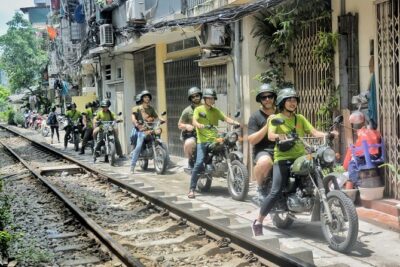 ★ 5.0Hanoi Motorbike Tour: Food, Culture and Fun by Vintage MotorbikeTickets from $556,699 traveller reviews
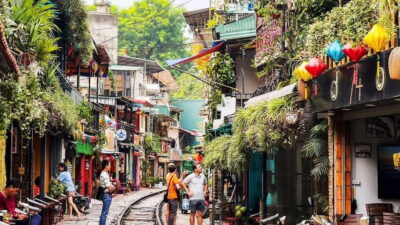 ★ 4.9Guided Food Tour with Train Street VisitTickets from $196,239 traveller reviews
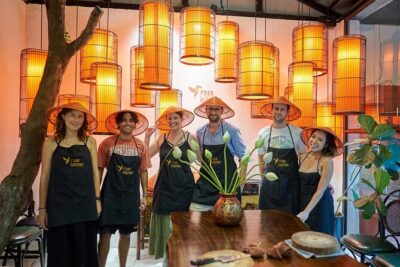 ★ 5.0Hanoi Cooking Class: Culture, Local Market & Meaning CSR ImpactTickets from $395,147 traveller reviews
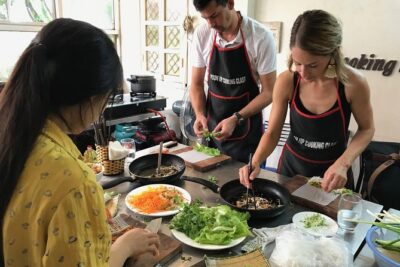 ★ 5.05 Traditional Dishes Hanoi Cooking Class with Market TripTickets from $354,890 traveller reviews
More useful Hanoi routes