

Review · HANOI CITY TOURS
From Hanoi: 2-Day Sapa Cultural Exchange Tour with Homestay
Sapa in two days, with real family time. This Muong Hoa Valley trek mixes rice terraces, village stops, and a homestay in Ta Van with a Dzay family. I love how the hiking routes are set up to keep you moving through daily life, not just taking photos. I also love the chance to share meals and conversation with locals, guided in English. One possible drawback: Sapa weather can be cold and foggy, and if the skies stay closed, the views you hope for may be muted.
What makes the experience feel practical is the setup. You get Hanoi to Sapa transport in an air-conditioned sleeping bus with comfort breaks, then an organized day on the trails with a small group limited to 15. And yes, the guides really matter here. Names that come up often include Chun, Lala and Cheng, Lily, Sung, and Za, with praise for taking extra time for questions and photos. Just remember the homestay side is basic, with a single bed, mosquito net, and a public bathroom with hot water.
If you want an easy vacation, this is not that. You should come ready for hiking time that can feel long on Day 1, plus occasional slippery sections if it rains. If you dress warm and choose good shoes, you’ll be happier the whole way through.
Key things to know before you go
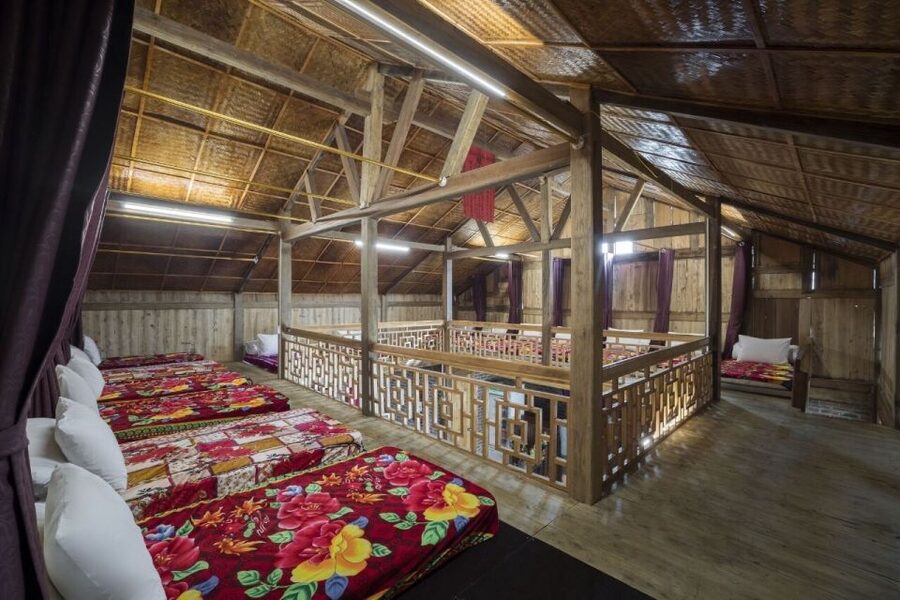
- Muong Hoa Valley hiking focuses on downhill trail time through rice paddies and hamlets
- Ta Van homestay with a Dzay family means you sleep inside the culture, not beside it
- A small group (max 15) keeps the pace manageable and makes village interactions feel less rushed
- Day 2 trek is 4 km for about 2 hours, with photo stops and a bamboo forest walk
- Expect unpredictable Sapa weather (cold, fog, and rain can change the feel of the day)
- English guidance is part of the package, with guides known for photo help and explanations
Why the Muong Hoa Valley walk feels special in Sapa

Sapa is famous for views, but this tour leans into something more useful: how people live in the valleys that create those views. After lunch on Day 1, you start hiking down toward the Muong Hoa Valley area, passing rice paddies and small hamlets. The goal isn’t speed. It’s to move through the patterns of farming, homes, and footpaths that shape daily life.
I like that the route is designed around downhill trail time. That means you’re not fighting relentless uphill climbs the whole way, even though the first day can still feel long. You also get built-in chances to learn as you go, not only at one scripted stop.
On Day 1, the walk continues from the Y Linh Lo area through villages and rice terraced fields, gradually guiding you toward Ta Van village, a place settled by the Dzay people. This matters because Ta Van isn’t just a campsite. It’s where you spend the night, so you get to experience the rhythm of an evening and a morning inside the community.
More Hanoi tours and experiences for the shortlist


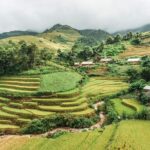
Day 1 in Sapa: Y Linh Lo, rice terraces, and reaching Ta Van
Day 1 starts early, with pickup in the Hanoi Old Quarter area if you’re staying in Hoan Kiem district, or you meet at 204 Tran Quang Khai Street near Hong Ha Hotel. Then you board the sleeping bus for the drive to Sapa. You’ll have a couple of comfort breaks on the way, and you typically arrive around lunchtime.
Once you eat, the hiking starts. You begin with a trek to Y Linh Lo, then head downhill through the Muong Hoa Valley. As you pass rice paddies and hamlets, you’ll learn more about local tribal life. One thing to expect is that some villages have foot-traffic and informal selling, especially from people walking with groups offering small items. You can keep it simple: be polite, but don’t feel pressured. If you’re not shopping, just stay focused on the walk and the conversation you came for.
Later, you continue through villages and terraced fields until you reach Ta Van village. Ta Van is commonly associated with the Dzay people in this region, and that link becomes part of your homestay experience the same night. During the trek, you’ll also stop around Lao Chai village for communication with local villagers. That interaction is one of the best values of the whole tour, because it turns a hike into a cultural exchange instead of a photo walk.
By the end of Day 1, you sleep with a Dzay family in Ta Van. This is not a hotel overnight. It’s a stay with a real household, including dinner and time to rest before the second day.
Homestay with a Dzay family in Ta Van: what comfort looks like here
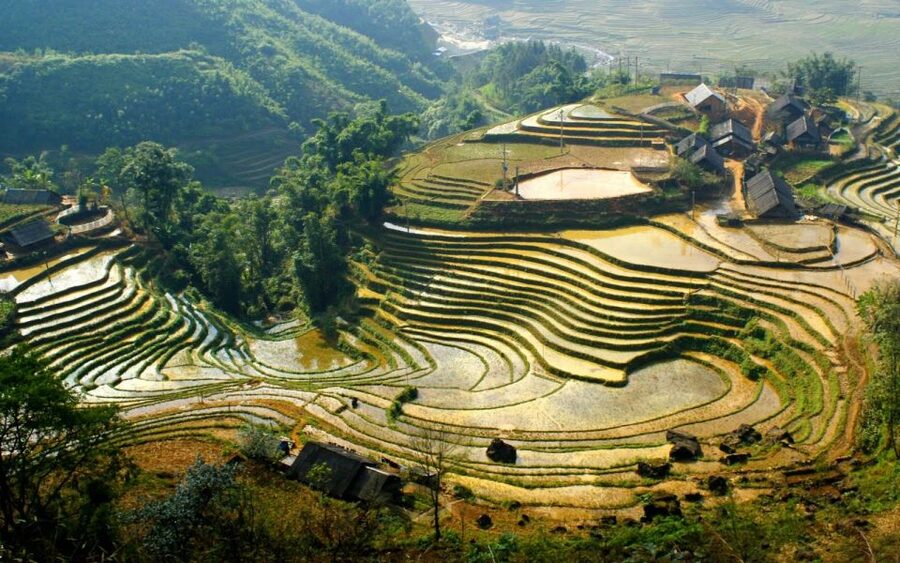
If you choose a homestay expecting hotel comfort, you’ll probably feel disappointed. If you choose it expecting basic but meaningful, you’ll feel great.
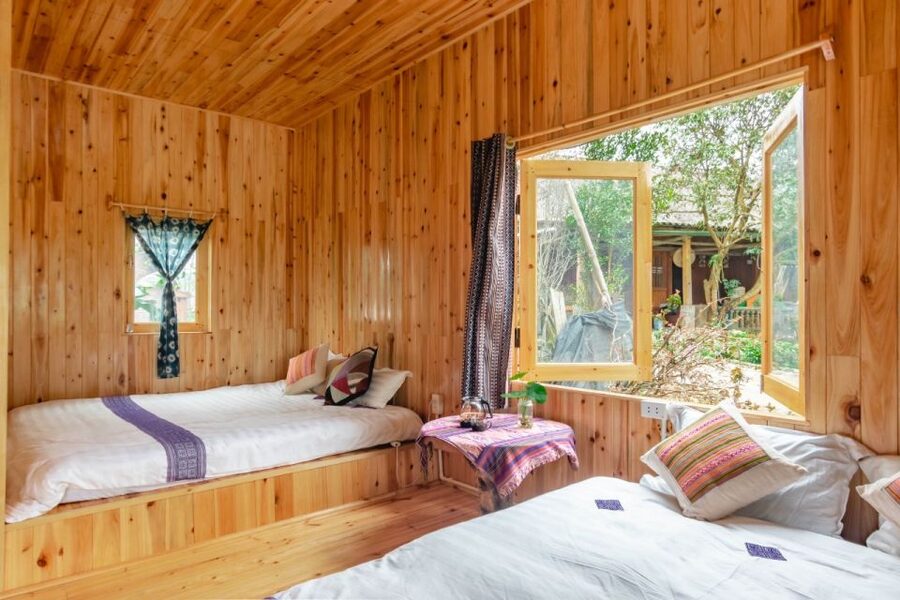
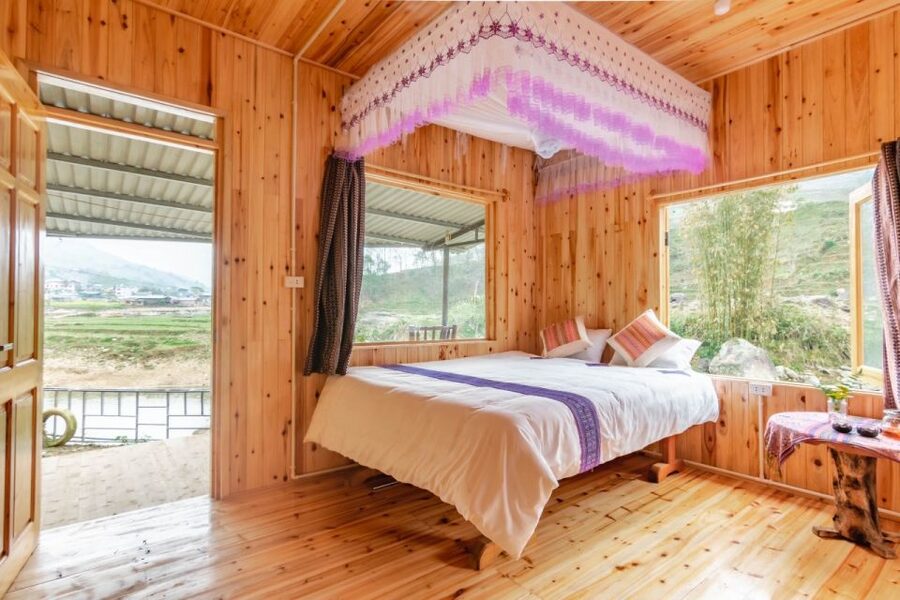
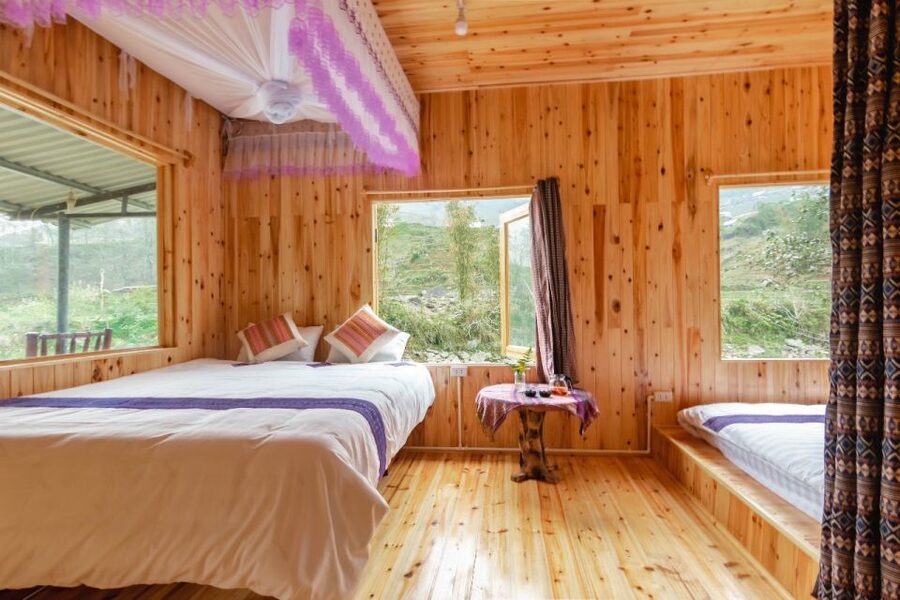
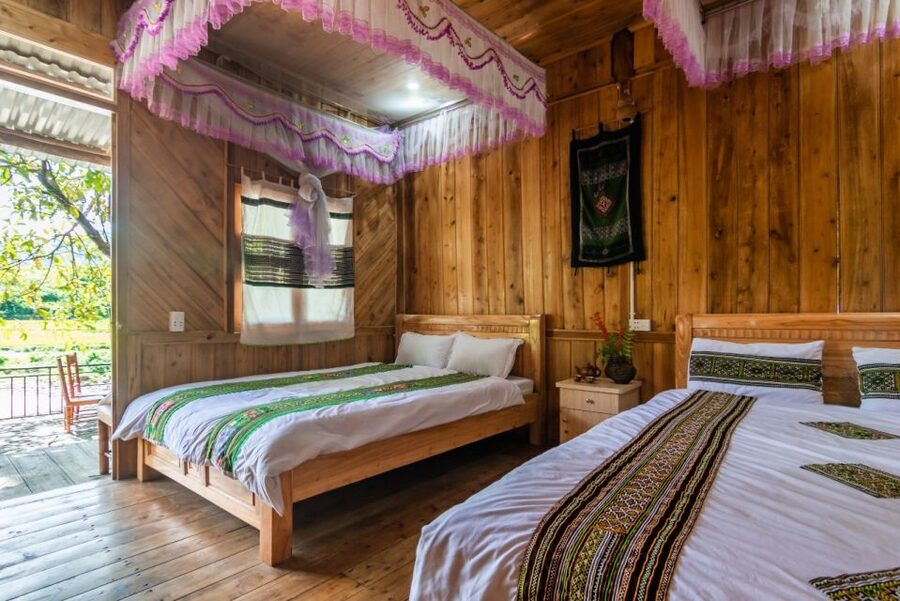
Here’s what you can count on. You get a single basic bed with a mosquito net and a public bathroom with hot water at the homestay. Facilities are simple, so you should plan for the basics. There’s also a real advantage to staying here: you’re in the area before the next day’s trek begins, so you’re not rushing from Sapa town to the trailhead.
The cultural side is the point. Many guests come away praising the food, and that makes sense because meals are prepared by the family hosting you. You’ll have a dinner on Day 1, then breakfast on Day 2.
The guide also matters during your evening. Some groups mention guides staying close, helping with questions and making sure the experience feels safe and friendly. In at least one case, guide Lily even helped a guest who got sick with a traditional treatment from her tribe. Even if you never need that kind of help, it’s a reminder that the guide is there to bridge the gap.
If you’re sensitive to long days, just note that the overnight is part of why the trek feels more authentic. You start earlier on Day 2 with breakfast already handled.
Day 2 trek: bamboo forest, Giang Ta Chai views, and the Red Dzao stop
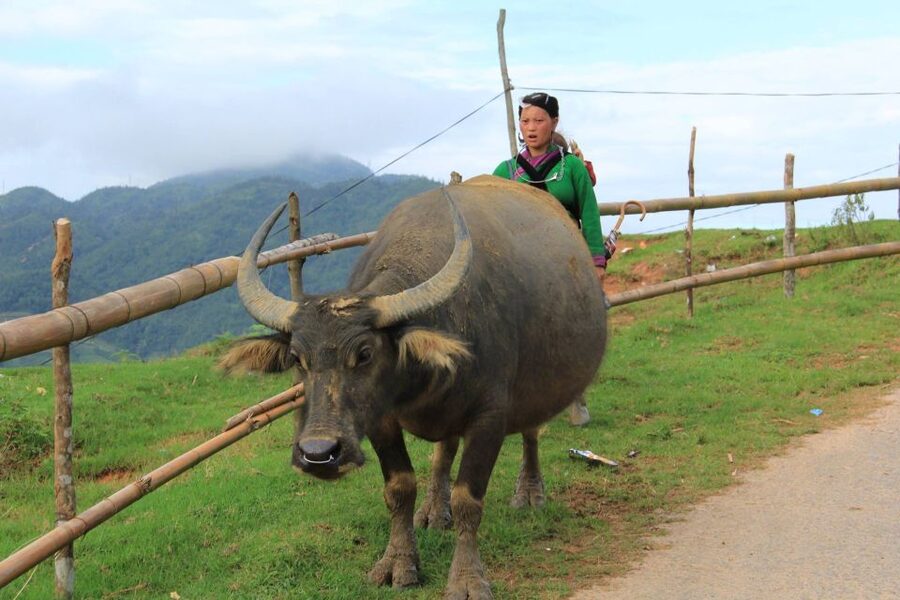
Day 2 begins with a nourishing breakfast prepared by your homestay family. Then you hit the trail. This part of the trek is clearly timed: 4 km over about 2 hours. That’s a big reason the tour works well. After Day 1’s longer feel, Day 2 is shorter and more focused.
Your route starts toward rice paddies, with a solid chance to stop for unique holiday-style photos of the scenery. Then you walk through a bamboo forest. Bamboo forests do something for the senses that open fields don’t, cooler air and shade, and a tunnel-like feeling as you move through.
After that, you climb to a panoramic viewpoint over Giang Ta Chai village, home of the red Dzao people. This viewpoint stop is one of the best places to slow down and absorb the region in a way you can’t do from a bus window.
Next, the route continues through the Ciang Ta Chai Bridge to the main road. From there, the bus picks you up and returns you to Sapa town.
Once you get back to Sapa, you can shower at your hotel, check out, grab a meal, or simply relax until everyone in the group is ready to depart. Then it’s another bus ride back to Hanoi with two comfort breaks, ending at the Tran Quang Khai street meeting point.
Transportation from Hanoi: sleeping bus flow and how to stay sane
This tour is built around a big transport block, and that’s the right approach for Sapa. If you’re coming from Hanoi, the sleeping bus keeps the schedule from feeling completely wrecked. You travel in an air-conditioned bus, and the drive includes comfort stops.
A useful tip for your planning: expect the process to feel busy. Some guests describe it as slightly stressful at first because you’re moving parts quickly, but the itinerary runs in a clear rhythm once you’re inside it. The group is small, the guide helps, and the bus handles the heavy lifting of logistics.
Also keep in mind timing. You arrive around lunchtime on Day 1, so you’re not wasting the trip. You start hiking right away after lunch, and you’ll already be in the Sapa area when you settle into the homestay.
On Day 2, you’re bused back to Sapa town after the short trek. You get a chance to refresh in a shower, which makes the long return to Hanoi more comfortable than it would be otherwise.





Price and value for $100, including transport, meals, and a guide
At $100 per person for a two-day package, you’re paying for three things at once:
- Round-trip Hanoi to Sapa transport (air-conditioned bus, sleeping bus, comfort breaks)
- Meals (1 breakfast, 2 lunches, 1 dinner)
- A live English guide plus a homestay bed with mosquito net
You’re also paying for coordination that would be hard to replicate easily if you were trying to DIY this route. The trekking is scheduled to line up with meals and overnight housing. The guide helps you communicate with villagers along the way, especially around Lao Chai.
Is it cheap? Not exactly. But it is good value if you want the cultural exchange element without the planning headache. If you’re the kind of traveler who wants total control, you might pay less DIY, but you’d also spend more time figuring out transport, hiring, and overnight logistics.
I think the best value comes from the combination: Dzay family homestay plus Muong Hoa Valley hiking. Many Sapa experiences give you one or the other. This one tries to give you both in two days.
Weather, shoes, and how to avoid a soggy hike
Sapa weather is unpredictable. It’s normally cold from September to March, and fog is common from December to March. That matters because this tour’s best moments rely on visibility, especially Day 2’s viewpoint over Giang Ta Chai village.
Bring warm clothing. You’ll want a warm jacket, scarf, and hat. Even in warmer months, temperatures can drop quickly at elevation and at sunrise or evening.
Footwear is non-negotiable. The trails can be slippery, especially after rain. I’d treat comfortable hiking shoes as the baseline, not an optional upgrade. Your Day 1 hike may feel longer than you expect, and slippery footing makes it harder.
One more practical point: bring cash in Vietnamese dong. Banking systems in Sapa can be unreliable. US dollars, euros, and Australian dollars are accepted in Sapa, but you still want some local cash on hand for small expenses.
Finally, be flexible. The itinerary may change due to weather or operating conditions. When conditions are rough, the guide may adjust the pace and route order to keep things safe.
Who this tour is best for (and who should skip it)
This tour is a strong match for you if you want:
- A small-group Sapa experience (limited to 15)
- Real cultural contact through a homestay with a Dzay family
- Hiking that is active but not built around extreme technical difficulty
- English guidance and structured village stops
It’s also a good fit if you like guides who do more than walk and point. Guests often mention guide support for photos and explanations, and names like Chun, Lily, Sung, Za, and Lala and Cheng come up for that reason.
Skip this tour if any of these apply:
- You have limited mobility, because it’s not suitable for that
- You’re pregnant
- You’re traveling with children under 6
If you’re okay with basic lodging and you can handle cold weather and a hiking day, you’ll probably feel rewarded.
Should you book this 2-day Sapa cultural exchange tour?
I think you should book if you want a Sapa trip that goes beyond the main town. Muong Hoa Valley plus a Ta Van homestay gives you both movement and human connection. The value is strong because the price covers transport, meals, an English guide, and the overnight.
I’d hesitate if you’re planning around the idea of clear panoramic skies every day. When fog or rain shows up, some views may be less dramatic, and Day 1 can feel tiring if you’re sensitive to long walking.
If you’re ready for warm layers, good shoes, and a simple homestay setup, this is the kind of tour that can turn Sapa from a place you’ve seen into a place you’ve actually understood.
FAQ
How much does the 2-day Sapa cultural exchange tour cost?
The price is $100 per person.
How long is the tour?
It runs for 2 days. Starting times can vary, so you’ll need to check availability.
What’s included in the price?
Hotel pickup and drop-off, return transport in an air-conditioned bus, meals (1 breakfast, 2 lunches, 1 dinner), a tour leader/guide in English, a basic bed with a mosquito net at the homestay, and a public bathroom with hot water at the homestay.
What is not included?
Beverages, travel insurance, and personal expenses are not included.
What are the main hikes like on each day?
Day 1 includes a hike from Y Linh Lo downhill through the Muong Hoa Valley to villages including Ta Van, with interactions along the way. Day 2 includes a 4 km trek that takes about 2 hours, plus photo stops and a bamboo forest walk.
Where do I meet for pickup, and does pickup depend on where I’m staying?
Pickup is available from hotels in the Hoan Kiem district. If you are not using optional pickup, the meeting point is 204 Tran Quang Khai Street near Hong Ha Hotel. The tour ends back at the same meeting point.
What homestay facilities should I expect?
The homestay is basic. You get a single bed with a mosquito net, and there is a public bathroom with hot water.
Do I need cash?
Yes. You should bring cash in Vietnamese dong because the banking system in Sapa sometimes doesn’t function well. US dollars, euros, and Australian dollars are accepted in Sapa.
What should I pack?
Bring passport or ID card, comfortable shoes, warm clothing (warm jacket, scarf, hat), comfortable clothes, and cash.
Who should not join this tour?
It is not suitable for people with limited mobility, children under 6, or pregnant women.
More 2-Day Experiences in Hanoi
- Doris Cruise 5 star cruise 2 days visiting Halong Bay Lan Ha Bay private balcony
★ 5.0 · 2,338 reviews


More Tours in Hanoi
- Ninh Binh Full-Day Tour from Hanoi to Hoa Lu, Tam Coc & Mua Cave Via Boat & Bike
★ 5.0 · 4,384 reviews


More Tour Reviews in Hanoi
Not for you? Here's more nearby things to do in Hanoi we have reviewed










More Hanoi City Tours to consider.
 ★ 5.0Hanoi Jeep Tour: Food, Culture and Fun by Vietnam Army JeepTickets from $5515,222 traveller reviews
 ★ 5.0Full-Day Ninh Binh Highlights Tour from HanoiTickets from $797,761 traveller reviews
 ★ 4.7Ha Long Bay Day Cruise – Swimming, Meal, KayakingTickets from $417,415 traveller reviews
 ★ 4.6Water Puppet Show TicketsTickets from $77,029 traveller reviews
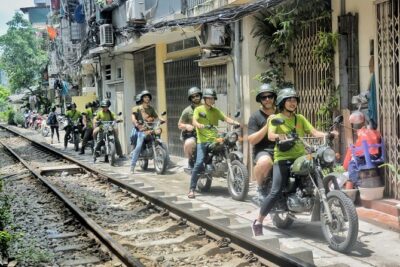 ★ 5.0Hanoi Motorbike Tour: Food, Culture and Fun by Vintage MotorbikeTickets from $556,699 traveller reviews
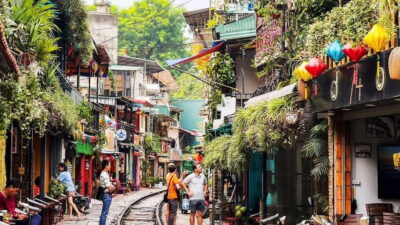 ★ 4.9Guided Food Tour with Train Street VisitTickets from $196,239 traveller reviews
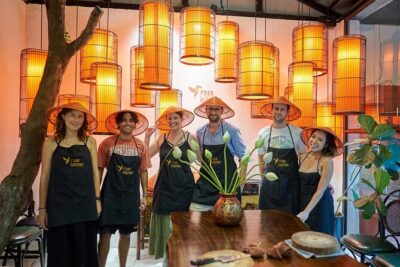 ★ 5.0Hanoi Cooking Class: Culture, Local Market & Meaning CSR ImpactTickets from $395,147 traveller reviews
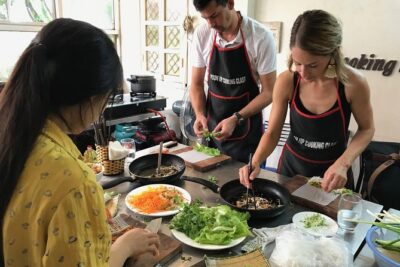 ★ 5.05 Traditional Dishes Hanoi Cooking Class with Market TripTickets from $354,890 traveller reviews
More useful Hanoi routes