
Review · HANOI CITY TOURS
From Hanoi: 2-Day Overnight Sapa Tour by Limousine
Sapa feels like a fast escape. This 2-day overnight tour runs from Hanoi in a 9-seater limousine and then trades road time for village walks with an English guide. I especially like the mix of cultural stops across Black H’mong and Dzay villages, plus the simple comforts that keep the hiking from feeling like punishment.
One key thing to plan around: Day 2 can include a 9 km trek, and it is not a good match if rain makes trails slippery or if you prefer minimal walking. The good news is that if you do not want the long trek, the tour leader can arrange another visit, but you are responsible for any tickets and transportation fees for that alternate plan.
Key points to know before you go
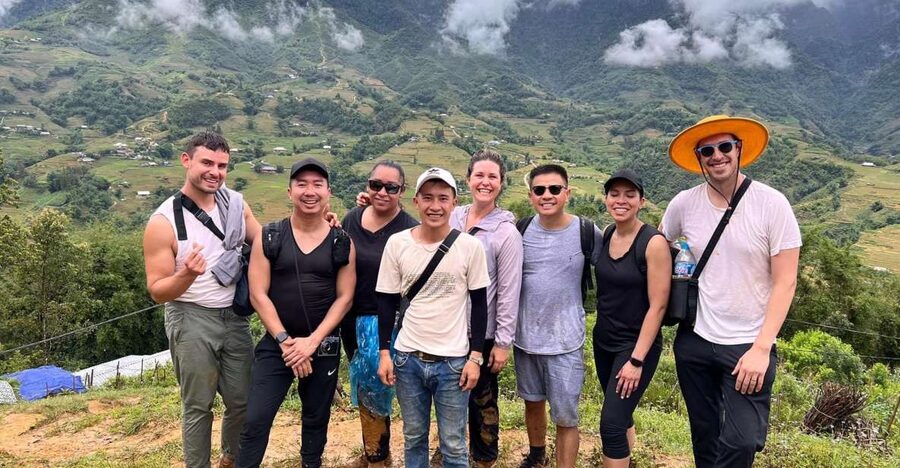
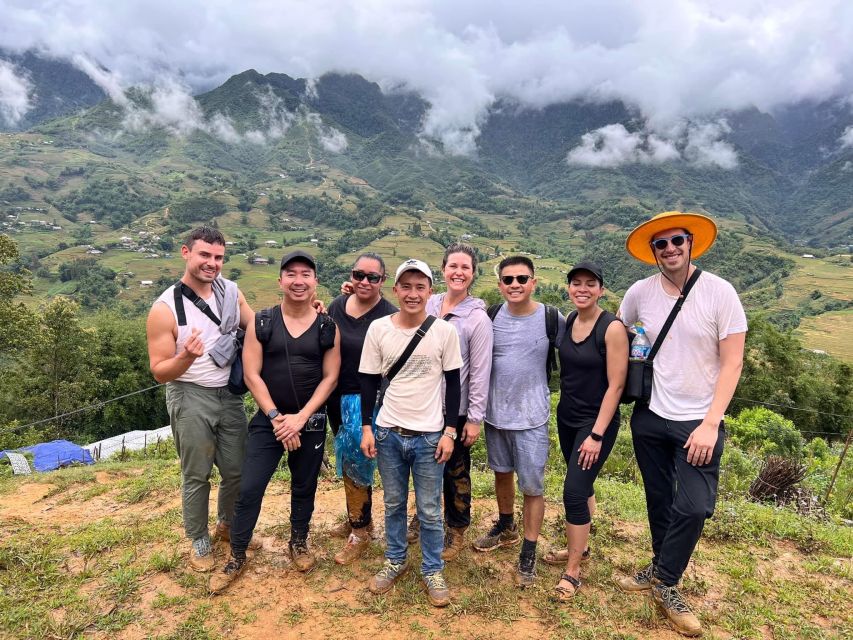
- 9-seater limousine pickup in Hanoi’s Old Quarter: expect early hotel pickup and a direct drive route with restroom and snack breaks.
- Village variety, not just one viewpoint: you’ll visit places like Sin Chai, Y Linh Ho, Lao Chai, and Ta Van, with Cat Cat also included in the tour highlights.
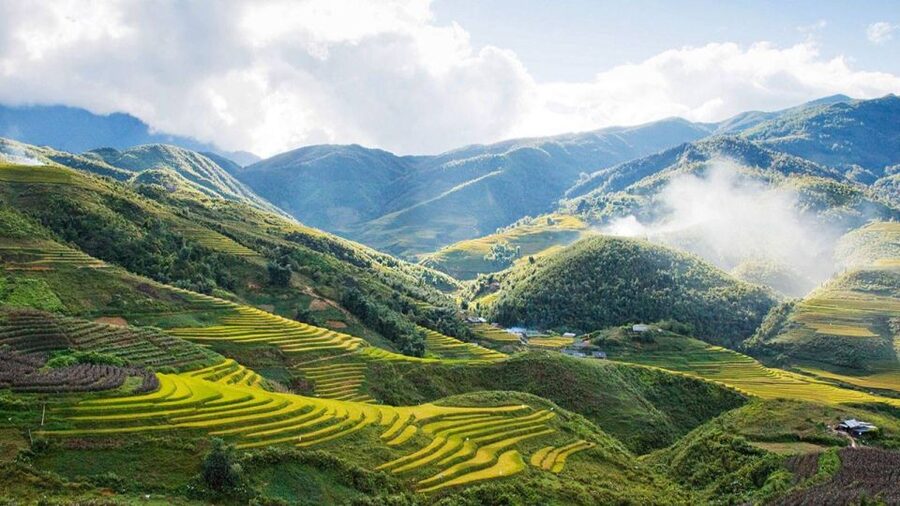
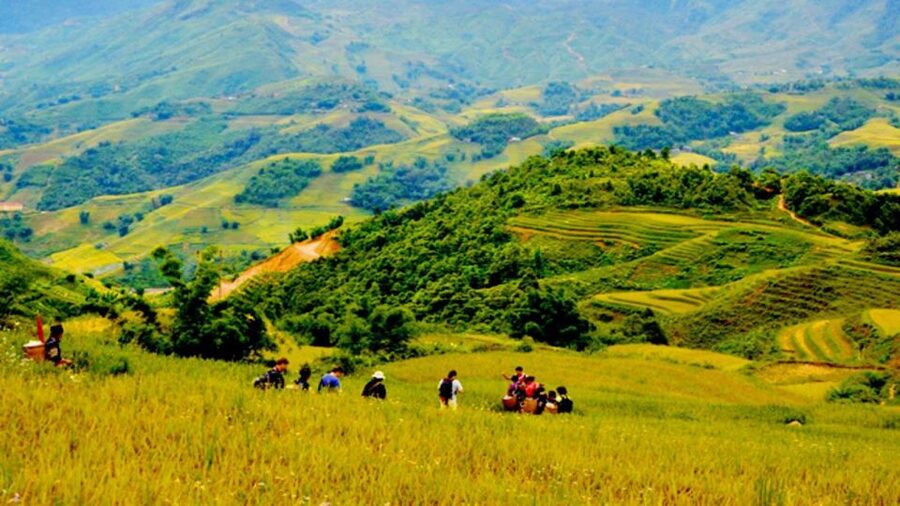
- Muong Hoa valley walking: Day 2 follows paths alongside the valley, with terraced rice fields and changing village scenery.
- English guidance that actually matters on uneven paths: one standout guide named AI has been praised for confident, helpful support.
- Free time in Sapa at night: after dinner, you can browse or snack on local treats like roasted corn and baked eggs by charcoal fire.
- Weather and traction can make or break the hike: bring warm layers and shoes with grip, because Sapa can be cold and foggy.
The 9-seater limousine ride that sets the tone
Start early. The pick-up from your hotel in Hanoi’s Old Quarter (Hoan Kiem district) is typically around 6:30 to 7:00 AM, and you’ll head toward Sapa with a 9-seater vehicle. You’re not stuck wondering how to get there, and the drive is planned with two restroom stops plus a chance for a light meal if you get hungry.
The big value here is that the long road time is less stressful. You get hotel-to-hotel convenience on both ends, and the group stays together with local transfers once you reach Sapa. If you are the type who hates wasting half a day figuring out transport, this part alone can feel like money well spent.
That said, you should respect that Northern Vietnam roads can be bumpy. Even when the vehicle is comfortable, you will still feel the motion, so a bit of patience helps. Also, a few people have mentioned that some departures may use a sleeper-bus style coach and that it may not feel as clean as the limousine. If you are picky about comfort, I would plan to bring a neck pillow, and keep your expectations realistic about road travel.
More Hanoi tours and experiences for the shortlist


Day 1 in Sapa: Sin Chai village and the slow shift away from town
After arriving in Sapa, the day has a nice rhythm. You’ll have lunch at the hotel restaurant, check in, and then rest before the trek. That break matters because Sapa altitude can make you feel a little off if you jump straight into hiking.
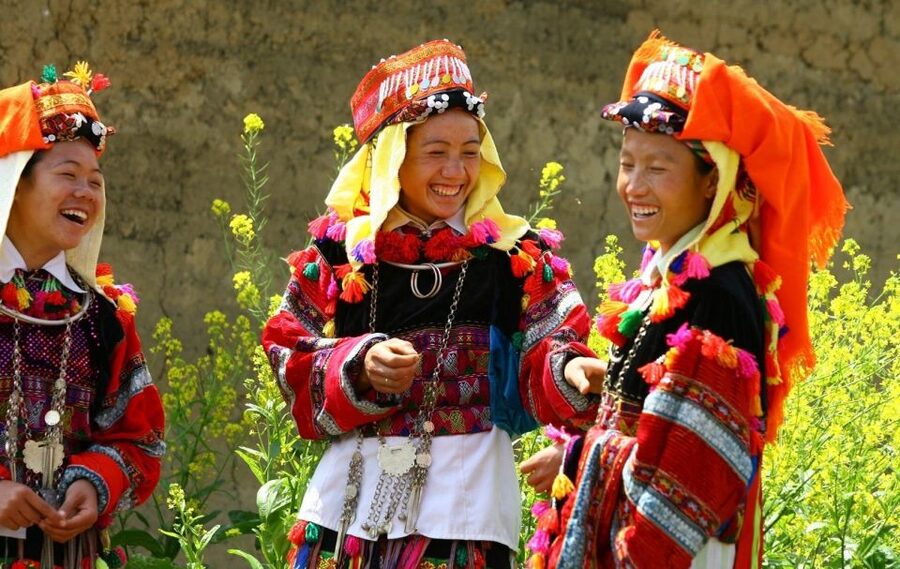
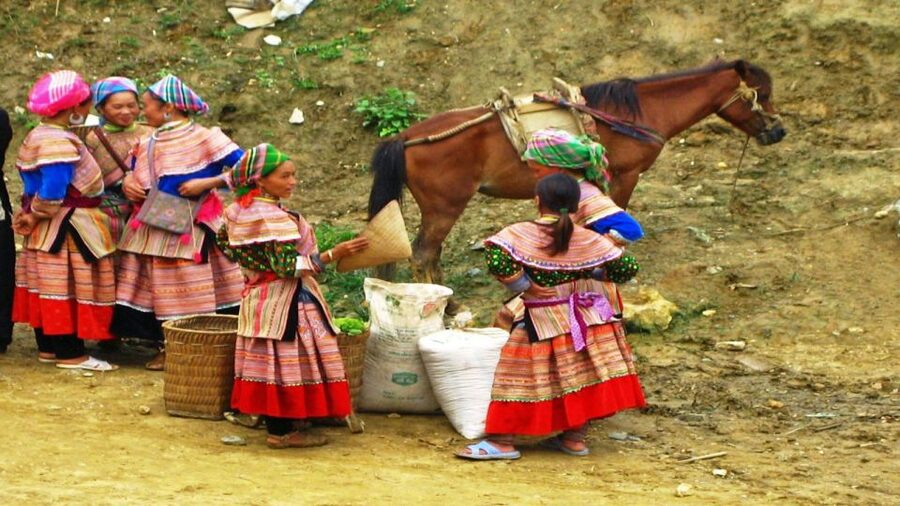
Your afternoon walk goes about 4 km down to the southwest of Sapa to Sin Chai village, home to the Black H’mong community. What I like about this stop is that it is positioned outside the center of Sa Pa town, so it feels more like daily village life than a quick photo stop. Expect a simpler, rustic feel, and a slower pace where you can actually observe how people live and maintain their routines.
On the way back, you transfer to your hotel by van. That is a smart design choice for a two-day trip because it protects your legs for Day 2. Once you’ve freshened up, dinner is around 6 PM, and then you get free time in Sapa for evening wandering.
This is where the tour helps you enjoy the town without over-scheduling. You might find roasted corn and baked eggs near a charcoal fire, or you can browse shops at your own pace. I treat this block like a decompression window, not a must-do checklist.
For the overnight, you stay in a hotel in Sapa, with options typically in the 3 or 4-star range depending on what you choose. A few recent mentions include hotels such as Relax Hotel being comfortable, but the key point for you is that you are not sleeping rough after a full day of travel and trekking.
Day 2 starts easy, then turns into real trekking in the Muong Hoa valley
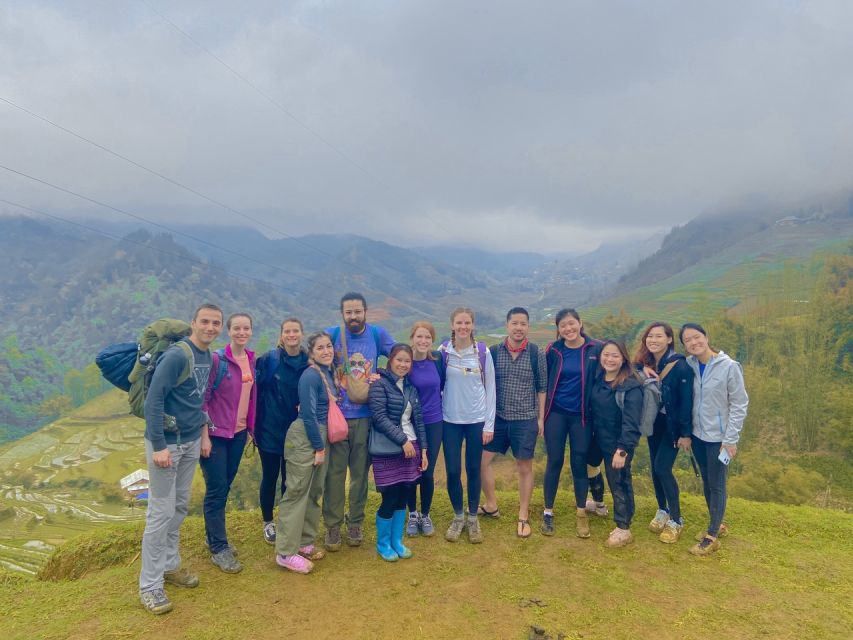
Day 2 begins with breakfast, and then you start walking with a clearer sense of what your legs are signing up for. You head 6 km down to the southeast of Sapa along the side of the Muong Hoa valley to reach Y Linh Ho village of the Black H’mong.
From there, the trekking continues for about 2 km down to Lao Chai village. This is a good stretch if you like gradual changes in view and village rhythm rather than one steep grind. You’re also moving through terrain where footing matters, so comfortable shoes are not optional here. If rain has come through, trails can get slick, and grip becomes your best friend.
What makes Lao Chai worthwhile is that it is not just a named village on a schedule. This area is tied to the way minority communities farm and live, and the walk through the valley gives you context for why these settlements are where they are. You’ll also notice how rice terraces shape daily life, not just the scenery.
A practical note: if you are someone who feels stress when you cannot control the pace, you should tell your guide early. The tour is guided by an English-speaking guide, and local support helps you keep moving without turning the hike into a guessing game.
Ta Van and the Dzay community: the house architecture moment
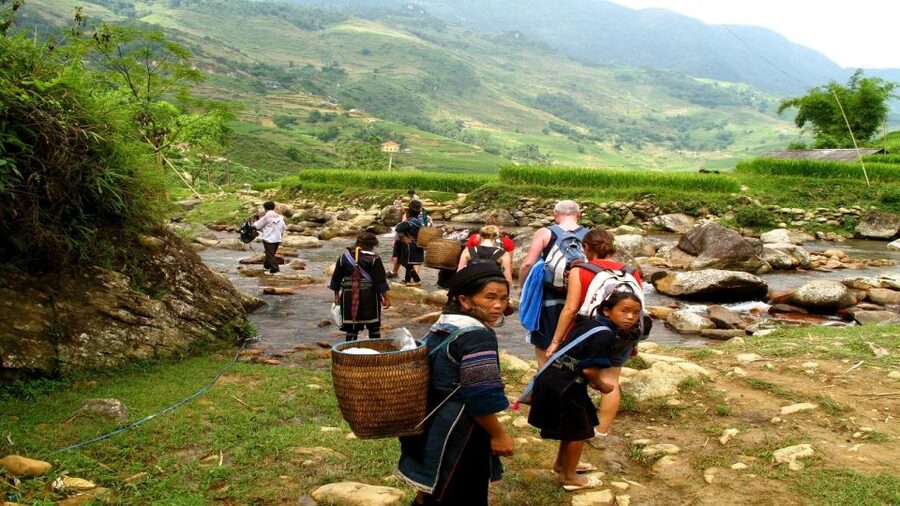
The final village stop, Ta Van, is where the trip earns its cultural points. You walk through terraced rice fields to reach Ta Van village of the Dzay minority. This part of the walk tends to feel more open and scenic, but the real highlight is what you learn along the way.
You get a chance to observe local house architecture and how it connects to everyday life. The focus is on practical living details and customs, not a lecture that flies past you. I like this kind of stop because it turns your photos into something with meaning.
If your goal is to understand Sapa beyond viewpoints, Ta Van is the right place to slow down. Ask questions about what you see, and take a moment before you rush to the next photo. When you do that, the stop stops feeling like an included checkbox and starts feeling like a conversation.
In the afternoon, around 2 PM, you head back to the hotel to pack. Then the limousine returns to Hanoi at 2:30 PM, with drop-off in the evening around 8:30 to 9:00 PM. It is a long day, but at least you know the shape of it before you commit.
Meals and hotel comfort: small inclusions that change your energy
Food and sleep are part of the value here, even if the headlines are about trekking. Your package includes 1 breakfast, 2 lunches, and 1 dinner, which removes a big decision burden in Sapa. That is especially helpful on a two-day schedule when you may not want to hunt for meals after a long walk.
Dinner on Day 1 is around 6 PM, followed by free time. Lunches are built into the timing so you are not stuck hiking while hungry. I find that included meals make it easier to keep your energy steady, which matters when your Day 2 includes multiple legs of walking.
On the accommodation side, you’re choosing between 3 or 4-star options depending on your selected version. If you want the trip to feel smooth, I’d lean toward the higher option for comfort, especially for the overnight recovery. A comfortable room makes the difference between Day 2 feeling tough or feeling manageable.
Also, bring your own hydration plan. Drinks are not included, so you’ll want to budget for water and anything else you crave. Cash helps here too, since banking can be unreliable in Sapa.



Price and logistics: is $150 good value?
At $150 per person for a 2-day overnight experience, you’re paying for three things that can be hard to replicate cheaply.
First, you’re paying for door-to-door transport between Hanoi and Sapa, including hotel pickup and drop-off. You also get local transfers in Sapa, which matters because village treks are not always “walk from the hotel and go.” Second, you’re paying for an English-speaking guide plus a guided experience through multiple villages. Third, you’re paying for the practical stuff: 1 night of hotel accommodation and included meals.
If you tried to DIY this, you would likely spend your money on transport, then pay separately for guides or entry fees, then lose time coordinating. In a short window like 2 days, that time loss is expensive.
Where the price can feel less good is if you do not want to do the long walking. The tour includes that potential 9 km trek on Day 2, and while an alternate visit can be arranged if you skip the long option, you would cover tickets and transport for the substitute plan. So if your priority is comfort-only sightseeing, this might not be the best fit.
On the upside, the trek is the point. If you actually want the village walking and the cultural learning moments, the package format makes sense.
Packing list that matches the reality of Sapa weather and altitude
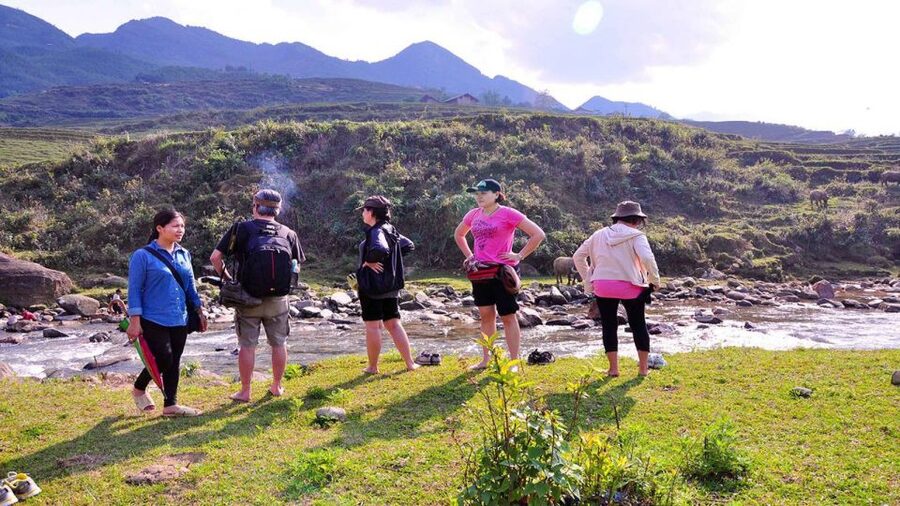
Sapa can change fast. Even if skies look decent in the morning, you can run into cold air, fog, or damp trails. The tour info is clear that weather is unpredictable, and it is normally cold from September to March.
Pack warm layers, plus a scarf and a hat or cap. Bring sunglasses too, and do not forget a camera if you like documenting village life. For footing, plan on comfortable shoes with grip, because slipping is a real risk in wet conditions.
You’ll also want insect repellent, especially around villages and on longer outdoor stretches. And since altitude can affect people, take it slow on arrival, drink water, and keep moving at a steady pace.
Money is another practical issue. Bring cash in Vietnamese Dong because banking in Sapa can sometimes fail. The tour data also says US dollars, euros, and Australian dollars are accepted in Sapa, which helps if you forgot to exchange all your money before you left Hanoi.
Health-wise, bring your own medicine. There are chemists in Sapa, but it is smarter to arrive prepared.
Who this tour suits, and who should skip it
This experience is best for you if you want a guided cultural trek and you are okay with getting active on short notice. If you like ethnic minority village visits, rice terraces, and walking between communities, you’ll probably find this tour hits the right balance.
It is also a good fit for first-timers who do not want to coordinate transport and village stops alone. The pickup and drop-off from Hanoi’s Old Quarter reduces friction. And the guide support makes the walking feel safer, especially on uneven paths.
It is not suitable for people with mobility impairments or wheelchair users, and older people are cautioned against the long trek due to challenge and risk during rain. If you fall into that group, the alternate Day 2 plan might exist, but the overall trek structure is still part of the package. So check your comfort level honestly before booking.
Should you book this 2-day overnight Sapa tour?
Book it if you want a compact, guided two days that combine mountain-area villages, a real trekking component, and enough organization that you can focus on the experience instead of logistics. At $150, the price is strongest when you will truly use the included meals, the overnight hotel, and the guide support.
I would think twice if you hate long walking or you are traveling with limited mobility. Day 2 can involve a longer trek, and rain can make trails slippery. Also, road travel is part of the deal, so if you are sensitive to motion or cleanliness, plan ahead.
If your ideal Sapa trip includes Sin Chai, Y Linh Ho, Lao Chai, and Ta Van, and you want to learn how people live, this tour is a solid choice.
FAQ
What time does the tour pickup happen in Hanoi?
Pickup is typically around 6:30 to 7:00 AM from hotels in the Old Quarter area (Hoan Kiem district).
How long is the drive from Hanoi to Sapa?
The drive is about 6 hours, with two restroom stops and time for a light meal if needed.
What villages does the tour visit?
You visit minority villages including Sin Chai, Y Linh Ho, Lao Chai, and Ta Van. Cat Cat is also listed as part of the tour highlights.
Is an English-speaking guide provided?
Yes. The tour includes an English-speaking guide in Sapa, and the tour data also notes Vietnamese and English languages.
How much trekking is on Day 2?
Day 2 includes walking, and the tour info warns that there is a long trek of about 9 km that can be challenging and risky in rain.
What if I do not want to do the long trek on Day 2?
If you skip the long trek, the tour leader can organize a visit to another place. You would be responsible for tickets and transportation fees for the alternate visit.
What meals and accommodation are included?
You get 1 breakfast, 2 lunches, and 1 dinner, plus 1 night of hotel accommodation in Sapa (3 or 4-star depending on the option).
Are entrance fees included?
Yes. The package includes all entry tickets to the sites mentioned.
What should I bring for Sapa weather and comfort?
Bring passport or ID card, comfortable shoes, sunglasses, a sun hat, a camera, insect repellent, and warm clothes such as a scarf, since Sapa can be cold and foggy.
Do I need cash in Sapa?
Yes. Bring cash in Vietnamese Dong since banking systems sometimes do not function in Sapa. US dollars, euros, and Australian dollars are accepted in Sapa.
More 2-Day Experiences in Hanoi
- Doris Cruise 5 star cruise 2 days visiting Halong Bay Lan Ha Bay private balcony
★ 5.0 · 2,338 reviews


More Tours in Hanoi
- Ninh Binh Full-Day Tour from Hanoi to Hoa Lu, Tam Coc & Mua Cave Via Boat & Bike
★ 5.0 · 4,384 reviews


More Tour Reviews in Hanoi
Not for you? Here's more nearby things to do in Hanoi we have reviewed








More Hanoi City Tours to consider.
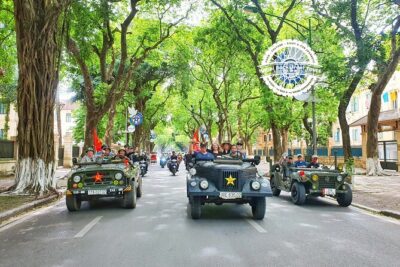 ★ 5.0Hanoi Jeep Tour: Food, Culture and Fun by Vietnam Army JeepTickets from $5515,222 traveller reviews
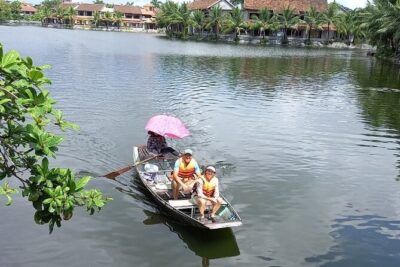 ★ 5.0Full-Day Ninh Binh Highlights Tour from HanoiTickets from $797,761 traveller reviews
 ★ 4.7Ha Long Bay Day Cruise – Swimming, Meal, KayakingTickets from $417,415 traveller reviews
 ★ 4.6Water Puppet Show TicketsTickets from $77,029 traveller reviews
 ★ 5.0Hanoi Motorbike Tour: Food, Culture and Fun by Vintage MotorbikeTickets from $556,699 traveller reviews
 ★ 4.9Guided Food Tour with Train Street VisitTickets from $196,239 traveller reviews
 ★ 5.0Hanoi Cooking Class: Culture, Local Market & Meaning CSR ImpactTickets from $395,147 traveller reviews
 ★ 5.05 Traditional Dishes Hanoi Cooking Class with Market TripTickets from $354,890 traveller reviews
More useful Hanoi routes