
Review · HANOI COFFEE EXPERIENCES
Coffee, History, and Architecture of the French Quarter
French Hanoi has a coffee trail worth chasing. This Hanoi French Quarter walk turns famous buildings into a clear, human story, mixing coffee stops and architectural clues with a conversational guide style.
I really like two parts. First, the start in a French villa coffee shop, where Vietnamese coffee becomes the key to understanding daily life under French influence. Second, the way the walk keeps snapping back to specific landmarks, so you are not just hearing history, you are seeing it in the street layout and the buildings.
One thing to plan for: it is a walking tour in a busy central area. Comfortable shoes and sun protection help, and the historical thread includes the Vietnam War, so the vibe can get heavy in places.
Key things I’d plan around
- Start at 6 Au Trieu, right by St. Joseph’s Cathedral so the story lands fast
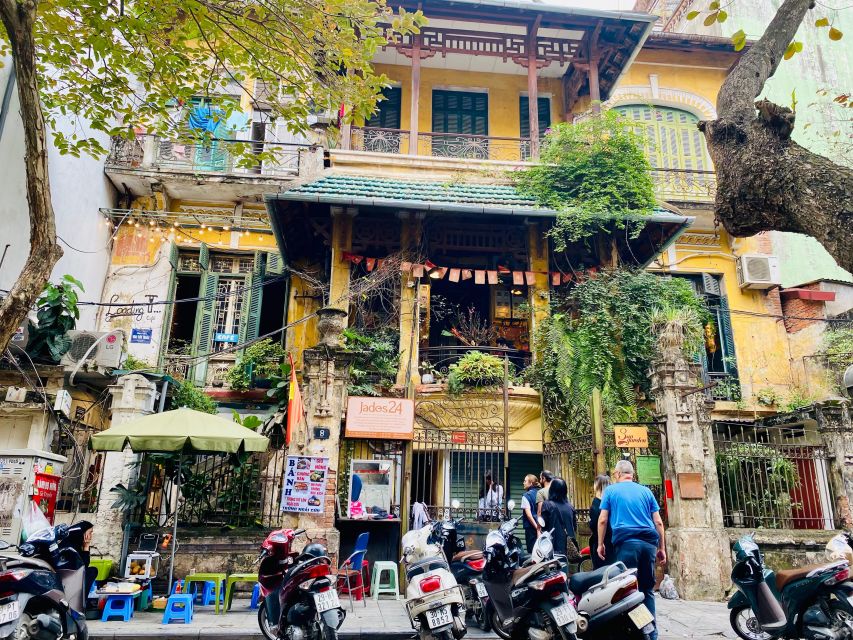
- French villa coffee shop setup that makes history feel like a chat, not a lecture
- 15+ standout sights tied to French rule and later war years, explained in English
- Architectural anchors like the Hanoi Opera House, Hoan Kiem Lake, and Sofitel Legend Metropole Hanoi
- Trang Tien ice cream stop with a proper place to sit and a restroom break
- Guides like Mina and Dung who welcome questions and keep the pace easy
Why This French Quarter Tour Feels Like a Conversation
Hanoi’s French Quarter is one of those places where the past shows up in plain sight. Not as a museum display behind glass, but as doors, facades, balconies, and street corners you can walk up to. This tour leans into that.
The experience is built around coffee, architecture, and history in the same flow. You start with Vietnamese coffee in a French villa setting, then the guide connects what you are seeing to how Hanoi changed under French rule and through the Vietnam War. It is not a nonstop talk. It is more like you and a smart local guide comparing notes as you move from landmark to landmark.
If you like learning fast but without feeling rushed, this format works. You get short walking stretches, then explanations that match the next block you are standing in.
You can also read our reviews of more historical tours in Hanoi
6 Au Trieu to St. Joseph’s Cathedral: The Perfect First Story Beat
The tour begins at 6 P. Ấu Triệu (Au Trieu Street), right next to St. Joseph’s Cathedral. That location matters. You are not starting in a random plaza. You start beside a major French-era visual landmark, so the guide’s first context is instantly tangible.
At the cathedral area, you get a break, and the flow typically includes coffee as part of the early setup. Then you get a guided look at the site and the surrounding context. The best part here is how the guide frames the cathedral not just as an object, but as a sign of cultural influence and political change.
You will walk with an eye toward details you might normally miss: building scale, how a religious landmark holds space in the city, and how the French-era plan shaped public life around central points.
Vietnamese Coffee in a French Villa: More Than a Caffeine Break
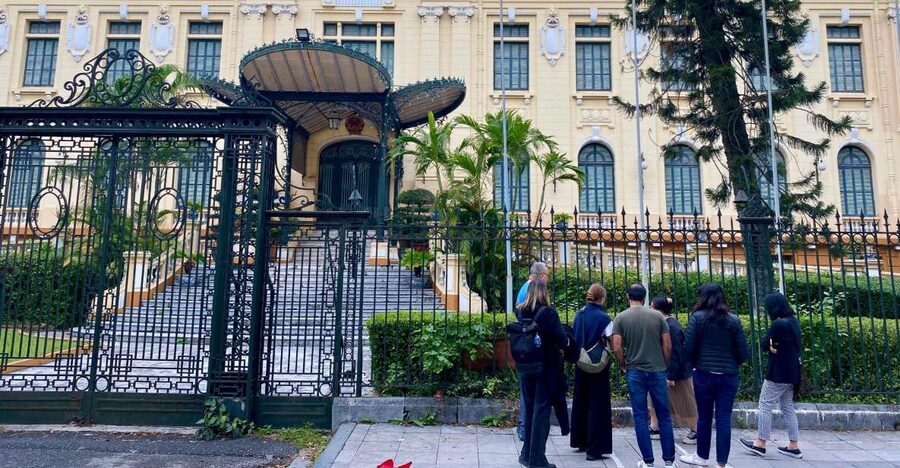
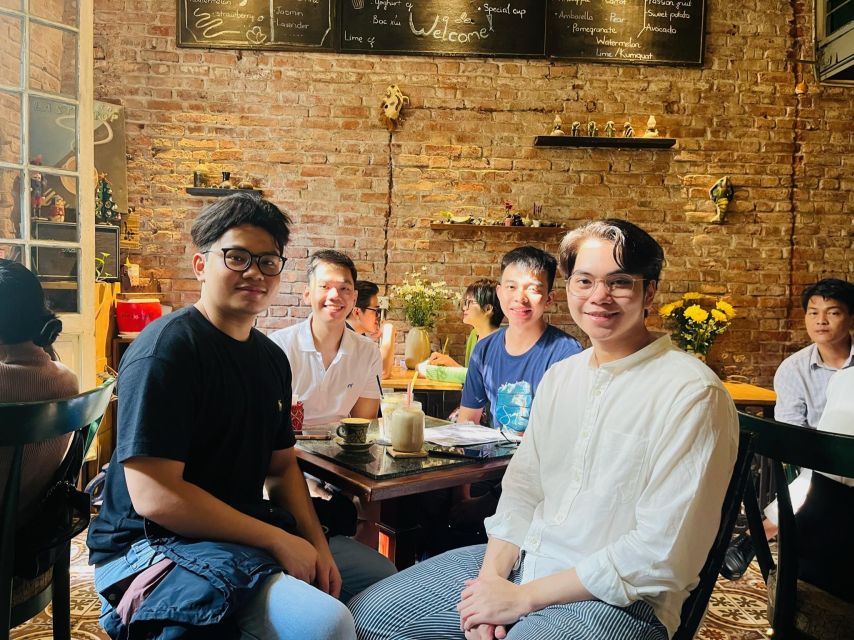
A big reason this tour clicks is the first real coffee stop in a French villa. You are not just grabbing a drink and moving on. The guide uses this moment to set the bigger picture of general Vietnamese history under French influence and why Hanoi’s daily life evolved the way it did.
Coffee is not treated as an afterthought. It is part of the social story. You learn how Vietnamese coffee culture sits alongside colonial influence, and why certain tastes became local favorites. Based on what I noticed from how guides describe the experience, the coffee selection often includes famous Vietnamese styles such as egg coffee, and you might also see other seasonal or creamy variations mentioned during the stop.
Then there is the tone. Reviews repeatedly highlight that guides like Mina and Dung keep things conversational. You are encouraged to ask questions. That matters because French colonial history and the Vietnam War are big, complicated topics. A chat format makes it easier to ask, and it makes it easier to remember.
Strolling the French Quarter: Reading Architecture Like Clues
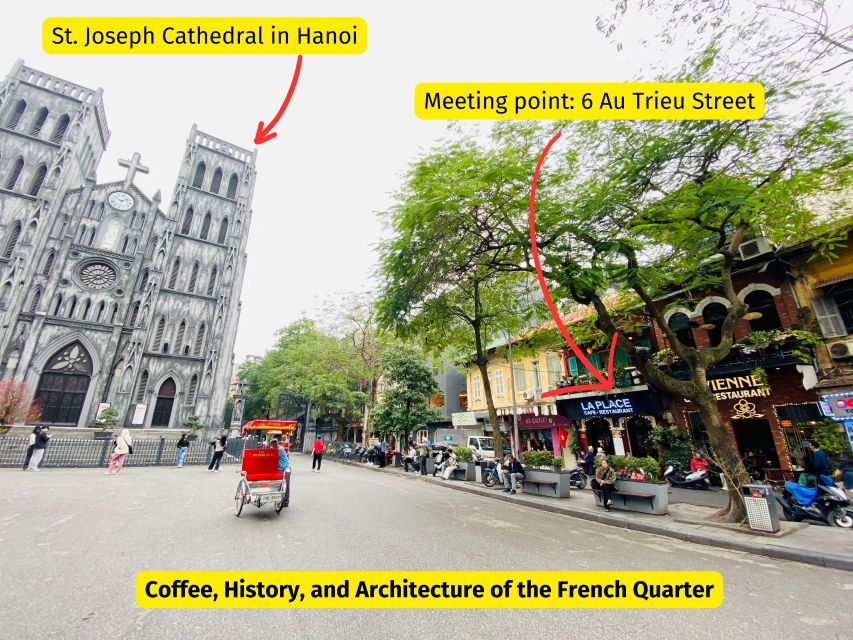
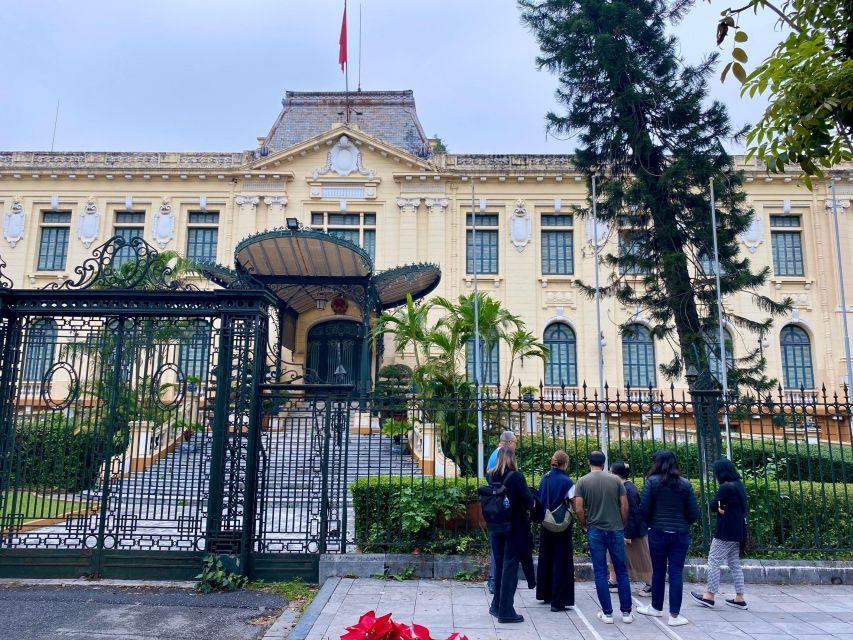
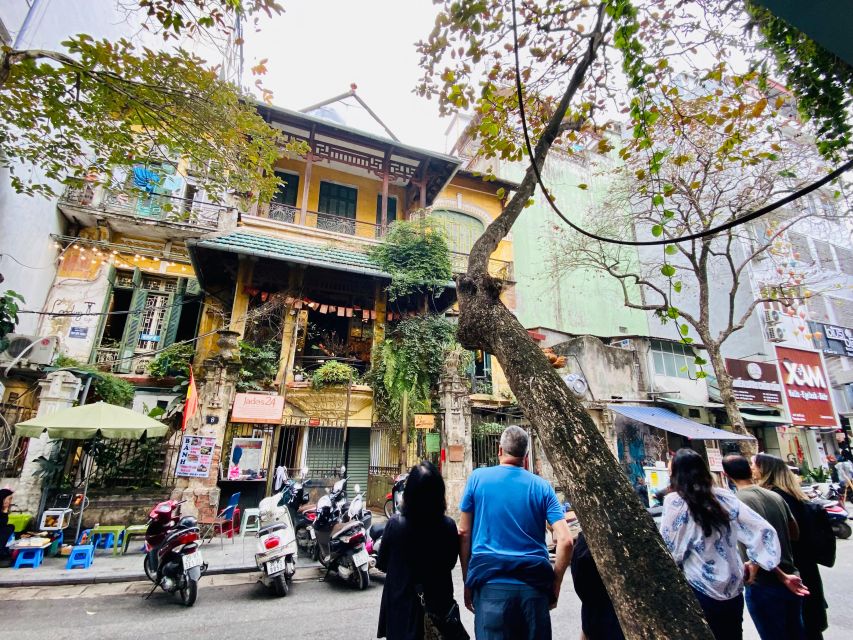
After the early landmarks, you shift into the real payoff zone: the French Quarter walking route. This is where the tour becomes practical for your future self. You are given a framework for looking at buildings, not just naming them.
The guide ties architecture to social change in Hanoi. Under French rule, the city saw institutions, public works, and civic buildings take on a more Western look. But local society did not simply copy what the French brought. The story includes the good and the bad of this period, and the guide keeps it grounded in what people lived with day to day.
The tour experience also includes visual aids. You can expect famous photos during the walk that help show historical events in context. That makes the Vietnam War portion easier to hold in your head, because it is linked to the street-level places where those stories connect.
Even if you consider yourself only a casual history fan, I think this is the moment you start to understand Hanoi’s rhythm. The French Quarter feels like it has layers. The tour gives you a way to see them without needing a textbook.
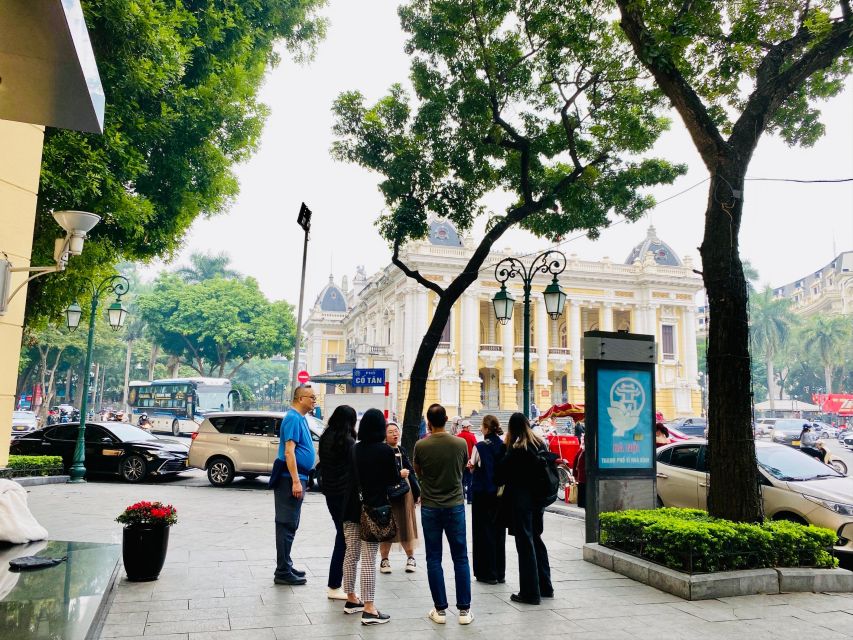
Hanoi Opera House: When Power Looks Like Art
One of the most recognizable stops is the Hanoi Opera House. The guide’s explanation helps you see it as more than architecture. It is culture used as a statement.
In French colonial cities, grand performance spaces often served a purpose beyond entertainment. They suggested permanence, modernity, and a certain idea of sophistication. Here, you learn how those symbols fit into the broader story of French influence, and how Hanoi used and adapted its own identity over time.
You will get a guided look of around 15 minutes. That is long enough to notice the building’s presence, short enough to keep the pace moving. For me, this is a sweet spot: you get enough context to be able to interpret the space later, without dragging the walk out.
More Hanoi tours and experiences for the shortlist

Hoan Kiem Lake: The City’s Center in Colonial and Wartime Context
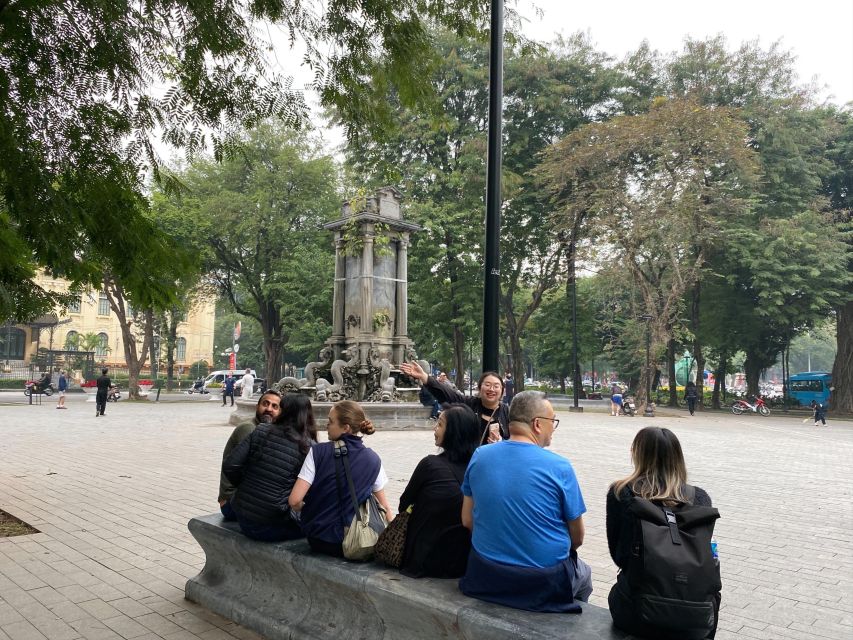
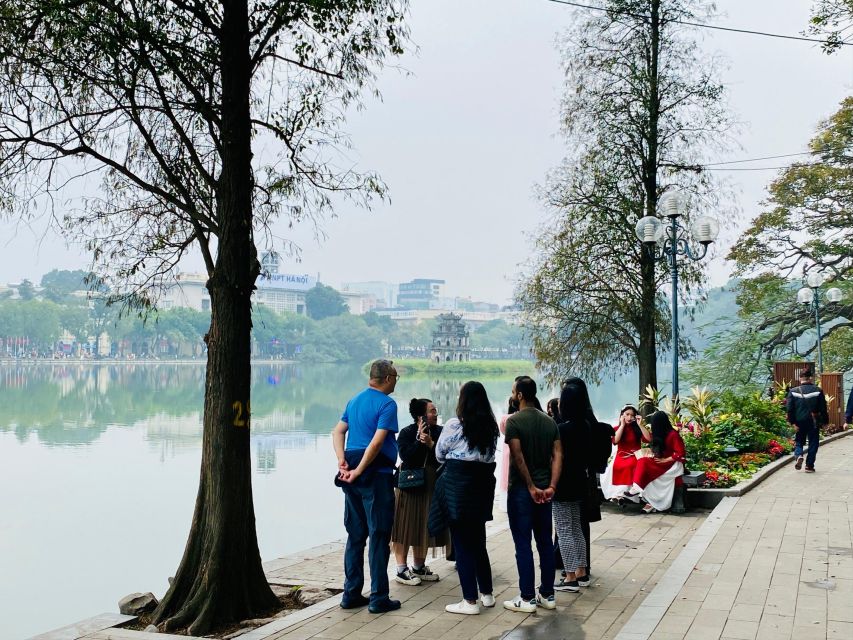
Next up is Hoan Kiem Lake. This stop is smart because the lake is one of Hanoi’s key landmarks, and it helps you connect the French Quarter to the broader city life.
The guide uses Hoan Kiem Lake to talk about how society shifted, especially as political pressures and war years shaped everyday routines. It is the kind of stop where you can look around and immediately understand why people keep returning here. Even outside tour time, Hoan Kiem helps you orient yourself in Hanoi’s geography.
And because the guide is tying the history thread into the space, the lake stops being scenery and becomes a reference point. That is a real value for first-timers. You will likely find you remember the city layout better after a stop like this.
Sofitel Legend Metropole Hanoi: The French-Era Hotel as a Historical Marker
You will also pass by Sofitel Legend Metropole Hanoi (often referred to in the tour context as the Metropole Hotel). This is a location where architecture tells you something about ambition.
Hotels like this were built to signal status and global connection, especially in colonial-era contexts. In the tour’s storytelling, it becomes another clue in the larger puzzle: how French influence took form in built environments, not just laws and politics.
Expect a guided segment here as part of the walking sequence. You get enough information to appreciate the structure and understand why it matters in Hanoi’s modern identity. It also fits the conversation tone well, because you can ask follow-up questions about how Hanoi changed and what stayed.
Trang Tien and the Famous Ice Cream Finale
The tour ends with a sweet reward at Trang Tien. This is the stop for the famous local ice cream at the well-known Trang Tien parlor.
This final portion is practical in a very good way. You get time to enjoy the ice cream, and you have seating available. There is also a restroom, so you are not stuck rushing while you are still smiling from the tour.
This is also a great moment to slow down and absorb the contrast. The tour has been full of buildings tied to French colonial influence and war-era realities. Ice cream makes it feel human again. You are still in Hanoi, not in an information bubble.
Ending Point: Hanoi University of Pharmacy and Your Next Move
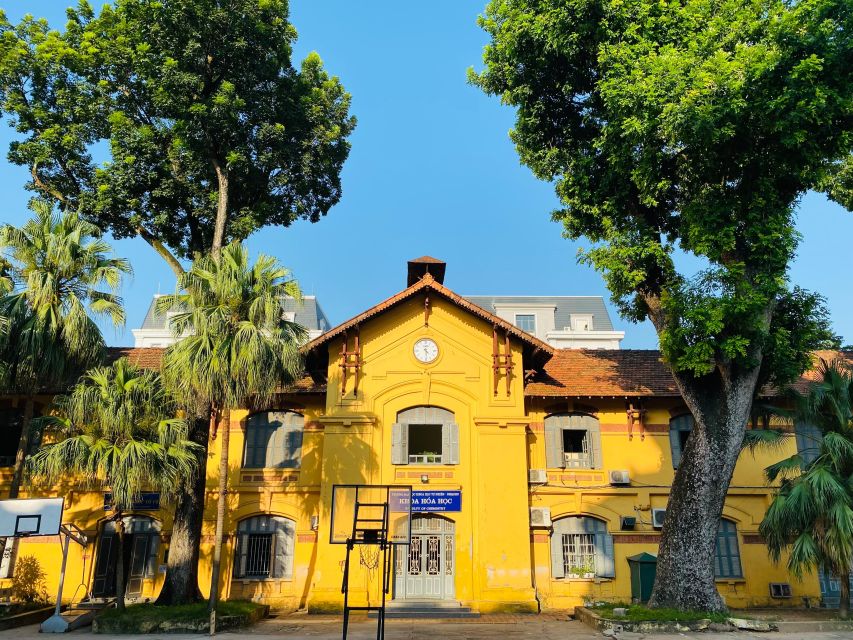
The route finishes at Hanoi University of Pharmacy. The meeting point is at 6 Au Trieu Street by St. Joseph’s Cathedral. The experience description also indicates the activity ends back at the meeting point, so you may find the final walk brings you back into the same central French Quarter zone.
Either way, you will end in an area where it is easy to keep exploring on your own. If you want to visit nearby sights after the tour, having your bearings set by walking the French Quarter sequence helps a lot.
Price and Pace: What $31 Buys in Real Value
The price is listed at $31 per person, and the duration is about 2.5 hours. For a short walking tour in a central Hanoi area, that price can make sense when you look at what’s included.
Here is what you are getting for the money:
- Guided English narration tied to major landmarks and many stops (15+ sights)
- Coffee or tea included during the tour, including the key French villa coffee experience
- Trang Tien ice cream included
- A guide who uses photos to connect events to locations
- A pace that splits time between walking and short guided segments
The biggest value is not just the coffee and ice cream, even though those are excellent. The real value is the organization of the story. French colonial influence and the Vietnam War are heavy topics. A good guide helps you place them into the city you are walking through.
The pace also matters. With around 15-minute guided segments at multiple stops and a longer local café break, you do not feel stuck in a chair. You get movement, and you get explanations sized to attention span.
Who it suits best:
- First-time visitors who want French Quarter context fast
- Architecture fans who like practical street-level interpretation
- Coffee lovers who enjoy the idea that food culture can teach history
- People who prefer asking questions over sitting through long lectures
Who might want to adjust expectations:
- If you hate walking in the heat or sun, plan your timing carefully and wear the right shoes
- If you want only cheerful cultural history, the tour includes difficult parts of the story tied to war years
Practical Tips Before You Go
I’d treat this like any good city walk: dress for the weather and for standing.
What to bring:
- Comfortable shoes (you will be on your feet)
- Sunscreen, a hat, and breathable clothing
- An umbrella or raincoat, since the tour operates rain or shine
Because the start is near St. Joseph’s Cathedral and the route stays within the central French Quarter area, you will likely spend time in exposed streets. A hat and light layers make the experience feel smoother, especially if you go during a brighter part of the day.
Also, if you are the type who likes photos, bring a charged phone. You will already get visual references from the guide, but having your own snapshots helps you connect memory later.
Should You Book the Coffee, History, and Architecture Tour?
I think you should book this tour if you want Hanoi to make sense quickly, without turning into a classroom. The pairing of coffee in a French villa, French Quarter architecture, and conversation-style history is the winning formula. It helps you see the city as a living place with layers, not as a list of famous buildings.
Book it if:
- You care about how history shapes everyday spaces
- You want stops like St. Joseph’s Cathedral, Hanoi Opera House, Hoan Kiem Lake, and Metropole explained in context
- You want the classic Hanoi payoff of Trang Tien ice cream at the end
Skip or choose a different style if:
- You want only light, casual sightseeing and nothing tied to war history
- You cannot manage a 2.5-hour walking pace, even with breaks
If you do book it, go in ready to ask questions. Guides like Mina and Dung are part of why people leave with more than photos. You leave with a clearer sense of Hanoi’s French-era story and how it still shows up on the streets today.
More Coffee Experiences in Hanoi
More Historical Tours in Hanoi



More Tour Reviews in Hanoi


Not for you? Here's more nearby things to do in Hanoi we have reviewed






More Hanoi Coffee Experiences to consider.
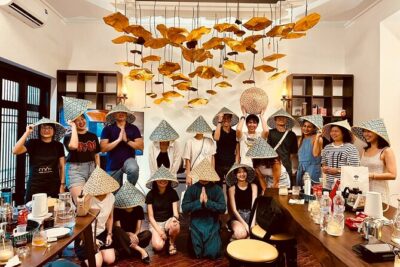 ★ 5.0Hanoi Coffee Experience: 6 Brews, 9 Recipes & 3 Liquor TastingsTickets from $172,945 traveller reviews
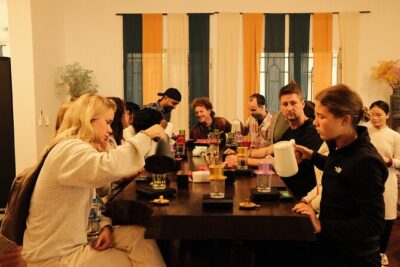 ★ 5.0Hanoi Coffee Workshop: Taste Salt, Coconut and Egg CoffeeTickets from $161,286 traveller reviews
 ★ 5.0Salt Coffee Workshop Awake Your Senses With 6 BrewsTickets from $23792 traveller reviews
 ★ 4.9Vietnamese Street Food Tour with Egg CoffeeTickets from $24315 traveller reviews
 ★ 5.0Hanoi Cooking Class: Pho/Bun Cha/Banh Xeo…+Free Egg/Salt CoffeeTickets from $19267 traveller reviews
 ★ 5.0Ha Noi Egg Coffee ClassTickets from $12227 traveller reviews
 ★ 5.0Hanoi Coffee Workshop: Master 6 Signature Vietnamese CoffeeTickets from $18171 traveller reviews
 ★ 5.0Hanoi French Quarter: Coffee and StoriesTickets from $29170 traveller reviews
More useful Hanoi routes