
Review · HANOI CITY TOURS
Hanoi- SaPa: 3-Day Homestay Trek to Explore Ethnic cultures
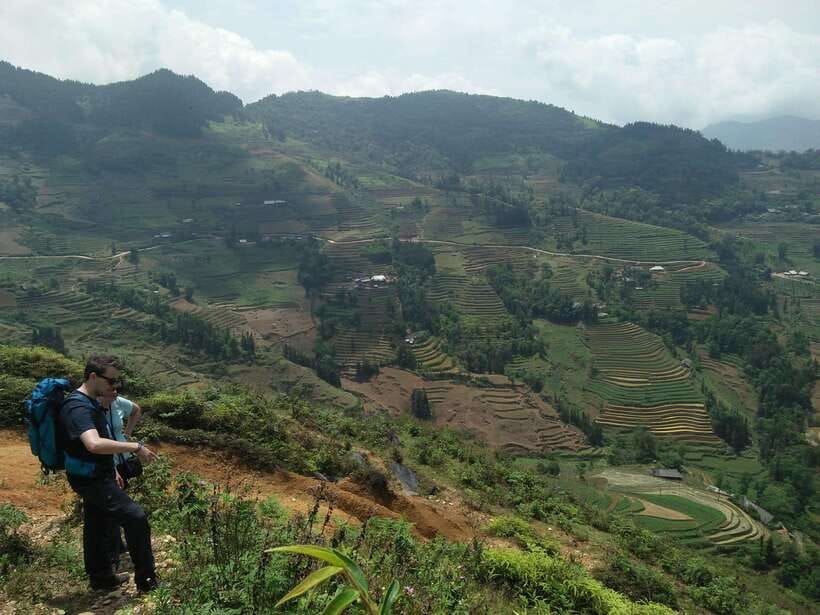
Sapa starts before sunrise, with a bus ride and a plan. You’ll get two homestays in village homes and guided walks past rice terraces and valley views, plus real time with ethnic minority communities.
What I like most is that the trip focuses on people and place, not just scenery, and it stays organized with an English-speaking guide and small group size (up to 14).
One drawback to keep in mind is the physical side, the weather can turn cold and wet early on, and bus comfort can be hit or miss on overnight legs.
Key things to know before you go
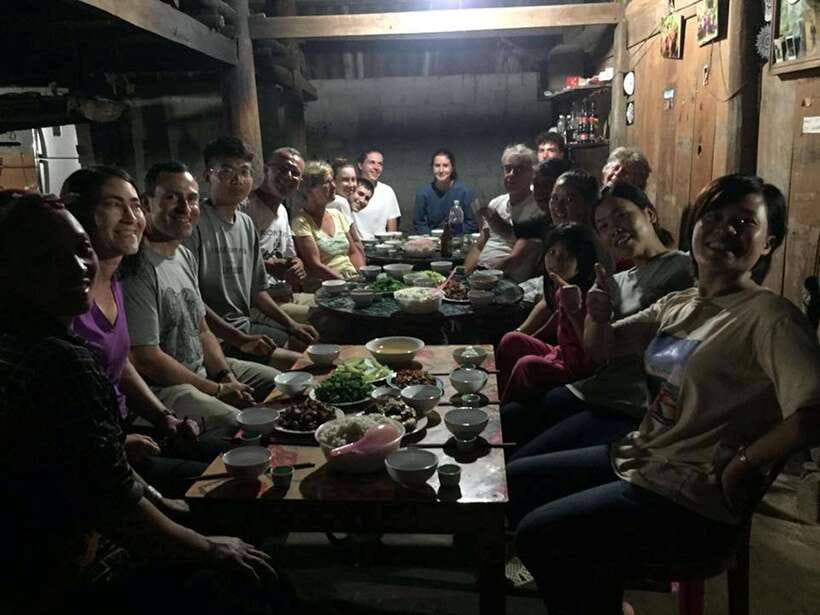
- Homestay nights in Ta Van and Ban Ho give you a closer look at daily life beyond a quick photo stop.
- Local guides help connect village routes with cultural context, not just walking directions.
- Village-to-village trekking links Hmong, Giay, and Red Dzao communities across 3 full days.
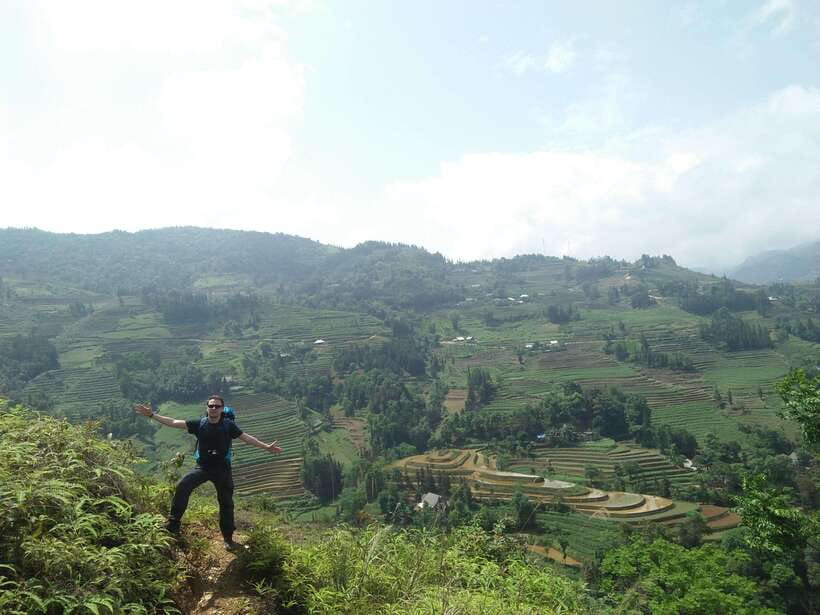
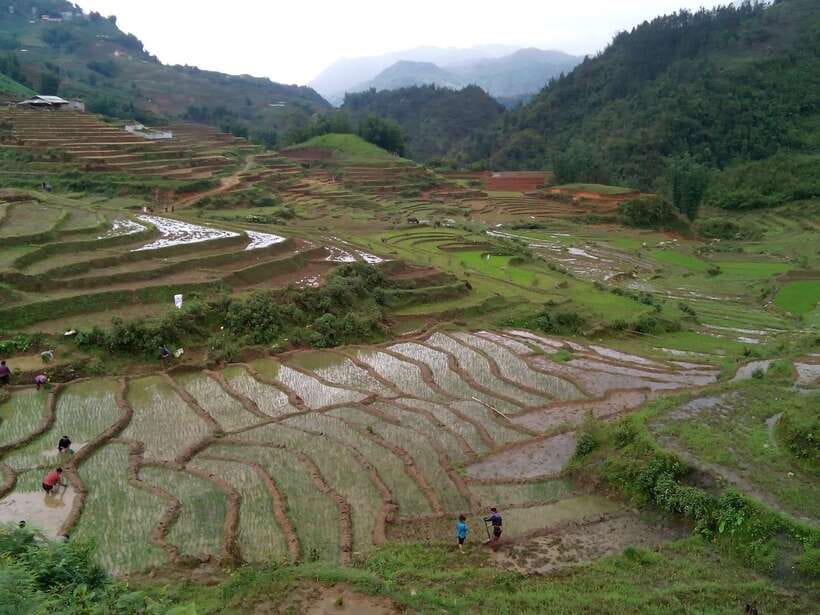
- Day 2 includes a rattan bridge and bamboo-forest walking, good for photo lovers and calm trail moments.
- Early start pressure is real, since you’re trekking on the morning after an overnight bus from Hanoi.
A Sapa homestay trek: culture you can see, not just read
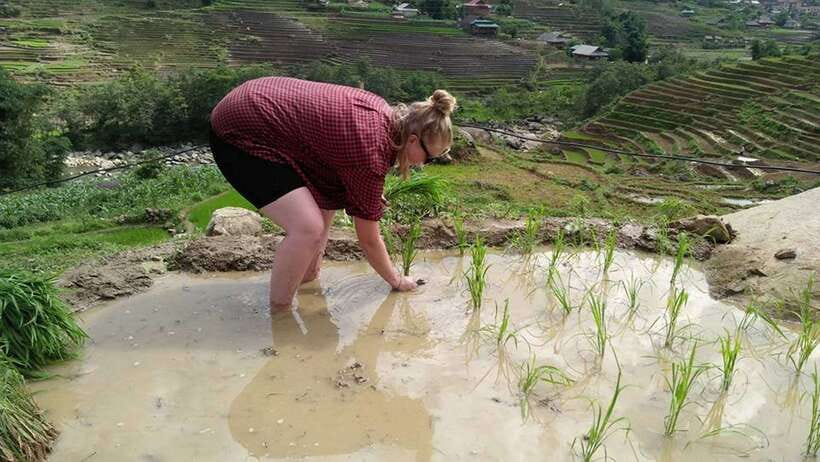
This kind of Sapa trip works best when you want more than the postcard version of the region. Here, the main event is living with village families for two nights, then walking between communities with a guide who can explain what you’re seeing and why it matters.
What you’re really paying for at $139 is a bundle: transport from Hanoi to Sapa, an English guide, multiple village lunches, and two homestays with meals. That matters because homestays often fall apart without the right local coordination. The better part is that the homestays are presented as family life, not a performance for tourists, so you’ll likely notice household routines, cooking rhythms, and how hospitality works day to day.
The tradeoff is that “cultural” doesn’t mean “comfortable.” You should expect simple conditions, walking time, and a pace that follows the villages, not a slow sightseeing schedule.
You can also read our reviews of more hiking tours in Hanoi

Hanoi to Sa Pa: the overnight bus and first morning
You start in Hanoi old quarter, at 30 Hàng Muối, Lý Thái Tổ, Hoàn Kiếm, Hà Nội, with a pickup around 20:45. After that, it’s an overnight bus to Sapa, with an early arrival planned for about 04:00 the next morning.
You’ll sleep on the bus until roughly 06:00, then wake up and head to a boutique hotel for breakfast. From there, the first trekking day really begins, with the guide picking you up at 09:00.
Why this matters for your planning: you’re not building a leisurely acclimation day into the schedule. If you’re the kind of traveler who needs a full night’s sleep before going anywhere, you’ll want to mentally budget for a rushed start. Also, if you’re sensitive to cramped transport, consider that overnight buses can be uncomfortable, and some trips can feel chaotic when travel runs late around busy holiday periods.
Day 1: Hmong country at Lao Chai, then Giay in Ta Van
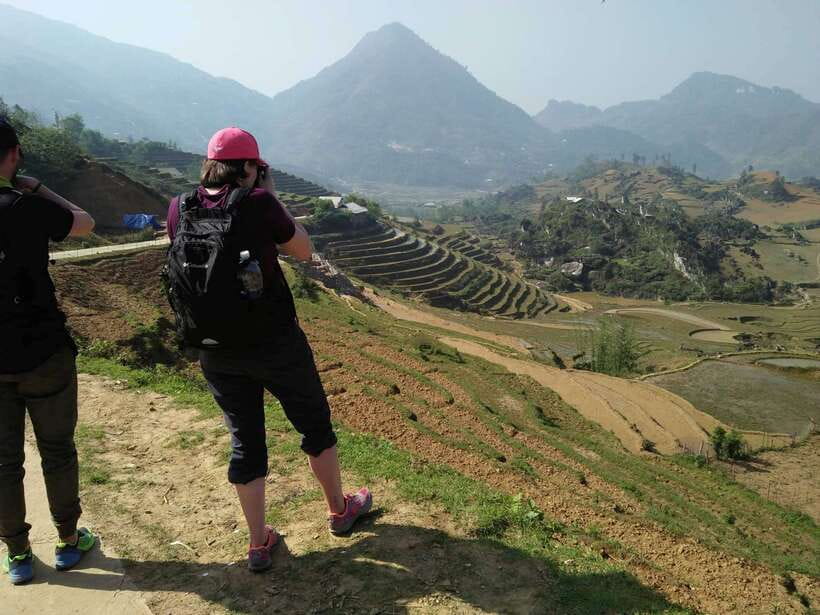
Day 1 is your “settling in” day, but it still has trekking momentum. After breakfast and meeting your group, you set out at 09:00, moving toward Lao Chai through Y Linh Ho village, a community associated with the Hmong.
You’ll stop for lunch in Lao Chai at a local family home. This is one of the trip’s best formats: you eat where the day happens, then keep walking. After lunch, the route continues to Ta Van village, where the Giay community lives.
Then comes the homestay night in Ta Van. This is where the trip earns its authenticity. Instead of “see the village, leave,” you stay, so you have time for small interactions and a better feel for routines, food, and the tone of village evenings. If you’re the type who likes photography, Day 1 is also when you’re most likely to catch the rice-terrace region framed by daily life, not just empty viewpoints.
Practical note: Day 1 can be cold and wet, especially in cooler months. If you go without good footwear and weather protection, you’ll feel it immediately.
Day 2: Bamboo forest, Red Dzao rattan bridge, Ban Ho night
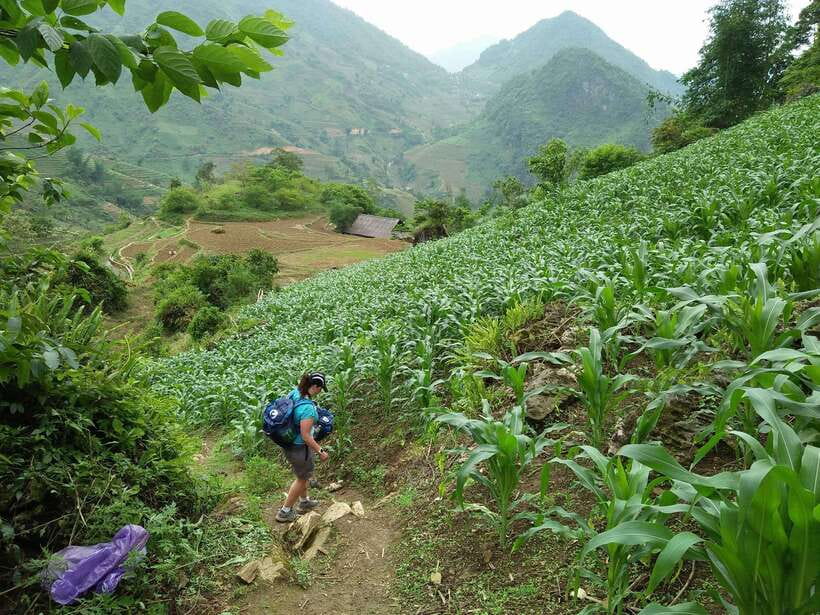
Day 2 starts with breakfast in the homestay, then you head out from Ta Van toward Giang Ta Chai village, associated with the Red Dzao ethnic minority. A big highlight here is walking through a bamboo forest, which breaks up the long views with a calmer, shaded trail feeling.
As you continue, you’ll get countryside walking time along the path, then you’ll visit a rattan bridge and also spend time at a Dzao family home. This part matters because the bridge visit is not just a photo moment. It gives you a small window into how people move and build practical connections in a rugged area.
Lunch is served along the route (on the footpath), and after that you keep trekking to Ban Ho village, where you get more free time to relax and stroll. The day ends with dinner and the second homestay night in Ban Ho.
If you’re choosing between a “short views” trek and a “real village stay” trek, Day 2 is the pivot day. You’re far enough into the route that you’re no longer trying to figure out the basics, and instead you can pay attention to how people live, eat, and socialize at night.
Day 3: Sunrise in Ban Ho valley and Nam Tong traditions
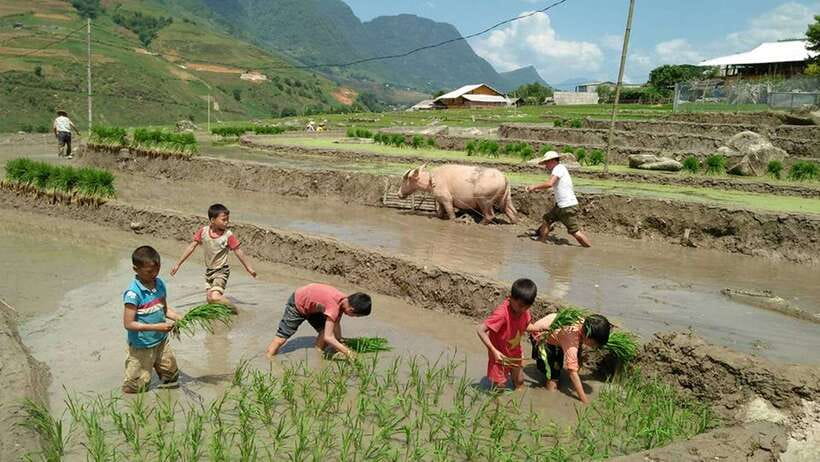
Day 3 is designed to give you one early wow moment, a sunrise in Ban Ho valley. After that, the trek becomes shorter and more focused.
You walk to Nam Tong village, associated with the Red Dzao community, where you’ll learn more about culture and traditions. Then you return to Ban Ho for pickup by van back to Sapa.
You’re given time to relax at the hotel before the bus back to Hanoi, scheduled for 16:00. Arrival in Hanoi is planned for about 22:00, and the tour ends back where you started.
This day is a good match for travelers who want energy for one more village visit but still prefer not to be in full “endurance mode” the whole time. It also works well if you want sunrise photos without trekking all day in the dark.
More Hanoi tours and experiences for the shortlist



Price of $139 and what is truly included
At $139 per person, the value mainly comes from what’s bundled. You get roundtrip bus transport between Hanoi and Sapa, an English guide, two nights in homestays, and a full set of meals: 3 breakfasts, 3 lunches, and 2 dinners, plus mineral water.
Where you should expect extra spending is also pretty clear. Beverages, travel insurance, VAT, and personal expenses are not included. You’ll also want to plan for the fact that water needs come up daily during trekking. The tour provides mineral water, but it doesn’t promise unlimited free bottled drinks at every lunch.
One more cost consideration is seasonal timing. There’s a $75 per person Lunar New Year surcharge for dates listed as 26 Jan to 2 Feb 2025, paid at the meeting point.
If you’re comparing this to doing Hanoi to Sapa on your own, the big question is whether you want to manage guide sourcing and homestay coordination. If you prefer a guided route with food handled and village nights secured, this price is often fair for the structure you get.
What to pack and how to handle cold, wet trek days
Even if you travel light, pack like you’re going to walk and sweat in the same day. The essentials are clearly spelled out, and they match what you’ll feel on trail:
- Comfortable shoes with traction
- Sunglasses
- Sun hat
- Sunscreen
- Insect repellent
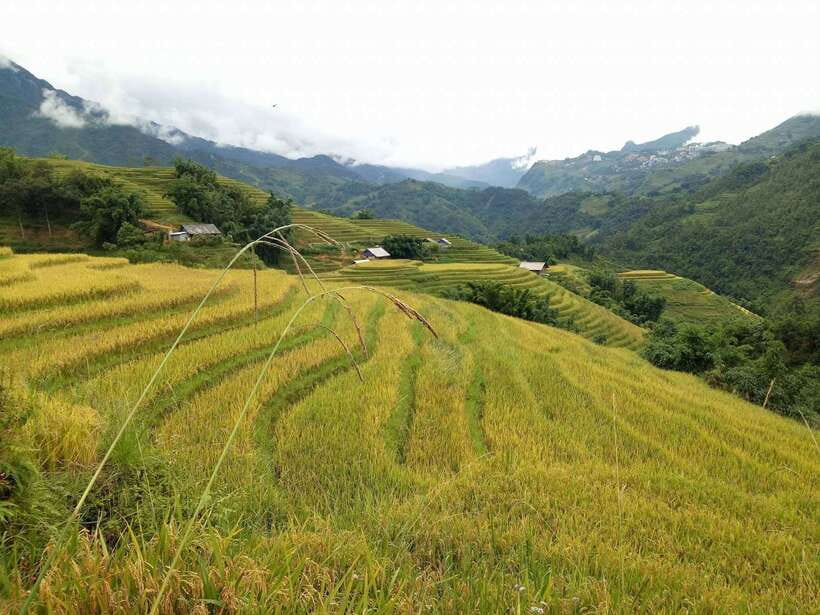
Then add the reality of Sapa: warm clothes are recommended from October to March. Day 1 can be cold and wet, with limited visibility when weather moves in. That’s not a reason to skip the trip, it’s just a reason to bring layers and accept that the first day can feel tougher than the second and third when skies improve.
For the best experience, plan to use your packing list exactly as written. You’ll be outdoors a lot, and small comfort problems (cold hands, soaked socks, slipping shoes) can snowball.
One last tip that keeps trips smoother: be respectful in village areas. That’s part of making homestays work well for everyone.
Who this trip suits, and who should skip it
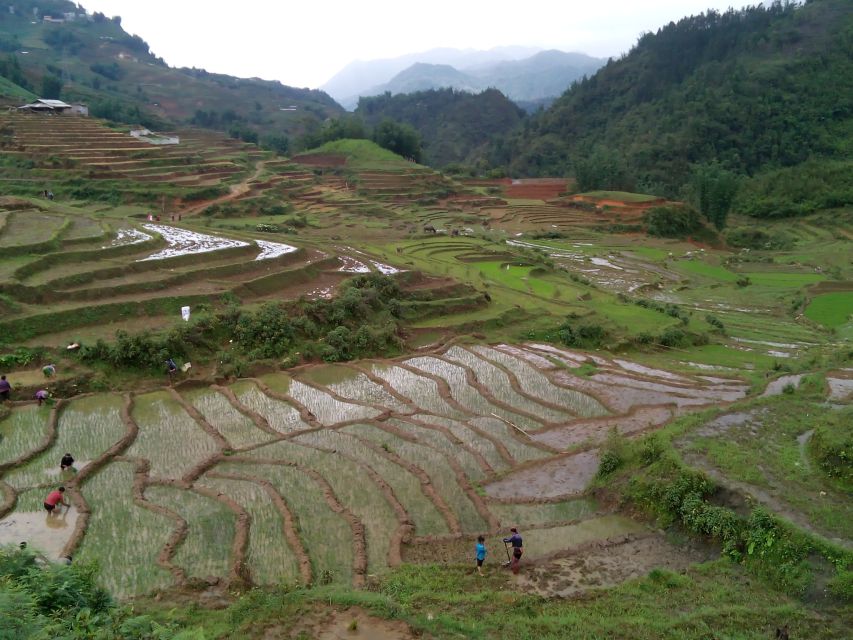
This is a strong match if you want an organized trek with small group energy (maximum 14 participants) and you care about meeting multiple ethnic communities: Hmong, Giay, and Red Dzao.
You’ll also get more satisfaction if you’re flexible with weather. When visibility drops on the first day, the experience still works because you’re learning from the guide and moving through village life, not chasing perfect panoramic photos.
On the other hand, it’s not for everyone. The tour explicitly isn’t suitable for:
- people with limited mobility, wheelchair users, or mobility impairments
- children under 6
- pregnant women
If you’re deciding between “gentle” and “challenging,” the trek is described as challenging in multiple accounts, so choose it if you can handle several hours of walking over uneven ground.
Should you book this 3-day homestay trek?
If your goal is Sapa that feels human, with homestay nights and village visits, this is a smart pick. The structure is solid: overnight travel, guided treks across multiple communities, and meals handled so you can focus on walking and conversations.
I’d particularly book it if you value cultural learning more than luxury comfort, and you’re happy to wear trekking shoes and layer up for cold mornings. I’d also be cautious if you know you get uncomfortable on overnight buses, since transport comfort can vary, and holiday travel can add delays.
Overall: book if you want a real village-centered trek. Skip if you need easy logistics, lots of private hotel time, or barrier-free movement.
FAQ
Where does the tour start and end?
It starts at 30 Hàng Muối, Lý Thái Tổ, Hoàn Kiếm, Hà Nội and ends back at the same meeting point.
How long is the trek?
The experience runs for 3 days.
What time do you pick up from Hanoi old quarter, and when do you arrive in Sa Pa?
Pickup is around 20:45 in Hanoi old quarter, and you arrive in Sa Pa at about 04:00 the following day.
Is breakfast included after arriving in Sa Pa?
Yes. After arrival and waking up around 06:00, you go to a boutique hotel for breakfast.
How many nights do you stay in homestays?
You stay 2 nights in homestays.
What meals are included?
You get 3 breakfasts, 3 lunches, and 2 dinners, plus mineral water.
What should I bring for the trek?
Bring comfortable shoes, sunglasses, a sun hat, sunscreen, and insect repellent. Warm clothes are recommended from October to March.
Who should not book this tour?
It is not suitable for people with limited mobility, wheelchair users, children under 6, or pregnant women.
More 3-Day Experiences in Hanoi

More Hiking & Trekking Tours in Hanoi

More Tour Reviews in Hanoi



Not for you? Here's more nearby things to do in Hanoi we have reviewed






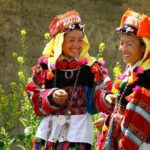


More Hanoi City Tours to consider.
 ★ 5.0Hanoi Jeep Tour: Food, Culture and Fun by Vietnam Army JeepTickets from $5515,222 traveller reviews
 ★ 5.0Full-Day Ninh Binh Highlights Tour from HanoiTickets from $797,761 traveller reviews
 ★ 4.7Ha Long Bay Day Cruise – Swimming, Meal, KayakingTickets from $417,415 traveller reviews
 ★ 4.6Water Puppet Show TicketsTickets from $77,029 traveller reviews
 ★ 5.0Hanoi Motorbike Tour: Food, Culture and Fun by Vintage MotorbikeTickets from $556,699 traveller reviews
 ★ 4.9Guided Food Tour with Train Street VisitTickets from $196,239 traveller reviews
 ★ 5.0Hanoi Cooking Class: Culture, Local Market & Meaning CSR ImpactTickets from $395,147 traveller reviews
 ★ 5.05 Traditional Dishes Hanoi Cooking Class with Market TripTickets from $354,890 traveller reviews
More useful Hanoi routes