
Review · HANOI CITY TOURS
Hanoi City Half Day – A City Saves Traditional Beauties
Hanoi hits hard in just four hours. This half-day tour strings together Ho Chi Minh Mausoleum and the calmer, spiritual core around Hoan Kiem Lake with a very Hanoi-style detour to train-track egg coffee. I also like that you get a simple mix of big landmarks and everyday neighborhood scenes, so the city feels lived-in instead of staged. One caution: egg coffee is not included, and the listing also has some ticket wording that may mean you should confirm what entry costs are actually covered for your date.
You start with a hotel pickup in central Hanoi and roll out by car with AC, bottled water on board, and an English-speaking guide. It is built for short attention spans and quick orientation, with a timed route that hits multiple iconic stops without wasting your whole day commuting. If you like architecture, legends, and street life, this is a solid fit for a first or second visit.
Key highlights you will care about
- Ho Chi Minh Mausoleum area, plus daily-life stops: Presidential Palace, stilt house, fish pond, and the Ho Chi Minh Museum are part of the same visit.
- One Pillar Pagoda: A tiny, famous pagoda with a unique architectural symbol tied closely to Hanoi.
- Temple of Literature for 800 years of education: A place where you learn why mandarins and royals mattered, and why students still pray there.
- Old Quarter streets, including Ta Hien Street: A short street packed with street food, music, and bar energy.
- Egg coffee on the train track: A strange-yet-familiar look at how daily life runs right beside active tracks.
Why this 4-hour Hanoi route works so well
A good half day tour in Hanoi should do two things fast: help you understand the city’s shape, then show you how people actually live between the big sights. This one checks both boxes. You get major historical references, then you shift gears to Old Quarter streets where daily routines take over the sidewalks and small lanes.
I like the pacing because it feels like a “greatest hits” walk-through without pretending you can see everything. The car ride time also matters in Hanoi, because you cover distances while still getting time on foot near key sights.
The price is also reasonable for what is included: a guide, AC transport, bottled water, pickup and drop-off at central Hanoi, and entrance ticket coverage is listed in the inclusions. That said, the note that Ticket is also listed as not included means you should quickly verify what you will pay on-site, especially for any optional add-ons.
You can also read our reviews of more city tours in Hanoi


Morning start: pickup, then Ba Dinh Square and Uncle Ho’s world
Your day begins with pickup right in front of your hotel, usually in central Hanoi. From there, you head straight to the most important and sacred Ho Chi Minh-related sites in the city, located in Ba Dinh Square. This is the place tied to the Declaration of Independence and Uncle Ho’s role in Vietnam’s founding story.
What I like here is that it is not only “go see the big building.” You also visit associated daily-life places, including the Presidential Palace, Uncle Ho’s stilt house, the fish pond, and the Ho Chi Minh Museum. That combination helps you connect the official legacy with the personal details, like the idea of a simple lifestyle paired with a major revolutionary career.
For context, Ba Dinh Square sits at the heart of the national story. If you are new to Vietnam, it gives you a reference point you can carry into the rest of the trip. If you already know the basics, it still helps because the guide’s explanations link the sites together into one coherent narrative.
Ho Chi Minh Mausoleum area, plus how the guide makes it make sense
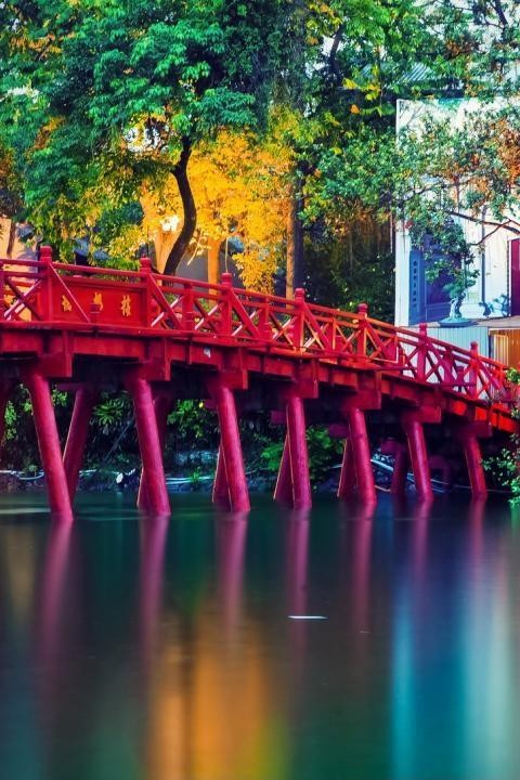
This part is mostly about meaning. The Mausoleum is described as sacred and central to understanding Uncle Ho’s revolutionary life. Then the supporting stops, the stilt house and fish pond in particular, shift your perspective from monument time to everyday time.
I especially appreciate how a strong guide can turn this from a checklist into a story. In recent comments, guides like Chiến and Tony were praised for being punctual and for explaining the plan clearly, so you know what you are seeing and why it matters before you even move on.
When you are short on time, that is a real value. You will get more out of each stop because you are not just standing and guessing.
One Pillar Pagoda: a famous symbol you can actually picture
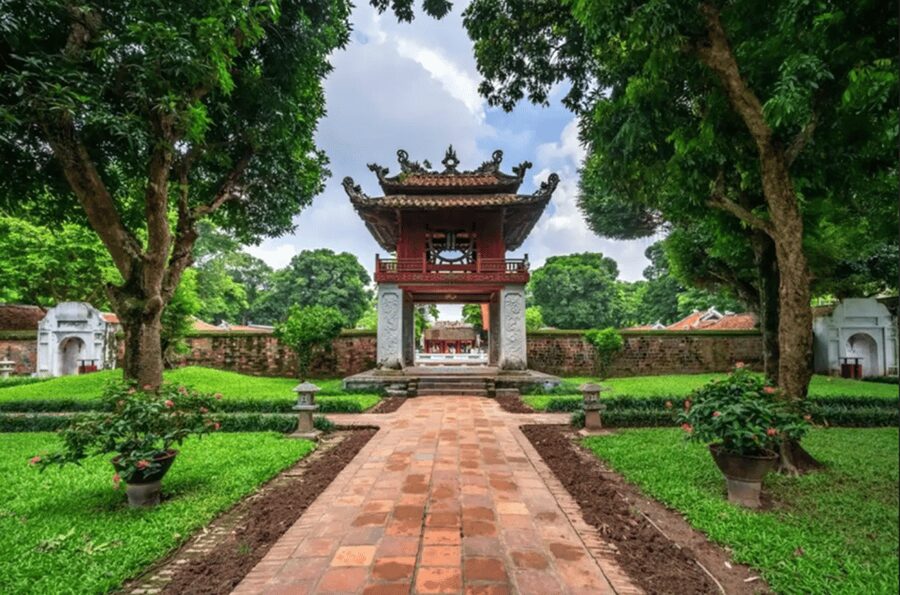
After the solemn national sites, the tour heads into something calmer and more spiritual: the One Pillar Pagoda. It is described as an ancient, sacred pagoda, and it is famous in Vietnam for its unique architectural and cultural symbol of Hanoi.
This stop works even if you do not consider yourself a “pagoda person.” The structure is distinctive enough that you can understand why it became a signature symbol. And because the tour is timed for a half day, you get a shift in mood without losing momentum.
Practical tip: since this is a sacred site, I’d plan for respectful dress and keep your phone use quiet and brief. Even if your visit is short, showing a little courtesy makes the whole experience feel better.
Temple of Literature: where study, power, and trees share the same space

Next comes the Temple of Literature, described as the first university in Vietnam. It was established in a temple to train royals, mandarins, and the Vietnamese elite for about 800 years. That detail matters because it changes how you read the buildings. This is not just a pretty courtyard. It is tied to the education pathway that shaped government and society.
The tour also notes that many students come here to pray for their studies. That kind of ongoing practice makes the place feel alive in a grounded way. You can see the architecture and still understand why people return for hope.
I like that the guide will point out the layout and the shade. The Temple of Literature is described as covered by a row of giant trees along with meticulous, lavish architecture from that time. Even if you only have a brief visit, you will likely feel the contrast between learning-focused space and the noise outside the walls.





Old Quarter orientation: Dong Xuan Market from the road
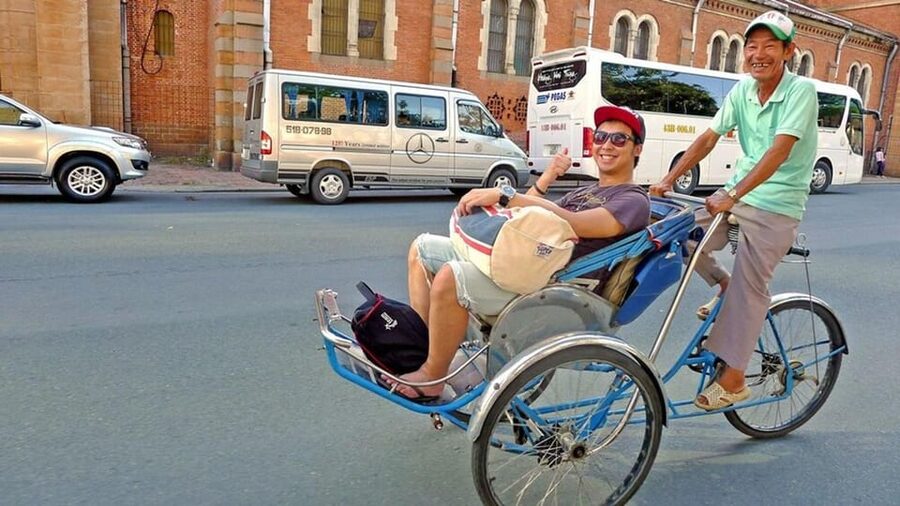
Now you transition into the city’s daily engine. The guide takes you to Hanoi Old Quarter, known for narrow streets and the rhythm of markets. From the car, you get views of Dong Xuan Market, described as the largest famous and traditional market in Hanoi.
Even if you do not go inside, this kind of exterior look gives you scale. It helps you understand the Old Quarter’s shopping logic, where streets cluster by trade and where everyday needs are handled in the open.
A short heads-up: Old Quarter streets can feel intense, especially around market areas. If you prefer steady, spacious walking, you may want to slow down and rely on the guide for timing and navigation.
Ta Hien Street and the train-track egg coffee, the most Hanoi moment

From Old Quarter, the route includes Ta Hien Street, known as the street that never sleeps. It is described as under 100 meters long and packed with music, laughter, and street food aromas from shops and stalls.
This is one of the best “feel the city” segments because you see a place that runs on people, not history. The tour keeps it short, so you get energy without getting stuck there for hours.
Then comes the experience that most people talk about: egg coffee on the train track. Here, the track is described as running through a crowded residential area, just steps from people’s homes. When trains are not running, the small roads on both sides become a living space where children play, adults cook, sit, drink tea, or knit.
I love this because it reframes what you think you know about infrastructure. In Hanoi, old and new habits overlap. You do not watch life from a distance. You see it used as part of daily routine.
If you go, you will want to stay flexible. Train schedules can change, and the tour depends on the moment. In one set of notes, a guide named Chiến was credited with getting the group into the train street to see a train pass, which shows how timing can be part of the magic.
Opera House and Cathedral: famous architecture, quick views

You will also admire two major city landmarks from the route: Hanoi Opera House and the Cathedral. The tour frames them as some of the most famous architectural works in Hanoi.
This is not a long sit-down visit. It is more of a photo-and-context stop, which makes sense in a four-hour format. Use it to get the big picture of Hanoi’s architecture beyond the temple and Old Quarter focus.
If you care about buildings, take a minute to watch how these structures sit beside the streets around them. That contrast is often where your brain starts connecting the dots about the city’s layers.
Ngoc Son Temple and Hoan Kiem Lake: legend at the city’s center
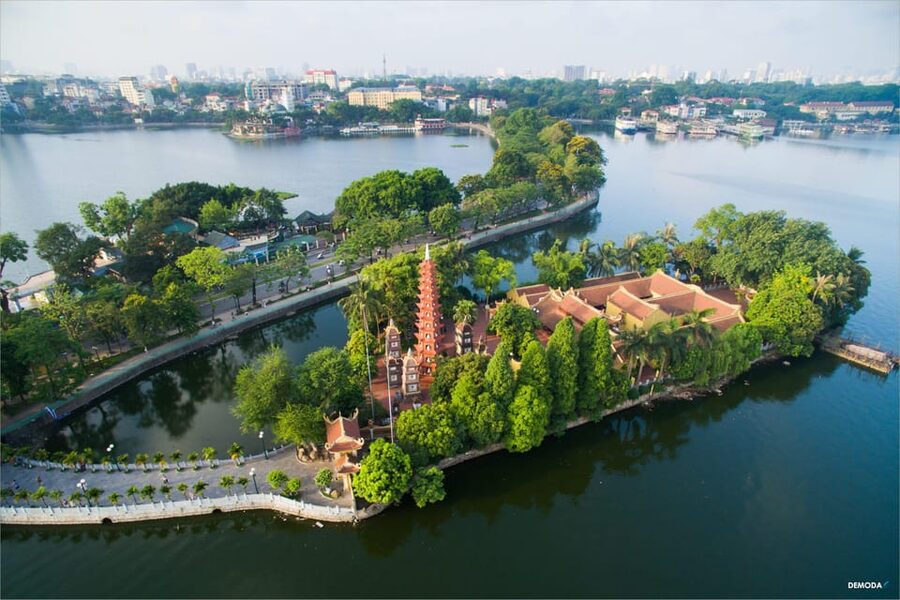
The tour ends at Ngoc Son Temple on the heart of Hoan Kiem Lake. The temple is described as a famous spiritual place, with unique architecture and a beautiful view of Hoan Kiem Lake.
Then you visit Hoan Kiem Lake, described as the heart of the capital, where the legend of the Divine Turtle returning the sword is kept. Even if you have only heard the legend in passing, seeing the location helps it click. The lake area feels like a central stage for stories that people keep repeating.
I like that the final moments bring you back to calm water and a slower pace. After the Mausoleum area and Old Quarter energy, this feels like a natural reset.
Price, pace, and what you get for $22
At $22 per person for a 4-hour tour, you are mostly paying for three things: a tight route, a guide who connects the stops, and transport that reduces Hanoi “where do I go next” stress. The tour includes AC car transfer, bottled water, pickup and drop-off in central Hanoi, and entrance tickets are listed as included. Egg coffee is not included, and holiday surcharges may apply.
If you are traveling on a budget, the value is in not having to coordinate multiple separate tickets and transport. If you are short on time, it is also value in reducing the number of decisions you need to make.
But there is a practical trade-off: you are seeing a lot of places in a short time, which means each stop is shorter than it would be on a full-day tour. If you want to linger for photos, reading plaques, and slow pacing, you might feel the time pressure.
The guide can make or break it
This tour leans heavily on explanation. The sites are meaningful, but you only get the full payoff if you understand what you are looking at. That is why guide quality matters so much.
In the notes tied to this experience, guides like Chiến, Alex, and Tony were praised for punctuality, clear plan explanations, and story telling that makes the places stick. A good guide also helps with timing in places that depend on the moment, like the train-track egg coffee area.
If you have a language preference beyond English, there can be a surcharge for other languages. Since language is part of the value here, I’d plan to confirm your guide language before you go.
Who this tour suits best
This is best for you if:
- You want a first-time orientation to Hanoi without spending a full day.
- You like history that connects to real-life detail, not only monuments.
- You want a mix of temples, colonial-era style landmarks, and Old Quarter street scenes.
- You are traveling solo, as a couple, or with friends who want the same shared route.
It might be less ideal if:
- You hate short visits and prefer slow, long stays.
- You want every stop inside, not just admiring key sites on the route.
- You are trying to fit very specific personal schedules into a tight window.
And one more fairness note: a small number of bookings flagged misleading descriptions and a weak tour. If you want to avoid surprises, I’d message the provider before departure and confirm what is included around ticketing and whether egg coffee is an optional purchase during the train-track stop.
Should you book this Hanoi half day tour?
Yes, if you want a practical way to see major Hanoi highlights in 4 hours, with a guide who explains the meaning behind sites from national history down to everyday street life. The best part is how the tour connects serious places like Ba Dinh Square and Ho Chi Minh Mausoleum with the calmer spiritual rhythm of One Pillar Pagoda, Temple of Literature, and Hoan Kiem Lake.
Book it if you enjoy variety and you are okay moving at a steady pace. Skip it or ask extra questions first if you expect a long, unhurried tour where you can linger at each location for hours, or if ticket inclusions are a big deal for your budget.
If you do book, treat it as your Hanoi starter kit. Then, once you feel the city’s layout, you can return later for the stops you want to explore more slowly.
More City Tours in Hanoi



More Tour Reviews in Hanoi



Not for you? Here's more nearby things to do in Hanoi we have reviewed










More Hanoi City Tours to consider.
 ★ 5.0Hanoi Jeep Tour: Food, Culture and Fun by Vietnam Army JeepTickets from $5515,222 traveller reviews
 ★ 5.0Full-Day Ninh Binh Highlights Tour from HanoiTickets from $797,761 traveller reviews
 ★ 4.7Ha Long Bay Day Cruise – Swimming, Meal, KayakingTickets from $417,415 traveller reviews
 ★ 4.6Water Puppet Show TicketsTickets from $77,029 traveller reviews
 ★ 5.0Hanoi Motorbike Tour: Food, Culture and Fun by Vintage MotorbikeTickets from $556,699 traveller reviews
 ★ 4.9Guided Food Tour with Train Street VisitTickets from $196,239 traveller reviews
 ★ 5.0Hanoi Cooking Class: Culture, Local Market & Meaning CSR ImpactTickets from $395,147 traveller reviews
 ★ 5.05 Traditional Dishes Hanoi Cooking Class with Market TripTickets from $354,890 traveller reviews
More useful Hanoi routes