
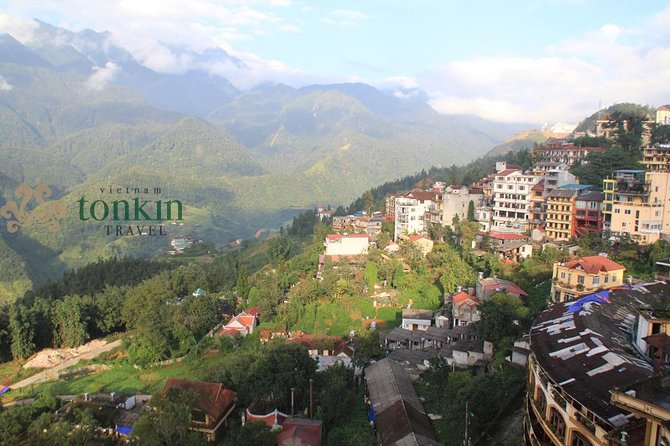
Review · SAPA TREKKING TOURS
Sapa hard trekking villages homestay 3days/ 2nights tour – amazing culture
Rice terraces and real village life, on foot. I like how this Sapa village trek strings together homestay dinners and breathtaking rice-terrace routes with a small-group feel. Instead of bouncing between viewpoints, you hike through lived-in farmland and meet families in Ta Van, Lao Chai, Ban Ho, and Nam Toong.
You also get practical structure without feeling herded. Pickup is arranged from the Sapa hotel area, the day plans are clear, and an English-speaking guide keeps you moving at a pace that works for most people, with max group size 15. One thing to consider: the homestay and basic rooms are exactly that, basic, and a few past experiences suggest cleanliness can vary, especially in the hotel portion.
Key things I’d actually plan around
- Small-group max of 15 helps you get real answers and less waiting in lines
- Two nights with local families gives you more than photos, it gives you daily routines and meals
- Long walking days (about 7 hours, then 15 hours, then 8 hours) are part of the deal, plan fitness accordingly
- Multiple ethnic villages (Hmong, Giay, Tay, and Red Dao) mean different homes, stories, and daily farming life
- Meals and fees included so you can budget your trip fast and worry less about add-ons
- Weather matters in Sapa, so go in with layers and a flexible mindset
Entering Sapa on a village-route plan, not a sightseeing loop
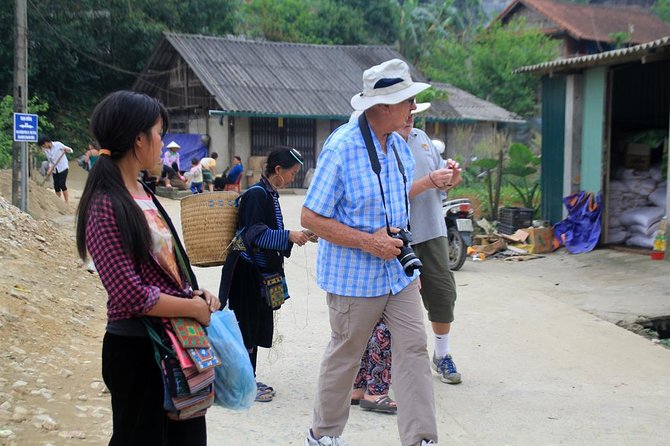
This is the kind of Sapa trip that feels like it’s built for people who like walking and talking, not just checking boxes. The focus is the northern countryside and small villages where you can see rice terraces from up close and get a sense of how people actually live across the hills.
What makes it work is the mix of village time and guided hiking. Day 1 sets the tone with Hmong village visits and a first homestay night in Ta Van. Day 2 is the big outdoor push through bamboo and waterfall scenery, ending with an overnight in Ban Ho. Day 3 keeps it gentler but still outdoors, with a river walk to Nam Toong and a chance to cool off near Lavie waterfall before you head back to Sapa.
You can also read our reviews of more hiking tours in Sapa
The pace, timing, and what “hard trekking” means here
The itinerary gives you a realistic clue about effort: about 7 hours on Day 1, about 15 hours on Day 2, and about 8 hours on Day 3. That Day 2 stretch is the one that tests your legs, because you’re trekking, then stopping for a picnic lunch, then trekking again into another village.
You do not need to be an ultra-athlete, but you should be ready for uneven paths and long stretches. You’ll also likely deal with changing mountain weather. One review noted rapid changes, foggy scenery, and mist. In practical terms, pack layers you can add or remove and a rain layer you can trust.
Day 1: Ta Van starts with Hmong terraces, then ends with a family welcome
Your first half day is travel plus an easy-to-moderate walk that drops you into the village landscape. Pickup happens from your Sapa hotel area or the bus station around noon time, then you move to the tour office near Delta Sapa Hotel. After lunch at the hotel, you depart around 2:30 PM for the hike.
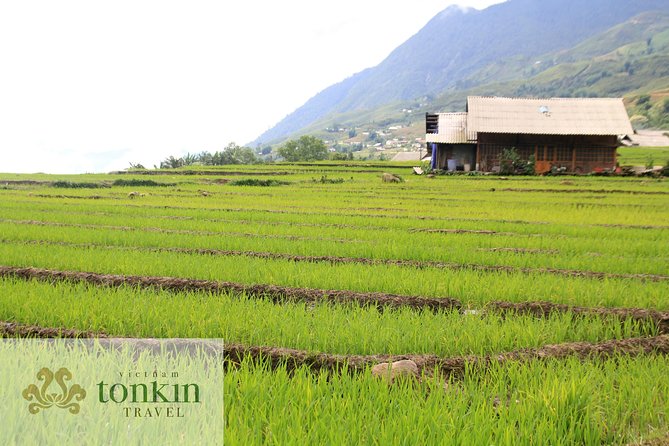
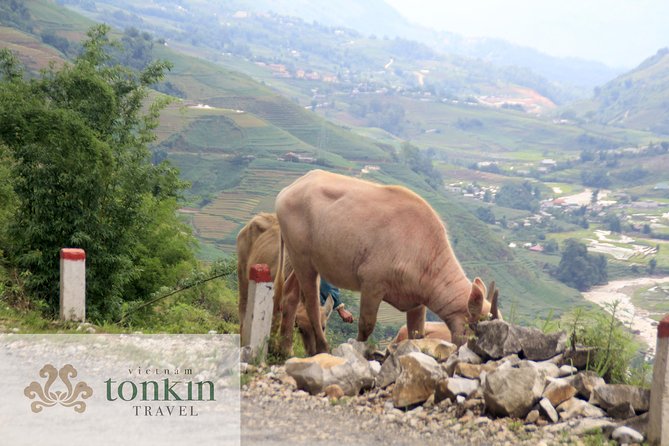
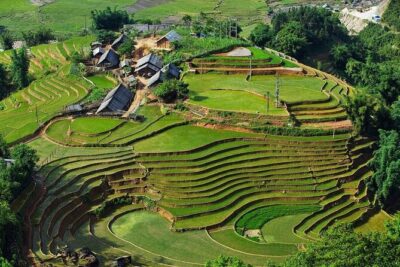
The first real village stop is Y Linh Ho, a Hmong settlement area. This is where you’ll spot hereditary terraces estimated at around 100 years old. It’s one of those sights that reads better in person than in pictures, because you can see how the terraces follow the slopes and how water shapes the whole farming pattern.
From Y Linh Ho, you continue downhill toward Lao Chai, described as the Hmong home town. You’ll take a short break there, enjoy some drinks, and pause for views before continuing to Ta Van. Ta Van is where you get the homestay night, with a warm welcome from a local Giay family.
The day’s end is the part most people remember. You’ll cook and eat dinner with your local family, then sleep in their home. That means the day is not only about the landscape, it’s also about how dinner gets made, how families organize daily life, and how you fit into it for a night.
A small Day 1 consideration
You’ll be hopping from pickup, lunch, then a first hike, so you don’t have the luxury of a slow start. If you’re sensitive to tight schedules, aim to arrive in Sapa early enough that you’re not rushed before noon pickup.
Day 2: Bamboo forest, a silk waterfall, and the Tay welcome in Ban Ho
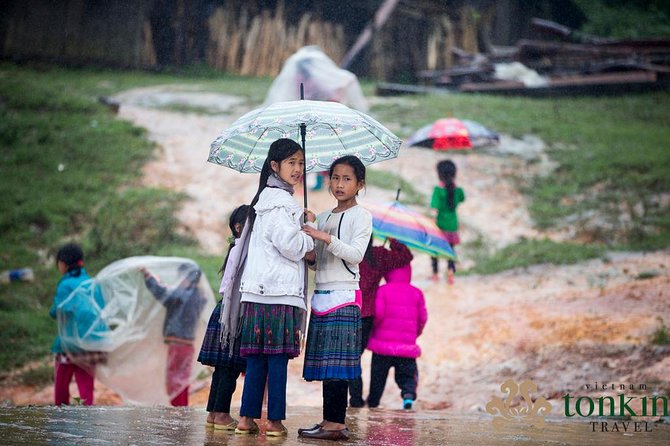
Day 2 is the long one, and it has a classic mix of textures: rice terraces in the morning, then forest and waterfall scenery, then village life and a local dinner.
Morning starts with a wake-up call from the household rhythm, described as waking up to roosters or pigs. Breakfast is served outdoors with pancakes plus hot tea or hot coffee, then you get treated to views across the terraces.
After breakfast, you say goodbye to the local family and head out trekking through a bamboo forest and toward a silk waterfall. The route leads you to Giang Ta Chai. This is where the pace feels more serious because you’re moving for a few hours, not just wandering.
You then stop for a picnic lunch with big scenery and continue trekking onward to Ban Ho. Ban Ho is the overnight stop, and you’ll receive a welcome from the local Tay minority community. Dinner with the local family comes at night, followed by your second overnight in the homestay.
More Hanoi tours and experiences for the shortlist
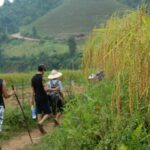

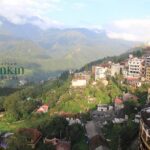
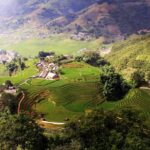
Day 2 is also the best day for photos
Day 2 gives you more variety than the other days. You get bamboo, waterfall surroundings, and terraces in the same day, which is rare in a short 3-day tour. Bring a jacket that blocks wind, because the mountain air can feel sharp even when the sun is out.
Day 3: Red Dao Nam Toong, Lavie waterfall water break, then back to Sapa
Day 3 keeps the outdoors going but shifts from long trekking to scenic walks and shorter segments. You wake up at the homestay, have breakfast, and take a walk along the river. This walk is where you’ll see Nam Toong village, home to the Red Dao minority.
After that, you head back toward Ban Ho. There’s also a simple nature break built in: you can dip into fresh water near Lavie waterfall. That’s the kind of reset that turns a hard trek into a trip you actually enjoy, not just survive.
Then you return for lunch at the homestay, and the tour transitions back to transport and comfort. You’ll get a ride back to Sapa around 2:00 PM and have shower time at the hotel. Around 3:00 PM, there’s a shuttle drive to the bus office, with check-in help for your return to Hanoi. Before you leave, you also get sandwiches to take away.
Why this ending matters
Many trekking tours drop you back with no support. Here, you still get a structured handoff to your bus departure. That makes a big difference if you’re trying to keep your travel day smooth rather than chaotic.
Your guide and local food: what consistently earns praise
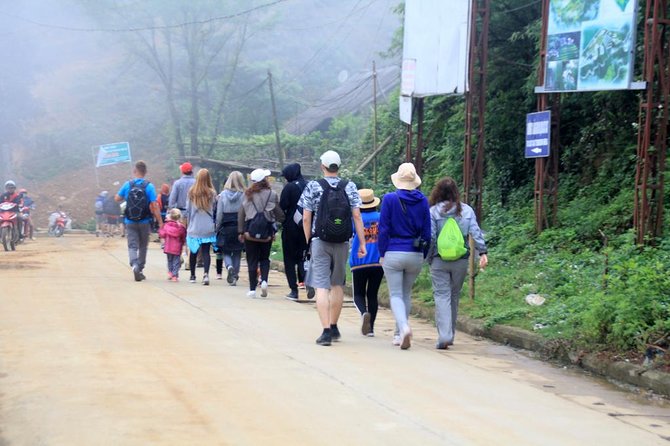
This tour leans hard on the guide and the homestay experience, and you can see that reflected in the way guides are described by name. English-speaking guides like Ha, Tran, Jack, Dem, Dinh, Lu, and Hung show up in past groups as friendly, funny, and clear in how they explain what you’re seeing.
That matters because the villages are not just backdrops. When your guide can explain who lives where, why rice terraces look the way they do, and how daily life works in those communities, your hike becomes a conversation, not just a route.
Food is another highlight. Multiple descriptions focus on local meals tasting very good, especially the dinner shared with families. When you’re in a homestay, meals tend to be simple, seasonal, and tied to what families cook at home. For me, that’s the value, you’re not eating to fuel a tour, you’re eating as part of a household day.
Price and logistics: is $110 actually good value?
At $110 per person for an about 3-day tour, the value comes down to what’s included.
Included items are strong for people who don’t want to micromanage expenses:
- 2 nights accommodation in local houses, basic rooms, with sharing bathrooms
- All meals listed as 2 breakfasts, 3 lunches, and 2 dinners
- English-speaking guide
- Entrance and sightseeing fees
- Trekking trip fees
- Air-conditioned vehicle
That’s a lot bundled into one price for a Sapa trekking itinerary. The main cost you should anticipate is drinks and beverages, which are not included. If you drink a lot of bottled water, coffee, or sodas, you’ll want to budget for that.
There’s also a seasonal surcharge: during Lunar New Year holiday dates listed for Feb 14 to Feb 23, 2026, there’s a $50 per person surcharge. If you’re traveling in that window, check your dates early so there are no surprises.
Comfort reality check: homestays are part of the charm, but be ready
The accommodation is described as basic rooms and sharing bathroom for two nights at local houses, plus a hotel night on Day 1. That’s exactly what makes the trip feel authentic, but it also means comfort is not the main priority.
One past experience notes issues with hotel smell and linens not being clean, plus dissatisfaction with the organization on the trekking side. I’d treat that as a reminder to lower expectations for hotel standards compared with a typical city stay.
In practice, what you can do:
- Pack a sleeping layer or liner if you feel strongly about bedding cleanliness
- Bring a small towel or wet wipes for quick freshen-ups
- Accept that the homestay setting is more about closeness to local life than luxury
On the plus side, many descriptions emphasize cozy, nice homestay stays and excellent hosts. So the overall pattern is positive, just with enough variance that you should plan like a realist.
Who this tour fits best, and who might want a gentler option
This is a great fit if you:
- Like outdoor walking and can handle long days
- Want to see more than the town center, you want village routes and daily life
- Enjoy talking with people and eating local food in a family setting
- Prefer a small group that stays organized without feeling too crowded
You might think twice if you:
- Want mostly flat, short walks
- Expect hotel-level comfort throughout
- Are not comfortable with basic bathrooms or shared sleeping spaces
Most travelers can participate, but the itinerary hours suggest you should be in reasonable trekking shape before you go.
Should you book this Sapa homestay village trek?
I’d book it if your main goal is culture on foot. The combination of terraced views, bamboo and waterfall scenery, plus two nights living the rhythm of local families is the strongest reason to choose this tour over a bus-and-viewpoints plan.
I would hesitate only if comfort and consistent cleanliness are your top priorities, because this includes basic homestays and at least one hotel portion where real-world standards can vary.
If you’re flexible, pack for changing mountain weather, and show up ready to walk, this $110 tour is a solid way to experience Sapa in a way that feels personal, not packaged.
FAQ
What is the start time for this Sapa trekking tour?
The tour starts around 1:00 PM, with pickup from hotels in Sapa or the bus station around noon time.
Where do you meet for the tour?
The start meeting point is Delta Sapa Hotel, 031 Ng. Cầu Mây, TT. Sa Pa, Sa Pa, Lào Cai 330000, Vietnam.
How long is the tour?
It runs for 3 days (approx.), including 2 nights of accommodation.
How many people are in the group?
This is a small-group tour with a maximum of 15 travelers.
What is included in the price?
The package includes an English-speaking guide, entrance and sightseeing fees, the trekking trip, accommodation for 2 nights, and meals (breakfasts, lunches, and dinners).
Are meals included?
Yes. Meals included are 2 breakfasts, 3 lunches, and 2 dinners.
What kind of accommodation should I expect?
You’ll stay 2 nights in local houses with basic rooms and sharing bathrooms.
What is not included?
Beverages and drinks are not included.
Is there an extra cost during Lunar New Year?
Yes. There is a $50 USD per person surcharge for Lunar New Year holiday dates listed as Feb 14 to Feb 23, 2026.
What happens if the weather is bad or I need to cancel?
The experience requires good weather. If it’s canceled due to poor weather, you’ll be offered a different date or a full refund. You can cancel for a full refund if you cancel at least 24 hours before the experience start time.
More Hiking & Trekking Tours in Sapa
More Tours in Sapa
More Tour Reviews in Sapa
Not for you? Here's more nearby things to do in Sapa we have reviewed




More Sapa Trekking Tours to consider.
 ★ 5.0Sapa 2 Days 1 Night From Hanoi – Overnight in Ta Van VillageTickets from $592,669 traveller reviews
 ★ 5.0Hanoi – Sapa 2 Days 1 Night Overnight At HomestayTickets from $89899 traveller reviews
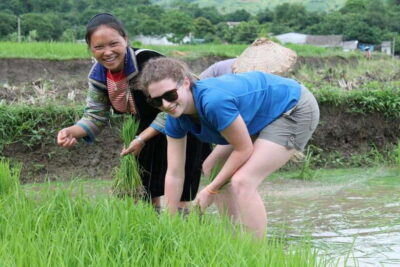 ★ 4.6Sa Pa: Muong Hoa Valley Trek and Local Ethnic VillagesTickets from $23864 traveller reviews
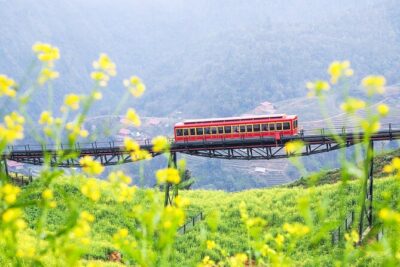 ★ 5.0Sapa: Fansipan Cable, Cat Cat Village & Moana Instagram TourTickets from $30777 traveller reviews
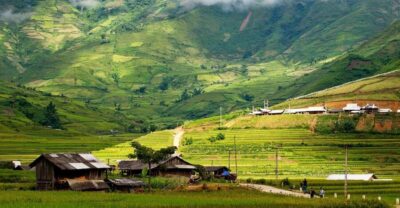 ★ 4.8From Hanoi: 2-Day Sapa Trekking Trip with Homestay & MealsTickets from $71704 traveller reviews
 ★ 5.0Sapa 3 Days 2 Nights Trekking Tour (1 Night In Ta Van Village, 1 Night In Hotel)Tickets from $139699 traveller reviews
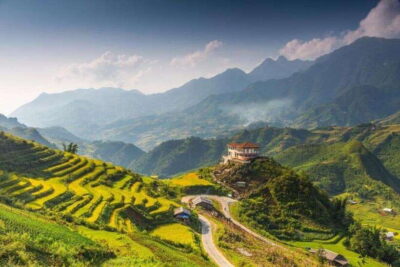 ★ 4.9Sapa: Eco Adventure Terrace Fields and Local Villages TrekTickets from $27636 traveller reviews
 ★ 5.03-Day Trekking Adventure of Sapa from Hanoi – Stay Ta Van VillageTickets from $109611 traveller reviews
More useful Hanoi routes