
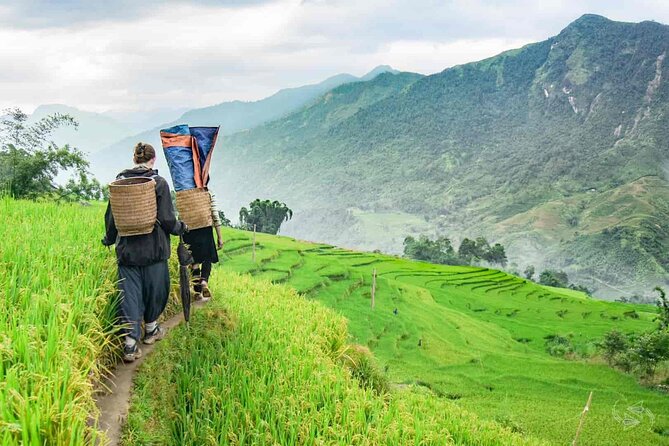
Review · SAPA TREKKING TOURS
Sapa 2 Day Trekking with 1 Night Homestay
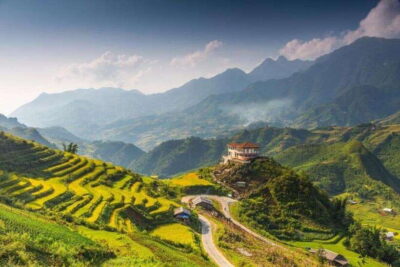
Sapa feels bigger when you leave town on foot, with a guided 2-day route plus a homestay night in the hills. You walk between villages, see rice-field scenery, then trade a hotel bed for a family-style stay. It is a simple plan with one big goal, get you out of Sapa Town and into daily life.
I love that homemade meals are built into the schedule, so you are not constantly hunting for food stops. I also love the way the trek is guided, with experts who can explain farming and village routines as you go, including guides like Chi, May, Ker, Chai, Lily, Khu, and Little Zo.
One thing to consider: this route can feel touristy in parts, with lots of hikers sharing similar tracks and locals sometimes walking alongside to sell small souvenirs.
Key points worth knowing
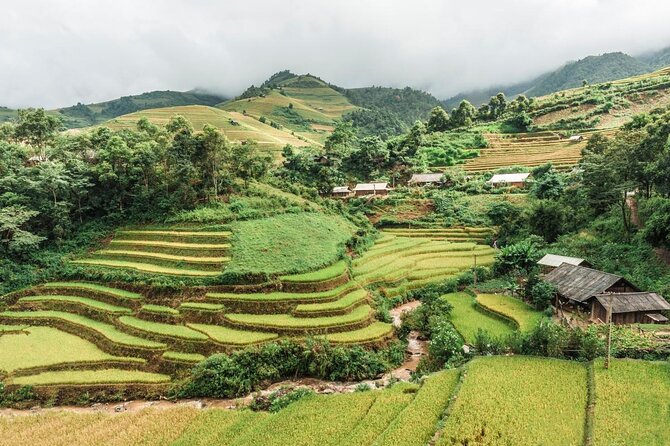
- Ta Van Village overnight: plan for a family-style night that actually puts you in the village rhythm.
- Food included for two full days: two lunches, one dinner, plus breakfast, which cuts down on decision fatigue.
- Valley entrance fee and transport included: you do not have to organize permits or scramble for rides after the walk.
- Guides who adapt: strong communication and route adjustments show up repeatedly, including handling last-minute issues smoothly.
- Tough walking, rain or shine: expect steep, uneven paths and pack for mud, not just views.
- Private tour setup: only your group participates, which usually means a calmer pace and fewer crowd stops.
Why this Sapa trek is about village life, not just scenery

If your idea of a good Sapa trip is more than viewpoints and photos, this 2-day format makes sense. You spend real time walking through small villages and valleys, then you sleep in a local homestay for one night. The schedule is built to keep you moving during the day, then settle you into village life at night.
What makes it interesting is how much of the trip is handled for you. Pickup and drop-off are included, entrance fees are covered, and meals are part of the package. That matters because in Sapa, the hard part is often the logistics, not the walking.
You should also know the trek is not a leisurely stroll. Even with a guided pace, the paths can be demanding, so you will want decent walking shoes and a realistic attitude toward steep sections.
You can also read our reviews of more evening experiences in Sapa

Your Day 1 plan: Y Linh Ho, Lao Chai lunch, then Ta Van
Day 1 starts late enough to avoid an extreme morning rush, with a 9:00 am start and a day that runs about 8 hours. The walk begins by heading from Sapa toward Y Linh Ho, then you connect to Lao Chai for lunch before reaching Ta Van for the homestay.
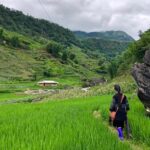
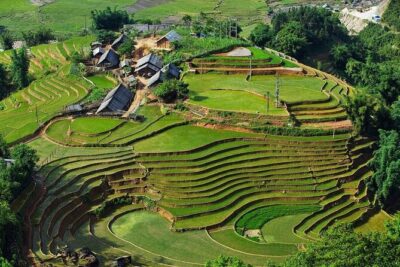
Y Linh Ho is a classic first step because it sets your expectations quickly. You are in the hills, you see rice areas and village paths, and you start noticing how life works on the ground, not just from the valley lookout.
Then comes Lao Chai for lunch. This is where the experience starts feeling less like a hike and more like a route through daily rhythms. You are not only eating, you are pausing inside village context, which is exactly what you want from a homestay trek.
By the time you reach Ta Van Village, the day naturally shifts from walking to slowing down. That overnight matters more than people think, because one night in a homestay changes the whole tone of Sapa. You get the chance to rest in a more lived-in setting than the town hotels.
One practical detail: at the end of a trek like this, it helps if you can store luggage and freshen up. People specifically praised the chance to store luggage and have a shower at the end, which is a huge morale booster when you finish the walk and still have transport to catch.
Day 2 from Ta Van to Giang Ta Chai and Su Pan
Day 2 moves from Ta Van to Giang Ta Chai and then onward to Su Pan, with lunch in the middle. The walking portion is about 4 hours, and you are back to Sapa in the afternoon. That timing is convenient because you are not stuck doing a half-day hike and then spending your entire evening figuring out what to do next.
Giang Ta Chai Village is the kind of stop where a good guide really changes what you notice. With the right explanations, you start seeing farming practices and village life as systems, not just backdrops. This is also where you may notice the details that tourists often miss, like how people move through fields and paths.
After lunch, Su Pan comes next. This is the stage where you tend to feel the cumulative effort from Day 1. The upside is that by now, you know the terrain and you are in the rhythm of the day, so the second half feels more like continuation than endurance.
Finally, you get transported back to Sapa Town. That is a value point people underestimate. After two days of walking, the best souvenir is a stress-free ride back, not another round of negotiating rides.
What you actually get with the included meals

This trip is built around food you can count on. You get two lunches, one dinner, and one breakfast over the two days. Drinks are not included, so you will want cash or a card for water or any extras you prefer.
The strongest praise here is not that the meals were good in general. It is that the food feels homemade and connected to the villages you are walking through. That is a different category than a generic lunch stop.
Homestay dinner is usually the emotional highlight of the whole schedule. One big reason is that it happens after you have been walking through the hills, so you sit down with the kind of hunger that makes everything taste better. Another reason is cultural context, you are eating with a family setting rather than a tourist restaurant.
Breakfast the next morning matters too. You need fuel, and having it included helps you start Day 2 without waiting around. This is the kind of small comfort that makes a trek feel smoother.
Homestay life in Ta Van: what to expect and what to ask
Sleeping in Ta Van Village is the centerpiece of the experience. The package includes the overnight stay in a homestay, so you are not choosing between “hotel comfort” and “village culture.” You get both days of walking and then a real overnight in the hills.
What should you expect? Less polished, more family-style. The good part is that you are treated as a person, not a check-in number. People also praised how friendly the experience felt, with guides who helped translate expectations and keep things comfortable.
There is one practical tip worth keeping in mind for homestays: bring a plan for what you will do with your luggage during the trek. People specifically liked having a chance to store luggage and shower at the end, so it is worth asking your guide how that works for your day.
Also, pack for comfort, not just weather. You will be tired at night, and simple items like a light layer and quick-dry socks can make the difference between a rough night and an easy recovery.
You can also read our reviews of more hiking tours in Sapa
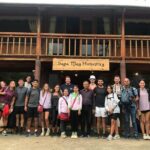

Guides like Chi, May, and Ker: the real difference maker
In Sapa, a guide is not just someone who leads you down a path. The best guides connect the terrain to meaning, and this trek consistently gets praised for exactly that.
Names that come up often include Chi, Khu, Ker, May, Chai, Lily, and Little Zo. What matters is not the name alone. It is what they do: explain farming and village routines, keep communication strong with the main office, and adjust the trek when needed.
That adaptability is especially important on multi-day walks. In one case, a medical issue required support from the office, and the guide was part of the solution. In another case, a family adjusted the itinerary when a child was sick. That tells you something useful, the operator is not always locked into a rigid schedule.
If you care about learning, this is where it pays. You are walking through villages where daily life is the main event. A strong guide helps you see that life, not just pass by it.
The toughest part: walking tracks, crowding, and souvenir pressure
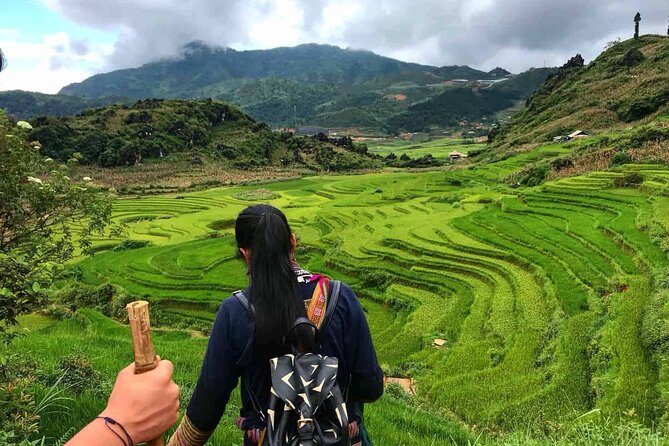
Let’s talk about the part that might not feel perfect in advance.
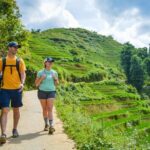
First, expect challenging sections. People described tough tracks and steep walking, plus the usual mix of hills and uneven ground you get around Sapa. If it rains, conditions can get slippery, so wear shoes with grip and pack a rain layer.
Second, yes, the route can feel busy. Some feedback described the experience as touristy, with many hikers following similar paths and locals sometimes walking alongside to sell souvenirs. That does not ruin the trek for everyone, but it is good to be aware that you may share trails with other groups.
Here is how you manage that. Do not treat the trek like a private nature documentary. Treat it like a village road trip on foot. When you slow down and let your guide direct your attention, the walking becomes less about avoiding people and more about noticing real life.
Price and logistics: what $119.88 actually covers

At $119.88 per person, this is not a bargain budget trek. But it also is not a bare-bones hike. The value comes from the stuff you do not have to arrange yourself.
Included items cover:
- Pickup and drop-off
- A guide
- Food for two days (two lunches, dinner, breakfast)
- Homestay overnight
- Entrance fee to the valley
- Transportation back to Sapa Town after your adventure
Drinks are not included, so budget a bit extra for that. Still, once meals, homestay, guide time, and transport are bundled, the price starts making sense for a two-day experience.
You also get the convenience of a mobile ticket and confirmation at booking. The tour runs as a private tour/activity, so only your group participates, not random strangers layered into the same schedule.
One more logistics note: the meeting point is in Sa Pa, Lao Cai, and the activity ends back at the meeting point. That keeps the end of your day simple.
Is this Sapa trek worth it for families and first-timers?
This can work for many types of travelers because it is structured and guided. People did it with children, including a family with a 6-year-old and two 13-year-olds, and they even adjusted timing when the younger child was sick. That suggests the pace and plan can sometimes be flexible.
That said, it is still a real trek. If you are new to hiking, go into it expecting uneven steps and some steep stretches. If you need totally flat walking, this probably will not satisfy you.
For families, the biggest win is the built-in support. You are not trying to translate a route while also dealing with kids, snacks, and timing. The food and guidance remove some stress.
For solo travelers, the guide and private group setup can also help. You get local context without spending your day negotiating. You can focus on the walk and the homestay night.
Who should book, and who should think twice
Book this if you want:
- Village time plus a homestay overnight
- A guided route with explanations, not just navigation
- Meals handled for you across two days
- Pickup/drop-off so you can focus on the trek
Think twice if:
- You get bothered easily by crowds on shared trails
- You dislike trekking with uneven ground and possible rain conditions
- You want a fully independent trip where you control every stop detail
If you care most about high-end comfort, a homestay night is a trade-off. If you care about genuine village contact, it is exactly the point.
Should you book this Sapa 2-day trekking with 1-night homestay?
My take: this is a smart choice if you want the heart of Sapa, not just its town edge. The strongest reasons to book are the homemade meals included, the homestay overnight, and the kind of guide support that people describe as friendly, informative, and adaptive.
If you can handle tough tracks and you are okay sharing some paths with other hikers, you will likely find this trip satisfying. If the idea of a touristy feel on busy sections would bug you, you may want to look for a quieter route style.
FAQ
What time does the trek start?
The activity starts at 9:00 am.
Where does the experience start and end?
It starts in Sa Pa, Lao Cai, Vietnam, and ends back at the meeting point.
Is pickup available?
Pickup is offered. There is also a stop that includes picking up customers in Hanoi Old Quarter for 30 minutes.
What meals are included?
You get two lunches, one dinner, and one breakfast.
Are drinks included?
No. Drinks are not included.
Is the tour private?
Yes. It is a private tour/activity, so only your group will participate.
Is the experience refundable if I cancel?
No. This experience is non-refundable and cannot be changed for any reason.
More Hiking & Trekking Tours in Sapa
More Evening Experiences in Sapa


More Tour Reviews in Sapa
Not for you? Here's more nearby things to do in Sapa we have reviewed





More Sapa Trekking Tours to consider.
 ★ 5.0Sapa 2 Days 1 Night From Hanoi – Overnight in Ta Van VillageTickets from $592,669 traveller reviews
 ★ 5.0Hanoi – Sapa 2 Days 1 Night Overnight At HomestayTickets from $89899 traveller reviews
 ★ 4.6Sa Pa: Muong Hoa Valley Trek and Local Ethnic VillagesTickets from $23864 traveller reviews
 ★ 5.0Sapa: Fansipan Cable, Cat Cat Village & Moana Instagram TourTickets from $30777 traveller reviews
 ★ 4.8From Hanoi: 2-Day Sapa Trekking Trip with Homestay & MealsTickets from $71704 traveller reviews
 ★ 5.0Sapa 3 Days 2 Nights Trekking Tour (1 Night In Ta Van Village, 1 Night In Hotel)Tickets from $139699 traveller reviews
 ★ 4.9Sapa: Eco Adventure Terrace Fields and Local Villages TrekTickets from $27636 traveller reviews
 ★ 5.03-Day Trekking Adventure of Sapa from Hanoi – Stay Ta Van VillageTickets from $109611 traveller reviews
More useful Hanoi routes