

Review · HANOI CITY TOURS
From Hanoi: Trek and Stay: 3-Day Sapa Highlands Adventure
Sapa hits hard in three days. You get a guided walk through Cat Cat and Sin Chai, then slow things down with village time in Ta Van, guided by English speakers like Pang who can explain what you’re seeing.
My two favorite parts were the village walking itself, plus the way the trip keeps you fed and moving without making you manage details.
The one big consideration: the overnight stays lean basic, especially the Ta Van setup, so if you want hotel comfort, plan for dorm-style rather than plush.
Key highlights you should care about
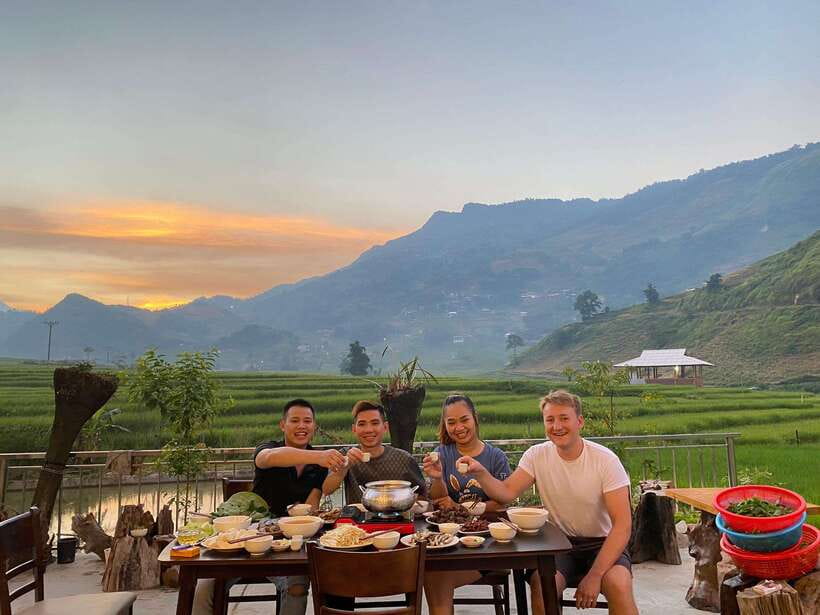
- English-speaking local guide in Sapa, with guides like Pang, Khu Ly, Sao, and Phin showing up in many top-rated experiences
- Two nights, two different settings: a shared 3-star hotel in Sapa town and a homestay dorm room in Ta Van
- Real trekking distances for a first Sapa trek, including 6 km plus 3 km on Day 2 and 8 km on Day 3
- Village variety across groups like the Red Dao, plus the quick jump from market life to rice-field paths
- Cat Cat + Sin Chai on Day 1, with a waterfall stop and the Hydraulic Power Station for a break from pure walking
From Hanoi to Sapa: that sleeper bus reality check

This tour starts with a pick-up from Hanoi Old Quarter hotels, with departure around 06:00 to 06:30. Then you ride the modern sleeper bus route toward Sapa, with a break in Lao Cai City around late morning. By early afternoon, you’re in Sapa town, ready to stretch your legs and start village time.
What I like is that the long transfer isn’t left to your own planning. You’re also not arriving at Sapa starving. The rhythm is built in: drive, stop, arrive, eat.
The practical heads-up: a sleeper bus can be a mixed experience. Some people find it snug or crowded, even if it’s marketed as comfortable. If you’re sensitive to tight seating or you get restless, pack an eye mask and something warm, and plan to treat the bus as part of the adventure, not part of the vacation highlight.
You can also read our reviews of more hiking tours in Hanoi


Cat Cat Village and Sin Chai: Day 1’s easy entry to Sapa culture
Day 1 is where Sapa turns from a destination into a place with faces. You arrive around 13:00 to 13:30, then you’ll lunch in Sapa town before heading out on foot toward Cat Cat Village.
Cat Cat usually works in two modes: you see the village life up close on the walk, but it can also feel tour-heavy near the main viewpoints and shops. One smart approach is to treat Cat Cat like a starting point, not the final word. Focus on the trail, the waterfall stop, and the Hydraulic Power Station you’ll visit along the way. That mix gives you more than the standard photo circuit.
After Cat Cat, you move on to Sin Chai Village. This is where the trip shifts slightly away from the busiest spot and toward daily village routine. You’ll have time to explore, then return to Sapa town for dinner and free evening time.
Two small things matter here:
- You’re tired from travel, so Day 1 walk time should be seen as a warm-up.
- Wear shoes you can rely on. Even in short stretches, Sapa paths can be muddy.
Day 2 trekking from Y Linh Ho to Lao Chai, then settling into Ta Van

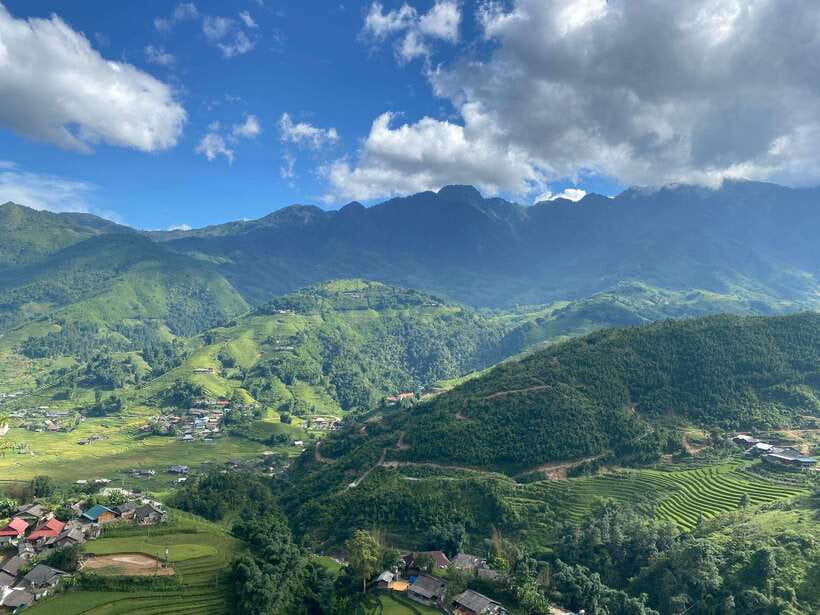
Day 2 starts with breakfast and then a proper trek. The walk is broken into sections: about 6 km to Y Linh Ho, then about 3 km onward to Lao Chai. It’s a classic Sapa format, rice-field views, forest edges, and village moments along the way.
The best part is not just the distance. It’s how the route gives you different “glances” at ethnic community life. You’ll move from one village environment to another, and your guide can connect what you’re seeing to how people live there. Many of the top experiences credited guides by name, like Khu Ly, Pang, and Sao, and that matters because names and context make the visuals stick in your mind.
After the morning trek, you’ll reach Ta Van, check in, and lunch there around midday. Then the afternoon is lighter, with village visiting time instead of constant walking.
Later, you return to the homestay for dinner and the second overnight. This is the day where I think most people feel the win. You get enough hiking to call it a trek, but you don’t get so far behind that you can’t enjoy the homestay night.
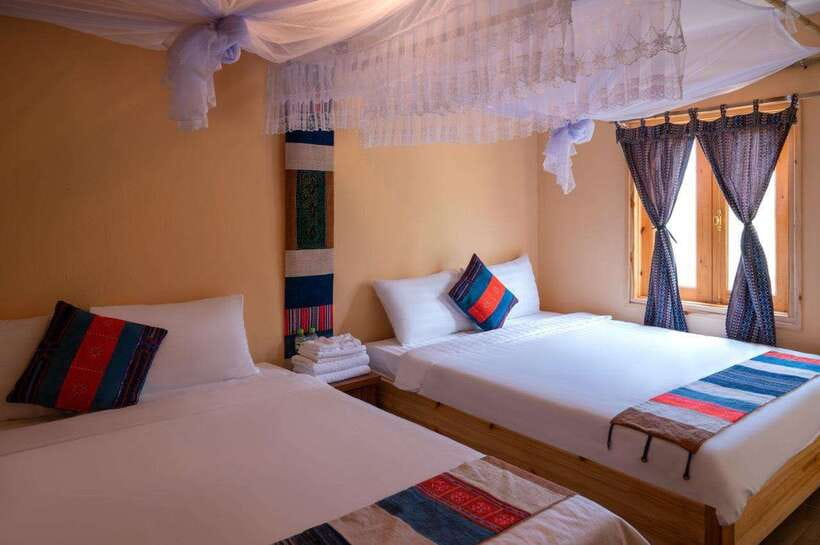
Ta Van homestay: what dorm-style comfort really means
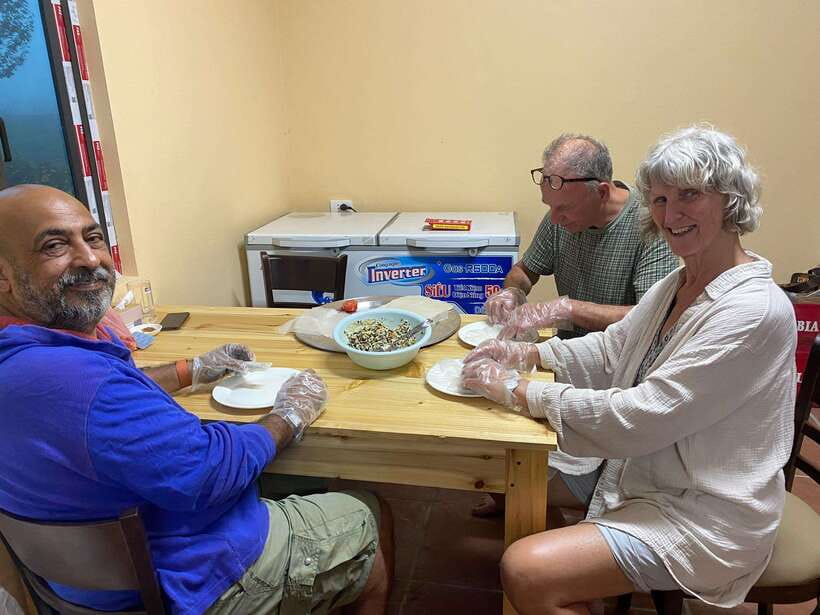
Your overnight in Ta Van is at a homestay with a dorm-room setup. It’s not a private, key-and-lock hotel situation. You should treat it like community lodging, not a spa.
In practice, what you can hope for is clean enough basics and genuinely welcoming hosts. The better experiences described homestays as rustic but friendly, with decent meals and a setting that feels “off the road.” Some people even loved the atmosphere so much that they described the homestay stay as a standout.
But here’s the balance you need:
- Heating can be limited. If you’re traveling in colder months, pack warm layers.
- Food can repeat. One person noted similar meals throughout the trip, which is common on multi-day homestays where the kitchen runs on routine.
- You’ll likely be sharing space, and the schedule includes trekking, so you might not want to expect quiet, long “hang time.”
If you want to get the most out of the homestay, do two things. First, ask your guide what you’re seeing while you walk, then ask follow-up questions at dinner. Second, bring a small headlamp or flashlight if you’re the type who hates fumbling in the dark. Small preparedness makes dorm-style stays feel normal fast.
Day 3: Red Dao villages with an 8 km trek and big payoff views

Day 3 is the longest walk segment. After breakfast, you’ll head out around 08:00 to 08:30 to visit Giang Ta Chai Village and Supan Village. Then you do about an 8 km trek, described as going to Giang Ta Chai, connected with the Red Dao people.
This is where your Sapa story gets more specific. It’s not only scenery anymore. It becomes a chance to see how different communities occupy the mountain slopes, how their routes connect villages, and how a trek route can be both transportation and social space.
By around 12:00, you’ll have lunch and return to the homestay to rest. Then you’ll switch from walking mode to transport mode, with car pick-up to Sapa around 14:00, a bus back to Hanoi by 15:00 to 15:30, and arrival back around 21:00.
That schedule is why this trip works well for people with limited time. You’re not stuck in Sapa for days. You walk hard enough to feel you did something, then you get back home on the third day without extending your vacation.
More Hanoi tours and experiences for the shortlist




Guide energy: from Pang to Sao, this is where the trip clicks
The walking part is only half the experience. The other half is interpretation.
This tour runs with an English-speaking guide in Sapa. And the most consistently praised element in the experiences you provided was how clearly guides explain daily life, ethnic community differences, and what you’re seeing on the trail.
You’ll hear guide names come up again and again: Pang, Khu Ly, Sao, Phin, Cha, and Zinh are examples. People praised not just their language skills, but their ability to connect stories to places, like taking a higher “hard route” through rice fields and forests rather than sticking to the easiest path.
A practical tip for you: don’t treat questions as interruptions. Ask on the trail. You’ll learn faster because the topic matches what you’re literally standing in front of.
Also, if your guide offers options for route difficulty, be honest about your stamina. One reason this trek gets “really good” feedback is that the walks can scale with group pacing, and guides often try to match what fits.
Price and value at about $98: where your money actually goes
At $98 per person for a 3-day, round-trip Sapa trek, the value mostly comes from what’s bundled in.
You get:
- A sleeping bus ticket Hanoi to Sapa and back
- Hotel night in Sapa town (shared, 2 people per room)
- Homestay night in Ta Van (dorm room)
- Meals included: 3 lunches, 2 dinners, 2 breakfasts
- English-speaking guide in Sapa
- Entrance tickets tied to the stops
That’s a lot of “usually annoying” trip management handled for you. If you had to build this yourself, you’d spend time lining up transport, lodging, and guide services. Here, the trip runs like a single package.
The price can change in two cases:
- A public holiday surcharge of 40 percent, especially around Tet and the April 29 to May 1 period.
- A single supplement of 400,000 VND for solo travelers, with the possibility of being matched with another solo traveler to share a room and avoid that supplement.
So the real question for you is comfort expectation. If you accept basic lodging and group pacing, this is a strong value. If you want private room comfort and flexible slow mornings, you’ll probably feel the limits quickly.
Who this Sapa trek suits, and who should pass
This tour is a good fit if you:
- Want a first Sapa trek without building logistics from scratch
- Are comfortable with two trekking days and an 8 km segment on Day 3
- Like cultural stops, like villages including Cat Cat, Sin Chai, and Red Dao community areas
- Enjoy learning through conversation with a guide, not just collecting photos
You might want to choose another option if you:
- Hate group travel. The flow includes scheduled segments and set timings.
- Need quiet hotel comfort in both nights. The homestay is dorm-style, and the first-night hotel is described as basic by some experiences.
- Are very sensitive to cold, since mountain weather can bite and heating may be limited.
Decision time: should you book this 3-day Hanoi to Sapa trek?
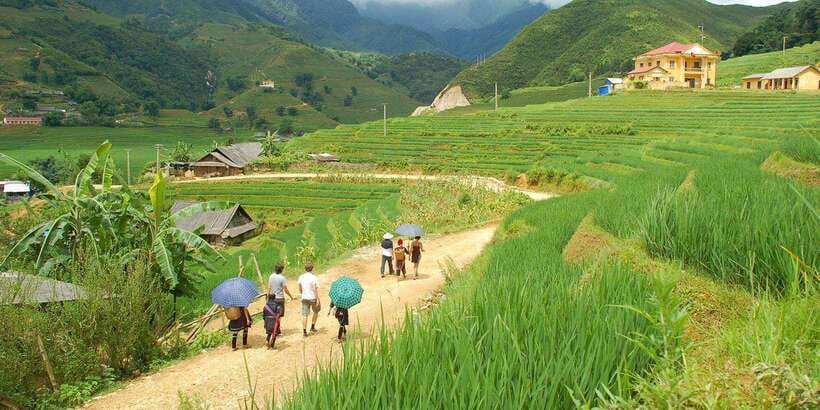
I’d book it if your goal is simple: walk Sapa’s paths, meet people along the way, and go home with a clear sense of village life. With strong guides like Pang, Sao, Phin, and Khu Ly, the interpretation part tends to be the difference between a good trek and a memorable one.
I wouldn’t book it if you’re chasing luxury or you want an effortless, low-effort experience. The lodging is part of the deal, and the walking is non-negotiable.
My checklist for you is short:
1) Pack warm layers and waterproof shoes.
2) Come ready to share space on the homestay night.
3) Ask your guide questions early, especially about the routes and communities.
If you can do those three things, this is a smart way to get real Sapa in just 3 days.
FAQ
How long is the Hanoi to Sapa trek and stay?
It runs for 3 days.
What times are the pickup and departure from Hanoi?
Pickup from Hanoi Old Quarter hotels is around 06:00 to 06:30.
Is pickup included if my hotel is not in Hanoi Old Quarter?
Pickup is included for hotels in Hanoi Old Quarter. If your hotel is not there, you’ll need to go to the office at 54 Hang Tre, Hoan Kiem, Hanoi.
What does the tour include for meals?
Meals included are 3 lunches, 2 dinners, and 2 breakfasts.
Where do I sleep during the trip?
You’ll sleep one night in a 3-star hotel in Sapa town (shared, 2 people per room) and one night in a homestay in Ta Van village (dorm room).
Is there an English-speaking guide?
Yes. There is an English-speaking tour guide during the trip in Sapa.
Are there extra charges for holidays or solo travelers?
Yes. There’s a 40 percent public holiday surcharge, especially around Tet (29th April to 1st May). Solo travelers also have a 400,000 VND single supplement unless the operator can arrange sharing with another solo traveler.
More 3-Day Experiences in Hanoi

More Hiking & Trekking Tours in Hanoi


More Tour Reviews in Hanoi






Not for you? Here's more nearby things to do in Hanoi we have reviewed












More Hanoi City Tours to consider.
 ★ 5.0Hanoi Jeep Tour: Food, Culture and Fun by Vietnam Army JeepTickets from $5515,222 traveller reviews
 ★ 5.0Full-Day Ninh Binh Highlights Tour from HanoiTickets from $797,761 traveller reviews
 ★ 4.7Ha Long Bay Day Cruise – Swimming, Meal, KayakingTickets from $417,415 traveller reviews
 ★ 4.6Water Puppet Show TicketsTickets from $77,029 traveller reviews
 ★ 5.0Hanoi Motorbike Tour: Food, Culture and Fun by Vintage MotorbikeTickets from $556,699 traveller reviews
 ★ 4.9Guided Food Tour with Train Street VisitTickets from $196,239 traveller reviews
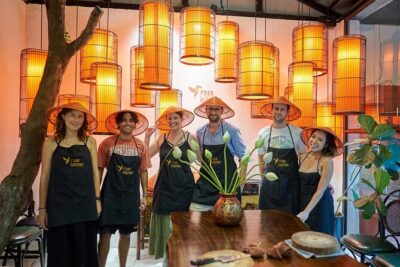 ★ 5.0Hanoi Cooking Class: Culture, Local Market & Meaning CSR ImpactTickets from $395,147 traveller reviews
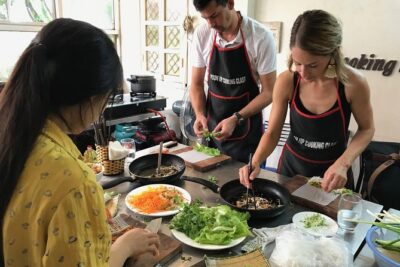 ★ 5.05 Traditional Dishes Hanoi Cooking Class with Market TripTickets from $354,890 traveller reviews
More useful Hanoi routes