
Review · SAPA TREKKING TOURS
Trekking Sapa – Bac Ha Market: Sleep on Train & Homestay
Sunday in Bac Ha beats the city noise. This 3-day trip blends Ta Van homestay nights with Bac Ha Market on Sunday morning, guided trekking through Hmong and Zao villages, and views that feel like they belong on a postcard. The one catch is the schedule is active, with early starts and moderate walking, so bring solid shoes and plan on getting a bit dusty.
What I like most is the way the route builds from Sapa’s valley villages to Bac Ha without making you backtrack to Hanoi. You also get transfer choices, including an overnight train from Hanoi to Sapa (or sleeper bus options), so you can pick the pace that matches your energy. The operator also keeps group size small (up to 15), which helps the day feel less rushed and more human.
What This Trip Is Really Like: Sapa Villages to Bac Ha, In 3 Days
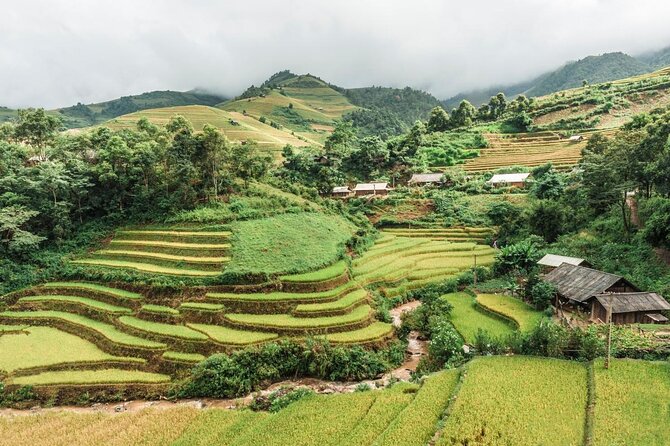
This is a trek-and-market combo that focuses on real mountain routines. You spend time in the Sapa area first, including short guided walks through Cat Cat, Lao Chai, and Ta Van, then you jump to Bac Ha for the Sunday market vibe and a look at Hmong royal life at Hoang A Tuong’s Castle.
The tour does two smart things for your comfort. First, it handles the big transportation moves for you, including Hanoi to Sapa and back (depending on your chosen option). Second, it centralizes your overnight stay at Ta Van, a homestay area that many international visitors don’t reach as easily on short tours.
If you’re the type who likes photos but also wants the “how do people live here” piece, this fits. If you prefer everything to be flat, short, and fully timed around meals, you may find the walking days a little demanding.
Price and Logistics: Getting More Than a Bus Tour for $56

At $56 per person for about 3 days, this option is priced like a budget-friendly adventure, not a fancy private guide day. The value comes from what’s bundled:
- Transport including Hanoi to Sapa (train or sleeper bus depending on option) and return
- An English-speaking local guide in the Sapa portion
- Homestay in Ta Van for one night
- Entrance fees included for key stops (Ta Van, and Hoang A Tuong’s palace)
- Meals included: breakfast (3), lunch (3), and dinner (at least once during the trip)
- A private car and guide for Bac Ha
The logistics are also designed to reduce your stress. You start at a clearly listed Hanoi meeting point, you end back there, and the schedule moves you day by day without long, unexplained waiting.
One thing to consider: your experience depends on which transfer option you choose. The overnight train route has specific early-morning movements, while the sleeper bus option may feel different on your body the next day. Either way, you’re trading some comfort and sleep for getting out into the valleys and markets.
You can also read our reviews of more shopping tours in Hanoi



Hanoi Train to Sapa: Early Morning, Big Payoff
Your day begins with Hanoi station. You meet at Ga Hà Nội, 120 Lê Duẩn, Cua Nam, Đống Đa, Hanoi, then catch a train around 21:30 from Hanoi to Sapa (SP1, SP2, or SP3 depending on schedule). The aim is simple: you lose less daylight to transportation.
Then, at 5:00, you’re picked up at Lao Cai Train Station and driven about 40 km to Sapa. You reach Sapa early enough to start the day with breakfast and a short, guided village walk.
This timing is why the trip feels efficient. You get a full day in Sapa without spending your whole first day stuck in transit. The tradeoff is obvious: you’ll be awake early, and you should pack for real walking, not “city shoes and hope.”
If you choose the alternative transfer options, you’ll likely still be moving at night, but the details change. Either way, keep your phone charged and keep your day bag light.
Sapa Village Trek Day: Cat Cat to Lao Chai to Ta Van
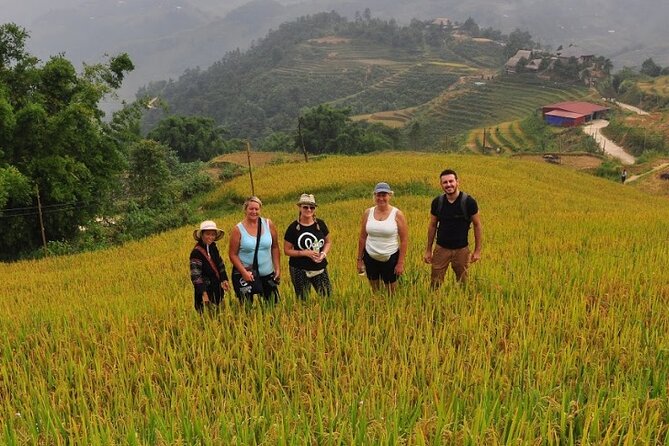
After breakfast in Sapa, you travel with a local Hmong guide for a short trek to Cat Cat Village. This is a great first stop because it’s close enough to feel manageable, but the setting already makes you slow down.
At Cat Cat, you’ll see classic elements of the area: a waterfall, the Muong Hoa stream, and terraced fields stretching across the valley. You can also check out a hydroelectric power plan tied to French-era history, plus local schools and everyday life.
Lao Chai: Village Life in the Muong Hoa Valley
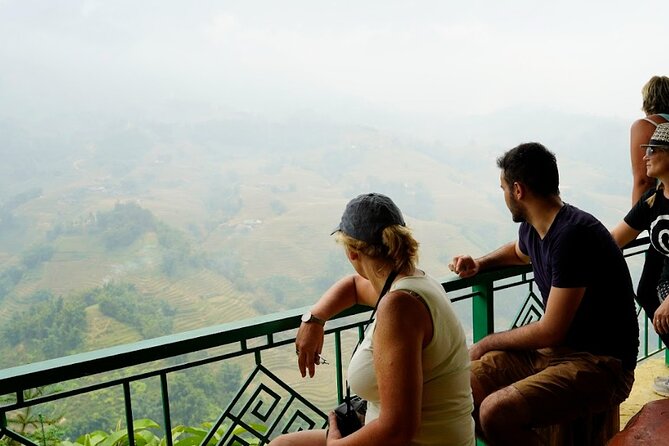
Next comes Lao Chai Trail, a roughly 3-hour trek through a village home of black Hmong people. The setting is built around the Muong Hoa valley and stream, with views framed by the foot of Fansipan.
This is where the walk starts to feel like travel, not just sightseeing. You’ll move between village paths, look out over terraces, and watch how communities relate to the land. If you’re someone who likes understanding patterns, Lao Chai is a strong stop because it’s tied to the valley’s water and the rhythm of farming.
Ta Van Village and Overnight Homestay
Then you reach Ta Van Village, home of the Zday people, and you spend the night at a homestay. The village is described as sitting beside the Muong Hoa stream with “amazing” views, and that’s the core reason Ta Van is a highlight.
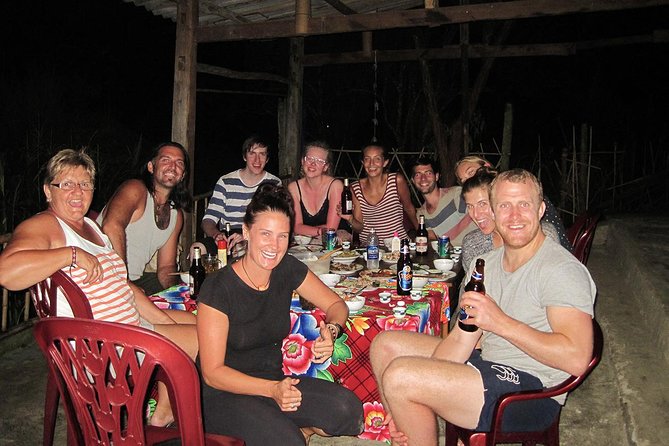
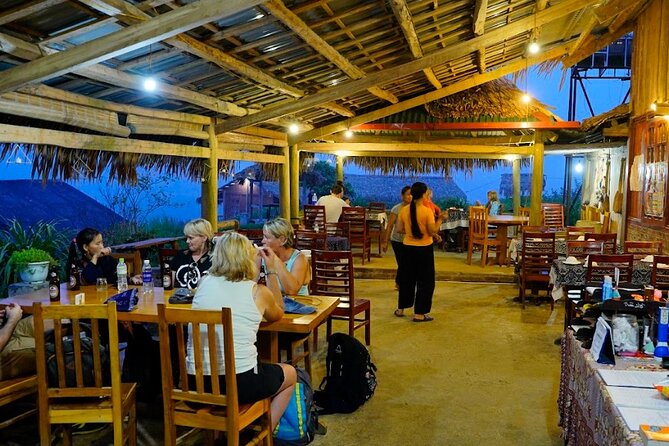
Here’s what matters for your comfort: you stay overnight in Ta Van with shared room or a single mattress, and there’s a public bathroom. It’s the kind of stay where you should expect simple setup and focus on people, views, and conversation rather than luxury.
This is also the segment that often lands well with international visitors because you can meet the local guide and get a deeper sense of ethnic-group culture through conversation and guidance. A previous guest specifically praised their guide, Suà, for explaining culture and the places they visited. That kind of context turns a walk into something you actually remember.
More Hanoi tours and experiences for the shortlist






Day 2: Giang Ta Chai and a Longer Homestay Day
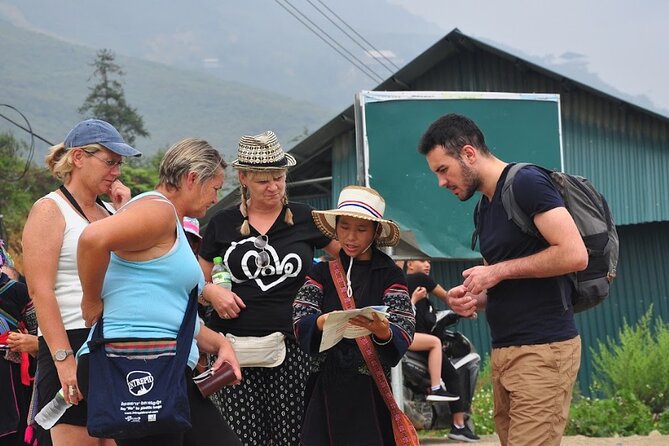
Day 2 starts with Giang Ta Chai Village, home to Red Zdao, Zday, and black Hmong people living together. The walk here is about 2 hours, and you get more valley views, including bamboo forest and rice terraced areas.
This day feels like the “soak it in” portion. The goal isn’t to speed through everything. It’s to give you time to watch daily rhythms and experience the terrain from multiple angles.
You then return to Ta Van for a long window at the homestay. The schedule leaves about 10 hours listed for this Ta Van time, so you’re not constantly in transit. That matters. After a night in a homestay and a trek in the morning, you want breathing room to talk, rest, and enjoy the scenery without rushing.
Bac Ha on Sunday Morning: Market Energy Without the Crowds of Hanoi
On Day 3, you get Bac Ha Market, and the timing is key. This market only happens on Sunday morning. It’s designed around traditional ways of exchanging goods, with locals trading items like pig, souvenirs, and hens for other products.
If you want the “how people actually trade and socialize” part, Bac Ha is one of the best places in the region to catch it. It’s not a stage set. It’s a working market moment, and the mix of locals and everyday items makes it feel real.
Hoang A Tuong’s Castle: Hmong Royal Past, Short Stop, Clear Context
After the market, you visit Hoang A Tuong’s Castle, where the king of the Hmong people lived historically. The tour notes this as one of the most luxurious places for the king and family to live and rule.
It’s only about a 30-minute stop, so don’t expect a long museum marathon. Instead, think of it like a quick anchor point. It helps you understand social structure and power in the past, which makes the rest of the market and village visits easier to interpret.
Pho Village: A Peaceful Walk Near the Market
You’ll also have time for Bac Ha and Pho Village, with a short walk described as a peaceful road to see daily life of ethnic people there. This part is free time (about 30 minutes listed), so you can slow down.
That short walk is a nice contrast to the market. You go from trade and movement to quieter everyday routines, which makes the market experience feel less like a checklist.
The Hidden Value: Choice of Transfers and the Shared Homestay Focus

Two differences make this trip easier to recommend than a typical “bus, trek, back on the bus” day.
First, you can pick transfer options, including an overnight train option from Hanoi to Sapa, or sleeper bus style options. That matters because sleep and timing shape your mood. If you’re the type who hates early bus departures, the night train can feel like a win.
Second, the plan intentionally centers your overnight on Ta Van homestay. That focus helps you avoid the feeling of just passing through every village for a quick photo. You get one night where you can actually experience the pace, even if it’s simple.
Also, this trip highlights a trek on a mud road described by the operator as one of the most beautiful in the world. I can’t promise beauty like a poet, but I can tell you the real value of that kind of route is the perspective. Mud roads mean you’re walking with the land, not on polished shortcuts.
What to Pack and How to Prepare (So You Enjoy It More)

The trip asks for a moderate physical fitness level. That doesn’t mean you need to train for a mountain race, but you should plan on uneven ground and real walking.
Based on practical advice from a past guest, I strongly suggest:
- Bring sport shoes or shoes with grip you trust
- Carry water, especially on trek days
- Keep your day bag light, since you’ll do multiple transfers
A small note that helps: because you’re dealing with early pickup times, pack your essentials so you can grab them quickly in the morning. Avoid waiting until you’re already on the move.
Who This Tour Fits Best
This is a good fit if you want:
- A Sapa experience that includes a homestay and multiple village walks
- A real Sunday market moment at Bac Ha
- Guided cultural context from an English-speaking local guide
- A small group size (up to 15 travelers)
It’s also a smart choice if you’re trying to connect to further plans in northern Vietnam. The tour even notes that you can travel to Ha Giang by bus directly from Sapa without returning to Hanoi.
Optional Add-On: Rolling Into Ha Giang After Sapa
If you want to keep moving, there’s an extra option: start Ha Giang directly from Sapa. The info lists two bus departures from Sapa, 14:30 and 19:00, including a limousine bus (18 seats) that picks you up at May hotel with an approximate travel time of about 6 hours.
This is useful if you’re building a longer northern loop and don’t want to backtrack.
Should You Book This Sapa to Bac Ha Trek?
I’d book it if you like a mix of walking and human-scale cultural stops, and you’re excited to spend a night in Ta Van rather than bouncing from place to place all day. The $56 price point works because it includes meals, key entrance fees, guides, and the big travel segments, and it saves you time with the Sunday market timing.
I’d think twice if you hate early mornings or you want a very relaxed itinerary with minimal walking. This one is active, and the homestay setup is simple, with shared sleeping options and a public bathroom.
If you’re ready for real mountain travel, this is a strong value way to see Sapa’s villages and then catch Bac Ha Market at its best time: Sunday morning.
FAQ
How long is the Sapa to Bac Ha market trek?
The tour runs for about 3 days.
Where does the tour start in Hanoi?
The start point is Ga Hà Nội, 120 Lê Duẩn, Cua Nam, Đống Đa, Hanoi.
How much does the tour cost?
The price is listed as $56.00 per person.
What transfer options are available for Hanoi to Sapa?
The tour offers different options depending on your choice, including an overnight train from Hanoi to Sapa or sleeper bus options.
If I choose the overnight train option, when does the train leave and when do I arrive?
The train departs from Hanoi at about 21:30, and at 5:00 you are picked up at Lao Cai Train Station to travel to Sapa (about 40 km).
Where do I sleep overnight during the tour?
You sleep overnight at a homestay in Ta Van Village.
Which villages and areas are included for trekking and visits in the Sapa area?
The Sapa portion includes Cat Cat village, Lao Chai trail, Ta Van village, and Giang Ta Chai village.
Is Bac Ha Market included, and what day does it run?
Yes, Bac Ha Market is included. The market takes place on Sunday morning.
What is included in the price?
Included items list dinner, transfers (Hanoi-Sapa-Hanoi depending on option), a local English-speaking guide in Sapa, homestay in Ta Van, private car and guide for Bac Ha, entrance fees in Ta Van and Hoang A Tuong’s palace, meals (breakfast and lunch), and government tax.
What is not included?
Not included items list drinks, travel insurance, tips and personal expenses, and any holiday surcharge (listed as 700,000 VND per person for certain holidays).
More Markets in Hanoi
More Shopping Tours in Hanoi
More Tour Reviews in Hanoi






Not for you? Here's more nearby things to do in Hanoi we have reviewed











More Sapa Trekking Tours to consider.
 ★ 5.0Sapa 2 Days 1 Night From Hanoi – Overnight in Ta Van VillageTickets from $592,669 traveller reviews
 ★ 5.0Hanoi – Sapa 2 Days 1 Night Overnight At HomestayTickets from $89899 traveller reviews
 ★ 4.6Sa Pa: Muong Hoa Valley Trek and Local Ethnic VillagesTickets from $23864 traveller reviews
 ★ 5.0Sapa: Fansipan Cable, Cat Cat Village & Moana Instagram TourTickets from $30777 traveller reviews
 ★ 4.8From Hanoi: 2-Day Sapa Trekking Trip with Homestay & MealsTickets from $71704 traveller reviews
 ★ 5.0Sapa 3 Days 2 Nights Trekking Tour (1 Night In Ta Van Village, 1 Night In Hotel)Tickets from $139699 traveller reviews
 ★ 4.9Sapa: Eco Adventure Terrace Fields and Local Villages TrekTickets from $27636 traveller reviews
 ★ 5.03-Day Trekking Adventure of Sapa from Hanoi – Stay Ta Van VillageTickets from $109611 traveller reviews
More useful Hanoi routes