
Review · HANOI CITY TOURS
Hanoi On the Tracks Photo Tour
Hanoi at 5:30 am is a different world. This photo tour takes you along the working railway corridor between Hanoi and Long Bien, where trains roll past homes, markets wake up, and locals do daily life with zero performance for cameras. You’ll learn how to frame real moments, not tourist copies.
What I like most is the focus on learning hands-on from a professional photographer guide, whether you shoot with a DSLR or a phone. I also love that you get round-trip hotel transfers built in, so you’re not spending your morning figuring out logistics instead of photographing.
One consideration: it runs early and depends on weather, so if you hate mornings or you’re traveling on a rainy day, you’ll need to be flexible.
Key things you’ll care about before you go
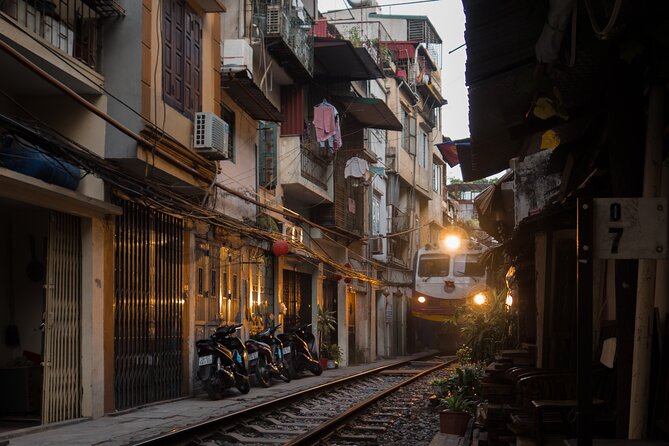
- Railway corridor photos (Hanoi to Long Bien): Train movement, trackside life, and that lived-in look most tours miss.
- A pro guide for street photojournalism: You’ll practice more than just clicking, with practical direction from start to finish.
- Small-group feel with private-group setup: You get personalized attention, and it’s only your group participating.
- Hotel pickup and drop-off included: Less hassle for a 4-hour early start.
- Markets and cafes, plus direct local interaction: You’ll practice finding stories, not just locations.
- Weather matters: The experience requires good weather, and the plan adjusts if conditions are poor.
Why Hanoi’s tracks are the photo subject everyone else skips
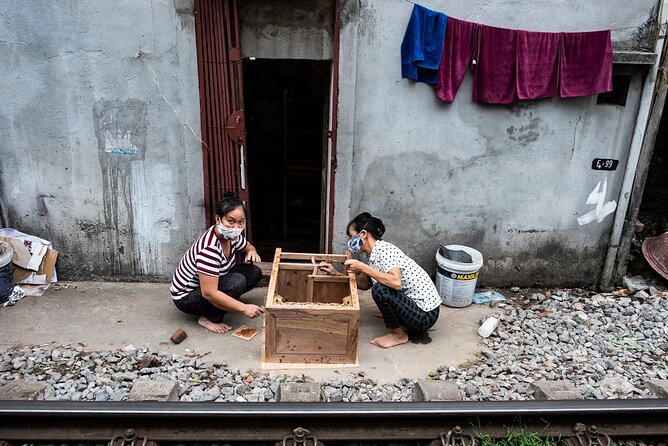
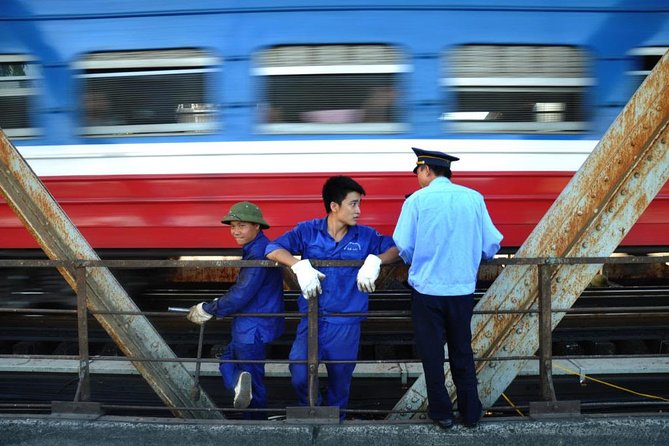
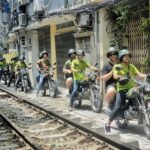
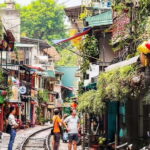
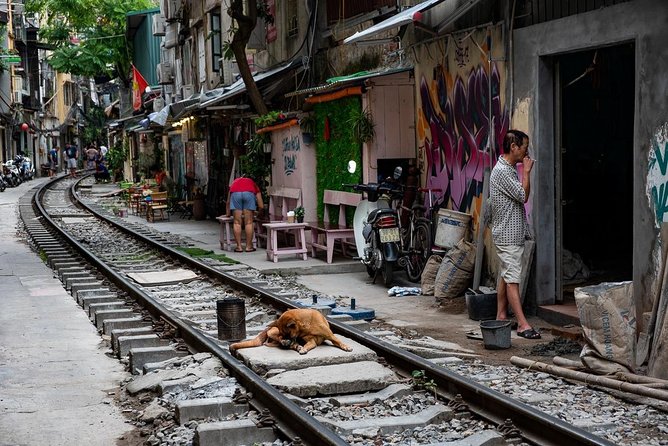
The best part of this tour is that it doesn’t aim for the most photographed spots in Hanoi. Instead, you go where the city is actually doing its work, along the stretch of railway between Hanoi and Long Bien stations. The train line cuts through neighborhoods, so you get that rare mix of motion, everyday routines, and buildings that feel close enough to touch.
Early morning is also a big deal here. When you start at 5:30 am, you catch the moment when people are already moving, vendors are setting up, and the air has that quiet-but-busy rhythm. For photography, that timing means faces and habits are easier to notice, and the light often helps you keep shutter speeds practical for trains.
If you want photos that feel like a real street story, this corridor is a strong canvas. You’re not just photographing objects, you’re photographing relationships, like how people position themselves near the tracks and how life continues alongside the railway.
You can also read our reviews of more photography tours in Hanoi
5:30 am logistics, without the usual Hanoi scramble
This tour is about 4 hours (approx.), with start time at 5:30 am from Hanoi Railway Station. The operator includes hotel pickup and drop-off, which matters because early starts can turn into wasted time when you’re trying to find the right ride, negotiate traffic, and then still get to your photo spot before the best moments pass.
You’ll also get a mobile ticket, which simplifies check-in. And it’s set up as a private tour/activity, meaning only your group participates, not a larger shared crowd. That combination, early start plus private attention plus pickup, makes it easier to focus on the photos.
You should also plan for this to be active. Even if you’re not walking for miles, you’ll likely move between spots near markets and trackside viewpoints, and you’ll be standing for periods while the train comes through. Comfortable shoes and a camera you can operate quickly are worth more than extra gear.
The route in real life: from Hanoi Railway Station to trackside storytelling
You start at Hanoi Railway Station, where you get the local atmosphere of life around the tracks. This is not about souvenir shopping or café-hopping. You’re there for the rhythm: trains moving, people starting their day, and the everyday scenery that doesn’t need filters.
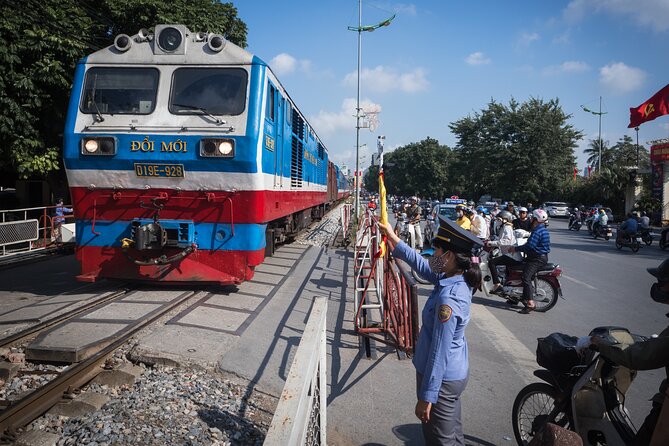
From that station area, the tour focuses on the railway stretch between Hanoi and Long Bien. Your guide helps you find photography spots where you can anticipate the train’s path, position yourself without blocking others, and compose with the neighborhood in frame. The goal is that classic look of trains passing between buildings, but shot in a way that feels like a story, not just a photo of a train.
A key part of the experience is the social side. You’ll spend time around morning scenes such as markets, plus lakes and parks where locals are out and about. You’re also guided through conversations and direct interaction with locals, then folded into the photo practice. That’s what turns the tour from location scouting into street photojournalism practice.
If you’re wondering what to shoot, think in layers:
- Train motion and the way it cuts through everyday space
- People near the track, working and commuting
- Market setup moments, hands at work, quick expressions
- Context shots that show where you are without overexplaining
The only drawback built into this route is timing. When the train comes through matters, so you can’t treat it like a casual walk where you stop whenever you feel like it. The tour works best if you’re ready to follow your guide’s timing and adapt as the morning changes.
Photo tips you can actually use on your next city walk
This isn’t just a sit-and-stare photography lesson. You’ll learn skills from a professional photographer guide, then practice those skills while you move through real life scenes. The emphasis on street photojournalism shows up in two ways: composition and interaction.
First, your guide gives practical shooting suggestions. People doing it with different gear have described getting clear tips from the beginning, including how to improve their results right away. If you use a DSLR, you’ll likely get advice about focusing and framing quickly. If you shoot with an iPhone, you can still improve composition, timing, and how you approach people.
Second, you practice the hardest part of street photography: making images that feel respectful and human. The tour builds in opportunities to talk with locals and observe how people behave in their own routines. That changes your photos because you’re not just photographing from a distance. You’re learning how to notice, then communicate in a way that keeps the moment real.
A guide who thinks like a journalistic photographer tends to focus on questions like these:
- What moment tells the story best?
- Where should I stand so the scene has depth?
- How do I keep the train and the people both meaningful in frame?
- What should I leave out so the photo doesn’t feel cluttered?
If you like turning your photography into a skill set, you’ll appreciate how this tour pushes you beyond basic settings. You’re not only learning how to take a photo, you’re learning what kind of photo to look for.
Who you’ll be learning from, and why small details matter
This is a small-group style experience with personalized attention. Reviews credit specific guides by name, including Tung, Fuong, and William, for giving hands-on hints and improving results for both DSLR and phone users. The common thread in those comments is simple: the guidance starts quickly and stays practical.
That matters because photography tours often overdo theory. Here, the focus is on what you can do in the next 5 minutes. That’s why people mention learning techniques they didn’t know before, not just getting a nice walk and a few generic poses.
Small-group attention also helps you feel comfortable adjusting your approach. If your camera feels too big for certain moments, or you’re not sure how close to get to a scene, the guide can steer you toward safer, more effective positions. For many people, that reduces the awkwardness that can happen when you’re trying to shoot in working neighborhoods.
Practical expectations: what’s included, what’s not, and what to bring
The tour includes a professional photography guide and hotel pickup and drop-off. The admission ticket is free, and the core experience time is about 4 hours. Food and drinks are not included, so plan to bring water or plan to purchase something after.
Weather is required to run well. The experience depends on good weather, and if it’s canceled because of poor conditions, you’ll be offered another date or a full refund. That means your best bet is to choose the tour on a morning where you’re not locking yourself into a tight schedule later that day.
What you should bring (practical, not fancy):
- A camera (DSLR, mirrorless, or phone) plus whatever you need to operate it quickly
- Extra battery if you have one, because early starts and screen use add up
- Comfortable shoes for standing and short walks
- A light layer, since mornings can feel cooler at that hour
- Water, since food and drinks are not part of the package
One more tip: since you’re photographing real people and active areas, move calmly and follow your guide’s instructions. You’ll get better photos and a smoother experience.
Value for $144 per person, and where the money really goes
At $144 per person for about 4 hours, the value depends on what you care about.
If you only want the train photo from far away, you might find cheaper ways to see the railway corridor. But this tour prices the experience like a guided photo session plus local storytelling. You’re paying for:
- A professional photography guide who helps you shoot better, not just points you toward views
- Hotel transfers that remove the hassle of early-morning transport planning
- Guided practice that includes markets and cafe stops, plus interaction with locals
- A setup that keeps it private to your group, which helps you get more direct help
Also, note that this tour is commonly booked well ahead, with an average booking window around 98 days in advance. That’s a hint that the early start plus specialized focus makes it popular, so if you’re serious, it’s smarter to lock it in rather than wing it.
Is $144 a bargain? Not necessarily. But for a guided morning that combines photo instruction with a working-city subject and included transfers, it’s priced like an experience, not a casual sightseeing add-on.
Who should book this photo tour (and who might skip it)
I think it’s a strong match if:
- You want street-level photos with context, not only landmarks
- You’re learning photography or trying to improve how you shoot people and motion
- You want a realistic glimpse of how Hanoi lives near the tracks
- You prefer guided structure, especially when the location is off the main tourist trail
- You’d rather start your day with photo practice than another museum queue
You might hesitate if:
- You dislike very early starts
- You’re not comfortable photographing in close, working neighborhoods
- You depend on guaranteed good weather and cannot shift plans if conditions are poor
The tour is designed for most travelers with no specific health restrictions listed, so the main barrier is really comfort with an early morning and the active nature of photo walking.
Should you book the Hanoi On the Tracks Photo Tour?
If you want photos that feel real, this is one of the best ways to get there. You get the railway corridor between Hanoi and Long Bien, plus a morning flow that includes markets, parks or lakes, and interaction with locals, all wrapped in photo coaching and hotel transfers.
I’d book it if you’re serious about improving your street photography, whether you’re using a DSLR or a phone, and you’re willing to trade sleep for a morning when the city is actually alive.
If you can only do one photo-focused activity and you’re torn between scenic spots and lived-in scenes, choose the tracks. The train, the people, and the everyday work around the rails give you something you can’t fake later.
FAQ
What time does the Hanoi On the Tracks Photo Tour start?
The tour starts at 5:30 am.
How long is the tour?
It runs for about 4 hours.
How much does it cost per person?
It costs $144.00 per person.
Is hotel pickup and drop-off included?
Yes. Hotel pickup and drop-off are included.
What’s included in the photography experience?
You get a professional photography guide.
Are any admission tickets required?
An admission ticket is listed as free.
Are food and drinks included?
No. Food and drinks are not included.
Where does the tour focus for photography?
The tour focuses on the railway corridor between Hanoi and Long Bien stations, starting with Hanoi Railway Station and including morning local scenes like markets and nearby areas.
What happens if the weather is poor or I need to cancel?
The experience requires good weather. If it’s canceled due to poor weather, you’ll be offered a different date or a full refund. You can cancel for a full refund up to 24 hours in advance of the experience start time.
More Photography Tours in Hanoi

More Tours in Hanoi
- Ninh Binh Full-Day Tour from Hanoi to Hoa Lu, Tam Coc & Mua Cave Via Boat & Bike
★ 5.0 · 4,384 reviews
More Tour Reviews in Hanoi
Not for you? Here's more nearby things to do in Hanoi we have reviewed


More Hanoi City Tours to consider.
 ★ 5.0Hanoi Jeep Tour: Food, Culture and Fun by Vietnam Army JeepTickets from $5515,222 traveller reviews
 ★ 5.0Full-Day Ninh Binh Highlights Tour from HanoiTickets from $797,761 traveller reviews
 ★ 4.7Ha Long Bay Day Cruise – Swimming, Meal, KayakingTickets from $417,415 traveller reviews
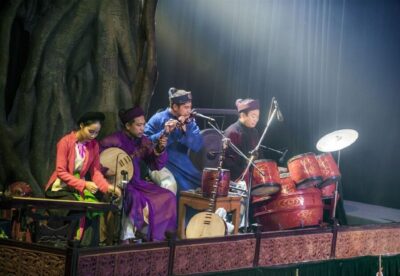 ★ 4.6Water Puppet Show TicketsTickets from $77,029 traveller reviews
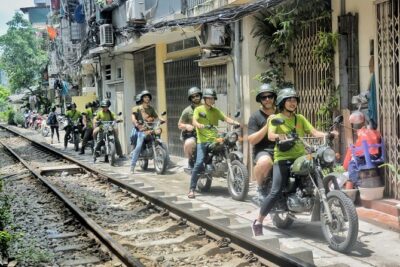 ★ 5.0Hanoi Motorbike Tour: Food, Culture and Fun by Vintage MotorbikeTickets from $556,699 traveller reviews
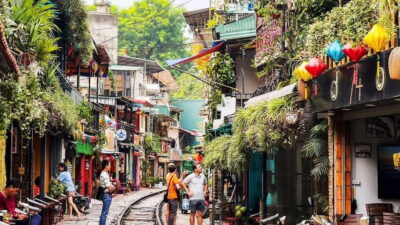 ★ 4.9Guided Food Tour with Train Street VisitTickets from $196,239 traveller reviews
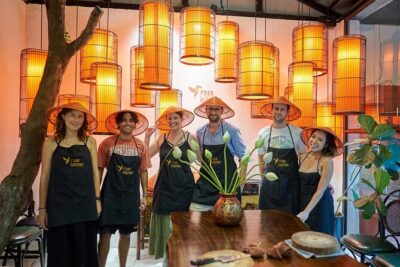 ★ 5.0Hanoi Cooking Class: Culture, Local Market & Meaning CSR ImpactTickets from $395,147 traveller reviews
 ★ 5.05 Traditional Dishes Hanoi Cooking Class with Market TripTickets from $354,890 traveller reviews
More useful Hanoi routes