
Review · HANOI CITY TOURS
Half-Day Mindfulness Meditation Retreat in Hanoi
Four hours, and your mind gets quiet fast. This half-day Hanoi retreat is interesting because it mixes sutra chanting with hands-on walking meditation, so you learn practices, not just observe them. I particularly liked the calm structure that teaches the correct way to meditate, and the chance to talk with monks about ethics and compassion. One drawback to plan for: there is no air-conditioned vehicle included, so hot days can feel a bit rough.
You’ll start at the pagoda with the basics and the rules, then move into breathing and qigong before the main meditation. I also liked how the retreat ends with symbolic acts like releasing animals, a grateful meal, and an exchange of gifts, so it feels complete rather than rushed.
Key Things I’d Watch For Before You Go
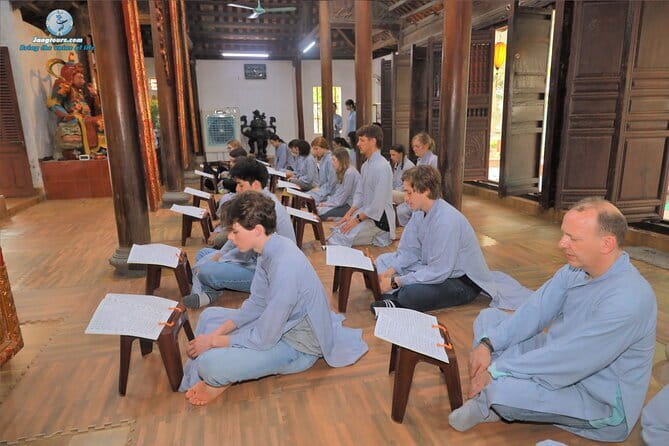
- Sutra chanting as training, not just background noise
- Qigong and mindful breathing to settle your body early
- Walking meditation to learn focus while moving
- A real talk with monks about doctrine, ethics, and renunciation
- Compassion in action, including releasing animals and a grateful meal
Entering The Pagoda, Where the Rules Matter
The retreat begins the way serious spiritual practice usually does, with a welcome and a first lesson on the rules. That might sound formal, but it sets the tone quickly. You are not just attending a class. You are stepping into a respectful ritual space where your behavior affects the whole group.
Right after that, you move into chanting. The session centers on solemn sutras, which contain teachings of the Buddha. Even if you do not know the language, the rhythm and repetition are the point. You learn how chanting can support steadiness, attention, and a calmer mind, instead of feeling like random recitation.
More Hanoi tours and experiences for the shortlist


Sutras, Buddhist Doctrines, and Ethics You Can Use
Chanting is only the start. The guide explains the profound Buddhist doctrines and connects them to everyday life. This is the part I’d pay attention to most if you want something that sticks after the 4-hour retreat ends.
The way it’s framed is very practical: ethical living, gratitude, loving-kindness, and compassion are treated as habits you can cultivate. That matters because most mindfulness experiences stop at relaxation. Here, the goal is a moral compass you can carry forward.
If you tend to be skeptical, don’t overthink it. You do not need to agree with every detail to benefit from the structure: repeated phrases, clear guidance, and reflection that nudges you toward patience and kindness.
Qigong and Mindful Breathing to Set Your Body Up
Once chanting and doctrine are underway, the retreat shifts to qigong and mindful breathing. This is a smart order. Before you sit still for real meditation, you start training the body to feel safe and settled.
Qigong here is not described as a gym workout. It’s presented as support for good health, which fits the broader theme of mindful living. Mindful breathing also helps you get out of the head and into the present, because your attention has a job to do.
A practical tip: if you arrive tense, rushing, or dehydrated, the breathing section will feel more helpful. If you arrive calm already, it will feel like a quick upgrade to that calm.
Walking Meditation, Touching Peace, and Focus Training
Then comes a quieter, more focused stretch of time. You’ll practice walking meditation, which is different from many retreats that keep you seated the whole time. Walking meditation teaches you how to pay attention without freezing your body.
The retreat also calls the next segment the art of touching peace. That phrase is not just poetry. It’s guiding you toward the idea that your mind can be trained to find steadiness, often described as true happiness.
In plain terms, you’ll learn meditation methods and how to focus the mind. The key is that attention is something you practice. If you wander, you notice. If you settle, you notice. That’s the skill. The walking part gives you movement-based feedback, so your focus has less chance to drift into daydreams.
Speaking With Monks About Noble Life and Doctrine

One of the most anticipated parts is time to converse with monks. This is where the retreat can feel more than instructional. You get a chance to ask questions or listen closely about Buddhist doctrine and the noble life of those who renounced worldly pleasures.
That conversation has value even if you treat it as cultural learning. You get insight into how people live with discipline, purpose, and compassion. You also hear the ideas behind the rituals, not just the steps of the rituals.
A realistic note: conversation time inside a short, half-day program can’t be a long interview. Still, even brief answers can clarify why certain practices are done at all. And because the retreat covers ethics and ethics-based kindness, monk conversation connects your meditation to a bigger worldview.






Compassion in Practice: Releasing Animals and Gratitude

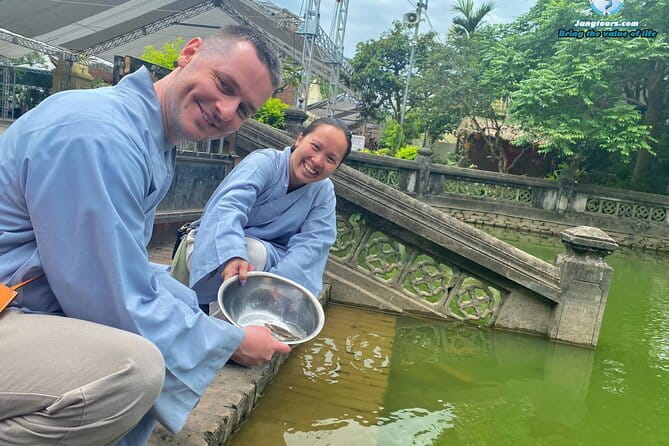
The retreat brings compassion into action with an activity described as releasing animals. This is likely to be emotional or at least thought-provoking. If you are the type who gets moved by symbolic acts, you may feel something here. If you are more detached, you can still use it as a prompt to reflect on kindness and responsibility.
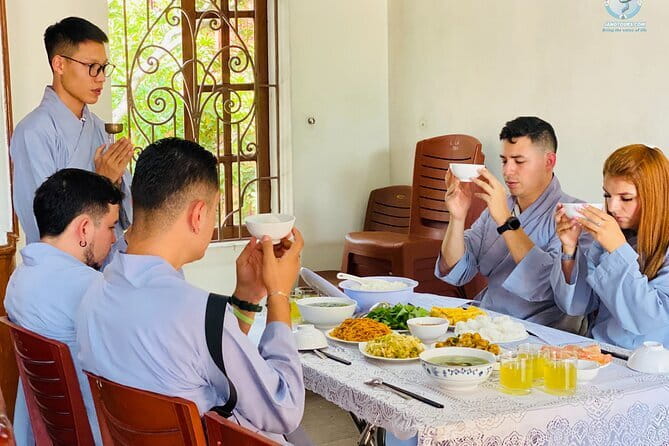
After that comes a grateful meal. The meal is vegetarian and included, so you don’t need to hunt for food between sessions. More than nutrition, the idea is to practice gratitude in a concrete way.
If you have dietary needs beyond vegetarian food, the data you have here does not specify. That’s worth keeping in mind. Still, for most people, an included vegetarian lunch is a straightforward value add, especially on a half-day schedule.
The Closing Rituals, Gift Exchange, and Leaving With a Plan
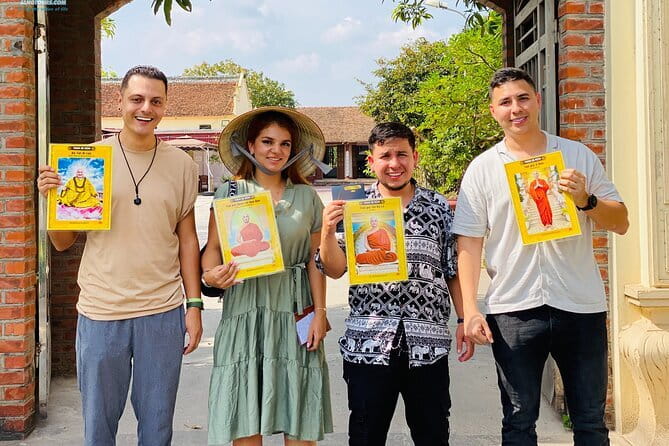
The retreat ends with exchanging gifts and a farewell. That might sound like a small touch, but it’s actually common in ritual settings for a reason. It marks closure and reinforces community. You leave with a sense that you completed something together, not just timed out.
So what do you take home? The retreat is built around learning the correct method of meditation, studying Buddhist doctrines, and nurturing gratitude, loving-kindness, and compassion through solemn rituals practiced earnestly. That is your takeaway list, and it’s more focused than many generic mindfulness classes.
If you want a practical plan for after the retreat, here’s a simple one: pick one practice you liked most, either mindful breathing or walking meditation, and do it for a short session daily. Keep the tone ethical and kind, not performance-based. The retreat is really training how you relate to your mind and to others.
Price and Value for a $60 Half-Day in Hanoi
At $60 per person, this is priced like a structured, guided cultural experience rather than a basic meditation workshop. The value comes from the mix of elements you get in one block: ritual chanting, doctrine explanation, qigong and breathing guidance, walking meditation, monk conversation, and an included vegetarian lunch.
Also, you’re not on the hook for a big full-day commitment. The duration is about 4 hours, which makes it easier to fit into Hanoi without disrupting your whole itinerary. That’s especially helpful if you want mindfulness but also want to see the city.
One financial caution: an air-conditioned vehicle is not included. That means if you rely on AC comfort for comfort and timing, you’ll need to arrange your own transport. For some travelers, that slightly reduces the all-in value, even if the retreat itself is well rounded.
Who This Retreat Suits Best (And Who Might Want Something Else)
This retreat is a strong fit if you want mindfulness with a spiritual backbone. If you care about ethics, compassion, and learning meditation methods, you’ll likely appreciate how the rituals connect to doctrine and daily life.
It also suits travelers who like variety within a short time. You don’t just sit. You chant, breathe, move, meditate, talk, release, and eat. That gives your attention multiple ways to settle.
If you want a purely secular stress-reduction class, you might find the sutras and Buddhist framing too spiritual. And if heat and outdoor waiting are a major issue for you, the lack of an included air-conditioned vehicle is a real consideration.
Should You Book This Half-Day Mindfulness Meditation Retreat?
Book it if you want a focused half-day in Hanoi that teaches meditation methods alongside Buddhist rituals, and if you’re open to learning through chant, mindful breathing, walking meditation, and conversation with monks. At $60, the included vegetarian lunch and the full sequence of practices make it feel like real value for time.
Consider skipping or at least planning carefully if you are sensitive to hot weather since AC transport is not included, or if symbolic activities like releasing animals may feel uncomfortable for you. If you can handle that, you’ll likely leave with a simple meditation approach you can repeat, plus a reminder to practice gratitude, loving-kindness, and compassion as actions, not just thoughts.
FAQ
How long is the half-day retreat in Hanoi?
It runs for about 4 hours.
How much does the retreat cost?
The price is $60.00 per person.
Is lunch included?
Yes. Lunch vegetarian food is included.
Is an air-conditioned vehicle included?
No. An air-conditioned vehicle is not included.
Do I receive a mobile ticket?
Yes, the tour uses a mobile ticket.
What meditation practices are included?
You’ll do a meditation session and you’ll also practice walking meditation. The retreat also includes qigong and mindful breathing.
Do you speak with monks during the retreat?
Yes. There is a time to converse with monks about Buddhist doctrine and the noble life of those who have renounced worldly pleasures.
What happens at the end of the retreat?
The retreat includes releasing animals, a grateful meal, and then exchanging gifts before a farewell.
More Half-Day in Hanoi


More Tour Reviews in Hanoi
Not for you? Here's more nearby things to do in Hanoi we have reviewed












More Hanoi City Tours to consider.
 ★ 5.0Hanoi Jeep Tour: Food, Culture and Fun by Vietnam Army JeepTickets from $5515,222 traveller reviews
 ★ 5.0Full-Day Ninh Binh Highlights Tour from HanoiTickets from $797,761 traveller reviews
 ★ 4.7Ha Long Bay Day Cruise – Swimming, Meal, KayakingTickets from $417,415 traveller reviews
 ★ 4.6Water Puppet Show TicketsTickets from $77,029 traveller reviews
 ★ 5.0Hanoi Motorbike Tour: Food, Culture and Fun by Vintage MotorbikeTickets from $556,699 traveller reviews
 ★ 4.9Guided Food Tour with Train Street VisitTickets from $196,239 traveller reviews
 ★ 5.0Hanoi Cooking Class: Culture, Local Market & Meaning CSR ImpactTickets from $395,147 traveller reviews
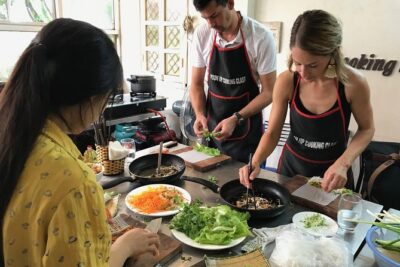 ★ 5.05 Traditional Dishes Hanoi Cooking Class with Market TripTickets from $354,890 traveller reviews