
Review · HANOI CITY TOURS
Hanoi – Sapa 3 Days – 2 Nights Trekking with With the locals
Sapa gets under your skin fast. This 3 day, 2 night Hanoi to Sapa trekking trip keeps things personal with small group sizes and local H’Mong guidance, so you spend real time with villages like Cat Cat, Lao Chai, and Ta Van. I especially like the small group limit and the way the route prioritizes lesser-known trails, not just the most postcard spots. The main thing to plan for is effort, this is not an easy stroll, expect steep ups and downs and some slippery sections.
I also like the pacing option built into the experience. The trekking day can flex to your comfort level, and you can adjust what you do each day based on energy and interests. On top of that, you are not stuck eating boring tourist meals, the package includes multiple lunches and dinners plus a cooking class that shows how local food fits into daily life.
One practical consideration, check your Sapa hotel assignment ahead of time. A previous booking specifically flagged Delta Sapa as a place to avoid, so I’d confirm the exact property you’ll be staying in before you lock it in.
Key highlights from this Hanoi to Sapa trekking trip
- Local H’Mong English guide leading you through village life, customs, and everyday stories
- Small group size (kept to a maximum of 12, with the tour capped at 10 in the experience details) for easier pacing
- Hotel plus homestay: 1 night in a 3-star hotel, then a private room at a homestay
- Big-name Sapa areas mixed with quieter routes, with time in places like Cat Cat, Lao Chai, Ta Van, and more
- Meals included (2 breakfasts, 3 lunches, 2 dinners) plus a cooking class
- VIP cabin bus round trip between Hanoi and Sapa, so you spend less time wrestling with transfers
From Hanoi to Sapa by VIP bus, then straight into Cat Cat village
Your day starts early in Hanoi. You’re picked up in the Old Quarter area and then transferred to the meeting point, where you board a big bus headed for Sapa. The ride takes around 5 hours on the highway, which is long enough that comfort matters. This is why the package includes round trip transport with a VIP cabin bus setup, not just a standard seat and hope.
When you arrive in Sapa, you’re transferred from the bus station to your hotel. Then it’s lunch at the hotel restaurant, check in, and you’re ready to move again. The first visit is Cat Cat village, and this is a smart on-ramp. You get to stretch your legs, meet your guide, and get a feel for H’Mong village structure and daily routines without committing to a tough full-day hike right away.
A small practical tip here: if you’re coming from Hanoi that morning, you’ll want to keep your energy for the walk. Wear shoes you can grip, since even easier village walks can include uneven paths. Also, bring a light layer. Sapa evenings can feel cooler than you expect, and it’s easier to handle changes when you’re not stuck rummaging for a jacket.
You can also read our reviews of more hiking tours in Hanoi
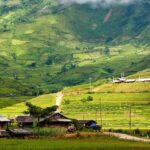

Day 1 in Cat Cat, what you are really learning
Cat Cat can be busy at times, but what makes this portion of the trip worthwhile is the guidance. A local English tour guide doesn’t just point at scenery. They explain customs and habits of the H’Mong community and help you read what you’re seeing in a respectful way.
This matters because Sapa is not just “a place with views.” It’s a working area with real households, agriculture, and a rhythm people follow year round. When your guide frames what you notice, you get more out of the walk than just photos.
The other good thing about starting with Cat Cat is timing. You arrive in Sapa in the early afternoon, so you’re not losing the whole day to transit. By the time you’re walking, you’re awake enough to actually take in details instead of rushing through everything.
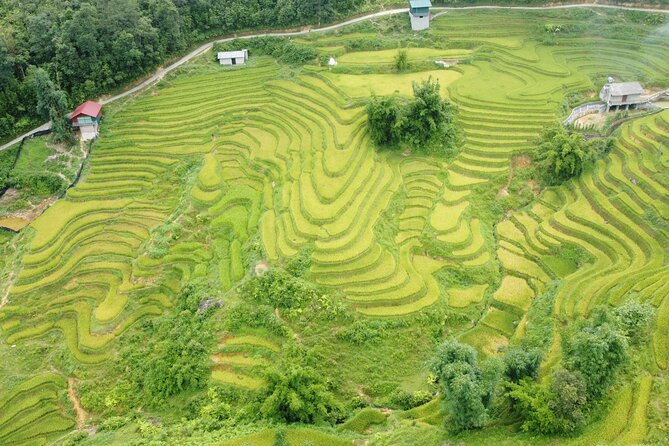
Day 2: Y Linh Ho, Lao Chai, and Ta Van, a trek that rewards sturdy shoes
Day 2 is where the walking starts in earnest. Breakfast happens at the hotel, then you check out. You leave your luggage behind and only carry a small day bag with your essentials for the hike. That setup is useful. It keeps your hands free and makes the walking feel lighter, especially on uneven paths.
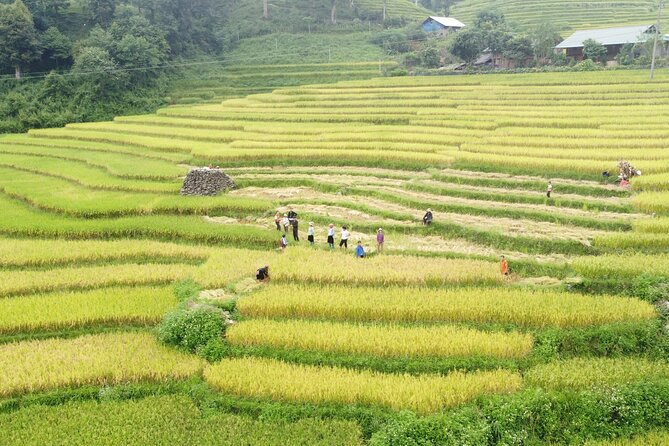
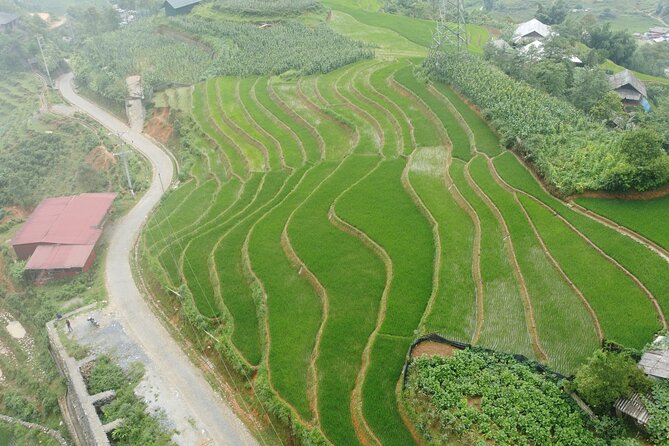
Your route begins with Y Linh Ho, then continues to Lao Chai. Lao Chai is about 6 km from Sapa town and is home to Black H’Mong and Red Dao ethnic groups. That’s an important detail because it signals the trip is not “one village and done.” The cultural mix and local practices can differ from one community to the next, even if the setting looks similar at first glance.
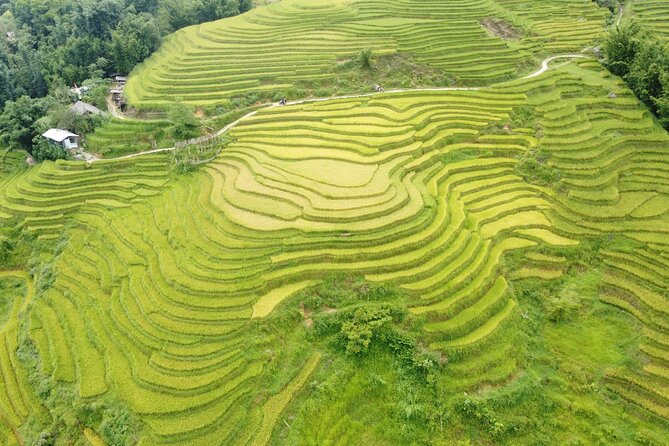
After Lao Chai, you go on to Ta Van village. Ta Van sits in the middle of the Hoang Lien Son range, which helps explain why the area feels dramatic even when you’re walking slower. This is also the part of the day where trekking becomes more about movement through the region than just reaching a single viewpoint.
What you need to know about difficulty
This is the day you plan for if you want to enjoy the experience instead of fighting it. One of the clearest pieces of advice from past participants: the trek is not easy. Expect a lot of steep ups and downs, and some surfaces can get slippery.
So here is how you set yourself up:
- Bring proper footwear with grip. If you feel uncertain on wet steps, that uncertainty becomes exhausting by mid-day.
- Pack light, because a heavy bag makes downhill sections feel longer.
- If weather turns damp, slow down. Slips cost time and energy fast.
If you are the kind of traveler who likes a workout but not a punishment, this route hits a good balance. It’s active, but it’s guided, paced, and structured around village stops so you always have a point to reach.
Day 2 night: homestay in Sapa’s village rhythm
After the trekking day, the trip transitions into overnight village life. You spend the second night in a private room at a homestay. This is where many people find the experience becomes more than a checklist of towns.
You’ll likely notice a different pace once you’re not relying on hotel staff schedules. Homestays are built around households and family routines. Even when you do not speak the language, the rhythm is visible in meals, chores, and how space is used. This is one reason the guide component matters, your local guide can help you understand what you’re seeing instead of guessing.
Also, leaving your luggage at the hotel the morning of the trek is handy. It reduces what you carry on the hike, and you’re not trying to organize heavy bags at the end of a long day.
More Hanoi tours and experiences for the shortlist


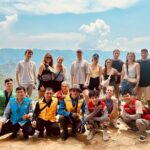

Day 3: Giang Ta Chai and Su Pan, then back to Sapa town and Hanoi
Day 3 starts with breakfast at the homestay, then you do the checkout process. After that, the morning includes visits to Giang Ta Chai village and Su Pan (Su Pan) village. These are the kinds of stops that make this tour feel like more than the standard “big highlights” run.
Then there is lunch at a local restaurant in Su Pan. That matters because it keeps the meal experience connected to the area you just walked through. After lunch, the bus takes you back to Sapa town. You get about an hour to walk around Sapa town before the return ride.
The final transition is the long one: the bus back to Hanoi. The schedule shows arrival around 10:00 to 10:30 pm, with drop off at the bus station and an end back near the meeting point. Plan for a late night, and keep your expectations simple. This is not the day to book something right after the tour ends. Build in rest.
Cooking class and included meals, why this package is more useful than it looks
The included food plan is a big part of the value. You get 2 breakfasts, 3 lunches, and 2 dinners, and drinks are not included. That’s typical, but knowing it helps you plan. If you want a soda or bottled water, budget a little extra.
There’s also a cooking class, which is worth treating as a cultural activity rather than just an extra stop. Cooking classes in village and regional settings usually teach ingredients, simple techniques, and what people actually eat when they have to feed a household. Even if you don’t remember every step, you come away with a better sense of how food connects to daily life.
From a practical standpoint, having meals included reduces decision fatigue. You don’t have to hunt for food between trail segments, and you’re less likely to end up with a rushed or overpriced meal in a pinch.
Price and logistics: what you’re paying for at $130 per person
At $130 per person, this tour can feel like a bargain if you think about what’s wrapped into the price. You’re getting:
- Round trip VIP cabin bus between Hanoi and Sapa
- One night in a 3-star hotel plus one night in a private homestay room
- A local English guide in Sapa
- Entrances included in the package structure
- Meals across the trek days
- A cooking class
- Travel insurance included in the all-inclusive framing
When you compare that to piecing things together yourself, the savings are often in the planning time and coordination, not just money. And that’s the real value here. You show up, follow the schedule, walk with a guide, eat included meals, and worry less.
The one tradeoff: because everything is organized, you won’t be doing this as a totally independent hike. The structure is the point, and it keeps you on safe, reasonable village routes rather than inventing your own.
Pacing flexibility: how the group size helps you enjoy the trek
This tour limits group size to keep it manageable and personal. That’s not marketing fluff. With a smaller group, your guide can adjust on the fly, including your trekking pace and how stops are handled based on your interests and fitness.
It also helps with the reality of Sapa trails. Even when the route is planned, conditions can change. One slippery stretch can slow everyone down. Another stop might need more time so someone can catch their breath. A big group makes that harder. A small group makes it easier.
So if you’re worried about being too slow, you can relax a bit. You have the option to adjust pacing rather than getting swept along by the fastest walkers.
Trail tips from real-world conditions in Sapa
Based on the clearest trek advice tied to this kind of route, here’s what you should do before you arrive:
- Shoes with grip are non-negotiable, Sapa paths can get slick
- Pack light, because carrying extra weight makes climbs feel brutal
- Keep a small day bag for essentials only, especially on Day 2
- Bring a layer you can adjust, cool mountain air plus changing weather is common for trekking
If you’ve done other Vietnam treks, you might expect mostly level paths. Here you should plan for stairs, slopes, and constant rhythm changes. The payoff is that every village stop breaks up the effort and gives your legs a reason to keep moving.
Where you should pay attention: hotel assignment
One caution that stands out is about the Sapa hotel. A past booking specifically warned not to choose Delta Sapa. I can’t tell you what hotel you’ll get from the info here, but I can tell you what I would do: confirm the exact 3-star property assigned to your departure date before you go, and make peace with that choice early.
If your accommodation matters to you, this check is worth a quick message.
Who this Hanoi to Sapa trek suits best
This is a strong fit if you:
- Want local guidance and village context, not just a scenic walking route
- Prefer small groups and a pace that can adjust
- Like active days but still want structure (meals, transport, and planned stops)
- Are comfortable with a homestay night and a little travel schedule intensity
If you hate hills, need flat ground, or struggle with slippery footing, you may want a different itinerary type. The trek is described as having lots of ups and downs, and conditions can be slippery in sections.
Also, if you want a fully independent experience, this package is not built for that. It’s a guided trek with included logistics.
Should you book this Hanoi to Sapa 3-day trek with locals?
I’d book it if you want real village time, clear guidance from a local H’Mong English speaking team, and an active trek that still feels organized. The all-inclusive setup, plus the combination of hotel and homestay, makes it good value for a first-time Sapa visitor who also wants to get beyond the easiest photo stops.
I would pause and re-check your comfort level if you know you struggle with steep walking or if you are traveling with limited footwear options. And I would absolutely confirm the 3-star hotel name you’ll be assigned, since one specific property got flagged.
If you show up with grippy shoes, pack light, and go into it expecting work, you’ll likely come away feeling like you saw Sapa the way locals experience it, not just the way it looks from a bus window.
FAQ
What is the duration of the Hanoi to Sapa trek?
It runs about 3 days, including 2 nights, with transportation between Hanoi and Sapa both ways.
Does the tour include pickup in Hanoi?
Yes, pickup is offered from the Old Quarter area. You meet at the Hanoi Văn phòng Xe G8 Open Tour office at Ly Thai To, Hoàn Kiếm.
How do I get from Hanoi to Sapa and back?
You travel by VIP cabin bus both directions, Hanoi to Sapa and then Sapa back to Hanoi.
Where do I stay during the tour?
You stay one night in a 3-star hotel in Sapa, and one night in a private room at a homestay.
Is there an English guide in Sapa?
Yes, the tour includes a local English tour guide in Sapa.
Are meals included?
Yes. The package includes 2 breakfasts, 3 lunches, and 2 dinners. Drinks during meals are not included.
Which villages are included on the route?
You visit Cat Cat village on Day 1. On Day 2 you go to Y Linh Ho, Lao Chai, and Ta Van. On Day 3 you visit Giang Ta Chai village and Su Pan, plus time back in Sapa town.
Is there a maximum group size?
Yes. The experience caps the group at a maximum of 10 travelers, and it also states the overall group limit is not more than 12.
What is the cancellation policy?
Cancellation is free up to 24 hours in advance for a full refund. If you cancel less than 24 hours before the start time, the amount paid is not refunded.
More 3-Day Experiences in Hanoi

More Hiking & Trekking Tours in Hanoi


More Tour Reviews in Hanoi





Not for you? Here's more nearby things to do in Hanoi we have reviewed









More Hanoi City Tours to consider.
 ★ 5.0Hanoi Jeep Tour: Food, Culture and Fun by Vietnam Army JeepTickets from $5515,222 traveller reviews
 ★ 5.0Full-Day Ninh Binh Highlights Tour from HanoiTickets from $797,761 traveller reviews
 ★ 4.7Ha Long Bay Day Cruise – Swimming, Meal, KayakingTickets from $417,415 traveller reviews
 ★ 4.6Water Puppet Show TicketsTickets from $77,029 traveller reviews
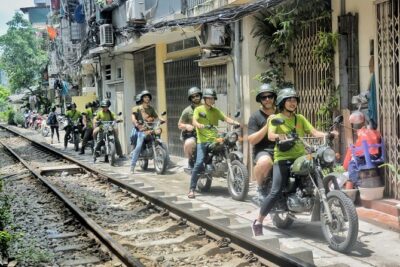 ★ 5.0Hanoi Motorbike Tour: Food, Culture and Fun by Vintage MotorbikeTickets from $556,699 traveller reviews
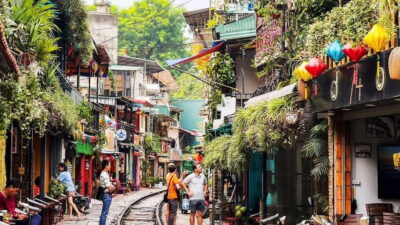 ★ 4.9Guided Food Tour with Train Street VisitTickets from $196,239 traveller reviews
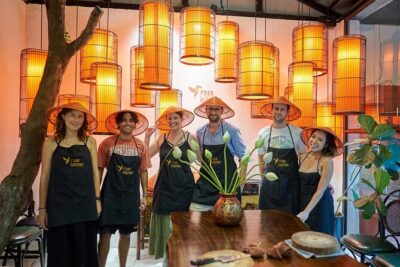 ★ 5.0Hanoi Cooking Class: Culture, Local Market & Meaning CSR ImpactTickets from $395,147 traveller reviews
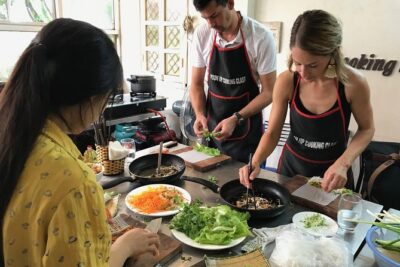 ★ 5.05 Traditional Dishes Hanoi Cooking Class with Market TripTickets from $354,890 traveller reviews
More useful Hanoi routes