

Review · HANOI CITY TOURS
Hanoi: Vietnam Military History Museum and Hanoi Museum Tour
War history in Hanoi comes with startling objects. This Vietnam Military History Museum tour pairs a guided walk with hands-on details, including the T54B tank tied to April 30, 1975. I like that it does not stay vague, it points you to specific gear and documents and tells you what they were for.
You’ll also like the Hanoi Museum, especially its inverted pyramid design that turns a huge collection into a clean, readable indoor flow. The four-floor setup makes it easier to connect dynasties, daily life, and artifacts without getting lost in one giant room.
One possible drawback: the tone is heavy. This is war history, so if you want light and casual sightseeing only, you may find the exhibits emotionally intense and text-heavy.
Key things to know before you go
- Skip the ticket line so you start faster, not later.
- Two museums, one smooth route, with a guided visit at each stop.
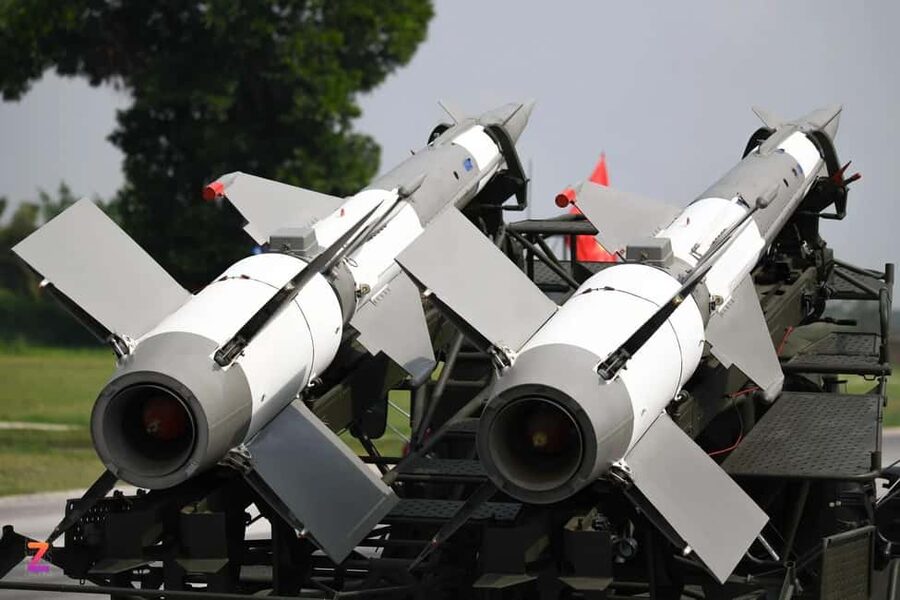
- T54B tank 843 is a centerpiece, linked to the Saigon Presidential Palace attack on April 30, 1975.
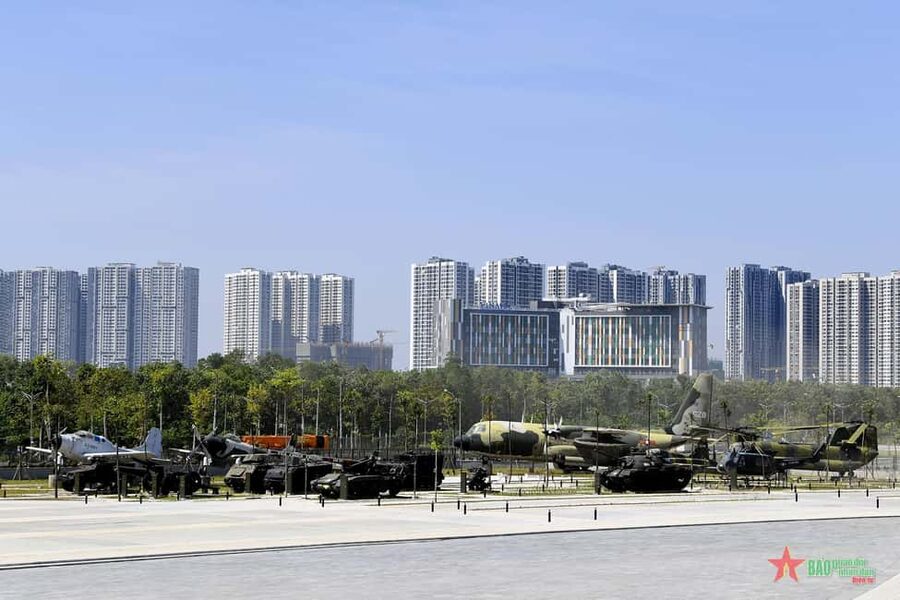
- Outdoor exhibits sit near the Hanoi Flag Tower area, with aircraft, tanks, artillery, and landmines.
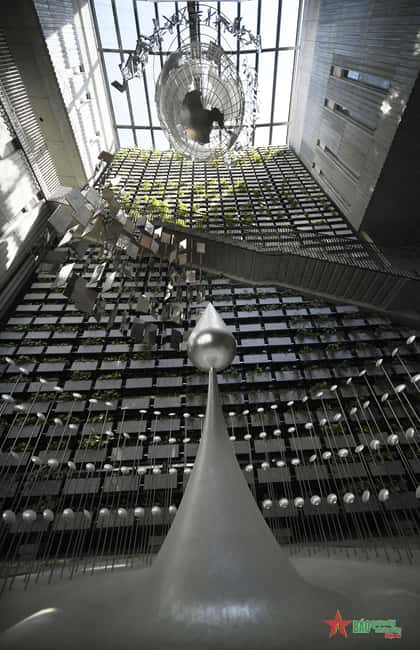
- Hanoi Museum is built like an inverted pyramid, using terraces and shade to protect indoor displays from sunlight.
- Multilingual guides are available, including English, French, German, Spanish, Russian, Japanese, Korean, Thai, and more.
Vietnam Military History Museum: where the war becomes specific
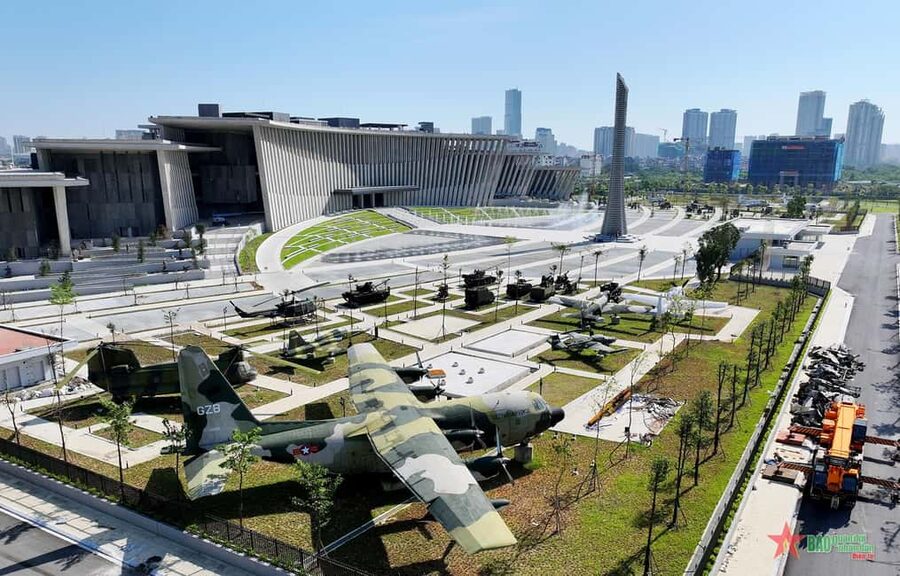
The Vietnam Military History Museum is the city’s big hitter, and the layout makes it feel like a guided lesson, not a warehouse. Your visit starts indoors across three buildings. That matters because the story is layered. You get artifacts and documents first, then you connect them to the hardware outside.
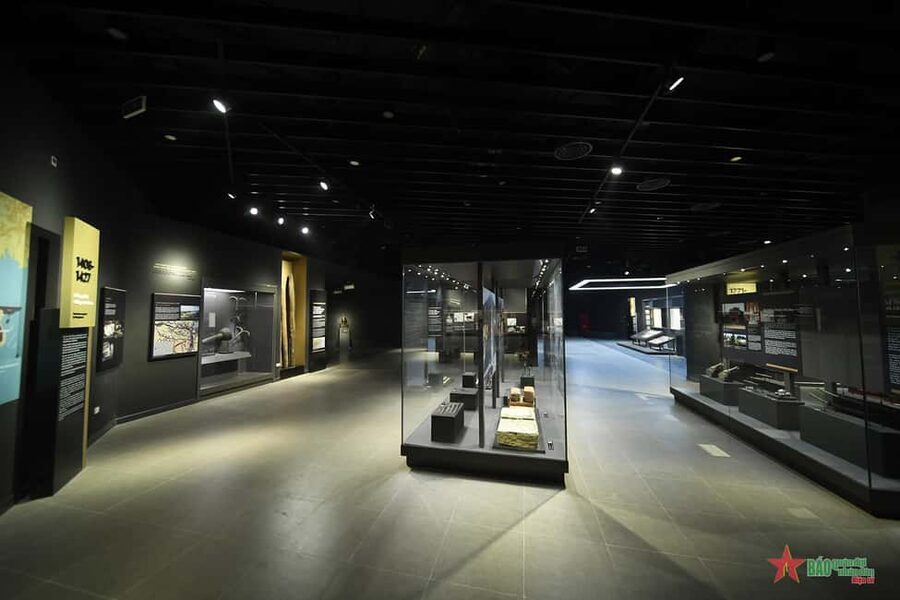
I like the way the indoor rooms cover more than one era of conflict. You are not only seeing Vietnam War material. You also see references stretching back, including wooden wattles used in the Bach Dang naval battle against the Mongolian army in 1288. That quick jump in time does something useful. It shows you that warfare and technology evolved here, long before modern headlines.
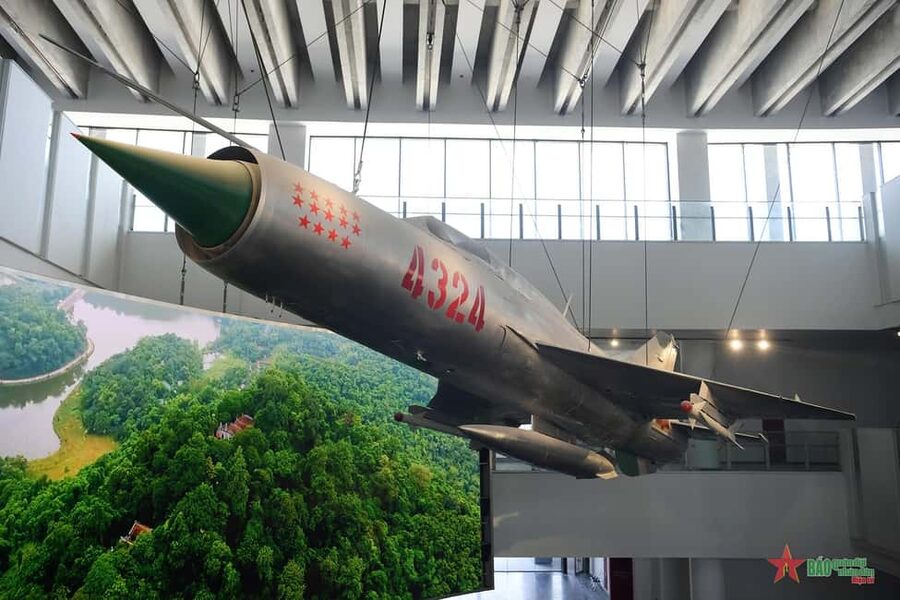
Then the exhibits shift into items tied to mid-20th-century conflict and beyond. You might spot shell mines, infrared optics, phones, and other tools that explain how both sides gathered, targeted, and communicated. One standout item in the mix is the butterfly bombs, produced by the US and used by France in the Indochina War. It’s the kind of detail that turns a general topic into a clear visual.
If you’re the type who likes understanding systems, you’ll enjoy how the museum includes gun production connected to Vietnam’s resistance efforts. The displays mention guns produced by Vietnam and put into use during the resistance war against the Americans. Instead of treating the war as one dramatic blur, the museum gives you categories and timelines you can actually hold in your head.
A guided visit helps because these are not just “look at the object” stops. The guide can connect why something was used, what problem it solved, and how it fit into a broader campaign. The result is that you leave with meaning, not just photos.
You can also read our reviews of more historical tours in Hanoi

The T54B tank and the outdoor yard by Hanoi Flag Tower
After the indoor exhibits, you move to the outdoor display area at the foot of the Hanoi Flag Tower. This is where the museum stops being abstract. Plan to walk. Plan to look up. Tanks and aircraft parts change your scale instantly, and you understand the size of the story.
One reason the tour grabs attention is the T54B tank, number 843. The display links it to the attack on the Saigon Presidential Palace, now the Independence Palace, on April 30, 1975. Even if you know the date already, seeing the tank as a physical object makes the event feel more concrete.
The outdoor section also includes a wide mix: airplanes, tanks, artillery, and landmines. It’s not curated into one tight theme. Instead, it feels like a yard of consequences. That can be a lot, but it’s also practical. You see different weapon types side by side, which makes the explanations you get from your guide stick better.
There are also remnants from aircraft shot down by the Vietnamese army. Notably, the tail of an American F-111A that crashed directly into the ground is listed as a key visible artifact. For many people, that’s a gut-check moment, because it is not a replica and not a diagram.
You’ll also get context on bombs and aerial warfare. The museum experience includes learning about different types of bombs used by the US as well as Vietnamese artillery guns that shot down American B-52 heavy bombers. If you like cause and effect, ask your guide how they explain the choice of delivery methods, because that’s where the technical details start to matter.
Another interesting outdoor note is the presence of cannons of the Nguyen Dynasty, made in the 19th century and discovered in the area around Thang Long Citadel in 2003. That little detail keeps the museum from feeling locked only on modern war. It reminds you this landscape has been fought over and repurposed for centuries.
Hanoi Museum in an inverted pyramid: a floor-by-floor map of Thang Long
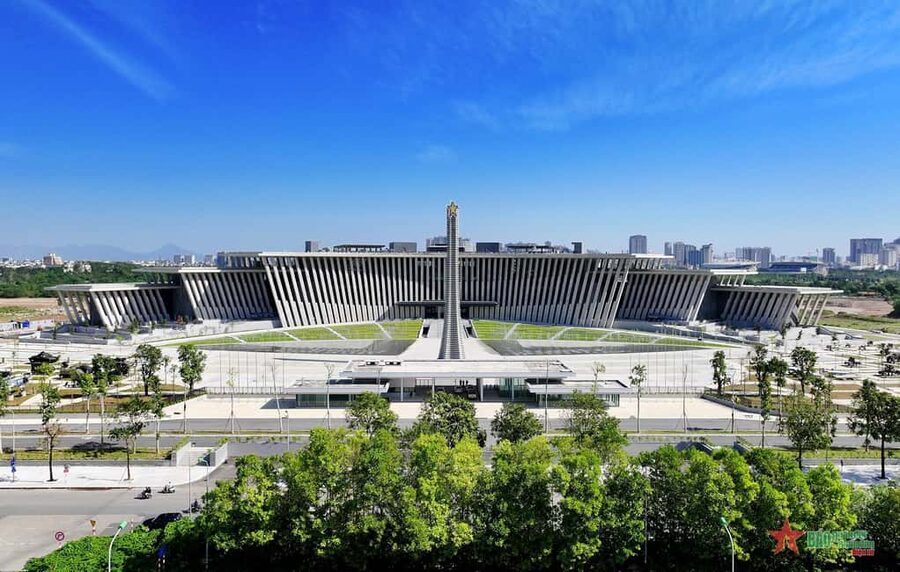
The second stop, the Hanoi Museum, shifts the mood while keeping the big-picture goal: understand Hanoi’s capital story through objects. It’s described as having more than 70,000 artifacts and materials on display. That number sounds huge, but the building design helps you process it.
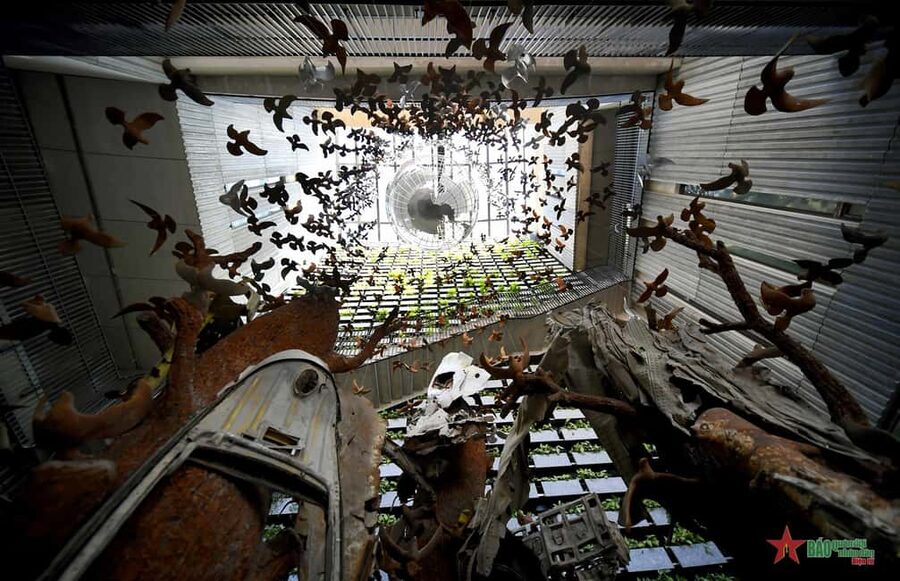
The architecture is a big part of the experience. The main building covers more than 54,000 square meters, and the floors are arranged to resemble an inverted pyramid with terraces that extend outward. Higher levels cast shadows on lower ones, which helps shield indoor exhibits from sunlight. Translation: you should find the galleries more comfortable than you might expect in hot Hanoi.
Inside, you can treat it like a guided path through time.
On the first floor, you’ll see pillars carved with dragon figures from the Ly dynasty. The museum also includes documents and artifacts from the Ly, Tran, and Le dynasties. If you want early Vietnamese statecraft and symbolism, this floor gives you strong anchors.
The second floor leans into natural artifacts and local life. The museum lists the skeleton of the Hoan Kiem Lake turtle and a shrimp specimen from West Lake, plus pictures of Hanoi’s scenery and people. This is a smart contrast after the military artifacts. You start to see how the city looked and lived, not only how it fought.
The third floor moves deeper into older material culture. You might encounter bronze drums, copper coins, ancient ceramic vases, ivory items, dragon statues, and stone turtle statues. This is where the museum supports “close looking.” Even if you do not read every label, the range of shapes and materials gives you a feel for craftsmanship and power.
On the fourth floor, the tone turns visual and modern. You’ll find paintings and photos showing old and modern Hanoi. This ending helps you connect the past to what you are currently walking through outside the museum walls.
As you enter the grounds, you might also see displays about Hanoi’s history and replicas of traditional Vietnamese villages. That prelude is helpful if you’re trying to understand what you’re about to see, because it sets a mental map before you enter the galleries.
How a live guide changes what you notice
This tour includes a live guide, and the language options are broad, including English, French, German, Spanish, Russian, Japanese, Korean, Thai, and many more. That matters because museum labels alone rarely connect all the dots. A good guide turns objects into a story you can follow without guesswork.
One detail worth calling out: a guide with strong French can be a big advantage if that’s your comfort zone. In one recent experience, the guide’s French was described as impeccable, and she answered questions beyond the basics. Even if you are not French-speaking, the fact that the tour supports multiple languages is a practical benefit. You can ask follow-up questions and get real answers, not just a general overview.
Pacing and flexibility also show up with how the guide handles timing and the day’s conditions. Rain and flooding can hit Hanoi, and one driver named Lewis reportedly made an effort to adjust and accommodate different venues during bad weather. That kind of practical problem-solving matters more than you might expect. You want your museums day to feel smooth, not constantly interrupted by logistics.
If you want to maximize learning, come in with one or two questions before you arrive. For example, ask how your guide connects the bomb types to outcomes, or how the museum explains the difference between modern war technology and earlier conflict. You’ll get more from the same objects.
Timing, walking, and photo strategy for a 5-hour day
This experience is built for a one-day visit around 5 hours. The museum time is guided for about two hours at the Vietnam Military History Museum, and about 100 minutes at the Hanoi Museum. The rest is travel time and photo stops, which is important because both museums have indoor and outdoor zones.
Here’s how I’d plan your energy. At the military museum, you will likely spend part of your time indoors taking in artifacts and documents, then you’ll move outside to the yard. That outdoor portion has a lot to see and can get visually intense. Bring a rain layer if the weather looks questionable. Even if it is only a light shower, the outdoor displays at the Flag Tower area can slow you down if surfaces get slippery.
Photo strategy is simple: focus on context, not just close-ups. For the T54B tank and the outdoor aircraft remnants, include surrounding elements in some shots. Tanks, artillery, and aircraft tails look more meaningful when you show their setting. Inside the military museum, try to photograph the larger display areas rather than every tiny object. Let the guide’s narration do the heavy lifting.
At the Hanoi Museum, plan for a different tempo. The inverted pyramid design helps the flow, and the four-floor structure gives you a natural rhythm. Take one or two photos per floor, then spend more time reading and absorbing what connects the floors. You’ll remember the story better that way.
Footwear matters. You will be walking across multiple buildings and terraces. You do not need hiking shoes, but you do want comfortable soles.
You can also read our reviews of more museum experiences in Hanoi



Price of $62: what you get, and what you should compare
At $62 per person for about 5 hours, this tour compares well if you value two guided museum experiences in one day. The big value points are not just the museums themselves. It’s the combination of:
- Live guide (multilingual)
- Skip the ticket line
- Private group format
Skip-the-line can be a real time saver at large museums, especially when you are only doing one day. The private group angle can also help with pacing. If you have mobility needs or you just want time to linger at certain exhibits, a private group setup makes that easier.
What to compare when you evaluate value: look at how many museum hours you get with a guide versus only general admission. If you pay similar money for one museum without guided interpretation, you’ll likely spend more time reading labels yourself. Here, your guide is part of the deal, and that can change what you take away.
Also remember the emotional weight. If you are on a short schedule and you want one war-focused museum plus one culture-focused museum, this day hits both without forcing you to choose. That balance is part of the price value, not just the cost.
Who should book this Hanoi museums tour (and who might skip)
This is a strong fit if you:
- Like historical context, especially war history tied to specific artifacts
- Want to see both modern conflict items and older Hanoi material culture in one day
- Prefer a guided visit that explains rather than just shows
- Appreciate multilingual support in case you want questions answered clearly
You might reconsider if:
- You want light entertainment only. The military exhibits are intense by nature.
- You dislike reading and label-based interpretation. The museums do have lots of information, even with a guide.
- You are extremely short on time and need a very fast stop. This is structured as a guided 5-hour outing, not a quick grab-and-go.
It can also be a good choice for families who can handle serious topics. The visit includes lots of object-based visuals, and the Hanoi Museum portion offers a gentler contrast with natural artifacts and city life.
Should you book this tour?
I’d book it if you want a guided, structured way to understand Hanoi beyond the streets. The Vietnam Military History Museum gives you a clear, object-based look at conflicts, including the T54B tank 843 linked to April 30, 1975. Then the Hanoi Museum shifts you into the city’s identity through an inverted pyramid building, four floors, and objects that map daily life, dynasties, and modern change.
If you prefer upbeat sightseeing only, or if you are sensitive to war imagery, you might want to swap one stop for something lighter. But if you’re open to serious history, this is an efficient, well-balanced day at two of Hanoi’s biggest museums.
FAQ
How long is the Hanoi Military History Museum and Hanoi Museum tour?
The duration is about 5 hours (listed as 5 hours – 1 day). The guided time is about 2 hours at the Vietnam Military History Museum and about 100 minutes at the Hanoi Museum.
What places does this tour include?
You visit the Vietnam Military History Museum and the Hanoi Museum, both in Hanoi, with photo stops and guided touring at each.
Do I skip the ticket line?
Yes. The experience includes skipping the ticket line.
Is this a private tour?
Yes. It is a private group experience.
What languages are available for the live tour guide?
Live guide languages include Chinese, English, French, German, Italian, Japanese, Korean, Portuguese, Russian, Spanish, Indonesian, Thai, and Vietnamese.
Is the tour wheelchair accessible?
Yes. The experience is listed as wheelchair accessible.
What is the cancellation policy?
You can cancel up to 24 hours in advance for a full refund.
More Historical Tours in Hanoi



More Tours in Hanoi
- Ninh Binh Full-Day Tour from Hanoi to Hoa Lu, Tam Coc & Mua Cave Via Boat & Bike
★ 5.0 · 4,384 reviews






More Tour Reviews in Hanoi


Not for you? Here's more nearby things to do in Hanoi we have reviewed











More Hanoi City Tours to consider.
 ★ 5.0Hanoi Jeep Tour: Food, Culture and Fun by Vietnam Army JeepTickets from $5515,222 traveller reviews
 ★ 5.0Full-Day Ninh Binh Highlights Tour from HanoiTickets from $797,761 traveller reviews
 ★ 4.7Ha Long Bay Day Cruise – Swimming, Meal, KayakingTickets from $417,415 traveller reviews
 ★ 4.6Water Puppet Show TicketsTickets from $77,029 traveller reviews
 ★ 5.0Hanoi Motorbike Tour: Food, Culture and Fun by Vintage MotorbikeTickets from $556,699 traveller reviews
 ★ 4.9Guided Food Tour with Train Street VisitTickets from $196,239 traveller reviews
 ★ 5.0Hanoi Cooking Class: Culture, Local Market & Meaning CSR ImpactTickets from $395,147 traveller reviews
 ★ 5.05 Traditional Dishes Hanoi Cooking Class with Market TripTickets from $354,890 traveller reviews
More useful Hanoi routes