

Review · HANOI CITY TOURS
3-Night Sapa Trek and Homestay with Round Trip Transfer from Hanoi
Sapa by train feels like an adventure starter kit. You get a smooth round-trip overnight train setup, then trade city pace for mountain-village trekking and one night in a Ta Van homestay.
One big consideration is the hike, it can be narrow, slippery, and uneven, with rocky, muddy uphill and downhill sections.
Key things that make this tour worth a look
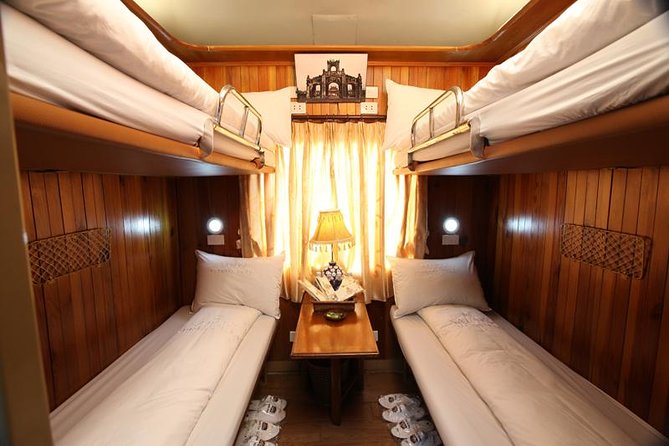
- Overnight train, round-trip with air-conditioned 4-berth shared cabins, so you gain time and skip a day of bus travel
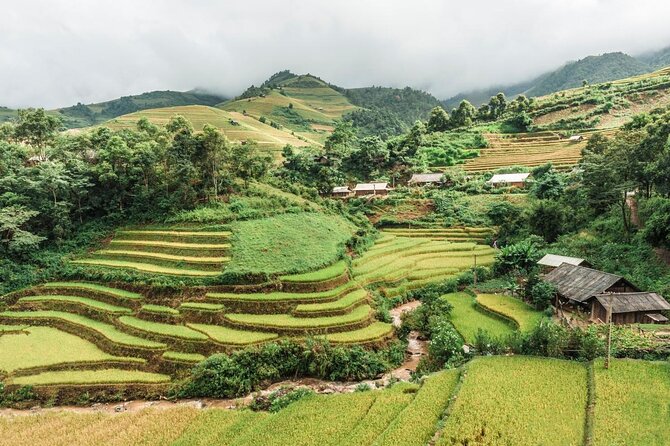
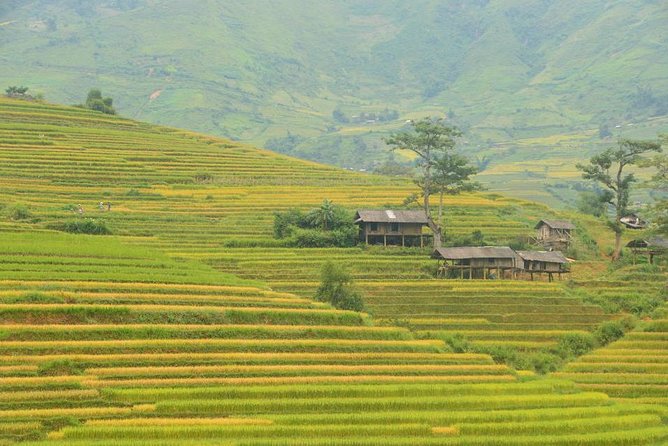
- Muong Hoa valley trekking through terraced rice country and village paths tied to Hmong, Zay, and Red Zao communities
- A homestay night in Ta Van with Zay hospitality, which is usually the most memorable part of these trips
- A women’s handicraft stop where you see how skills are shared and practiced at a local center
- Meals included (2 breakfasts, 2 lunches, 2 dinners), which matters on the trail when you do not want to hunt for food
Overnight train to Sapa, why it changes the whole trip

If you picture Sapa as a day trip, this plan corrects that fast. The overnight train does two jobs at once: it moves you north without burning daytime hours, and it sets a more relaxed tone for the trekking days that follow.
You’re traveling in a 4 soft-sleeper shared cabin with air-conditioning on a round-trip basis. That matters because Sapa’s mountain weather and trail conditions can make you feel worn out. Having a real seat and a proper sleep setup helps you show up on day two with enough energy for the hike.
Group size is kept to a maximum of 40 travelers, so the experience stays organized. Still, you should expect moments that feel less like a scripted factory tour and more like real mountain travel, especially when conditions affect timing.
You can also read our reviews of more evening experiences in Hanoi



Day 1: Hanoi to Lao Cai with an evening start
This trip starts with hotel pickup and a departure to Hanoi Railway Station at 8:00 pm. The idea is simple, you leave Hanoi at night, arrive in the Sapa region area in the early hours, and wake up ready to move.
The itinerary names Y Linh Ho as a stop, which fits the common flow of getting you onto the mountain trail network rather than dropping you straight into the main town. The big win here is pacing. You’re not spending your first afternoon staring at a map. You’re already partway into the Muong Hoa valley experience.
A small heads-up based on how these journeys can run: transportation and timing can be a little unpredictable on the way up. That’s not a deal-breaker if you’re flexible, but it helps to mentally pack patience.
Day 2: Trekking the Muong Hoa valley toward Giang Ta Chai
Day two is the real reason most people sign up. You start with breakfast, then head out at 9:00 am for an uphill trek. This is where you’ll see terraced rice fields and pass small hamlets connected with the Hmong community. There’s also time described through a bamboo forest, which is a nice contrast to open fields and gives the day texture.
The trail is the star, and you need to respect it. One key lesson from the trekking experience is that conditions can be tough even if the scenery looks calm. Paths can be narrow, slippery, and uneven. Expect rocky and muddy footing, plus sections that involve navigating through or over streams.
That means proper shoes are not optional. Go for footwear with grip, and if you have them, use gear you trust on wet ground. If you’re even slightly worried about your footing, bring trekking poles if you can. They can reduce the stress on knees during downhill stretches.
The guides make this part work
The trekking experience is strong partly because of the guide support. One guide example from the field that stands out is a local woman with a baby strapped to her back while leading the trek. It’s a reminder that these are not just sightseeing walks. They are real mountain routes, guided by people who live with these paths every day.
Even when plans change near departure dates, the trekking portion can still be delivered with multiple local guides. That flexibility helps you keep the best parts, walking through the valley and learning as you go.
Ta Van homestay night, Zay hospitality and daily life
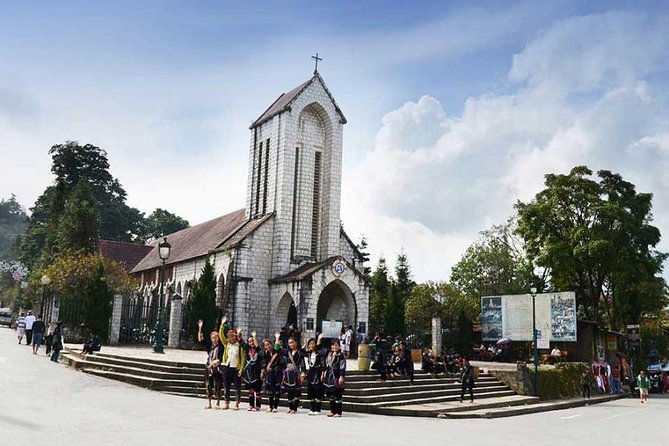
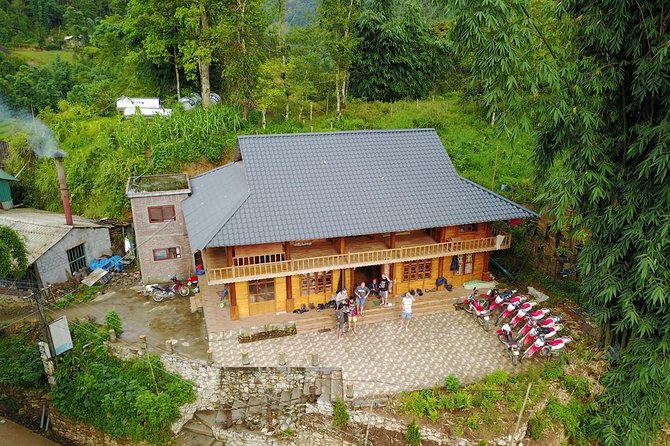
The tour includes one night at a homestay in Ta Van village with the Zay hill tribe. For many people, this is the emotional center of the trip. You’re not just looking at culture from the outside. You’re sharing a night in a home-style setting, where you learn through everyday routines.
What makes homestays work well is the contrast. In towns, you can rush. On the trail, you slow down because you have to. At the homestay, that rhythm continues. Meals and conversation tend to feel more personal, and you get a chance to ask questions that you cannot ask on a bus.
From the same theme of real-life trekking, one practical takeaway is to keep expectations human-sized. This is not a hotel with perfect surfaces and schedules. You’re going to Ta Van to experience hospitality, not comfort-first predictability.
If you do go, come with a respectful attitude. Simple manners go a long way when you’re entering someone’s home space.
You can also read our reviews of more hiking tours in Hanoi





Handicraft stop, women sharing skills the practical way
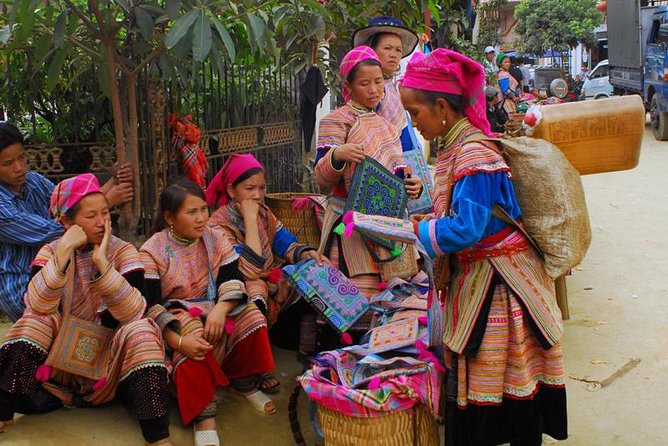
Another highlight is a visit to a local handicraft center where women gather to exchange skills. This is one of those stops that’s better than it sounds on paper, because it’s not framed as a performance.
Instead, you see craft as work and community knowledge. You’ll get a look at how skills get shared and practiced, which helps you understand that these traditions are living, not museum-style exhibits.
If you like travel that supports people directly, this kind of activity is often a better use of time than another photo stop. It gives you something tangible to remember beyond a view.
Which ethnic groups you’ll encounter (and how)
This tour is designed around ethnic minority communities in the Hoang Lien Son mountains and Muong Hoa valley. The tour description specifically points to the Hmong, Zay, and Red Zao people.
In the trekking portion toward Giang Ta Chai, Hmong hamlets are referenced, and the homestay portion is tied to the Zay hill tribe. Even without a long lecture, you’ll usually notice culture through daily life: the way villages are arranged, what you see around homes, and the different rhythms you observe when you pause in a community.
The best way to learn here is to keep questions simple. Ask how people use the land, what the day looks like, and what visitors should remember to be polite about. Your guide can translate what you’re seeing into context.
Price and value, what you are really paying for
At $218 per person, this tour can look affordable compared to how expensive Sapa logistics usually get. The value comes from what’s bundled together.
You’re getting:
- Round-trip overnight train tickets in air-conditioned 4-berth shared cabins
- A guide-led trekking experience over two days
- Meals included: 2 breakfasts, 2 lunches, 2 dinners
- A homestay night in Ta Van
- A handicraft center visit
The big cost drivers in Northern Vietnam are transportation time and getting a reliable route with a guide. Overnight rail plus meals already reduces the amount you need to think about day to day.
Also, the average booking window is about 11 days in advance. That suggests this is a popular format that can sell well in advance, so if you have fixed travel dates, it’s smart to lock it in sooner rather than later.
Logistics that matter: timing, drop-off, and flexibility
This tour includes pickup and uses a set start time of 8:00 pm. At the end, you’re dropped back at Hanoi Railway Station, and you handle getting back to your hotel on your own.
That matters because the train ride ends your organized portion. If you want a smooth finish, plan how you’ll reach your lodging from the station. Also, check that your phone and documents are ready for mobile ticket use.
Finally, keep one mindset: schedule can shift. Even when the core experience stays intact, real-world travel problems can change exact pacing. If you go with flexibility, you’ll focus on the best parts, the walking, the villages, and the people.
Who should book this Sapa trek, and who should reconsider
This tour is a great fit if you want a structured way to see Sapa’s mountain communities without doing complex planning yourself. You also get a more complete experience than a quick day trip because you’re sleeping in transit and in a local homestay.
It may not be the best match if you have limited mobility or you’re not comfortable with uneven footing. One direct consideration is the trek difficulty. Paths can be narrow and slippery, with rocky, muddy climbing and downhill sections, plus stream crossings.
If you are in good physical condition and you enjoy hiking for scenery and cultural stops, you’ll likely feel rewarded. If you prefer paved paths, this is not that kind of outing.
Should you book this 3-night Sapa trek with homestay?
Book it if you want the full package: overnight train travel, two days of Muong Hoa valley trekking, one Ta Van homestay night, and built-in meals and train tickets. The women’s handicraft stop and the community-focused route add substance, not just scenery.
Hold off or choose a gentler option if you know uneven, slippery trails stress you out. The trekking segment is the main physical challenge, and it’s not described as moderate in the way some visitors expect.
FAQ
FAQ
What time does the tour start in Hanoi?
Pickup is scheduled so you are ready at your hotel lobby at 8:00 pm, and you’ll be taken to Hanoi Station for the overnight train.
Does the tour include train tickets and meals?
Yes. It includes 2 round-trip train tickets in a 4 soft-sleepers shared cabin with air-condition, plus 2 breakfasts, 2 lunches, and 2 dinners.
What is the homestay like, and where is it?
You spend one night in a homestay in Ta Van village with the Zay hill tribe.
Which villages and ethnic groups are included during the trek?
The trek includes areas such as Y Linh Ho and Giang Ta Chai Village, and it focuses on communities including Hmong, Zay, and Red Zao.
How physically demanding is the trekking?
The experience can be physically demanding. The paths may be narrow, slippery, and very uneven, with rocky and muddy terrain and sections involving streams.
Where do you get dropped off at the end of the tour?
At the end, you are dropped off at Hanoi Railway Station. You return to your hotel by yourself.
What is the cancellation window for a full refund?
You can cancel up to 3 days in advance for a full refund. If you cancel less than 3 full days before the experience start time, the amount paid is not refunded.
More Hiking & Trekking Tours in Hanoi
More Evening Experiences in Hanoi


More Tour Reviews in Hanoi






Not for you? Here's more nearby things to do in Hanoi we have reviewed












More Hanoi City Tours to consider.
 ★ 5.0Hanoi Jeep Tour: Food, Culture and Fun by Vietnam Army JeepTickets from $5515,222 traveller reviews
 ★ 5.0Full-Day Ninh Binh Highlights Tour from HanoiTickets from $797,761 traveller reviews
 ★ 4.7Ha Long Bay Day Cruise – Swimming, Meal, KayakingTickets from $417,415 traveller reviews
 ★ 4.6Water Puppet Show TicketsTickets from $77,029 traveller reviews
 ★ 5.0Hanoi Motorbike Tour: Food, Culture and Fun by Vintage MotorbikeTickets from $556,699 traveller reviews
 ★ 4.9Guided Food Tour with Train Street VisitTickets from $196,239 traveller reviews
 ★ 5.0Hanoi Cooking Class: Culture, Local Market & Meaning CSR ImpactTickets from $395,147 traveller reviews
 ★ 5.05 Traditional Dishes Hanoi Cooking Class with Market TripTickets from $354,890 traveller reviews
More useful Hanoi routes