
Review · HANOI CITY TOURS
2-Night Sapa Tour with Fansipan Peak by Bus from Hanoi
Sapa tests your legs, then pays back. This 2-night Sapa trip strings together a round-trip sleeping bus from Hanoi, a pre-booked 3-star hotel in Sapa town, and a guided walk through H’Mong villages before you ride a cable car up to Fansipan Peak. I especially like the mix of planned time on the trail plus real free time to explore Sapa day and night. One thing to keep in mind: parts of the experience can feel like handoffs between different staff, so you may not have a single guide hovering over every single minute.
The good news is that the trip is built for comfort where it counts. Pick-up is only from Hanoi’s Old Quarter area, the group stays small (up to 15), and you’re not worrying about meals and key tickets while you’re in the mountains.
Key things I’d focus on before you go
- Sleeping bus round-trip: You trade a full day of transit for an overnight ride that still gets you to Sapa by morning.
- Small-group size (max 15): Easier pacing and less crowd pressure on the quieter valley paths.
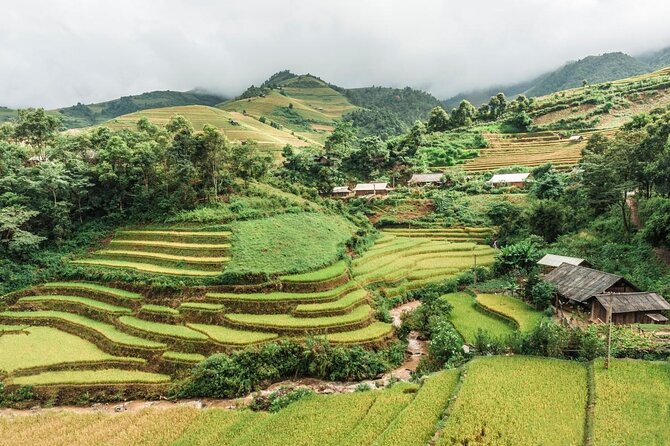
- 9 km trek through village areas: You’ll walk between H’Mong communities such as Lao Chai and Y Linh Ho.
- Sapa town time is real: You get space to wander at your own pace, not just drop-in-and-out.
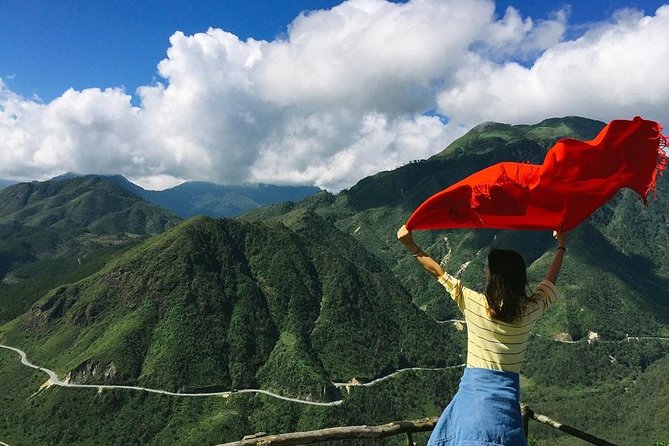
- Fansipan by cable car to about 2,800 m: That short ride saves energy while still delivering big views.
From Hanoi Old Quarter to Sapa by sleeping bus

This tour starts late. You’re picked up from your hotel in the Hanoi Old Quarter area around 9:30pm to 10:00pm, then you head to Sapa on a cabin-style sleeping bus.
For many people, this is the smartest part of the deal. You’re not spending an extra day commuting, and you arrive with enough daylight to enjoy your first full stretch in the mountains. It’s also why the tour price can feel reasonable, because the transport is doing real work for you.
A couple practical notes. First, this is only pickup and drop-off at your hotel in the Old Quarter area, not throughout Hanoi. If you’re staying outside that zone, you might need to plan a taxi or adjust where you sleep. Second, the tour is not recommended for travelers taller than 190 cm. If you’re tall, the sleeping bus arrangement may feel cramped, even if you’re mostly trying to rest.
What to do the night you’re leaving: keep a light layer in your day bag. Even if you sleep, you’ll likely wake up at odd times, and it helps to be ready for cooler air as you get closer to Sapa.
You can also read our reviews of more evening experiences in Hanoi


Your first Sapa morning: breakfast, rest, and town time
After arrival in Sapa around 5:30am, the schedule gives you a breather. You’ll have breakfast and take time to rest at your hotel before the trekking portion begins later in the day.
This matters more than it sounds. Sapa mornings can feel chilly, and after overnight travel your legs will appreciate a slower start. You’ll also get oriented. Even if you don’t do much sightseeing right away, stepping out into Sapa town at least once the first day helps you figure out where you want to return for evening wandering.
The tour also includes time to explore Sapa town during the day and at night. In practice, that’s where you can shift from “tour mode” to “your pace.” I like this structure because the mountains are only half the story. Sapa town is where you can grab a warm drink, browse simple local shops, and get a feel for how people actually move through the area when they’re not on a trekking route.
Bring a small cash stash for the moments that aren’t included. The tour covers major meals and entrance fees, but beverages and personal expenses are on you.
Walking Muong Hoa style: Ta Van, Lao Chai, Y Linh Ho villages
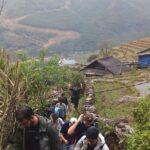
The core of the day is the valley trek. You start around 8:30am or so, and the walking portion is described as a 9 km trek with visits to Lao Chai and Y Linh Ho among H’Mong communities. The overall experience also includes trekking through rice-field scenery to places like Ta Van.
Here’s what makes this part worth your time. You’re not just checking a viewpoint. You’re moving through the kind of terraced farming country where daily life shapes the terrain. The villages are small enough that the walk feels human-sized, not like you’re marching through a theme park.
A tip for the trek that’s easy to forget: keep your pace steady rather than fast. A 9 km walk sounds simple on paper, but in Sapa the ground can be uneven, and the air can make you feel like you’re working harder. If you go out too quickly, you’ll pay for it later.
On the cultural side, the tour uses an English-speaking guide to help explain rural life. I find that most valuable when you let yourself stop for questions rather than treating every village like a quick photo stop. Ask what you’re seeing, what crops matter, and how seasonal changes affect routines. Those are the kinds of answers that turn a scenic walk into understanding.
You’ll also have lunch during the trekking day. The schedule shows lunch around 1:00pm after the morning walking. Having that built in helps, because finding food on a trail day is not something you want to improvise.
Possible drawback to consider: one review pattern suggests the experience can feel more like a well-organized booking package than one continuous “single guide does everything.” That doesn’t mean it’s poorly run, but it does mean you should stay alert. When you arrive at a village or activity handoff, take a moment to confirm who your guide is for that segment and what the timeline is for the next step.
Fansipan Peak by cable car: what your 2,800 m day is really like
The Fansipan portion is designed to give you top-altitude drama without spending your whole day climbing to it on foot. After breakfast, your driver and tour guide take you to the cable car station. The ride is about 20 minutes, then you reach roughly 2,800 meters.
From there, you’ll spend about 3 hours enjoying the peak area. The time block is long enough to slow down, take photos, and wander at a comfortable pace. I like this structure because at altitude you don’t want to rush. It’s also where weather matters. Clouds can roll in, and views can change quickly. If the day looks grey at first, don’t panic. Wait a little. Peaks can clear in fits and starts.
What to pack for Fansipan day: warm layers you can actually breathe in. Even if Sapa town feels mild, the temperature can drop as you gain elevation. Also, bring a small waterproof item if rain seems possible. Cable car areas can get windy, and a light rain can make the ground slick.
You’ll get scenic rewards that are easy to share, especially if you’re traveling with family or friends who want a “big ticket” moment. Fansipan is famous for a reason, but the real value here is how efficiently you get there. The cable car time is short enough that you still have energy for the rest of your trip.
Hotel and meals: how the trip handles comfort and hunger
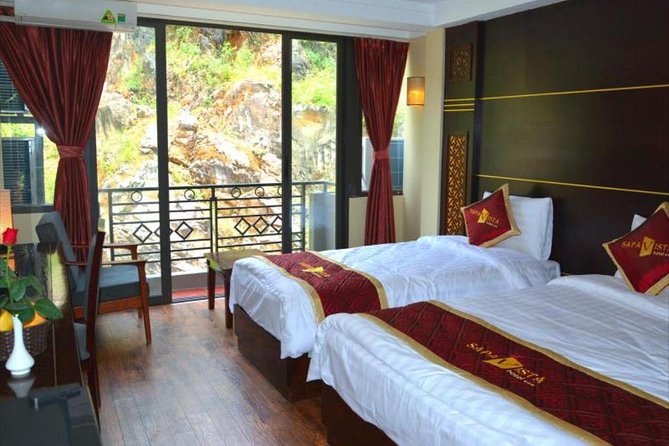
This tour includes an overnight at a 3-star hotel in Sapa town, plus the key meals that matter on multi-day travel. You get:
- Dinner
- Lunch (2)
- Breakfast (2)
When you’re doing a trek and a cable car day, meals are not just a perk. They control your energy. I like that the tour covers them so you don’t end up making tired decisions in the middle of the day.
Dinner included on the schedule also helps, because it means you’re not immediately thinking about where to eat after your first full day in the mountains. That’s a small thing, but it makes the overall pacing feel calmer.
One practical note: beverages are not included. So if you drink coffee, tea, or bottled water, budget a little cash for it. Since you’ll likely want extra fluids while walking, I’d rather over-plan than run out mid-day.



Price and logistics: why $192 can be good value or not
At $192 per person, this is not a bargain-basement budget trip, but it also doesn’t feel overpriced for what’s bundled in. You’re paying for several “hard to DIY efficiently” pieces:
- round-trip sleeping bus from Hanoi
- a pre-booked hotel in Sapa town
- meals across two days
- an English-speaking guide for the tour segments
- entrance fees as listed (including Fansipan cable car time)
If you were to try to piece this together yourself, you’d likely spend time coordinating transport timing, hotel availability, and the right tickets so you don’t lose a half-day. Here, the itinerary handles that for you, which is a big deal when you’re only in Vietnam for a short window.
That said, the value depends on your expectations about guidance. One review criticized the experience as more like a travel agency arrangement than a single, constantly present guide. If you want someone leading you like a private tour from door to door, this might not match that style. On the other hand, if you’re happy as long as key parts are guided and tickets are handled, you’ll likely find this setup practical.
Another small timing consideration: the tour is booked around 70 days in advance on average, which hints that it sells well in peak periods. If your dates are flexible, you can shop around later. If your dates are fixed around Vietnamese holidays or weekends, book early so you don’t end up with fewer options.
How to get the most out of the guide and small group
This tour runs with a maximum of 15 travelers, which helps with pacing. In larger groups, trekking can turn into crowd control. Here, it’s usually easier to stop briefly, listen, and ask questions without feeling like you’re holding everyone up.
Because it’s an English-speaking guide, you’re not limited to guesswork while learning about rural life in the H’Mong communities you pass through. I recommend using that advantage early in the day when your energy is highest. Ask questions when you first arrive at village areas, rather than saving your questions until the end when you’re tired.
Based on the less glowing review, I’d also come in with this mindset: treat the tour as a set of connected segments, not one uninterrupted guided stroll. There may be multiple people involved across transfers, and your main guide may not be constantly “on you” for every moment. That’s not automatically bad. It just means you should be proactive. Check who’s in charge at each transfer point, confirm the meeting time before leaving any activity area, and don’t assume you’ll hear every detail without asking.
Also, if you like candid cultural encounters, be flexible. Some of the best moments in Sapa come from the pauses between the scheduled stops, when you get to watch how a place works.
What to pack for Sapa trekking and Fansipan altitude
You’ll walk and climb, even if the main climb is replaced by a cable car. Pack like you’re going for comfort first, photos second.
Bring:
- comfortable walking shoes with grip
- a light rain layer (Sapa weather can change)
- warm layers for early morning and Fansipan
- a small day bag for water and snacks if you choose to buy them
- a power bank for photos, since you may be out for hours
Keep your expectations realistic. Even with a guided schedule and included meals, you’ll still feel the altitude and the walking. The best strategy is to dress in layers and move steadily.
And for photos: start with wide shots early in the trek, then switch to quieter village scenes later. Morning light can be pretty, but midday can be useful too if you’re looking for clearer textures in terraced fields.
Should you book the 2-Night Sapa Tour with Fansipan Peak by Bus?
If you want an organized Sapa trip that handles the big logistics, this is a solid choice. I’d book it if you like the idea of sleeping-bus convenience, a small group, a guided trek with H’Mong village visits, and a cable car ride that gives you Fansipan views without exhausting yourself with hours of hiking to the summit zone.
I would think twice if you’re the type who wants one guide present the entire time with a continuous narrative at every step. The tour seems built around planned segments and connections, and at least one review suggests that not every moment is guided in the traditional sense.
For most people, though, this is the kind of trip that works well when you have limited time and you’d rather spend your energy enjoying the mountains than coordinating transport.
FAQ
How long is the tour?
The trip runs about 3 days, covering a late-night pick-up, two days of activities, and returning you back after the second day’s peak and trekking experiences.
When is pick-up in Hanoi?
Pick-up is from your hotel in Hanoi’s Old Quarter area at around 9:30pm to 10:00pm.
What trek do we do in Sapa?
You’ll do a trek described as about 9 km, including visits to H’Mong villages such as Lao Chai and Y Linh Ho. The overall experience also includes trekking through the valley area toward Ta Van.
Is Fansipan Peak included with the ticket?
Yes. The tour includes cable car time to reach Fansipan Peak around 2,800 meters, with entrance included for the peak portion.
What meals are included?
Dinner is included, plus lunch two times and breakfast two times.
Is free cancellation possible?
Yes. You can cancel for a full refund up to 24 hours before the experience start time. The tour may also be offered a different date or a full refund if it is canceled due to poor weather.
More Evening Experiences in Hanoi
More Tours in Hanoi
- Ninh Binh Full-Day Tour from Hanoi to Hoa Lu, Tam Coc & Mua Cave Via Boat & Bike
★ 5.0 · 4,384 reviews

More Tour Reviews in Hanoi
Not for you? Here's more nearby things to do in Hanoi we have reviewed








More Hanoi City Tours to consider.
 ★ 5.0Hanoi Jeep Tour: Food, Culture and Fun by Vietnam Army JeepTickets from $5515,222 traveller reviews
 ★ 5.0Full-Day Ninh Binh Highlights Tour from HanoiTickets from $797,761 traveller reviews
 ★ 4.7Ha Long Bay Day Cruise – Swimming, Meal, KayakingTickets from $417,415 traveller reviews
 ★ 4.6Water Puppet Show TicketsTickets from $77,029 traveller reviews
 ★ 5.0Hanoi Motorbike Tour: Food, Culture and Fun by Vintage MotorbikeTickets from $556,699 traveller reviews
 ★ 4.9Guided Food Tour with Train Street VisitTickets from $196,239 traveller reviews
 ★ 5.0Hanoi Cooking Class: Culture, Local Market & Meaning CSR ImpactTickets from $395,147 traveller reviews
 ★ 5.05 Traditional Dishes Hanoi Cooking Class with Market TripTickets from $354,890 traveller reviews
More useful Hanoi routes