
Review · HANOI CITY TOURS
2 days AMAZING trekking Sapa from Hanoi with various options
Rice terraces, villages, and a proper Sapa rhythm. This 2-day tour turns the hills around Sapa into a walkable sampler, with rice-terrace scenery, village culture, and a night in town. I also like the small-group size (max 15), plus the fact you get an English-speaking guide and local village contacts like Nam and Ai.
Here’s the main thing to consider: the best views depend on weather. On clear days you may catch big-name viewpoints like Tram Ton pass and waterfall scenes, but if it’s foggy or rainy, expect more “go with the weather” moments than guaranteed panoramas.
Key things you’ll notice right away
- Small group size (15 max) means you’re less lost in the shuffle.
- Village-to-village trekking ties Muong Hoa Valley with Shin Chai, Ta Van, Lao Chai-style areas, and Cat Cat.
- Hotel plus meals included in Sapa so you’re not hunting for food after a full walking day.
- Fansipan viewpoint stops without a full summit focus on scenery, not a strenuous climb.
- Weather-dependent photo stops like waterfalls and Tram Ton pass can shift day to day.
- Night-train transfer option from Hanoi can turn the travel day into part of the trip.
Why this Sapa trek feels like a real mountain break
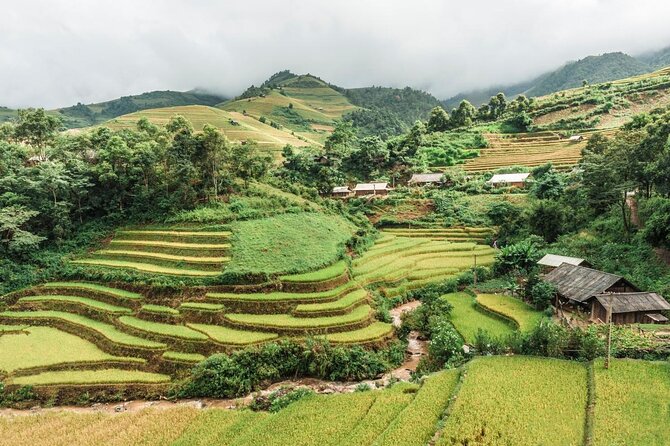
Sapa can be touristy at the edges, but a two-day trek is where it starts to feel honest. You’re walking through valleys and terraced fields, spending time in small villages rather than only at viewpoints from a bus window. That’s the core value here: you get enough time on foot to notice the rhythm of the landscape.
The route also mixes classic Sapa sights with practical village stops. You’ll pass through Muong Hoa Valley and villages such as Shin Chai and Ta Van, and finish with Cat Cat village. It’s structured, but not so rigid that it feels like a factory tour.
You can also read our reviews of more hiking tours in Hanoi

The group size, guide style, and why Nam and Ai matter
One of the strongest positives is personal attention. With a group capped at 15, it’s easier to move at a pace that works for your group, ask questions, and actually hear explanations instead of shouting over wind and traffic.
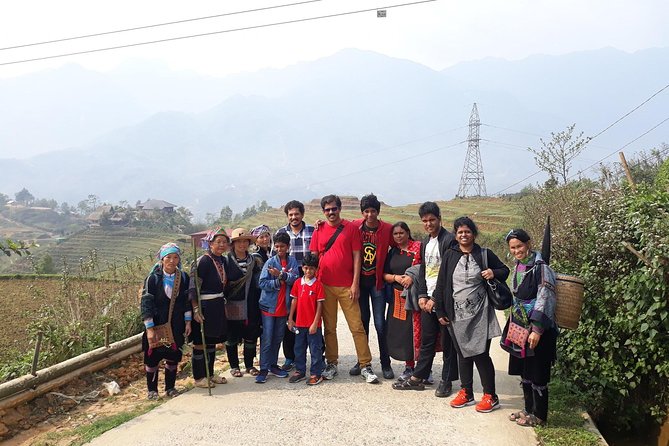
The guide connection is a big deal on this route. You’ll have an English-speaking tour guide, and you’ll also spend time with local village contacts, including names like Nam and Ai, who are described as patient and professional. Translation help and local context are not “extra,” they change how you interpret what you see, especially in village settings.
That said, don’t expect a constant, step-by-step narration every minute. The experience has “guide handoffs” built into it, where you might walk with the trekking guide and then shift into village-specific guidance.
Day 1 route: Muong Hoa Valley and the Shin Chai terraces
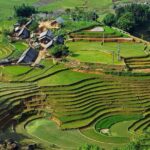
Day 1 starts with Muong Hoa Valley, then moves into the terraced rice area near Shin Chai village. This is where Sapa’s famous pattern shows up: layered fields, steep slopes, and the sense that people have carved work into the hills for generations. The tour includes time here for visits and photos, with admission tickets included for the listed stops.
From there, you continue toward Ta Van village. This is a good change of pace after the big scenic fields, since village time tends to slow things down. You’ll also have a photo stop connected to Fansipan, with a “nice place” for picture-taking.
Day 1 also includes several weather-dependent viewing moments. On a clear day, you might catch waterfall scenes and see Tram Ton pass. Some other stops are optional or visibility-based, like extra views of Fansipan from certain angles, or seeing a cable car station from Muong Hoa Valley. If skies cooperate, you get more of the “wow” moments.
Practical note: because these sights are weather-dependent, I’d pack for rain even if the forecast looks okay. This is the kind of route where one slippery section can make the whole day feel harder.
Day 1 extra details that affect your comfort
A couple of itinerary choices are worth understanding so you’re not surprised.
First, you pass by Ta Phin village without a visit. That means you may see signs of village life, but the schedule does not include time for that specific stop. If you’re hoping to add extra village time, you’ll need to choose upgrades or ask for adjustments where possible.
Second, there are mentions of waterfalls, mountains, and passes only if conditions are clear. That’s not a dealbreaker, but it does mean you should mentally plan for flexibility. A good day on the trail can still be a great day even without perfect visibility.
Finally, the stop list includes “passing” and “see on a clear and sunny day” style wording. Those phrases usually translate to “we’ll try,” not “guaranteed.” Your best move is to bring a light layer you don’t mind getting damp, plus shoes that handle wet ground.
Day 1 photos and Fansipan views, without the pressure of summiting
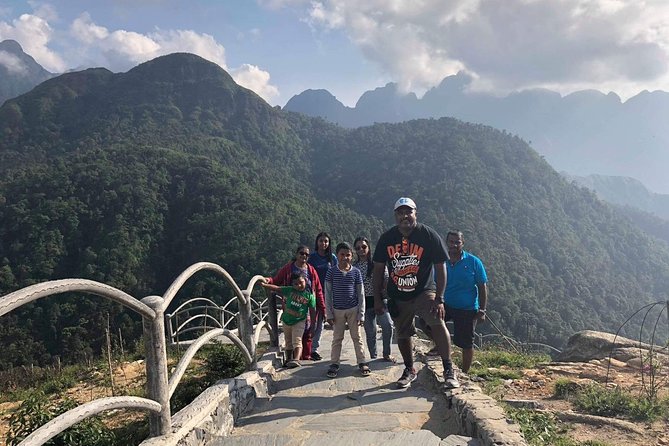
Fansipan is everywhere in Sapa, but this tour doesn’t require you to do a full summit-style challenge. You get at least one dedicated Fansipan photo stop on Day 1, plus later viewpoint time on Day 2 for more great views.
There’s also mention that Fansipan tickets are not included and the tour shows you where to buy them. If you’re the type who wants to add cable car time or a ticketed attraction, plan extra money and time. If you’re not, you can still get strong mountain context just from the viewing points.
If you care about the “big mountain” payoff, aim for good weather slots on the photo stops. And if clouds roll in, you’ll still be outdoors in rice country, which is the main draw of this trip.
More Hanoi tours and experiences for the shortlist
- Doris Cruise 5 star cruise 2 days visiting Halong Bay Lan Ha Bay private balcony
★ 5.0 · 2,338 reviews





Day 2: Cat Cat village and a second chance at Fansipan views
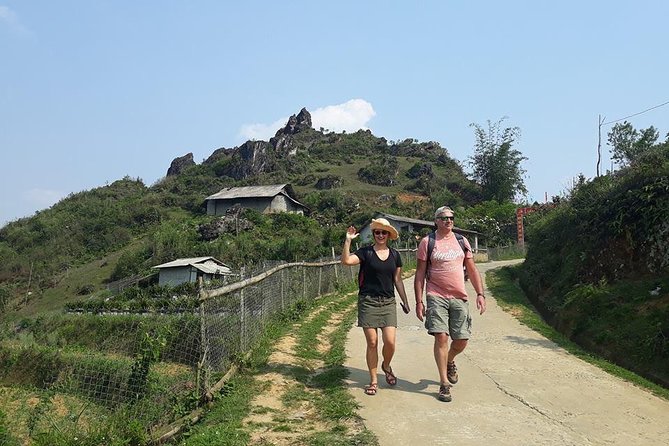
Day 2 starts in Cat Cat village, with about an hour scheduled there. Cat Cat is a classic Sapa village stop, and the benefit of starting early is that you often get better light and fewer day-trip crowds (assuming the weather is behaving).
After Cat Cat, the itinerary shifts back toward Fansipan views. You get “great views” when conditions allow, so if you had mist the day before, Day 2 is your second shot. This is a good structure because it spreads your best-view risk across two days instead of putting everything on Day 1.
Even if you don’t see perfect clarity, you’ll have the second day’s walking and village time to enjoy. A two-day trek works best when you treat scenery as a bonus, not a performance review.
Hotel in Sapa plus the meals: how that changes the value
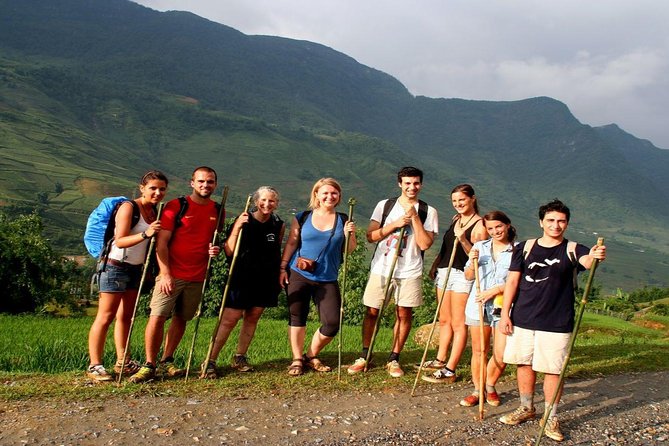
This tour includes one night in a 3-star or 4-star hotel in Sapa Town, plus meals throughout. You’ll get two breakfasts, two lunches, and two dinners across the two days. Vegetarian food is available on request, which matters if you avoid certain ingredients.
This is one of the biggest value drivers in the price. Trekking tours that skip lodging and meals often cost you more once you factor in dinner spots, bottled water, and last-minute snacks. Here, you’re paying for a packaged experience that covers the essentials.
Also, staying in Sapa town means you get a real reset at the end of Day 1. You’re not trying to “power through” with only short breaks and questionable food options.
Getting there from Hanoi: night train versus other transfer styles
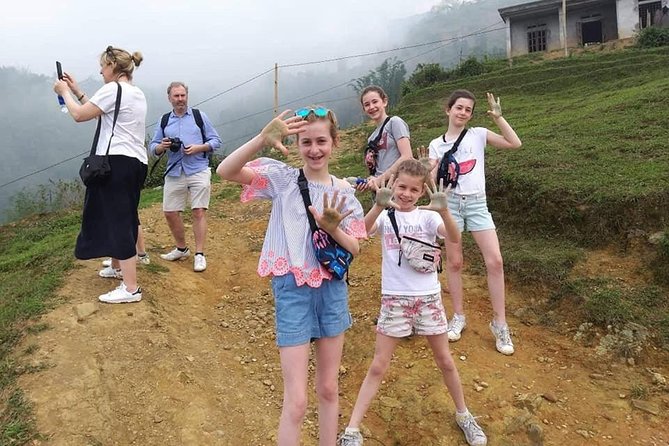
The tour is set up around Hanoi options. You can join in Sapa, or add door-to-door round-trip transfers from Hanoi by overnight train. The listed start time is 8:00 pm, which fits the night-train style rhythm.
If you book the train option, you get help getting from Hanoi into the travel flow, including a pickup from Hanoi to the station via private transfer. From there, the tour describes transfers between train station and Sapa hotel by vehicle, using air-conditioned transport, and return by bus (not private car).
Two key cautions here:
1) Return train tickets are not included. You’ll need to buy those separately depending on your selected option.
2) Transfer details vary by option, and the notes list different combinations for station pickups and hotel returns, sometimes by private car and sometimes by bus.
If you’re sensitive to timing, I’d confirm your exact pickup point and transfer mode before departure. One stressed moment can turn an otherwise great trekking day into a headache.
Price and value: what $89 really covers
At $89 per person for about two days, the value is strongest when you care about having meals and hotel handled. The tour isn’t just “walk and good luck.” It includes the essentials: guide support, A/C transportation, a Sapa hotel night, and planned meals.
Compared to DIY trekking, you also pay for route structure. Getting the logistics right in Sapa is part of the challenge. Having a set schedule with village stops, transport between areas, and meals ready can be worth the cost, especially if it’s your first time in northern Vietnam.
Is it the cheapest option? Maybe not. But if you compare against the real costs of lodging plus guided transfers plus meals, the price starts to make sense. The group size cap also helps justify the price because it limits crowding.
How much walking, and who this trek suits best
The tour is designed for most travelers to participate, which suggests it’s not a “mountain expedition” style challenge. Still, it’s a two-day trekking route through valleys and terraces, so you should expect real walking time, uneven ground, and changes in weather.
If you want:
- a guided route with village access
- rice terrace scenery without planning a full itinerary
- a relaxed start from Hanoi with optional night-train transfers
…this fits well.
If you hate being outside in the cold or wet, or you want total certainty on panoramas, you might find it stressful. The weather-dependent views can make the day feel more variable than you expect.
A practical packing list for this specific route
Because your highlights include rice terraces, village walking, and clear-day photo stops, pack for movement, not comfort theater.
Bring:
- waterproof outer layer (rain jacket or poncho)
- water-resistant trekking shoes or shoes with grip
- a light daypack for snacks and a small first-aid item
- a warm layer for evenings in Sapa town
- a small towel or wipes for dusty or muddy sections
If you’re considering Fansipan tickets, pack extra budget and keep your phone charged for photo moments.
When the schedule feels tight, and how to handle it
This tour includes multiple short stops, several photo moments, and village visits. That can feel efficient, but it can also mean some downtime or transitions between places.
If you want less downtime, your best move is to ask your guide early how they want to manage pacing and where you should focus on photos. If you want more structure, ask for extra context at each village stop, not just at the bigger scenery points.
And if you’re doing the night-train option, protect your morning energy. Start hydrated, because Day 1 sets the tone fast with valley and terraces right away.
Should you book this Sapa trek?
I’d book this if you want a guided, small-group way to see Sapa’s rice terraces and villages over two days, with hotel and meals included so you can focus on walking and photos. The names Nam and Ai being associated with patient, professional guidance is a strong signal that the human side of the trip matters here.
I’d hesitate if you need guaranteed clear skies for the view-heavy parts like waterfall scenes and Tram Ton pass. The itinerary is written around “if clear day” moments, so you should treat weather as an active participant, not a background detail.
If you’re coming from Hanoi, I’d also double-check pickup times and station transfers. This kind of night-train trip can be smooth when everything lines up, but it’s worth being proactive so you don’t lose time hunting for your group.
FAQ
How long is the Sapa trek?
The experience runs for about 2 days, with Day 1 and Day 2 trekking plus one overnight stay in Sapa.
What’s included in the price?
The tour includes the group trekking experience, an English speaking tour guide, air-conditioned transportation, 1 night in a 3-star or 4-star hotel in Sapa Town, and meals listed in the itinerary (2 breakfasts, 2 lunches, 2 dinners). Vegetarian food is available on request.
Are train tickets from Hanoi included?
Return train tickets (Hanoi to Lao Cai station and back to Hanoi) are not included. Train transfers may be offered depending on the option you choose.
Do I need to buy Fansipan tickets?
Fansipan tickets are not included. The tour includes a stop where they show you the station to buy tickets.
How many people are in the group?
The maximum group size is 15 travelers.
What happens if weather is poor?
This experience requires good weather. If it’s canceled due to poor weather, you’ll be offered a different date or a full refund.
More 2-Day Experiences in Hanoi
- Doris Cruise 5 star cruise 2 days visiting Halong Bay Lan Ha Bay private balcony
★ 5.0 · 2,338 reviews
More Hiking & Trekking Tours in Hanoi

More Tour Reviews in Hanoi



Not for you? Here's more nearby things to do in Hanoi we have reviewed









More Hanoi City Tours to consider.
 ★ 5.0Hanoi Jeep Tour: Food, Culture and Fun by Vietnam Army JeepTickets from $5515,222 traveller reviews
 ★ 5.0Full-Day Ninh Binh Highlights Tour from HanoiTickets from $797,761 traveller reviews
 ★ 4.7Ha Long Bay Day Cruise – Swimming, Meal, KayakingTickets from $417,415 traveller reviews
 ★ 4.6Water Puppet Show TicketsTickets from $77,029 traveller reviews
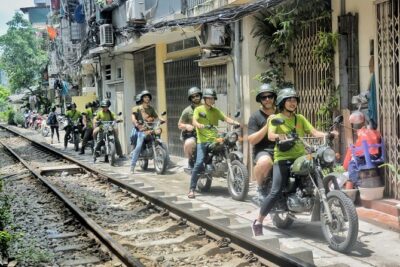 ★ 5.0Hanoi Motorbike Tour: Food, Culture and Fun by Vintage MotorbikeTickets from $556,699 traveller reviews
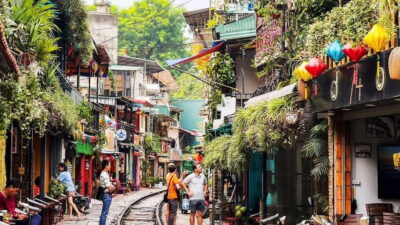 ★ 4.9Guided Food Tour with Train Street VisitTickets from $196,239 traveller reviews
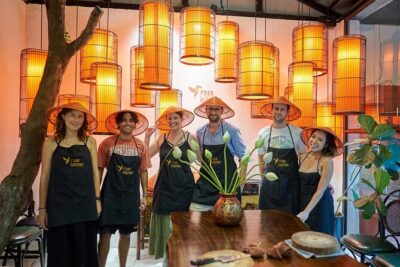 ★ 5.0Hanoi Cooking Class: Culture, Local Market & Meaning CSR ImpactTickets from $395,147 traveller reviews
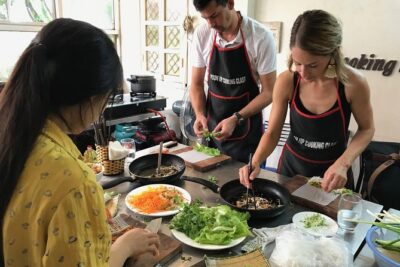 ★ 5.05 Traditional Dishes Hanoi Cooking Class with Market TripTickets from $354,890 traveller reviews
More useful Hanoi routes