
Review · HANOI CITY TOURS
2-Day Trekking Adventure of Sapa from Hanoi with Night Bus
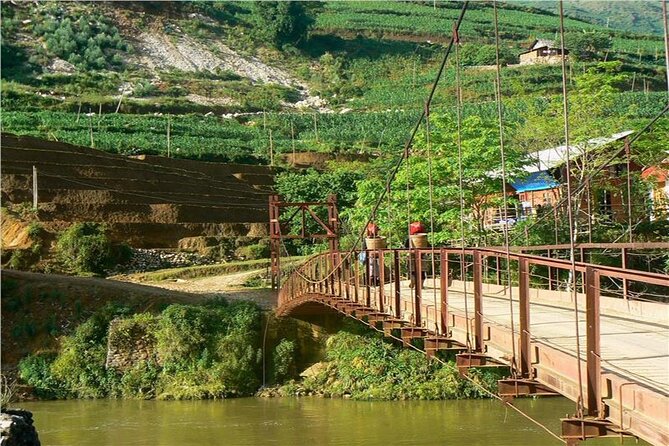
Sapa is stunning, but the town feels overbuilt. This 2-day trek from Hanoi keeps you out on the paths, with a small-group hike (max 10) and an overnight at a bungalow in Ta Van village, home to the Giay minority. I like that you also save a night of accommodation by sleeping on the way up, arriving early enough to start trekking without wasting the whole day.
My other big plus is the human factor. Guides (some past groups have had Cat, Vu, or Mû) tend to explain what you are seeing in plain, practical terms, not just facts for show. One thing to consider is that comfort is good, but not luxury, since at least one group noted mattresses were very firm.
Quick highlights before you commit
- Small group, max 10: more chances to ask questions and actually hear the guide.
- Ta Van bungalow with en-suite toilet: you get a real overnight in the village, not just a quick stop.
- Night sleeper bus from Hanoi: arrive in Sapa around 5:30am and still hike both days.
- Meals are handled for you: 2 breakfasts, 2 lunches, and 1 dinner included, plus water on the bus.
- Guided village trekking around Sapa: paths through rice terraces, stream valleys, bamboo, and multiple ethnic villages.
Sleeper bus from Hanoi Old Quarter, then straight into trekking
You start in the Hanoi Old Quarter area, and timing is designed for efficiency. Pickup from hotels in the Old Quarter is available Monday to Thursday nights at 21:00, but the bus journey itself departs the bus station around 22:00. You reach Sapa at about 5:30am, then you get to rest on the bus until roughly 6:00am.
That early arrival matters more than it sounds. It gives you time to get breakfast and manage your luggage in Sapa Town before the trek really begins. The tour also includes big-pack storage at a hotel in Sapa Town, which is a lifesaver when you want to travel light for the hikes.
A small logistics note: the tour start time is listed as 9:00pm, so expect the day to feel like a night departure. If you are the kind of person who struggles with buses, you might want to pack a neck pillow and earplugs, because you are trading sleep for schedule.
You can also read our reviews of more evening experiences in Hanoi



Day 1: Y Linh Ho, rice terraces, Muong Hoa Stream, and Lao Chai
Day 1 starts with breakfast in Sapa Town around 8:30am after you check in for the morning and get your luggage sorted. Then it is straight into a guided trek of about 12 km over roughly 4 hours. This first hike focuses on scenery and walking routes that follow the terrain toward the classic Sapa valley views.
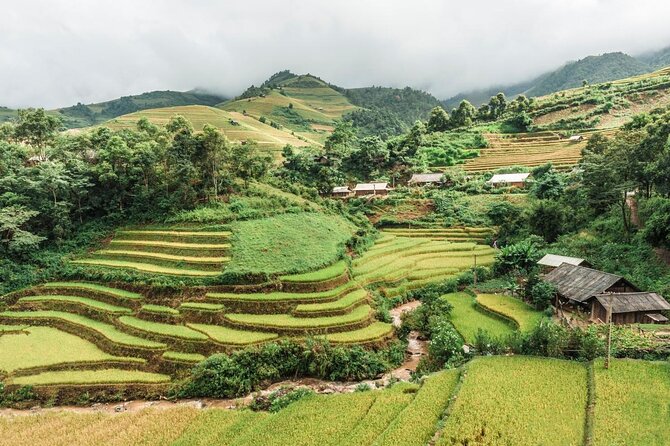
At Y Linh Ho, you take a short drive and then start trekking through rice terraces and along the Muong Hoa Stream. The route is built for the big “look at that” moments, not just getting from point A to point B. You also reach Lao Chai, described here as a Black Hmong village, where the setting makes it easy to understand how these communities live in mountain terrain.
What I like about this segment is that it is a gentle first day in the sense of pacing. It is not just a long slog, it is broken up by viewpoints, walking alongside water, and the natural rhythm of terraced fields.
One drawback to keep in mind: your hike length is about 4 hours, plus transfers and meals. It is manageable for “most travelers,” but you should still bring decent footwear and be ready to move actively on day one.
Ta Van Village: bungalow night with family meals and culture time
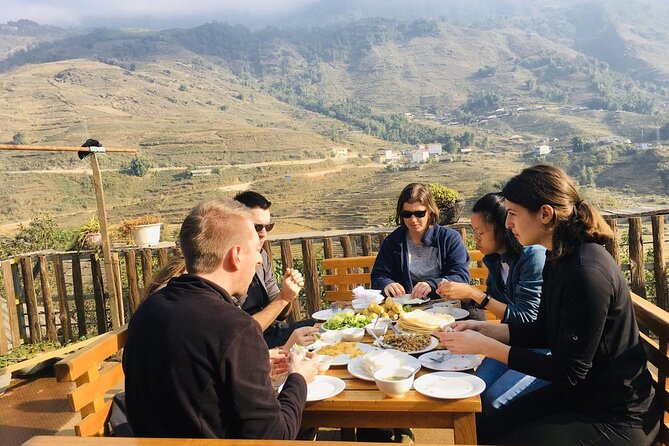
By late afternoon, you move from the terrace valley into Ta Van Village. You get a welcome drink at the bungalow, then lunch is served family-style with Vietnamese dishes made by the household. This is where the tour shifts from “seeing” to “staying,” and that is the main value of this itinerary.
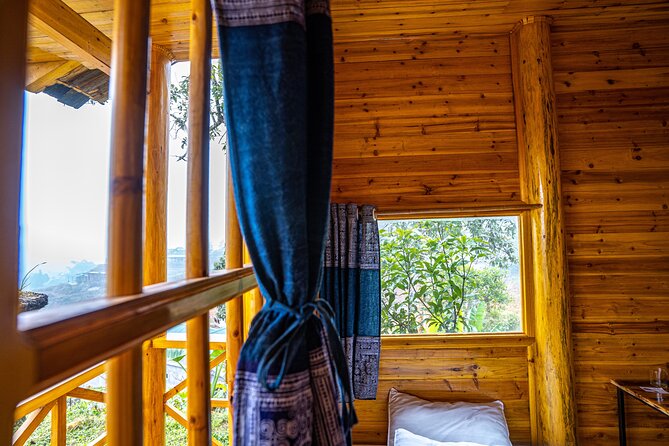
Around 14:30, you check in to the bungalow. The room is listed as having an en-suite setup with a modern self-contained toilet, which is a huge comfort upgrade compared to many village homestays. That detail matters because you are doing two trekking days, and you will appreciate being able to shower and freshen up without a scramble.
Culture time is built into the schedule too. You get to know the Giay community at Ta Van, and the plan includes sunset time in the mountains. If you want to participate, you may join in cooking local dishes with the family, and then you eat dinner in a relaxed setting.
In the evening, there is also an option to join a local bar nearby with music and socialize with the group. I think this is a smart touch, because it gives you something social after a day outside, without forcing you into a formal event. If you prefer quiet, you can skip it and just enjoy the slower village pace.
A practical heads-up based on feedback: one group reported the mattresses were very hard. The bungalow setup is modern enough for comfort, but bedding comfort may not be your biggest comfort win, so set expectations.
Day 2: bamboo forest, photo stops, Giang Ta Chai views
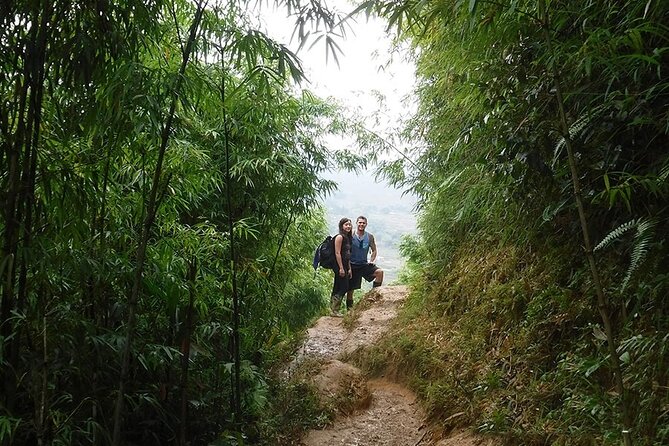
Day 2 begins with breakfast prepared by the family. At 8:45, the trek starts with walking through rice paddies and a photo session built around the surrounding views. You then continue into a bamboo forest, which changes the feel of the hike from open terraces to shaded paths.
This second trek is listed as about 3 km and around 3.5 hours, so it is shorter on paper than day one, but it is still a real walking day. You also reach a panorama view of Giang Ta Chai village, described as home of the red Dzao People. That mix of walking and viewpoint stops is where the trek feels less like a checkbox and more like moving through different micro-environments.
At 11:00, you trek to the Giang Ta Chai Bridge and then head back toward the main road. The bus picks you up and returns you to Sapa Town.
Back to Hanoi: buffer time in Sapa Town, then night bus again
Once back in Sapa Town, you get a window to decompress. The schedule gives you time between 13:00 and 13:45 for relaxation, plus the option to shower in a public bathroom at the hotel. Then you meet the group at the hotel around 13:45 to get ready for the ride back.
The bus leaves Sapa Town at 15:00 with two rest stops, and you arrive Hanoi around 21:00. The tour ends at a meeting point in the Hoan Kiem area at 30 P. Lý Thái Tổ, and you head back to your own hotel after drop-off.
This back half is worth planning for. You are already tired from two days outside, so your best move is to treat the Sapa afternoon as downtime, not sightseeing. Keep your plans flexible, especially if weather is changing.
You can also read our reviews of more hiking tours in Hanoi




Meals, pace, and what the small group actually gives you
This tour lists 5 included meals: breakfast (2), lunch (2), and dinner (1). You also get water bottles on the bus, listed as 2 bottles each way per person. Drinks are not included, so if you want soda, juice, or beer with meals, budget for it separately.
The pace is also shaped by the group size. The max group is 10, which is big enough that you are not alone and small enough that the guide can manage routes and questions. From guide feedback like Cat, Vu, and Mû, what stands out is that the best part is not just where you go, it is the explanation of what you see and how people live in these mountain villages.
Where the tour gives you control is in the practical details: you can store your large pack in Sapa Town, you can shower if you choose, and you have some free time on day two afternoon. That means you are not trapped in constant motion.
Still, be honest about one comfort consideration: there is a note about hard mattresses. If you are very sensitive to bedding, you might want to bring a thin sleeping pad liner or at least plan for a tougher night than you’d get at a city hotel.
Price, value, and how $79 stacks up for this setup
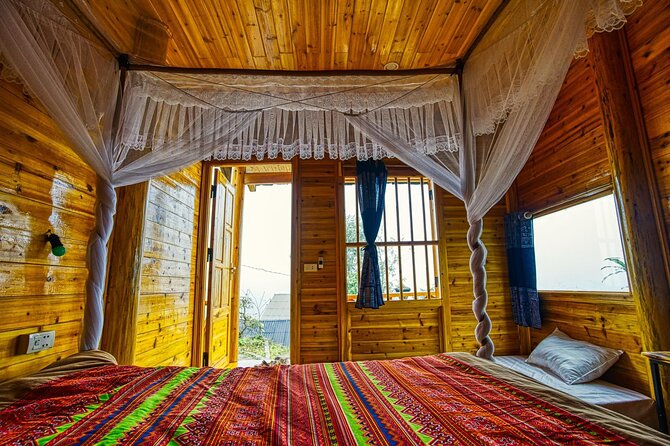
At $79 per person, the price looks low for a two-day package that includes transport, guiding, meals, and one village overnight. What makes it feel like a good deal is the way the tour combines things that are usually separate costs: the sleeper bus Hanoi to Sapa, an overnight at a bungalow with a modern self-contained toilet, and multiple meals.
You also gain time. Instead of spending the first night in Sapa while you acclimate and organize hiking, you ride overnight, arrive early, and start the trek in the same trip window. If you have ever paid for one-way bus tickets plus a separate Sapa night, you already know how fast costs add up.
Could you do it cheaper? Possibly, but doing it cheaper usually means more planning on your side, fewer meals handled, and less route guidance. For a first Sapa trek, or if you want less hassle, this package pricing can make sense.
My practical advice: treat this as a walking and cultural experience with fixed structure. If you want total freedom to choose routes day by day, you might prefer a private arrangement. If you want a guided path with meals and logistics solved, this is a solid value.
Who this Sapa trek suits best
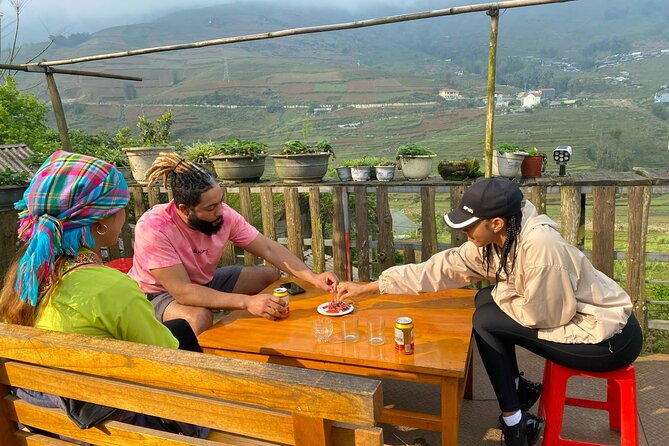
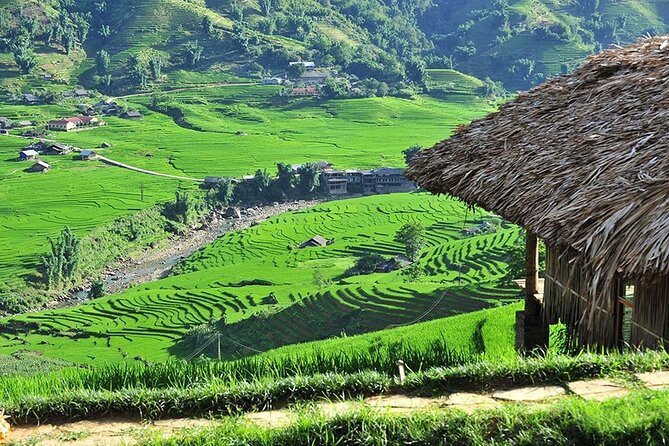
This is a good match if you want a more authentic stay outside the town center, especially in Ta Van. The itinerary is built around rice terraces, village stops, and a bungalow night where you can meet the Giay community and spend time at sunset.
It is also a solid choice if you like small-group travel. You get the benefits of a guide plus space to move as a group of up to 10.
If you have mobility limits, this may still be doable because the tour says most travelers can participate. But you are looking at walking sessions that total meaningful time, including about 12 km on day one and active trekking both days.
Should you book this 2-day Sapa trek from Hanoi?
I would book it if you want a structured, guided Sapa experience that prioritizes village time over town time, and you do not want to wrestle with transport and meals. The sleeper bus is a big value lever, and the Ta Van bungalow night is the core reason the trip feels more grounded than a day tour.
I would hesitate if you are extremely picky about bedding comfort, since at least one group noted mattresses were very hard. Also, be aware that the itinerary requires good weather, so you might be rescheduled or refunded if conditions are bad.
If you like clear plans, guided trekking, and learning how people live in the Sapa hills, this one is easy to recommend.
FAQ
Where do you start and end in Hanoi?
The start meeting point is in the Hanoi Old Quarter area on P. Hàng Ngang, Hàng Đào, Hoàn Kiếm. The end meeting point is at 30 P. Lý Thái Tổ, Hoàn Kiếm.
What time does the tour start?
The start time is listed as 9:00 pm. Pickup from Old Quarter hotels is available Monday to Thursday nights at 21:00, with the sleeper bus departing around 22:00 from the bus station.
How many people are in the group?
The tour has a maximum group size of 10 travelers.
What meals are included?
Meals included are 2 breakfasts, 2 lunches, and 1 dinner.
Where do you stay overnight?
You stay overnight in a bungalow in Ta Van village, and the room is described as having an en-suite setup with a modern self-contained toilet.
What is the trekking schedule and distance?
Day 1 trekking is about 12 km for about 4 hours. Day 2 trekking is about 3 km for about 3.5 hours.
What happens if the weather is poor?
This experience requires good weather. If it is canceled due to poor weather, you will be offered a different date or a full refund.
More Hiking & Trekking Tours in Hanoi
More Evening Experiences in Hanoi


More Tour Reviews in Hanoi





Not for you? Here's more nearby things to do in Hanoi we have reviewed











More Hanoi City Tours to consider.
 ★ 5.0Hanoi Jeep Tour: Food, Culture and Fun by Vietnam Army JeepTickets from $5515,222 traveller reviews
 ★ 5.0Full-Day Ninh Binh Highlights Tour from HanoiTickets from $797,761 traveller reviews
 ★ 4.7Ha Long Bay Day Cruise – Swimming, Meal, KayakingTickets from $417,415 traveller reviews
 ★ 4.6Water Puppet Show TicketsTickets from $77,029 traveller reviews
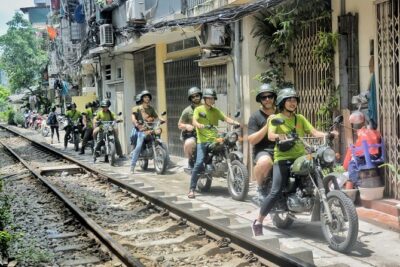 ★ 5.0Hanoi Motorbike Tour: Food, Culture and Fun by Vintage MotorbikeTickets from $556,699 traveller reviews
 ★ 4.9Guided Food Tour with Train Street VisitTickets from $196,239 traveller reviews
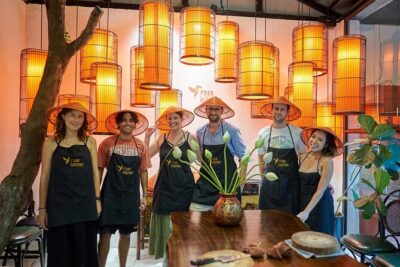 ★ 5.0Hanoi Cooking Class: Culture, Local Market & Meaning CSR ImpactTickets from $395,147 traveller reviews
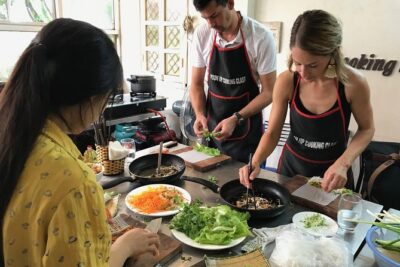 ★ 5.05 Traditional Dishes Hanoi Cooking Class with Market TripTickets from $354,890 traveller reviews
More useful Hanoi routes