
Review · SAPA TREKKING TOURS
Sapa Hmong Family Trekking Adventures
Two days, Hmong home life in Sapa. This family-run trek shines because you get village trails with real views plus meals and conversation with your host family, led by English-speaking guides like Chan and Sung.
The only catch is that it’s built for people with moderate fitness, and the walking is more than a stroll, especially with an uphill day toward a waterfall.
Key highlights that make this Sapa trek worth it
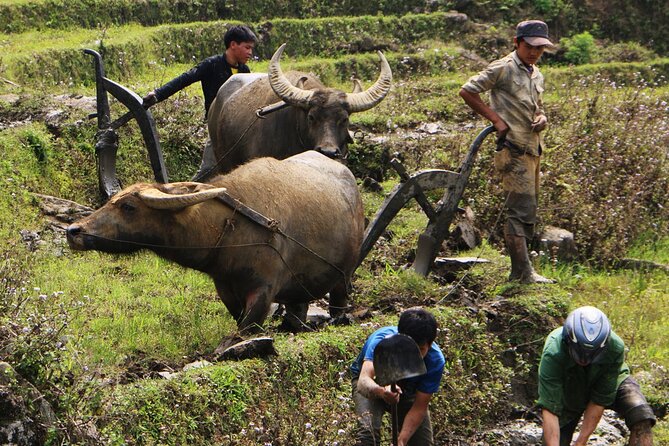
- Family-run guidance with Chan, Sung, and even Chai involved in the day-to-day
- Small group size (max 15), so you get more attention and fewer bottlenecks
- Day 1 valley walk from behind Sapa, passing Cat Cat toward Y Linh Ho
- Day 2 homestay breakfast and a trek uphill to the Giang Ta Chai waterfall area
- Meals are included (breakfast, lunch twice, dinner), with chances to join meal prep
- Pickup is offered, and at least one plan meets you at your hotel at 9:00 AM
Sapa Hmong Family Trekking Adventures, the real reason people say yes
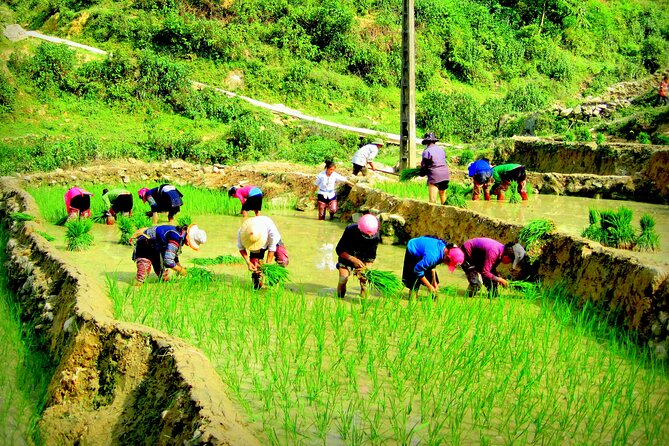
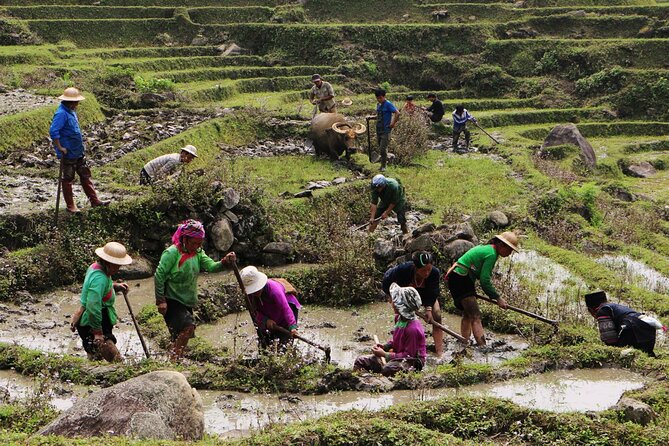
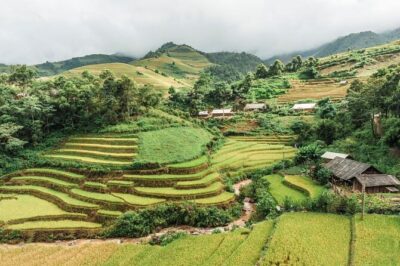
Sapa can be touristy fast. You’ll see patterned skirts, souvenir stops, and the same photo spots over and over. This trek is different because it’s organized around time with a Hmong family and daily life in nearby villages.
What stands out is the way the trip is paced and explained. You walk with guides who don’t just point at scenery. They talk about what you’re seeing, how people live up in the hills, and what matters day to day. In the best cases, you’re not just watching, you’re learning how village life works, from routines to simple conversations.
I also like that this is a small operator. With a maximum of 15 travelers, you’re less likely to feel like a numbered ticket. It changes the mood. You can ask questions. You can pause when someone in your group needs a breather. You can move at a human pace instead of a marching pace.
You can also read our reviews of more hiking tours in Sapa
Price and value: why $59 can actually make sense here
$59 for two days in Sapa sounds low, and I get the hesitation. In Vietnam, “cheap” can sometimes mean fewer services or extra add-ons. Here, the math looks better because meals are included in a meaningful way.
You’re covered for:
- Breakfast
- Lunch (twice)
- Dinner
That’s not just a snack. It’s the difference between trekking on your own budget and trekking with food handled. It also means your schedule is planned around walking, rather than you needing to hunt for meals mid-trek.
What’s not included is transport like a motorbike or van. That’s normal for treks, but it matters for budgeting. If you’re coming from outside Sapa or need a car for the start, you’ll want to factor that in.
Overall: for a guided, family-centered two-day experience with multiple meals, $59 is the kind of price that feels like a bargain, as long as you’re okay with the walking pace and the outdoors.
Pickup, start times, and the simple rhythm of day 1
Most trekking days here start early. You meet your guide at 9:00 AM (often at your hotel), then you’re on the move by about 9:15 AM.
That timing matters. Sapa mornings can be cool and misty. Going early usually means better visibility and less soggy trail fatigue than you’d get later. It also means you’re not fighting crowds, because most “see Sapa” plans feel calmer when the day is still fresh.
Your tour also has a clear “start and end” structure. It begins at the Sapa trekking tour meeting point in Mường Hoa, and it ends back at the meeting point after the second day. If you’re trying to connect this with other Sapa activities, that predictability helps.
One more practical note: the experience uses mobile tickets, so you’ll want your phone charged and easy to access the details during check-in.
Day 1: the valley walk from behind Sapa to Y Linh Ho
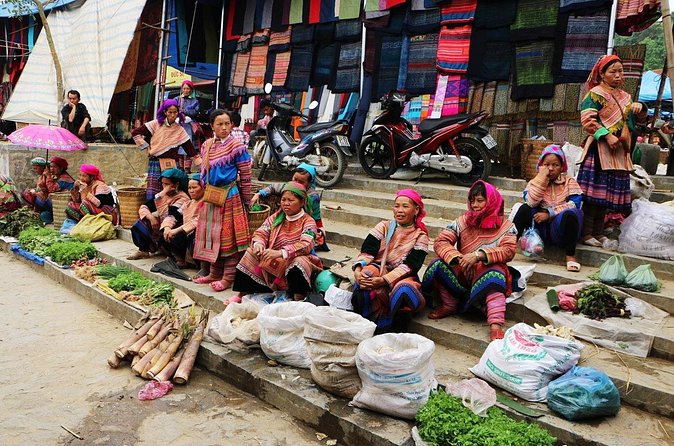
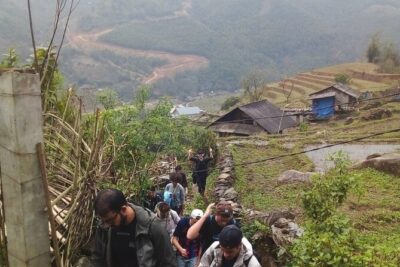
Day 1 is built around an easy walk down the valley behind Sapa. You’ll head out around 9:15 AM and pass through the area of Cat Cat village before continuing toward Y Linh Ho village.
This part is special for two reasons.
First, it’s a gentler entry into the trekking rhythm. A downhill-leaning valley walk helps you settle in. You get time to take photos, catch views, and talk with your guide without feeling like you’re immediately in “serious hike mode.”
Second, passing through the region of Cat Cat and ending up at Y Linh Ho gives you a sense of how these villages connect to the valley. You’re not just walking in one place. You’re moving through living farmland and settlement areas.
A realistic drawback: it’s still outdoors. Even if the walk is described as easy, you’ll likely deal with uneven paths. Bring shoes you trust. If it’s been rainy, expect slippery spots.
You’ll also have the “togetherness” aspect built in. Day 1 runs about 6 hours, so the guide has time to slow down and explain. If you like learning while walking, this is the day to ask questions, including how textiles, farming, and daily routines fit together in Hmong life.
Day 2: homestay breakfast, the uphill push, and Giang Ta Chai waterfall
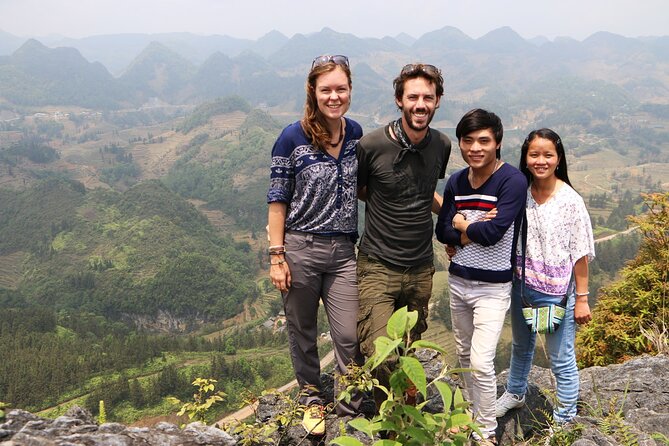
Day 2 starts with food and family time. You have breakfast at the homestay around 9:00 AM, then you get ready for the trek with your host family.
The breakfast moment is more than fueling up. It’s one of the best “small things” that can make a trek feel personal. You’re not arriving late and leaving early. You start the day as part of the household rhythm, which tends to lead to better conversation.
Then around 9:30 AM, you head out toward Giang Ta Chai village, and here the trek shifts from easy valley walking to something more demanding.
The route goes uphill and includes a stop to see the waterfall in Giang Ta Chai. That uphill segment is the main consideration for this day. It’s why the tour asks for moderate physical fitness.
What I’d advise: if you’re doing Day 2, don’t treat it like a casual walk. Bring water, take short breaks, and pace your breathing. The payoff is that waterfall goal, plus the change of scenery as you climb.
Day 2 is about 5 hours, and with the homestay setup, it feels like a complete, rather than rushed, experience.
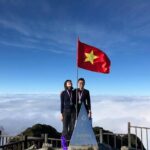
Food, homestay life, and what meals add to the trek
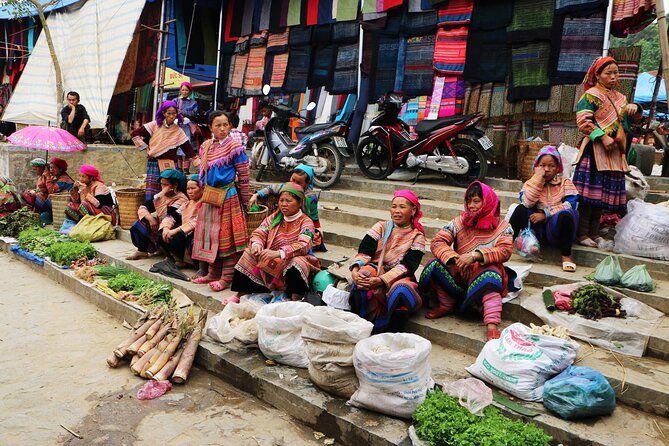
The big value driver here is that the trek isn’t just paid walking time. It’s structured around meals with your group and hosts.
You’ll get:
- Lunch twice
- Dinner included
- Breakfast at the homestay on Day 2
That matters because it reduces friction. No “what do we eat now?” stress during or between hikes. Also, when meals are included, it usually means the day is planned around where you’ll be, instead of you constantly changing plans.
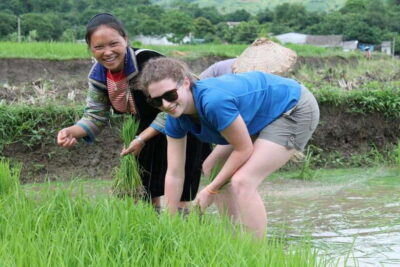
In the best experiences with Chan’s family, meal time can turn hands-on. Some guests have described helping prepare food as part of the fun. You don’t have to treat that as a requirement, but it’s a clue: you’re not being kept at arm’s length. People are willing to share, explain, and let you join in when it fits.
Also, one comfort point from past guests: hosts have been described as welcoming, with stays that feel clean and comfortable. Since your morning is at the homestay, you’ll likely appreciate that comfort after Day 1’s walking.
Guides Chan, Sung, and Chai: how the human touch changes the day
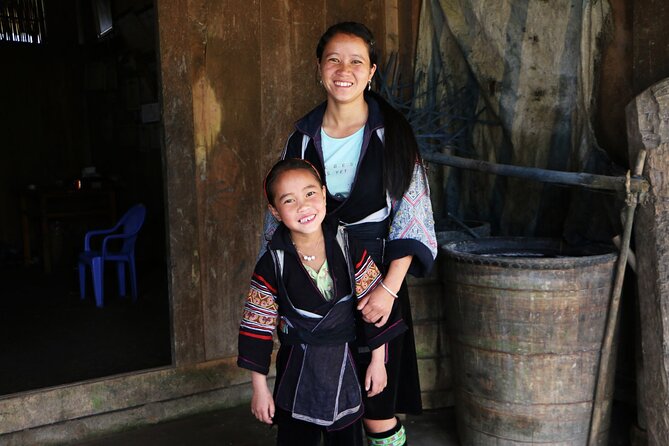
A trek can have great views and still feel mechanical. What you want is a guide who can translate the place into something you can actually understand.
Chan and Sung are repeatedly linked to these outings. Chan has been praised for kindness and a perspective that makes the area feel personal, not staged. Sung is connected with smooth coordination and warm hospitality, including greeting guests when conditions in town are wet and cold.
Chai appears as part of the family network supporting the experience, including a strong sense of care. When a family is involved at multiple levels, it usually means the timing and pacing match how the household expects visitors to move through the day.
What to look for as you go:
- Ask about textiles or crafts if that’s your interest. Some guests have said their guides tailored the experience around what they wanted to learn.
- Expect conversation to be part of the trek, not an afterthought.
- Don’t be shy about asking small questions. The tone here tends to be friendly and informative.
If you want a more personal feel, this is exactly the kind of guiding structure that supports it.
Group size, pacing, and who this trek fits best
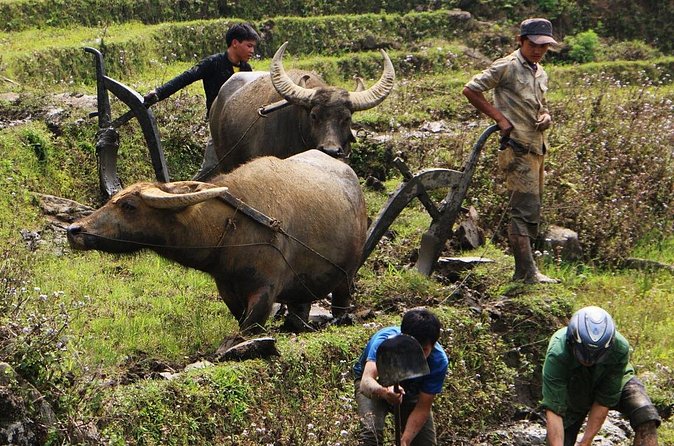
With a maximum of 15 travelers, you can usually expect a calmer experience than bigger tour buses. It helps with timing on narrow paths and keeps the guide from splitting attention too thin.
Pacing is also built into the itinerary. Day 1 is designed as an easier valley walk. Day 2 includes an uphill hike with a waterfall goal. That means you don’t need to be a trail athlete, but you do need to be willing to walk for several hours and handle slopes.
This trek is a strong match if you:
- Want a family-centered Sapa visit, not just viewpoints
- Like guided conversation and cultural context while you hike
- Prefer smaller groups
- Are comfortable walking several hours on uneven ground
It’s not the best choice if you’re looking for a low-effort, fully paved experience.
Weather and what to pack so Day 2 doesn’t ruin your mood
Sapa weather can change fast. In particular, guests have described Sapa town as cold, misty, and wet. That’s normal up here, and it directly affects trails.
You should pack for wet conditions even if the forecast seems fine.
- Wear shoes with decent grip
- Bring a light rain layer
- Have a plan for cold mornings (a warm layer helps before you get moving)
- Keep essentials dry in a small bag
Also, the experience depends on good weather. If conditions are poor, you should expect the operator may adjust dates. That’s not a bad thing. It usually protects the trekking safety and helps ensure the waterfall stop is realistic.
Should you book Sapa Hmong Family Trekking Adventures?
If you want the short answer: I think you should book if your ideal Sapa day includes walking with an English-speaking guide and spending real time with a Hmong family through food and conversation.
Book this trek if:
- You’re okay with moderate walking and an uphill day
- You care more about people and daily life than checking boxes
- You like smaller group energy, max 15 travelers
Skip it if:
- You want a fully comfortable, minimal-effort hike
- You dislike wet, misty mountain conditions and won’t bring proper gear
One practical decision tip: since meals are included, focus your budgeting on clothing and transport you might need to reach the meeting point. If you’re ready for that and you’re open to learning from the hosts, this trek is the kind of Sapa experience that tends to stick.
FAQ
What is the duration of the trek?
The experience is approximately 2 days.
What does the tour include for meals?
It includes breakfast, dinner, and lunch (twice).
Does the tour include transport like a van or motorbike?
No. Motorbike or van transport is not included.
Where do I meet the guide?
The meeting point is Sa Pa trekking tour (8RPR+4QH, Mường Hoa, TT. Sa Pa, Sa Pa, Lào Cai, Vietnam). The tour also ends back at the meeting point.
How fit do I need to be?
You should have moderate physical fitness level. The trek includes an easier valley walk on Day 1 and an uphill trek on Day 2.
What happens if weather is bad or I cancel?
The experience requires good weather. If it’s canceled due to poor weather, you’ll be offered a different date or a full refund. Free cancellation is available up to 24 hours in advance for a full refund.
More Hiking & Trekking Tours in Sapa
More Tour Reviews in Sapa
Not for you? Here's more nearby things to do in Sapa we have reviewed


More Sapa Trekking Tours to consider.
 ★ 5.0Sapa 2 Days 1 Night From Hanoi – Overnight in Ta Van VillageTickets from $592,669 traveller reviews
 ★ 5.0Hanoi – Sapa 2 Days 1 Night Overnight At HomestayTickets from $89899 traveller reviews
 ★ 4.6Sa Pa: Muong Hoa Valley Trek and Local Ethnic VillagesTickets from $23864 traveller reviews
 ★ 5.0Sapa: Fansipan Cable, Cat Cat Village & Moana Instagram TourTickets from $30777 traveller reviews
 ★ 4.8From Hanoi: 2-Day Sapa Trekking Trip with Homestay & MealsTickets from $71704 traveller reviews
 ★ 5.0Sapa 3 Days 2 Nights Trekking Tour (1 Night In Ta Van Village, 1 Night In Hotel)Tickets from $139699 traveller reviews
 ★ 4.9Sapa: Eco Adventure Terrace Fields and Local Villages TrekTickets from $27636 traveller reviews
 ★ 5.03-Day Trekking Adventure of Sapa from Hanoi – Stay Ta Van VillageTickets from $109611 traveller reviews
More useful Hanoi routes