
Review · SAPA TREKKING TOURS
Highland Harmony Trek in Sapa
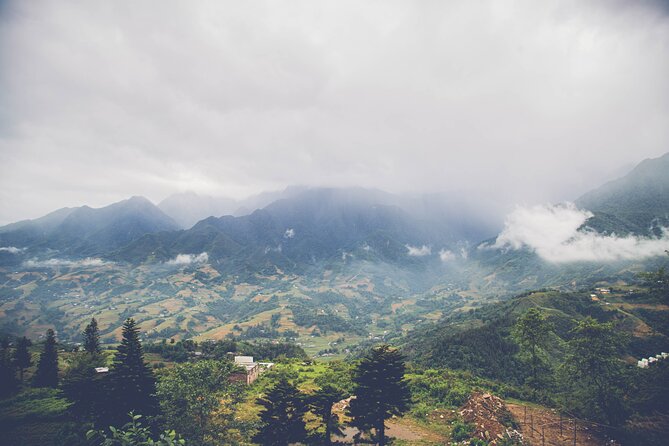
A quiet valley, then a village day. This Highland Harmony Trek stitches together Muong Hoa Valley views and a lunch in a Black H’mong home with real conversations, not staged stops. I like how the route stays relaxed and readable, with gentle walking plus lots of changing sights as you move between terraced hills, river paths, and village lanes. One thing to consider: it asks for moderate physical fitness, and weather matters, because you are outside for most of the day.
The best part for me is the feeling that the valley is still used for daily life, not just sightseeing. You start above the terraces, follow paths through Black H’mong communities like Y Linh Ho and Lao Chai, then finish in Ta Van with Giay stilt houses. If you want a big production, this is not that kind of day. If you want quiet, people-to-people culture, you’ll get it.
Key takeaways before you go
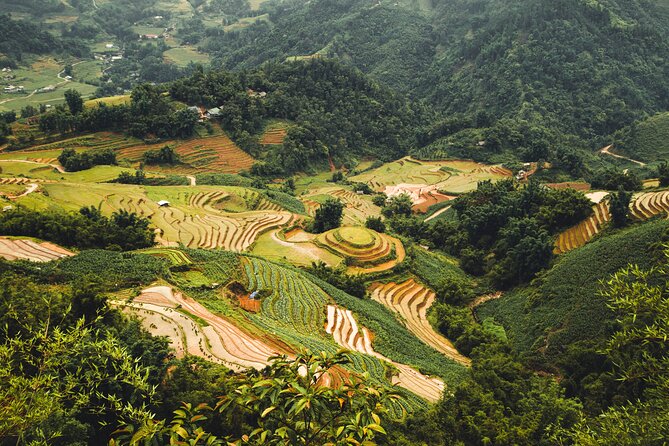
- Muong Hoa Valley first light views: A calm start with stone paths and terraced hills before the village segments.
- Small group feel (max 10): More time to ask questions and hear explanations from your local guide.
- Real home lunch in Lao Chai: You eat with H’mong hospitality, not a restaurant stop.
- Village-to-village pacing: Y Linh Ho to Lao Chai to Ta Van without that rushed, repeat-heavy feeling.
- Culture you can point to: Indigo-blue dyeing and farming details come up as you walk and talk.
- Gentle trail, clear wayfinding: Many people find it easy to follow, with dirt paths and forest or river sections.
The day’s route, from Muong Hoa Valley down to Ta Van
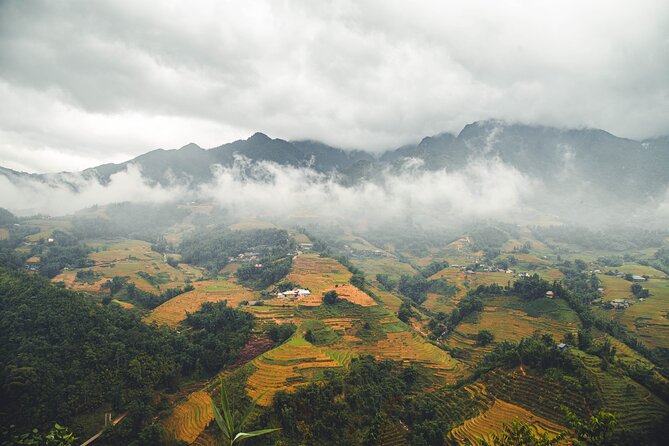
This trek is built as a full-day journey, typically 6 to 9 hours, starting 8:30 am at Green Sapa Homestay. The shape of the day matters: you begin with a descent into Muong Hoa Valley, then gradually work your way through key villages, and finally end in Ta Van before the vehicle brings you back to the same meeting point.
What you’re really buying is time in the valley. You are not just reaching viewpoints and moving on. You walk sections that feel connected to how people live there, with terraces around you, paths underfoot, and villages that have daily rhythms.
You’ll also notice the trekking style is practical. The route is designed to be moderate rather than extreme, and there’s enough guidance that you’re not left guessing. That makes a big difference if you’re new to hiking in Sapa.
You can also read our reviews of more hiking tours in Sapa
Stop-by-stop: what each village segment feels like
Muong Hoa Valley: terraced hills and quiet village lanes
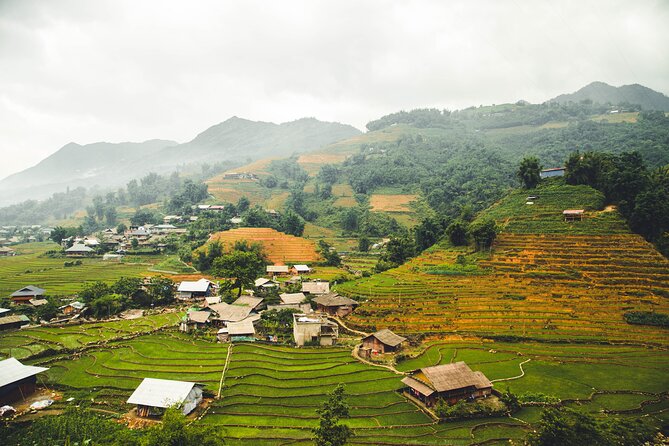
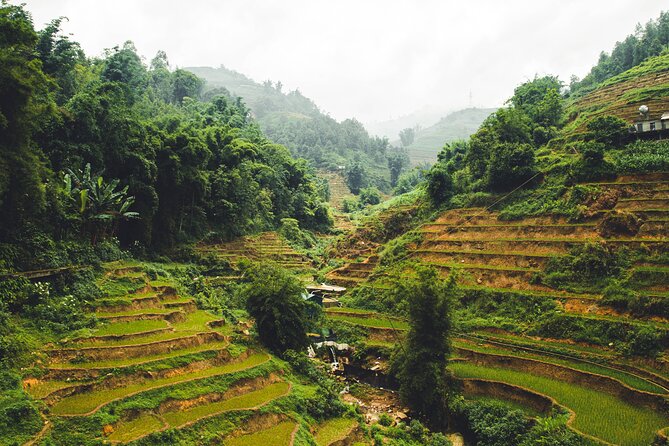
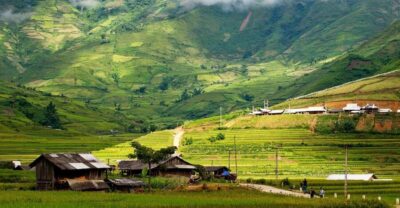
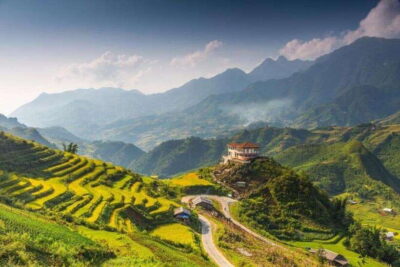
Your day begins in Muong Hoa Valley, where the walking follows stone paths through steep terraced hills. This is the moment to slow down. The views can feel wide and layered, and the valley atmosphere is often calm in the morning.
You’ll pass quieter Black H’mong areas along the way, which sets the tone for the rest of the trek. Even before the main village stops, you’re already learning what the terraced countryside looks like from ground level, not from a single photo angle.
Possible drawback here: if you’re expecting flat walking, you’re not getting that. It’s gentle, but you are moving through hilly terrain.
Y Linh Ho: a small Black H’mong village with steep-path views
Next comes Y Linh Ho, a small Black H’mong village tucked into the hills above Muong Hoa Valley. This segment is where narrow paths start to matter. You follow dirt tracks with views dropping off toward terraces below, and the walk is about feeling the slope rather than racing through it.
This stop is also where authentic encounters tend to happen early, so you’re not “warming up” later. You’re already in conversation mode, learning from daily life instead of looking at it from behind a fence.
If you prefer very low-effort walking, keep in mind that steep rice-terrace terrain can be slippery after rain. Good shoes matter here, even if the trek is described as easy to follow.
Lao Chai: bigger village energy, sweeping terrace views, lunch
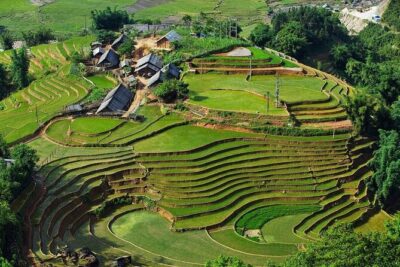
Lao Chai is larger, still Black H’mong, and it sits in the heart of Muong Hoa Valley. As you arrive, you get sweeping views across layered rice terraces and a stronger sense of village bustle, like you’re stepping into the community’s main rhythm of the day.
This is also where lunch happens. You’ll enjoy a locally prepared meal in the village, often described as delicious, with the warmth of H’mong hospitality. I love this part because it turns the walk into a full experience. You’re not just passing through, you’re pausing inside someone’s daily space.
One cultural detail that often comes up here is indigo-blue dyeing. Your local guide may explain the dyeing process and traditions related to clothing and daily work, which adds meaning to the colors you see on people walking past.



Ta Van: Giay stilt houses, valley floor calm
The final village stop is Ta Van, home to the Giay ethnic group. The vibe changes here in a good way. Ta Van often feels more tranquil, with stilt houses lined along the valley floor and lush fields stretching around you.
This is the part of the day where you can let your mind absorb what you’ve walked through. After terrace viewpoints and village paths, you arrive at a place that feels grounded, almost like the valley is exhaling.
Then the vehicle picks you up and you head back to Sapa, ending at the meeting point.
What the “moderate” pace really means for you
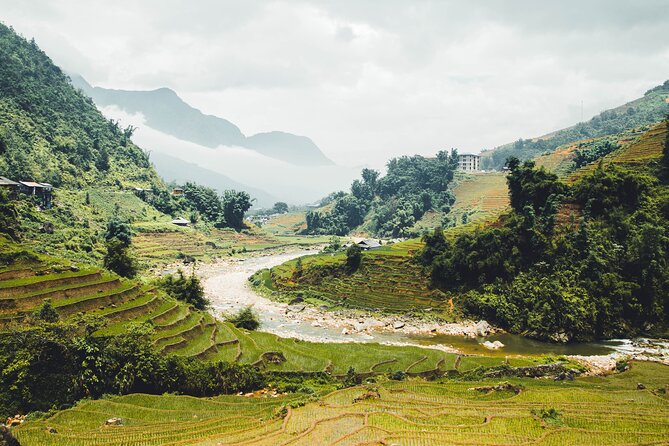
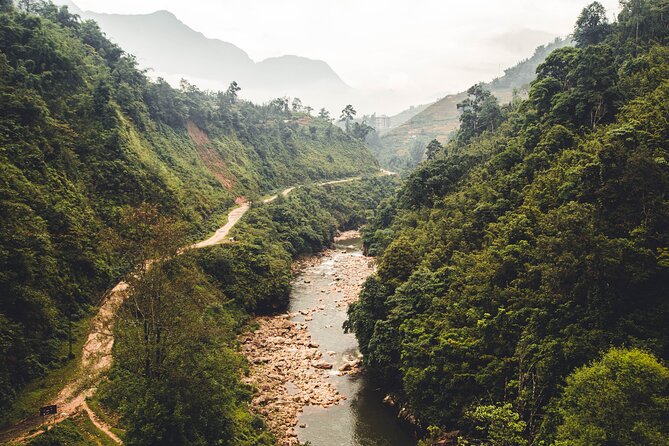
On paper, this trek is for people with moderate physical fitness. In real terms, that usually means you’re walking for hours on uneven ground: dirt paths, stone sections, possible forest trails, and river or riverside walking. It’s not a technical hike, but it does ask that you can handle sustained walking.
The good news: the route is designed to be easy to follow. Multiple people note the trail doesn’t feel confusing, which is huge in Sapa where trails can look similar from above.
My practical tip: treat this like a steady walking day, not a sightseeing sprint. You’ll enjoy it more if you pause for views and conversation instead of trying to “finish the miles.”
The culture piece, and how it stays real
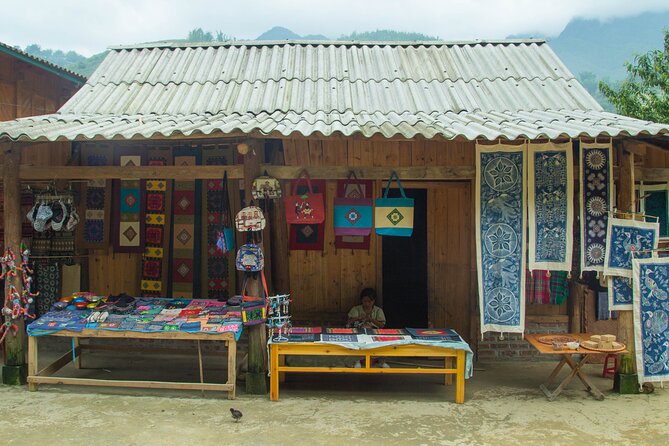
The biggest reason this trek gets a near-perfect recommendation rate is how it balances scenery with culture. The village interactions are described as authentic, with encounters inside home environments rather than tourist showcases.
Here’s what that means for you on the ground:
- You’re hearing stories about H’mong and Giay daily life, clothing traditions, and farming practices.
- Your guide shares explanations in a way that turns a route into context, so the valley looks different after you understand how it’s used.
- Lunch isn’t just food, it’s part of the cultural exchange, with a warm welcome that makes the pause feel natural.
One recurring highlight from the day is how much a guide’s stories add to the walking. When you hear about traditions like indigo-blue dyeing, you start noticing details you would otherwise skip. Even if you’re not a “culture museum” person, you end up learning something practical and memorable.
Food in Lao Chai: why that lunch is a highlight
The lunch stop in Lao Chai is a core part of the value. It’s locally prepared, eaten in a village home setting, and repeatedly described as delicious. That’s not just about taste. It’s about pacing and connection.
A good trek lunch does two things:
1) It refuels you for the later walking segments.
2) It keeps you in the community setting, instead of snapping you back into a restaurant routine.
If you’re deciding between multiple Sapa treks, this lunch detail matters. A low-cost trek that charges extra for food can feel like a half-day in disguise. Here, the meal is part of the experience rhythm.
Price and value for $29 in Sapa
At $29 per person, the big question is what you get for that price, and the answer is: you get a guided, village-to-village trek with a meaningful meal. You’re not paying just for walking scenery, you’re paying for structure, wayfinding, local storytelling, and access to village lunch.
A few value points that affect your day:
- Small group cap (max 10): more personal attention, less crowd noise.
- Pick up and return to Sapa: less hassle, especially if you want to stay near Green Sapa Homestay.
- Mobile ticket: simpler day-of process.
- Time in multiple village areas: it’s not one village and back.
You should also consider the tradeoff: you’ll be outside most of the day, and you’re dependent on good weather. If you come on a rainy or foggy day, plans can change, which affects value in a practical way.
Who should book this trek
This trek fits best if you want an experience that’s calm, people-centered, and not overly strenuous. It’s ideal for:
- Anyone who likes village walks and learning from local guides
- Hikers who want moderate terrain and clear trail guidance
- People who value a real meal and genuine interactions, not quick photo stops
- First-timers to Sapa trekking who want a day that feels manageable
It may feel less ideal if you’re chasing a hardcore workout or want mostly dramatic “look at that” viewpoints with minimal village time.
Also, service animals are allowed, and the meeting point is near public transportation, which can make planning easier.
Quick practical tips so your day goes smoothly
- Wear shoes you trust on dirt paths and possible slick sections. The trail can be easy to follow and still uneven.
- Bring layers. Sapa weather can shift during a long outdoor day, even if the trek is “gentle.”
- Ask your guide about indigo-blue dyeing and what daily farming looks like. The more you ask, the more the route makes sense.
- If you’re sensitive to steep uphill or downhill walking, pace yourself early during the Muong Hoa Valley and Y Linh Ho segments.
Should you book the Highland Harmony Trek in Sapa?
I’d book this if you want the best of Sapa in one day, without turning it into a checklist. The combination of Muong Hoa Valley views, authentic village time, and a home-style lunch in Lao Chai is hard to beat for the price.
If you’re mainly hunting for the fastest possible sightseeing loop, you might prefer something shorter or more viewpoint-heavy. But if you care about understanding what you’re seeing, this trek has the right balance of walking, conversation, and calm.
If weather is in the forecast for decent conditions, go for it. It’s the kind of day where you’ll remember both the scenery and the stories that came with it.
FAQ
What is the duration of the Highland Harmony Trek in Sapa?
The trek runs about 6 to 9 hours.
How much does the trek cost?
The price is $29.00 per person.
Where do I meet, and what time does the trek start?
You start at Green Sapa Homestay (3-1 Nguyễn Chí Thanh, TT. Sa Pa, Sa Pa, Lào Cai 31752, Vietnam) and the start time is 8:30 am.
Is there a group size limit?
Yes. The experience has a maximum of 10 travelers.
What fitness level do I need?
You should have a moderate physical fitness level, since you will be walking for several hours on outdoor paths.
Is lunch included?
The experience includes a locally prepared lunch in Lao Chai.
What happens if the weather is poor?
This trek requires good weather. If it’s canceled due to poor weather, you’ll be offered a different date or a full refund.
More Hiking & Trekking Tours in Sapa

More Tour Reviews in Sapa
Not for you? Here's more nearby things to do in Sapa we have reviewed





More Sapa Trekking Tours to consider.
 ★ 5.0Sapa 2 Days 1 Night From Hanoi – Overnight in Ta Van VillageTickets from $592,669 traveller reviews
 ★ 5.0Hanoi – Sapa 2 Days 1 Night Overnight At HomestayTickets from $89899 traveller reviews
 ★ 4.6Sa Pa: Muong Hoa Valley Trek and Local Ethnic VillagesTickets from $23864 traveller reviews
 ★ 5.0Sapa: Fansipan Cable, Cat Cat Village & Moana Instagram TourTickets from $30777 traveller reviews
 ★ 4.8From Hanoi: 2-Day Sapa Trekking Trip with Homestay & MealsTickets from $71704 traveller reviews
 ★ 5.0Sapa 3 Days 2 Nights Trekking Tour (1 Night In Ta Van Village, 1 Night In Hotel)Tickets from $139699 traveller reviews
 ★ 4.9Sapa: Eco Adventure Terrace Fields and Local Villages TrekTickets from $27636 traveller reviews
 ★ 5.03-Day Trekking Adventure of Sapa from Hanoi – Stay Ta Van VillageTickets from $109611 traveller reviews
More useful Hanoi routes