
Review · SAPA TREKKING TOURS
Craft Tofu in Sa Pa: A Journey into Vietnamese Cuisine
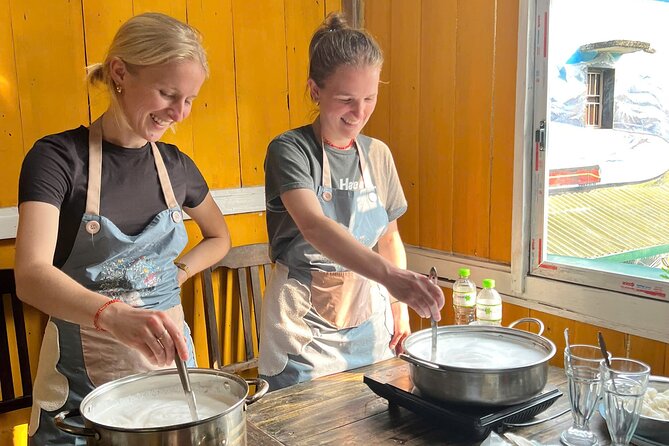
Make tofu in Sapa, then eat it. This hands-on tofu-making course turns humble soybeans into dinner, with an instructor-led lesson that covers sourcing, technique, and Vietnamese food culture. What I like most is the step-by-step teaching, with guides such as Hoang, Sisi, and Duyen guiding small groups through each stage, from soaking and grinding to curdling. The second big plus is the payoff, you end up eating fresh, handmade tofu as part of your meal.
There is one catch: this is a process-heavy class. If you like to rush or you hate getting your hands dirty, you might find the timing a little demanding, since making tofu takes real minutes.
Key things to know before you make tofu
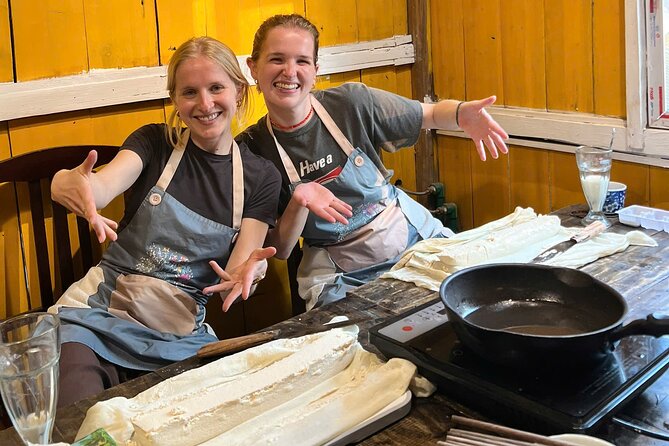
- Small group setting (max 10), so you get time to ask questions and practice
- Hands-on from scratch, including soaking, grinding, cooking, and curdling
- Texture coaching matters, because the right consistency leads to better tofu
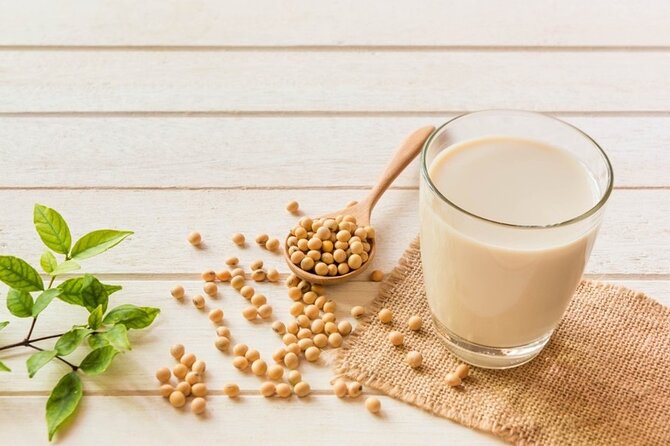
- Dinner is included, typically fried tofu with tomato sauce plus soy milk dessert
- You can usually take spare tofu away for later, so nothing feels wasted
Sa Pa tofu class basics at Saigonese Trekking House
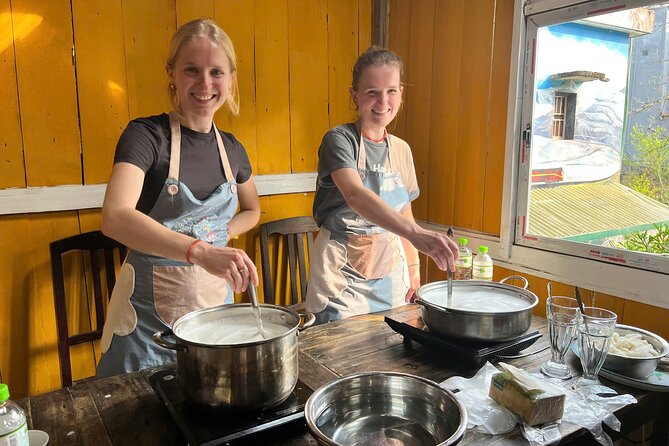
Sapa is famous for big views, but on cloudy or rainy days, I love having a plan that stays warm and real. This tofu-making workshop is set near public transportation at Saigonese Trekking House on Nguyễn Chí Thanh, and it runs about 2 hours 30 minutes. The class size is capped at 10, which is a big deal here. With fewer people, the chef or guide can actually watch what you do, not just show you the steps.
The price is $19 per person, and the value is in what you get for that money. You are not just watching. You are using the equipment and soybeans in the class, then eating dinner made from what you produced. If you are thinking about doing another food experience in Sapa, this one competes well because it includes both instruction and a meal.
You can also read our reviews of more tours and experiences in Sapa.
Learning tofu from soybeans: the real skill you take home
The lesson starts with the story of tofu in Vietnam and why it matters in everyday meals. Even if you just want to eat well, I think this context helps. When you understand tofu’s role, you cook with more respect for the ingredient, not just the outcome.
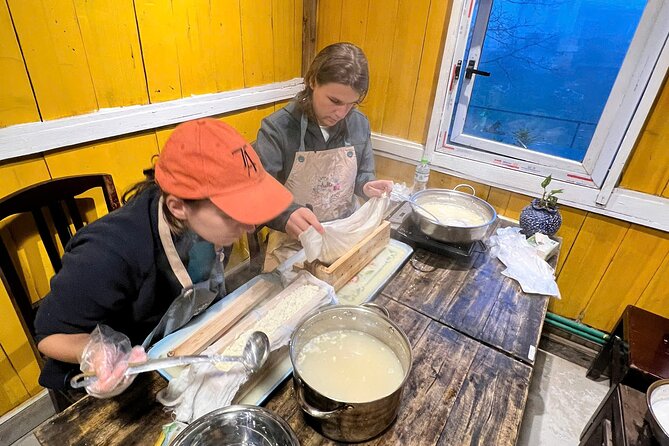
Then comes the hands-on part. The course walks you through the full process, and they really emphasize that results depend on choices you make along the way:
Selecting soybeans
You begin with the idea that quality starts before the burner turns on. The chef or guide explains how the soybeans you choose affect the final tofu.
Soaking and grinding
This part is practical, and it also helps you slow down. Soaking helps the beans soften properly, and grinding sets you up for an even mix later. If your texture is uneven, it can show up in the tofu.
Cooking the soy mixture
You will cook the mixture as part of the method, and you get taught how to manage the process so the base is ready for the next stage.
Curdling with coagulant
Curdling is where tofu turns from liquid to something with structure. You learn how the coagulant works and how to recognize the shift during the process. The class leans into texture and consistency, so you are not just following steps, you are learning to read what is happening in front of you.
By the time you finish, you should have fresh, handmade tofu. That matters because tofu is one of those foods where store-bought can still be good, but homemade has a different feel. The whole point is learning how to get that texture on purpose.
What your dinner looks like after you cook the tofu
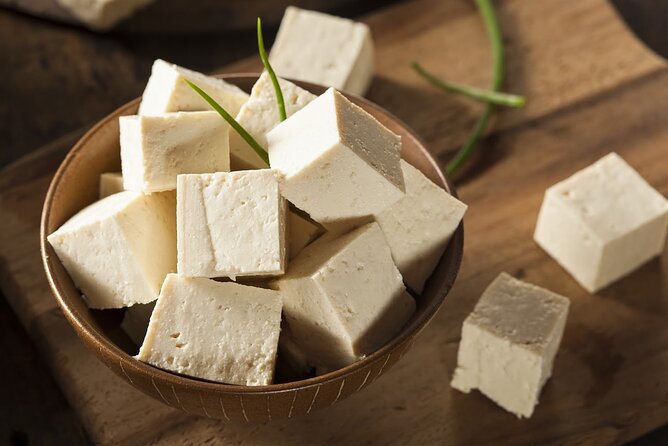
The best part of a cooking class is always the moment you eat your results, and this one delivers. Dinner is included, and it uses your handmade tofu.
You can expect dishes that include fried tofu with tomato sauce. For dessert, the class includes soy milk. That pairing makes sense. The tofu is savory, the tomato sauce adds brightness, and soy milk keeps the theme consistent without needing extra ingredients or complicated prep.
One small bonus from the experience style here: you may have spare tofu to take away. That’s useful if you want to extend the fun, or if you are sharing with a friend later and want them to taste what you made.
Why the guide style matters more than you think
Tofu making can feel technical, and the class does not pretend otherwise. The good news is that you are not left alone with a pot. The teaching is guided step by step, and the reviews highlight that instructors explain each stage clearly and then let you participate in turns.
I also like the pace. A typical class includes a welcome drink, like tea or coffee, and the setting is described as charming, with a terrace feel. That small start makes the workshop feel less like a school session and more like an evening with a plan.
In a place like Sapa, food classes also become social. With a max of 10 people, you tend to talk while you work. If you come with a friend, you can bond while making something together, and you do not just leave with photos, you leave with a skill and a meal.
Timing and practical tips so the class feels fun
This workshop runs about 2 hours 30 minutes, but the bigger lesson is that tofu making takes time. The process is not something you can half-do and still get good texture. If you have other plans right after, you’ll want buffer.
Here is how I’d plan your day:
- Wear clothes you do not mind getting messy, because hands-on cooking plus soy-based ingredients can get a little awkward
- Arrive a little early so you do not feel rushed at the start
- If you get cold easily, consider a light layer. Kitchens can feel cool when you are working and taking breaks
Also note that confirmation happens at booking time, and the experience is geared for a small group. You are near public transportation, which helps if your schedule in Sapa is flexible and you are hopping between stops.
Price and value in Sapa: what you really pay for
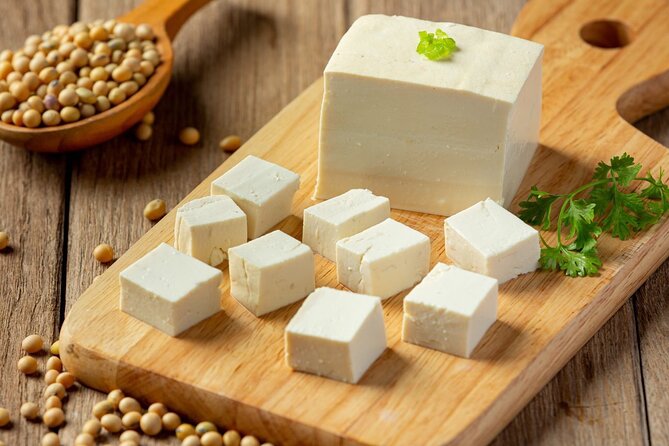
$19 sounds simple, but the value is in the package. You are paying for:
- Dinner included
- Use of all cooking equipment
- Soybeans used in the class
- The instruction and hands-on coaching from the chef or guide
You are not paying extra for ingredients you will not touch. That is a key difference from some food tours where the meal is the only payoff. Here, the meal is the finale to the work you do during the session.
Tips are not included, which is standard in many places. If you feel the service was great and you have some local change, it can be a nice way to support a small family-style operation. (No pressure, but it is usually appreciated when someone walks you through a technical process patiently.)
Who this tofu workshop is best for
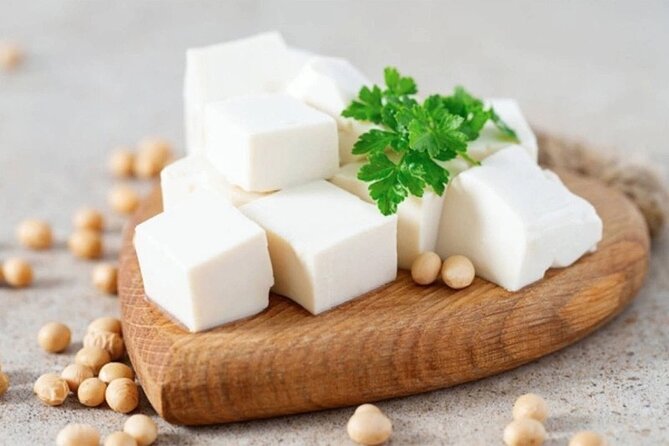
This class is a strong fit for a few types of travelers:
Vegetarians and tofu lovers
If tofu is your thing, you will likely enjoy it even more because you see where texture comes from. It is also a good way to learn how tofu behaves in Vietnamese flavors.
Curious cooks who want technique, not just taste
The course covers steps like grinding, cooking, and curdling, and it emphasizes texture recognition. If you like learning why food turns out the way it does, this is a solid choice.
People traveling with a friend
The small group size makes it easy to do hands-on work together and then share dinner immediately.
If you want a quiet cultural activity, it works too. The workshop feels relaxing for many people because you have a steady rhythm: start with instructions, then practice, then eat.
When to book, and when to skip
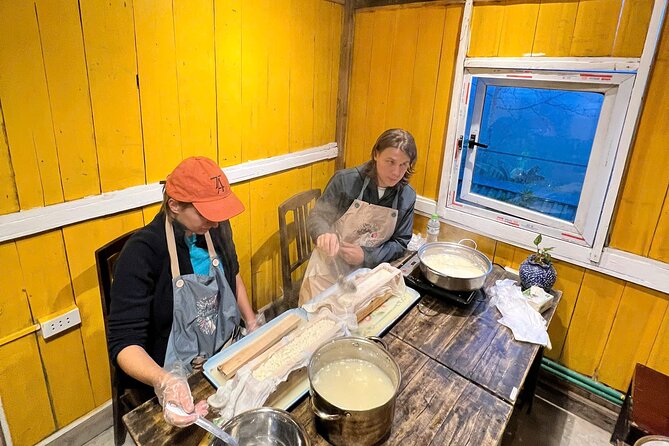
Book it if:
- You want a hands-on Vietnamese food experience in Sapa
- You like classes with small groups
- You want both a skill and dinner in the same 2.5-hour window
You might skip it if:
- You need a completely low-effort activity, because this is technique and hands-on work
- You have tight scheduling with no buffer for a process-heavy session
Also remember that the experience has a minimum number of travelers. If it does not meet that minimum, you will be offered a different date or a full refund.
Should you book this tofu-making class?
If you are in Sapa and you want to do something that feels more personal than another meal, I think you should book. The core reasons are simple: you learn the full tofu process, you get coached on the texture and consistency points that usually trip people up, and you eat dinner that is directly connected to what you made. The small group size also keeps it friendly and practical.
If your travel style is hands-on, patient, and food-focused, this workshop is a great match. If you want something fast and effortless, plan something else. But if you are curious about Vietnamese cuisine and want a real skill you can repeat later, this is one of the more satisfying uses of a couple of hours you will find in Sapa.
FAQ
What is the price for the tofu-making class in Sa Pa?
The price is $19.00 per person.
How long does the experience take?
It runs about 2 hours 30 minutes.
How many people are in a group?
The class has a maximum of 10 travelers.
What does the class include?
It includes dinner, and it covers the use of all cooking equipment and soybeans during the class.
What meal will I have at the end?
Dinner uses handmade tofu, such as fried tofu with tomato sauce, and dessert is soy milk.
Is tipping included?
No. Tips are not included.
Where do I meet for the class?
The start point is Saigonese Trekking House, 02 Nguyễn Chí Thanh, TT. Sa Pa, Sa Pa, Lào Cai, Vietnam.
Where does the class end?
The activity ends back at the meeting point.
When will I receive confirmation after booking?
Confirmation is received at the time of booking.
What is the cancellation policy?
You can cancel for a full refund up to 24 hours in advance. If you cancel less than 24 hours before the start time, the amount you paid is not refunded.
More Tour Reviews in Sapa
Not for you? Here's more nearby things to do in Sapa we have reviewed



More Sapa Trekking Tours to consider.
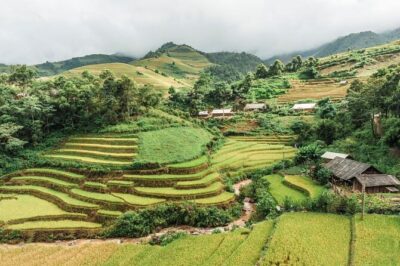 ★ 5.0Sapa 2 Days 1 Night From Hanoi – Overnight in Ta Van VillageTickets from $592,669 traveller reviews
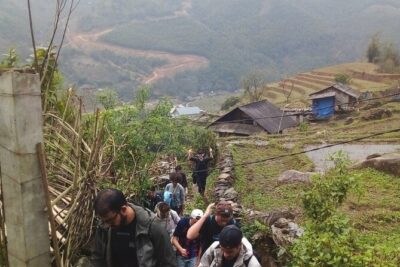 ★ 5.0Hanoi – Sapa 2 Days 1 Night Overnight At HomestayTickets from $89899 traveller reviews
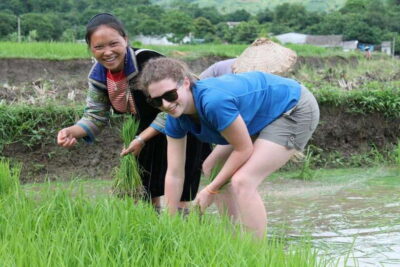 ★ 4.6Sa Pa: Muong Hoa Valley Trek and Local Ethnic VillagesTickets from $23864 traveller reviews
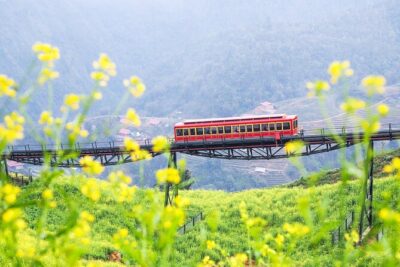 ★ 5.0Sapa: Fansipan Cable, Cat Cat Village & Moana Instagram TourTickets from $30777 traveller reviews
 ★ 4.8From Hanoi: 2-Day Sapa Trekking Trip with Homestay & MealsTickets from $71704 traveller reviews
 ★ 5.0Sapa 3 Days 2 Nights Trekking Tour (1 Night In Ta Van Village, 1 Night In Hotel)Tickets from $139699 traveller reviews
 ★ 4.9Sapa: Eco Adventure Terrace Fields and Local Villages TrekTickets from $27636 traveller reviews
 ★ 5.03-Day Trekking Adventure of Sapa from Hanoi – Stay Ta Van VillageTickets from $109611 traveller reviews