
Review · SAPA TREKKING TOURS
From Sapa: 3-Day Ha Giang Loop with Safe Rider (max 8 pax)
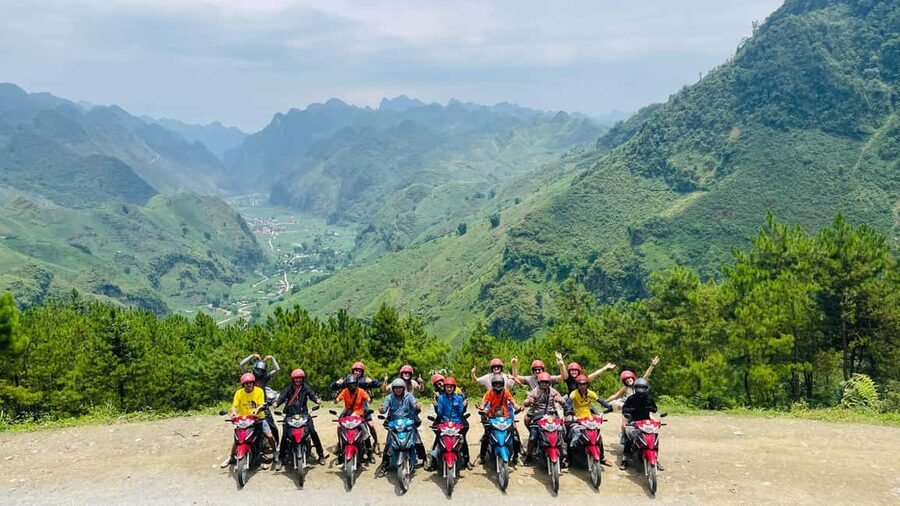
This loop turns nerves into confidence. The Ha Giang Loop is part mountain road show, part cultural time-capsule, and part test of how tough you feel after a full day on a motorbike.
I really like how this package pairs you with safe local easy riders and a guide who keeps the day moving with smart timing. You get the big-ticket stops like Ma Pi Leng Pass and the Tu San Canyon boat trip, then you also get the smaller, more human moments in places like Dong Van and Du Gia.
The one real drawback to plan for is physical comfort. Even with breaks, you are on a motorbike for long stretches, and some muscle soreness is normal.
Key things I’d highlight before you go
- Safe easy-rider focus: a local driver handles the traffic and curves, and the route timing includes frequent view-point stops
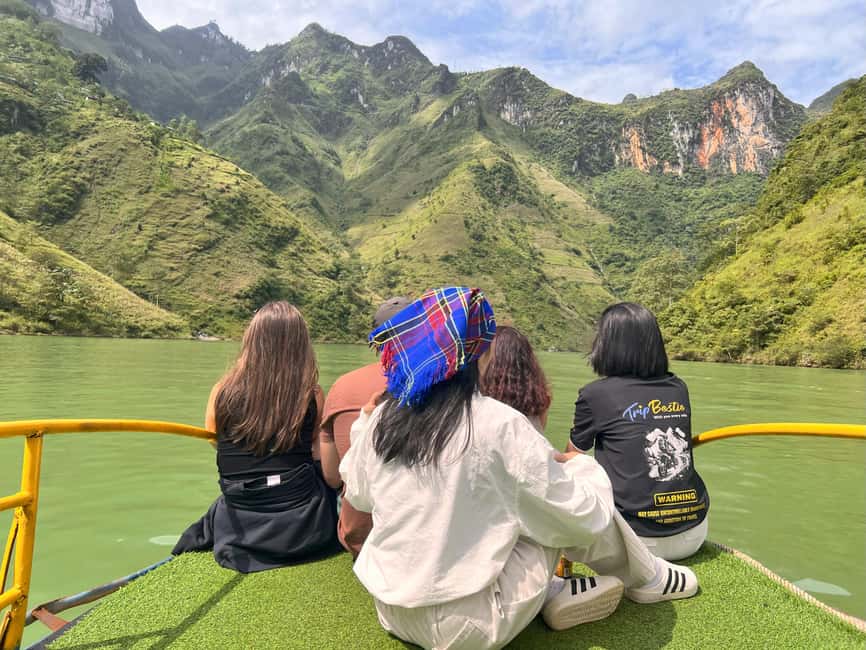
- Ma Pi Leng Pass plus Nho Que River: big views on the pass, then a slower pace on the boat through Tu San Canyon
- Real community stops: Dong Van, Meo Vac, and both Du Gia and Dong Van markets on their correct weekly days
- Water moments to reset your body: Du Gia Waterfall natural pool time and another cool waterfall break later on Day 4
- Small group feel: limited to 11 participants, and many groups report a friendly, family-like vibe at night
- Evening energy included: dinner often turns into live music, and nights can include karaoke and hangout time
The Ha Giang Loop in plain terms, what you actually sign up for
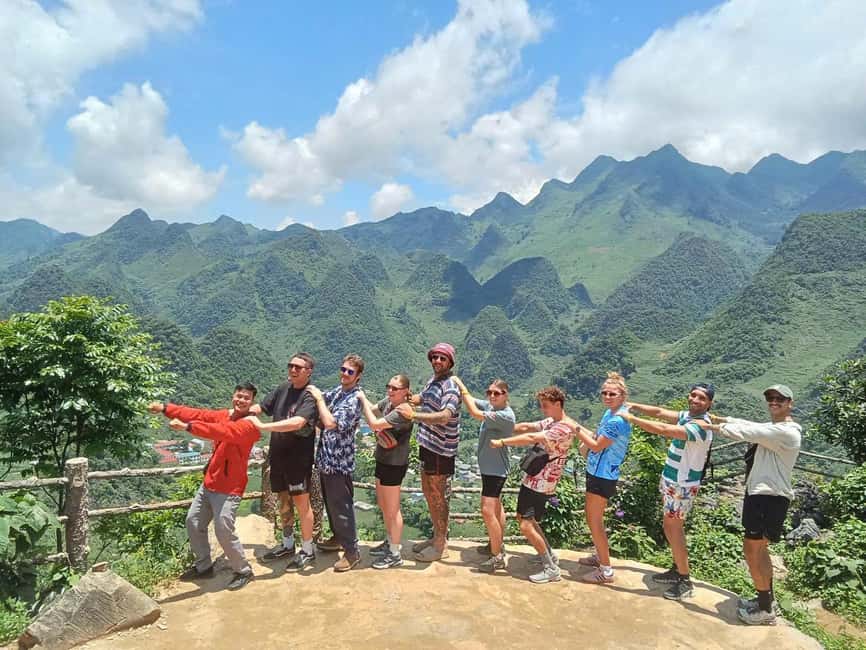
Ha Giang is the kind of place where photos never quite land the scale. The roads twist through steep valleys, the mountain faces change color as the day shifts, and the towns feel small in a way that makes you pay attention. This 3-day loop is built for people who want the route highlights, without having to do the hardest part of planning, like figuring out how to move safely between passes and viewpoints.
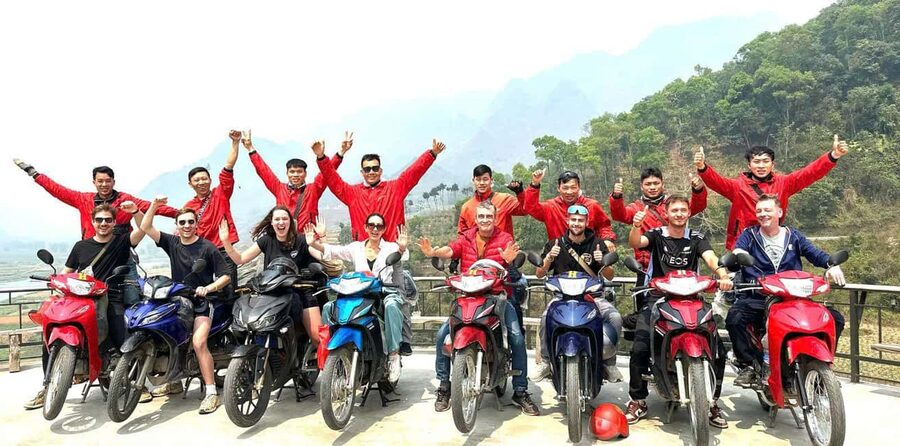
The “Safe Rider” setup is the key idea here. Instead of you doing the full driving workload, you ride with a local motorbike driver. That matters a lot on this loop because the roads are narrow, the turns are constant, and weather can change fast in the north.
You also get a guided structure. You meet your guide in the morning, get route briefing, and then you do day segments that balance riding time with stops. Guides you might be assigned include Khuynh, Big Boy, Diem, Song, Phú, and others mentioned in feedback, and the common theme is clear communication plus humor that makes the long ride feel less like a chore.
You can also read our reviews of more tours and experiences in Sa Pa.



Sapa to Ha Giang: the night bus setup and why it helps
Most people start from Sapa around the evening pickup. You are picked up from your hotel on the main road or the nearest accessible point, then head to the bus office. If you are taking the standard option, you board a VIP Sleeper bus at 8:00 PM.
The goal is simple: you lose less daytime to travel. You usually arrive in Ha Giang around 2:00 AM, then you rest at the hostel and sleep a few hours before the next day’s ride. If you want more comfort or an earlier departure, you can upgrade to a Limousine or VIP Cabin bus.
This is also where good communication matters. Your team reaches out via WhatsApp before pickup to confirm details and guide you through what to expect. That is a real quality-of-life benefit when you are arriving late at night and tired.
Day 1 night in Ha Giang: sleep matters more than you think
Day 1 is not a “sightseeing day.” It is a reset day. You arrive around 2:00 AM, then you spend the early hours in a hostel dorm bed. You should treat this as your buffer against the physical side of the loop.
In practice, that means two things for you:
1) Don’t plan an intense evening in Sapa right before pickup.
2) Pack layers and essentials so you can get comfortable fast when you wake up.
If you choose upgraded accommodations, you may get private rooms on the loop nights. Some feedback specifically praised private rooms for comfort, while the base night accommodations are more basic.
Day 2: Ha Giang to Dong Van, the passes plus the culture stop
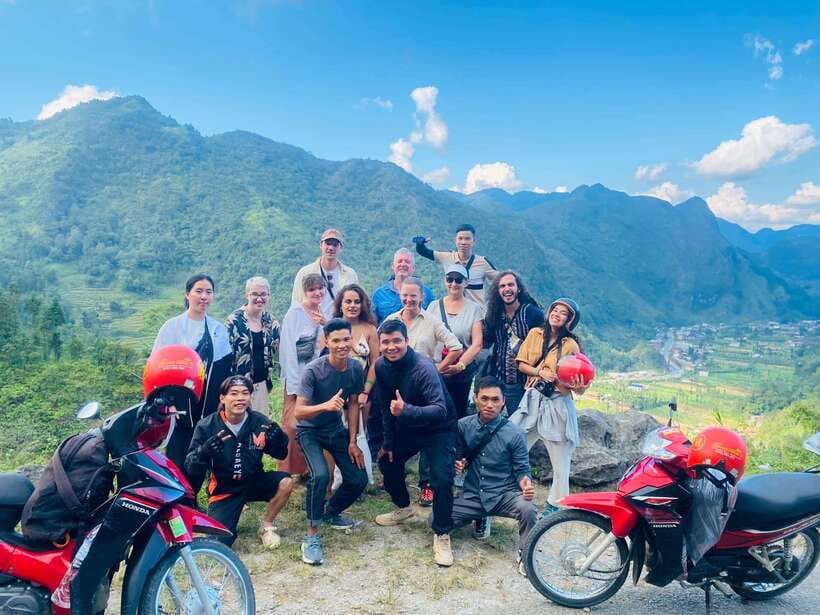
Day 2 is the big “get oriented and start stacking scenery” day. The rhythm is breakfast at about 8:00 AM, then you meet your guide and the group. You get a briefing on the route before you roll out around 9:30 AM.
The ride route, what the stops feel like
You pass through several highlight areas along the way, including:
- Bac Sum Pass
- Quan Ba Heaven Gate
- Twin Mountains
- Can Ty Pass
These stops are not just photo breaks. They are opportunities to catch your breath, get water, and understand the geography so the next turn makes sense.
You do lunch in Yen Minh around early afternoon. After lunch, you tackle Tham Ma Slope and visit the Hmong King’s Palace. That cultural stop is valuable because it shifts the trip from scenery-only to context. You see how local heritage connects to the geography you are riding through.
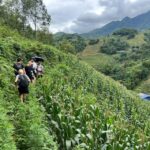
Arriving Dong Van, then easing into evening life
You reach Dong Van ancient town and check into your cozy hotel. Dinner comes next, and then you can explore the town center or relax to live music.
What I like about Dong Van at the end of Day 2 is the contrast. You just spent most of the day on the motorbike with nonstop motion. Then the evening gives you something more human: walking streets, hanging out, and seeing how the town feels when the bikes are off.
Day 3: Ma Pi Leng Pass and the Tu San Canyon boat trip
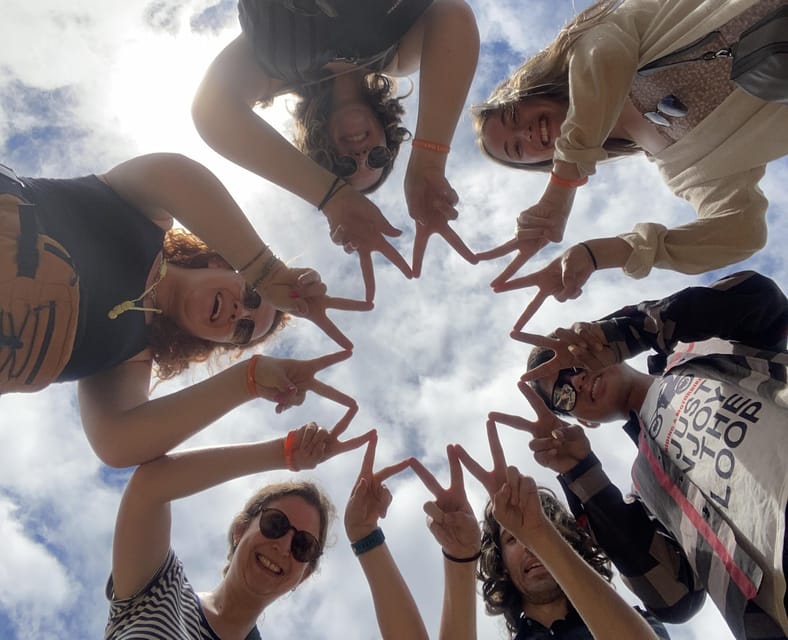
Day 3 is where Ha Giang turns serious in a good way. Morning timing is flexible based on the day of the week. If it is Sunday, you can visit the Dong Van market before breakfast. Breakfast happens around 8:00 AM, then you head out.
Ma Pi Leng Pass: the pass moment you came for
The schedule has you conquering Ma Pi Leng Pass, followed by stunning views. This is one of the iconic segments on the loop, and it is also one of the main reasons people book short trips instead of longer, DIY travel.
In the real world, what makes a pass like this special is how quickly you get “scale awareness.” One minute you are climbing, the next you can look down into valleys that seem too far away to be real. Your local driver’s comfort with the road also helps. When you don’t have to focus on the bike, you can actually look.
Tu San Canyon on the Nho Que River: slower, scenic, and different
After the pass, you do the Nho Que River boat trip through Tu San Canyon. This is a great balance after the intensity of riding. Instead of constant turning, you get a slower pace where you can take in the gorge walls and the river’s perspective.
I like that the day includes both extremes: the high drama of a top pass and then the calmer, floating rhythm of the boat. It keeps your brain from overheating.
Meo Vac viewpoints, then Du Gia village at night
You lunch in Meo Vac, then you visit viewpoints including the M-curve, Mau Due, and Lung Ho. These spots are good for quick photos and also for stretching your legs. You end the day arriving at Du Gia village.
In Du Gia, dinner is paired with live music. Many groups talk about karaoke and evening hangouts, and it is one of the best ways to make the trip feel like a shared story rather than just transportation with stops.
Day 4: Du Gia waterfall pool, then back to Ha Giang by late afternoon

Day 4 is shorter than you expect, but it still delivers. If it is Saturday, you can visit the weekly Du Gia market before breakfast.
Then the plan shifts from road intensity to water reset. You refresh with a dip in the natural pool beneath Du Gia Waterfall. This is one of those moments that is easy to underestimate until you are tired and your muscles feel tight. Cold water is not a cure-all, but it is a morale booster.
Next, you go to the Duong Thuong viewpoint. Then lunch is in Thai An, and you head back toward Ha Giang.
The route continues through winding passes with views over river scenery and forested areas. You also get another waterfall refresh. The tour typically lands back at the hostel in Ha Giang by around 3:30 PM.
That timing is smart. It means you can shower, pack, and start your next leg without arriving at night and starting from zero.
Where the value shows up: price, inclusions, and what you avoid
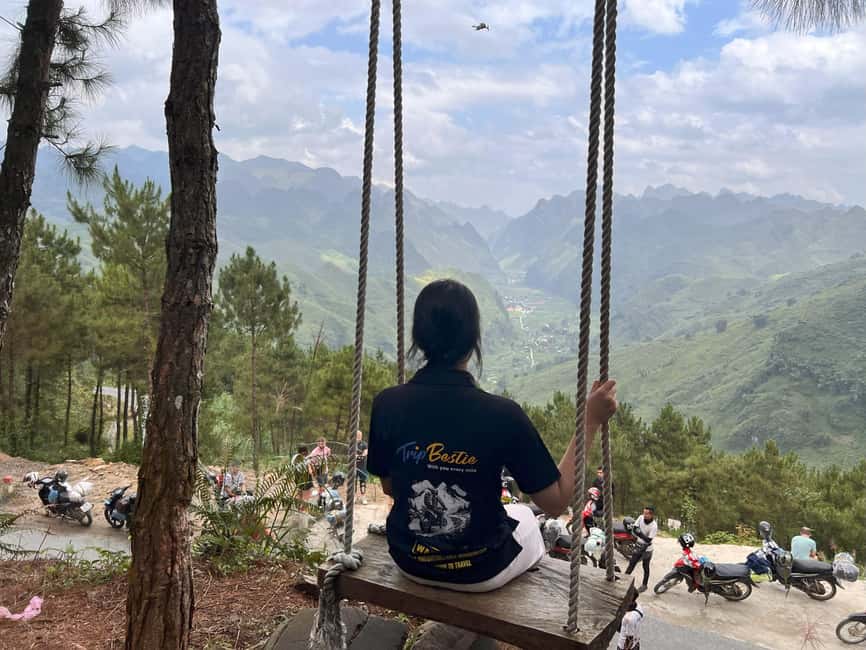
At $211 per person for about 3 to 3.5 days, the value comes from what is bundled. You are not just buying a ride. You are getting:
- pickup from Sapa toward the bus office
- a guided route with an English or Vietnamese speaking guide
- a safe easy-rider driver team
- accommodations in local homestays or basic guesthouses
- meals based on simple local cuisine
- included activities tied to the loop highlights (including the boat segment)
- and a flexible drop-off option to Hanoi, Ninh Binh, Ha Long, or Cat Ba, if you choose it
Even if you could rent a motorbike and DIY some of it, DIY usually turns into extra stress: maps, route decisions, fuel timing, and the question of whether you are actually safe in traffic. Here, the structure is built around local drivers handling the risky parts.
One more value point is small group size. The tour limits participation to 11 people, and feedback often describes groups of 7 to 8 as a sweet spot. That matters because you are not stuck watching a giant cluster of unrelated schedules.
Food and sleep: mostly good, a couple of honest watch-outs

Most meals are simple local food. You should expect that menus might repeat across multiple days, because it is a multi-day circuit in rural areas. Lunch is often a highlight, while breakfast can be more basic.
On accommodations, the standard setup is local homestays or basic guesthouses. Many people reported comfortable stays and clean rooms. Still, one piece of feedback flagged that the first night’s accommodation felt poorly managed for cleanliness, and another person noted trouble with a gluten-free need because the team did not know what gluten meant.
So here is the practical takeaway for you:
- If you have serious dietary requirements, tell the operator clearly before you go.
- If cleanliness is a top priority for you, consider upgraded accommodation options.
Weather, clothing, and the “cold surprise” in Ha Giang
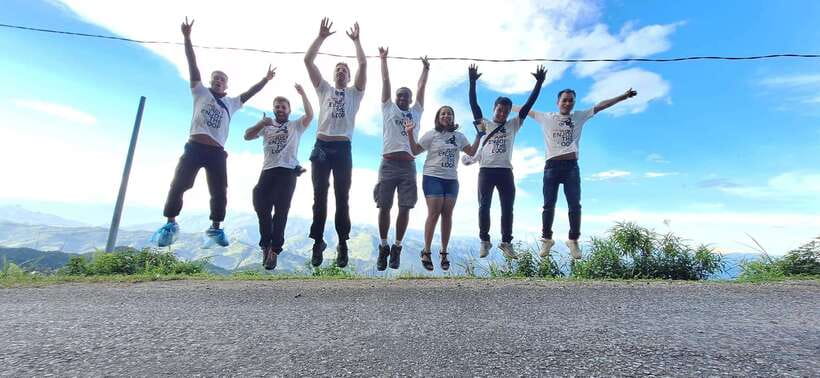
Ha Giang can be colder than you expect compared with other northern areas. One review specifically warned that it is colder in Ha Giang and on parts of the loop, especially if you are traveling in early November, and advised warm layers.
This is easy to fix. Bring layers that you can remove and add quickly. Also plan for cool mornings on the bike, even if the sun looks bright when you step outside.
Who this tour is best for, and who should think twice
This is a strong match if you want:
- an organized way to see the key Ha Giang Loop sights in a short time
- a safe easy-rider setup (important if you are nervous about driving)
- cultural stops and market time, not just viewpoint photos
- group energy at night, with live music and sometimes karaoke
It might be less ideal if you:
- hate long days on a motorbike, even with breaks
- need luxury hotels every night
- cannot do repetitive, simple meals
- have a dietary need that requires extra coordination
Should you book this Ha Giang Loop from Sapa?
If you want the big hits like Ma Pi Leng Pass and Tu San Canyon, but you also want the trip to feel organized, friendly, and safety-focused, I think booking makes sense. The best reasons to choose it are the safe easy-rider approach, the small group size, and the way the schedule balances riding with stops and evening life in towns like Dong Van and Du Gia.
Book it if you can handle long ride days and you are okay with homestays or basic guesthouses. Consider upgrades if you care about comfort or want private rooms.
If you are looking for a relaxed, guided route with clear support and local people handling the hardest parts of the road, this is one of the more sensible ways to do Ha Giang in 3 to 3.5 days.
FAQ
How long is the Ha Giang Loop on this option?
The tour runs about 3 to 3.5 days, starting with pickup in Sapa and then beginning the loop the following day.
What is the price per person?
The price listed is $211 per person.
What group size should I expect?
The group is limited to a small size, with a cap of 11 participants.
What languages is the live guide available in?
The live tour guide is available in English and Vietnamese.
Where do I start in Sapa, and when does the bus leave?
You are picked up from your hotel in Sapa and then, if using the standard option, board a VIP Sleeper bus at 8:00 PM.
What does the itinerary include across the 3 days?
You ride the loop with stops for passes and viewpoints, visit cultural spots like the Hmong King’s Palace, do a Nho Que River boat trip through Tu San Canyon, refresh at Du Gia Waterfall pool, and spend nights in local homestays or basic guesthouses with meals provided.
Are there market visits on specific days?
Yes. Dong Van market is available Sunday only, and Du Gia market is available Saturday only (both before breakfast times).
Can I drop off somewhere besides Ha Giang?
Yes. If you choose the flexible drop-off option, a sleeper bus pickup happens between about 6:00 PM and 8:30 PM for routes to Hanoi, Ninh Binh, Ha Long, or Cat Ba. If you select drop-off in Ha Giang only, the tour ends there and no bus ticket is included.
More Tour Reviews in Sa Pa
Not for you? Here's more nearby things to do in Sa Pa we have reviewed



More Sapa Trekking Tours to consider.
 ★ 5.0Sapa 2 Days 1 Night From Hanoi – Overnight in Ta Van VillageTickets from $592,669 traveller reviews
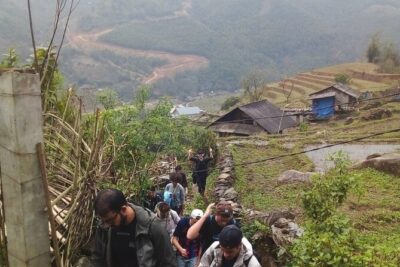 ★ 5.0Hanoi – Sapa 2 Days 1 Night Overnight At HomestayTickets from $89899 traveller reviews
 ★ 4.6Sa Pa: Muong Hoa Valley Trek and Local Ethnic VillagesTickets from $23864 traveller reviews
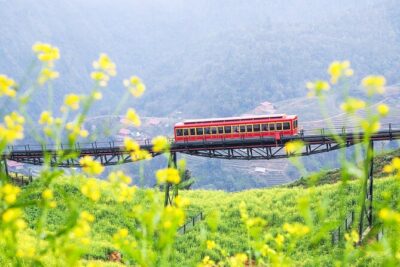 ★ 5.0Sapa: Fansipan Cable, Cat Cat Village & Moana Instagram TourTickets from $30777 traveller reviews
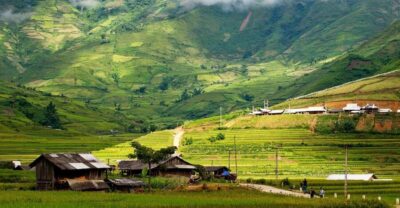 ★ 4.8From Hanoi: 2-Day Sapa Trekking Trip with Homestay & MealsTickets from $71704 traveller reviews
 ★ 5.0Sapa 3 Days 2 Nights Trekking Tour (1 Night In Ta Van Village, 1 Night In Hotel)Tickets from $139699 traveller reviews
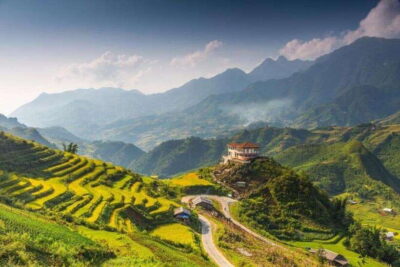 ★ 4.9Sapa: Eco Adventure Terrace Fields and Local Villages TrekTickets from $27636 traveller reviews
 ★ 5.03-Day Trekking Adventure of Sapa from Hanoi – Stay Ta Van VillageTickets from $109611 traveller reviews
More useful Hanoi routes