
Review · SAPA TREKKING TOURS
Sapa Valley Trek and Homestay – 3D2N
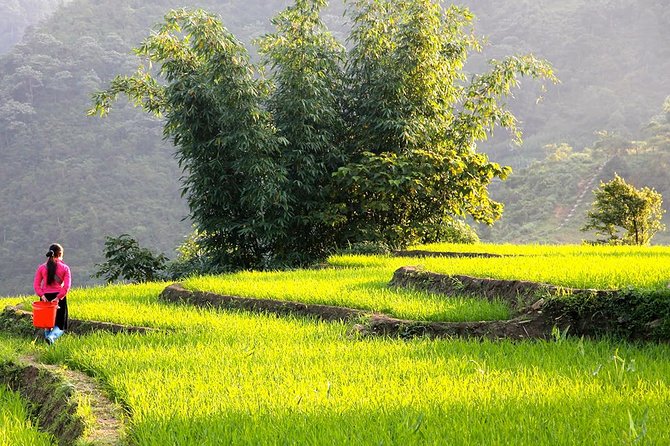
Sapa village life is up close on this trek. This 3D2N route through Hmong, Giay, and Red Dao villages pairs mountain walks with real homestay time, so you see more than viewpoints. I especially liked that the guides can bring Sapa culture to life, with names like SoSo and Ly showing up in many guest experiences.
You’ll also love the structure: meals and village entry fees are handled, and the homestay includes practical comforts like a hot shower at Ta Van. The only real heads-up is effort, this is a moderate fitness trek with steep, slippery sections at times, so pack smart and plan for uneven footing.
Key highlights I think are worth your attention
- Small group size (max 15) keeps the walking rhythm calmer and makes it easier to ask questions.
- Five village stops across Hmong, Giay, and Red Dao communities, plus Tay culture moments.
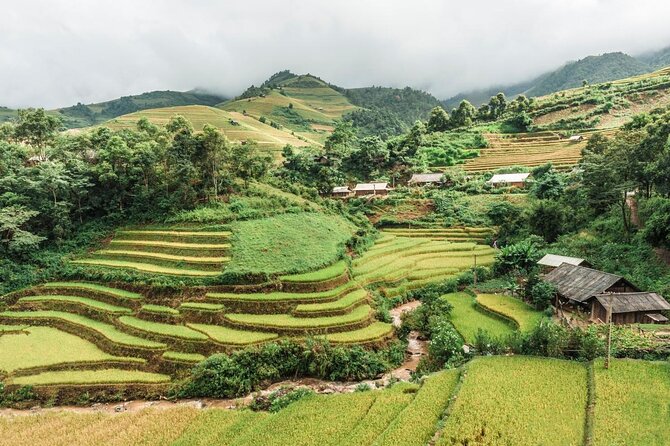
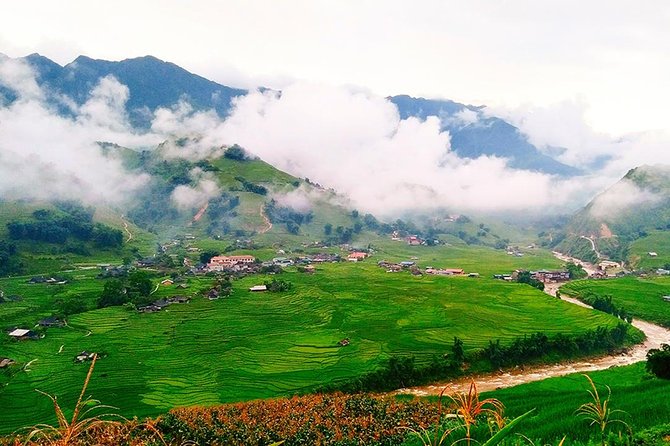
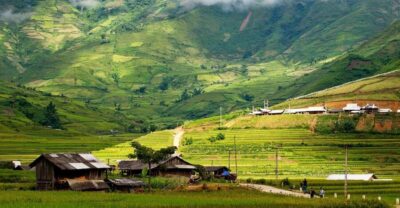
- Big scenery moments include Sapa’s major river and valley views, plus rice terraces and waterfall areas.
- Homestay with included meals means you spend evenings with families, not just beds in a town hotel.
- Local guides like SoSo, Ly, May, Dom, and Sush are repeatedly praised for clear explanations and real help on the trail.
Sapa Valley Trek and Homestay, what this 3D2N trip really delivers
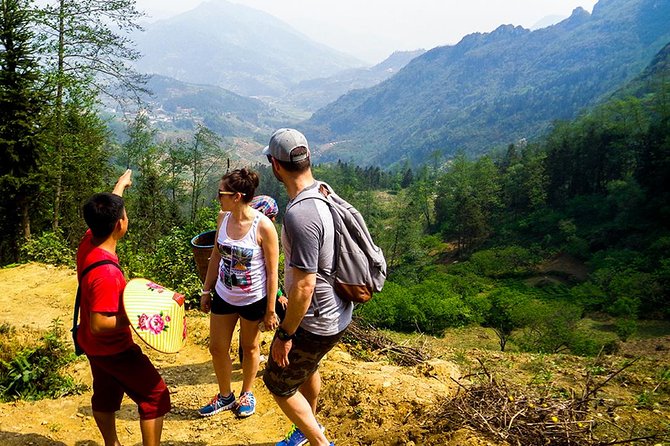
This tour is built around the question, what does Sapa feel like when you are not rushing through it? The answer is walking between villages, seeing rice terraces and river-valley views, then winding down in a home where you eat with the family and learn how daily life works.
At $170 per person for about 3 days, it is not a bargain-hike deal, but it is solid value for what you get: village entry fees, a homestay stay (1 night), meals (2 breakfasts, 3 lunches, 2 dinners), a local guide, and transport back to Sapa after the trekking part ends.
Where this stands out is balance. You get enough structure to feel taken care of, but you are still doing real walking and real visiting with ethnic-minority communities. It is the kind of trip that gives you stories you can keep telling, not just photos.
You can also read our reviews of more hiking tours in Sapa
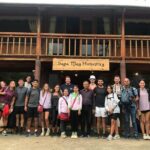
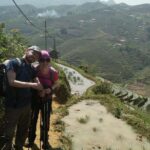
The guide and the small-group pace (up to 15)
A good guide can turn stairs and mud into learning. In this group size, you are not lost in a crowd, and it is easier for your guide to adjust the pace when tracks get slick or steep. Many experiences highlight how guides like SoSo and Ly explain village culture clearly, and guides such as May are described as genuinely helpful on difficult sections.
Also pay attention to the start. You meet at Sapa Church at 9:00 am, and you may have hotel pickup within Sapa Town or meet at the church area. That helps you avoid the worst part of early-day confusion, which is always the time you want to be focused on the walk ahead.
Finally, since you’ll be visiting multiple villages, you want someone who can connect what you see to what it means. This tour is designed for that, not just check-the-box photos.
Day 1: Y Linh Ho down the road, then Ta Van for the Giay homestay welcome
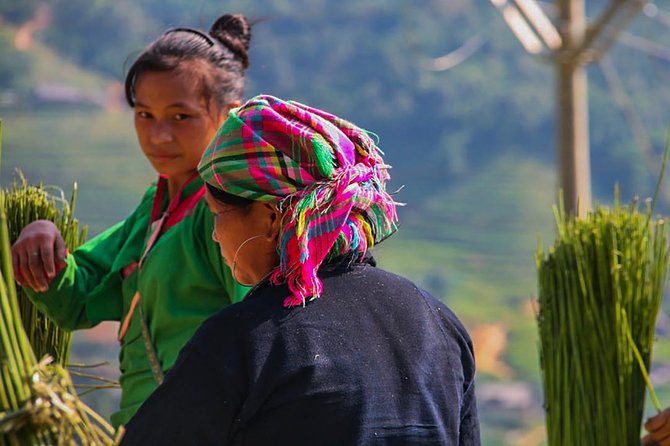
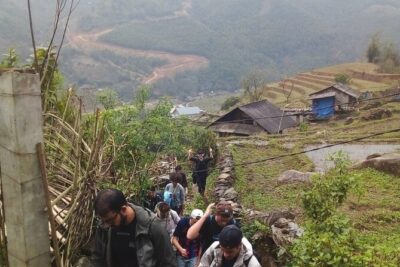
Day 1 is about getting your bearings and getting that first hit of village life. You start at 9:00 am at Sapa Church, then your group heads down about 2 km toward Cat Cat’s road area. Y Linh Ho is the first stop, so expect early sights of valley views and a taste of the local path network.
After the break, you move on to Ta Van Village, a home base for the Giay minority. This is where the tour shifts from daytime scenery to evening connection. Your host family welcomes you, and you get time to rest, take a hot shower, and get ready for dinner.
Why this matters: it is easier to handle day 1 walking when you know day 1 ends in a warm, welcoming setup. Many homestay treks go too hard too fast, but here you get the reset time that helps you feel human again.
One consideration: comfort can vary between families in any homestay program. The tour does include key basics like a hot shower at Ta Van, but you should still be ready for simple, village-level living.
Day 2: Coffee and fields, Giang Ta Chai waterfalls, then Ban Ho for Hmong, Red Dao, and Tay culture
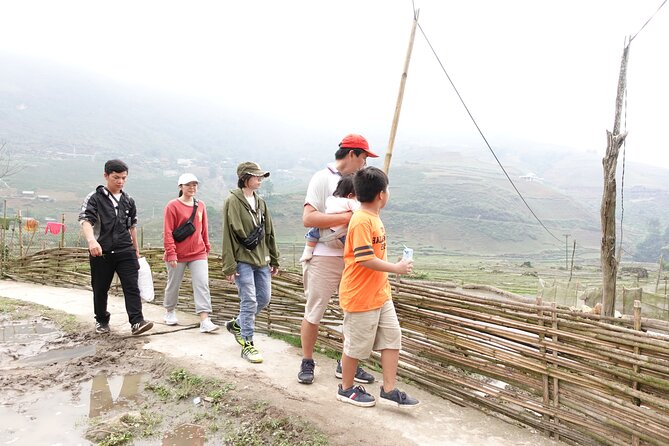
Day 2 starts with a slower rhythm. Before breakfast, you may enjoy hot coffee or tea and get oriented around your homestay area and nearby rice fields. Then after breakfast, you head uphill into the mountains toward Giang Ta Chai, specifically to reach the waterfalls area.
This is a great day for people who want more physical effort plus payoff. Uphill walking builds the appetite, and the waterfall stop gives you a clear natural landmark to aim for, not just hours of trail.
Later, you travel to Ban Ho Village, passing through areas connected to the Black Hmong community (often referred to as Su Pan). At Ban Ho, you meet multiple ethnic groups, including Red Dao and Tay, and you get a stronger mix of cultural details.
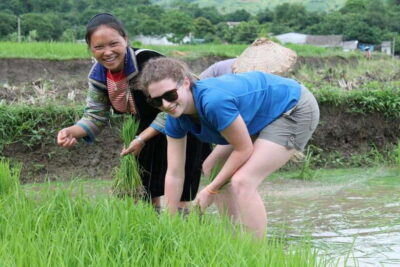
This day also matches what many guests praise: guides who can explain culture and daily work without turning it into a lecture. You are there to see house-building techniques, rice-field life, and traditions, including unique marriage customs mentioned as part of what your guide covers.
The practical reality: day 2 can feel longer because it stacks viewpoints, uphill walking, and multiple village interactions. Bring patience for weather changes too, Sapa can shift quickly.
Day 3: Tay traditional houses, Nam Tong village, and back to Sapa
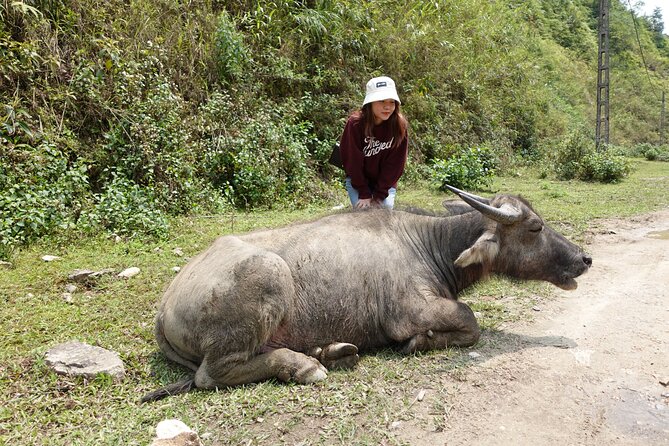
Day 3 is your wrap-up day, but it is not a lazy finish. After breakfast, you visit traditional houses and learn more about Tay culture, then you go to Nam Tong village.
The best way to think about day 3 is as cultural clarity. Day 1 and day 2 move through places, day 3 tries to help you understand what you saw through a more direct look at home life and community structure.
After the village time ends, the tour includes transport back to Sapa, finishing again at the meeting point area around Sapa Church. That matters because you do not want to be figuring out rides after a trek day, especially with tired legs.
One more note: this is a 3-day, 3-night structure overall, with homestay provided for 1 night. You’ll want to plan your energy accordingly, since the main “full immersion” is concentrated into that one night and the village visiting time around it.
More Hanoi tours and experiences for the shortlist

Homestays in Sapa: meals, family time, and what to expect
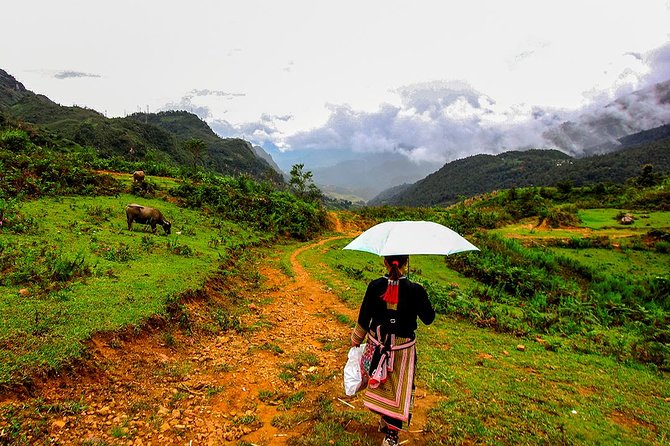
Homestay quality is one of the biggest reasons people rate this trek highly. Here, meals are included (2 breakfasts, 3 lunches, 2 dinners), which reduces the biggest stress factor for trekkers, figuring out food when you are far from town.
Your evening plan is family-centered: you eat, you rest, and you get a chance to learn about everyday life. In reviews, people mention hands-on moments like helping with small cooking tasks, for example fried spring rolls. Not every family will do the same activity, but the tone is consistent: you are not treated like a spectator.
You also get practical comfort where it counts. In Ta Van, the itinerary mentions time to shower with a hot shower. That kind of detail makes the trip feel more livable, especially after a day of hiking.
What you should bring emotionally: respect and flexibility. Homestays are home first. If you come with a calm attitude and a willingness to participate at a small level, the experience tends to feel rewarding fast.
Price and value: is $170 a fair deal for this kind of trek?
For $170 per person, you are paying for a guide, transport support, village entry fees, one night of homestay lodging, and a full set of meals across the 3 days. You are also paying for the fact that the walking route is organized around multiple villages, not just one out-and-back trek.
That makes it feel closer to a guided cultural experience than a low-cost adventure. If you were to piece this together yourself, the biggest costs and time sinks would be guiding, village permissions/entry, and managing meals plus homestay scheduling.
So, the value question becomes: do you want the cultural access and structured pacing? If yes, $170 is reasonable. If you want maximum freedom and you hate guided schedules, you might find it restrictive. For most people seeking “Sapa on foot with locals,” this price fits the package.
One practical note: the tour is described as requiring good weather. If conditions are poor, expect schedule changes or cancellation outcomes handled by the operator (details are covered in the FAQ).
Trekking reality check: fitness, footing, and weather
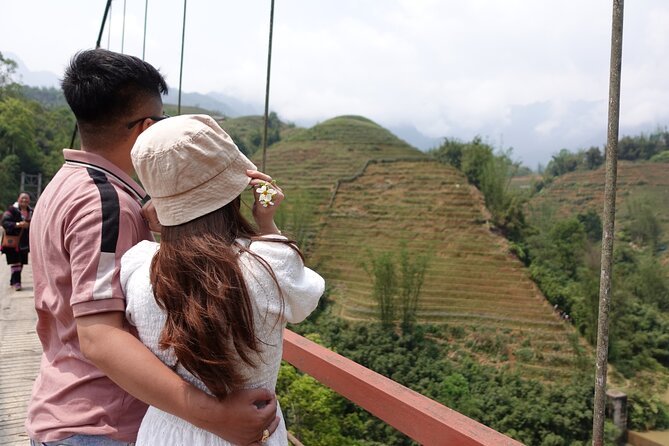
This is not a stroller-friendly day walk. The tour is meant for people with moderate fitness, and reviews describe trekking that can be quite long and difficult, especially when tracks are slippery.
What I’d do before you go:
- Wear shoes with real grip, because Sapa trails can get wet.
- Bring layers. Even in warm months, mountain walking can feel cool quickly.
- Pack light but include rain coverage, because you want to stay comfortable through mist or showers.
Weather is also part of the planning. Since the experience requires good weather, it is smart to schedule this trek with at least some flexibility in your overall Sapa plans. The tour can be rescheduled or refunded if weather ruins the plan.
Should you book this Sapa Valley Trek and Homestay?
Book it if you want a guided trek that prioritizes village visits, meaningful cultural learning with ethnic minorities, and an actual homestay night. You’ll like this more if you enjoy talking with your guide, asking questions, and walking at a steady pace through rice terraces, valley views, and waterfall areas.
Skip it, or choose a gentler option, if steep, uneven trail days would stress you out. Also think twice if you need totally predictable comfort, because homestays are family-run and can vary.
If your goal is Sapa with locals and not just scenery, this 3D2N plan is a strong match.
FAQ
What is the price of the Sapa Valley Trek and Homestay?
The tour costs $170.00 per person.
How long is the tour?
It runs for 3 days (approx.).
Where does the tour start, and what time does it begin?
It starts at Sapa Church at 9:00 am.
Is pickup included?
Pickup is offered, and you may meet at your hotel in Sapa Town or in front of the local main church area.
What does the tour include?
It includes village entry fees, 1 night in a homestay, transport back to Sapa after the village portion ends, water (1 big bottle per person), a local guide, and meals (3 lunches, 2 breakfasts, and 2 dinners).
What is not included?
Personal travel insurance, extra drinks at the homestay, and tips are not included.
What is the group size?
The tour has a maximum of 15 travelers.
What happens if weather is poor?
The experience requires good weather. If it is canceled due to poor weather, you will be offered a different date or a full refund.
If you want, tell me your fitness level and travel month, and I’ll help you decide if this trek pace matches what you’re comfortable with.
More 3-Day Experiences in Sapa

More Hiking & Trekking Tours in Sapa

More Tour Reviews in Sapa
Not for you? Here's more nearby things to do in Sapa we have reviewed



More Sapa Trekking Tours to consider.
 ★ 5.0Sapa 2 Days 1 Night From Hanoi – Overnight in Ta Van VillageTickets from $592,669 traveller reviews
 ★ 5.0Hanoi – Sapa 2 Days 1 Night Overnight At HomestayTickets from $89899 traveller reviews
 ★ 4.6Sa Pa: Muong Hoa Valley Trek and Local Ethnic VillagesTickets from $23864 traveller reviews
 ★ 5.0Sapa: Fansipan Cable, Cat Cat Village & Moana Instagram TourTickets from $30777 traveller reviews
 ★ 4.8From Hanoi: 2-Day Sapa Trekking Trip with Homestay & MealsTickets from $71704 traveller reviews
 ★ 5.0Sapa 3 Days 2 Nights Trekking Tour (1 Night In Ta Van Village, 1 Night In Hotel)Tickets from $139699 traveller reviews
 ★ 4.9Sapa: Eco Adventure Terrace Fields and Local Villages TrekTickets from $27636 traveller reviews
 ★ 5.03-Day Trekking Adventure of Sapa from Hanoi – Stay Ta Van VillageTickets from $109611 traveller reviews
More useful Hanoi routes