
Review · HIKING & TREKKING
Red Dao village trek and Herbal bath
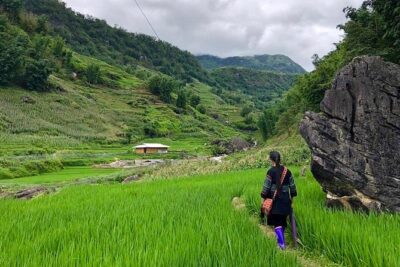
Herbal smoke, rice fields, and a real village walk. This Red Dao village trek around Ta Phin mixes small-group hiking with a short Ta Phin Cave visit, then ends at an herbal bath session that the route is built around. It is also a strong way to see how life looks for Sapa’s Red Dao and Hmong communities beyond the main streets.
I especially love the Red Dao village focus, since you spend real time moving through the area and meeting the people tied to the traditions. I also like the clear payoff at the end, the herbal smoke baths, which are meant to help you feel less stressed and less worn out after a hiking morning.
One possible drawback: the cave stop includes a 30m walk in the dark on uneven ground, so you need decent footing and a calm head for close, bumpy sections.
Key things to know before you go
- Small group size (up to 15) keeps the pace human and makes it easier to ask questions.
- Ta Phin Cave walk is short but dark and bumpy, so wear grippy shoes.
- Lunch and herbal bath fee are included, so the $39 price covers the big-ticket parts.
- Red Dao and Hmong presence is part of the day, with Ta Phin village mostly Red Dao.
- Guides adapt the route based on how challenging you want the hike to feel (example guides include May and Chacha).
Red Dao village trek plus herbal smoke bath, the vibe and the payoff
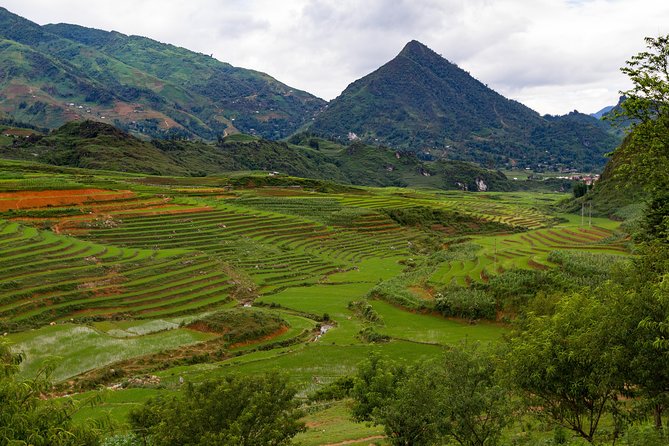
This is the kind of Sapa half-day tour that feels like it has one job: get you out of the town center and into Ta Phin’s everyday mountain life, then reward you with a hands-on cultural experience at the end. You start in the morning, get a local guide, and spend hours walking through farmland and village paths, not just taking photos from a roadside.
The most practical reason to book this specific format is the time balance. You are not spending the whole day in transit, and you still get three meaningful stops: Ta Phin Village, Ta Phin Cave, and Ta Phin Monastery. Then you finish with the herbal bath session that the tour is clearly built around.
At $39, the value is tied to what is included. You get lunch, the herbal bath fee, village entry fees, a small bottle of water, and the transport back to Sapa. The day is also limited to a maximum of 15 people, which helps it feel more like a guided experience than a bus parade.
You can also read our reviews of more hiking tours in Sapa
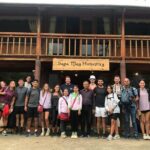

Where you start in Sapa, timing, and what to expect from the logistics
The tour starts at Sapa Church, listed at P. Hàm Rồng, TT. Sa Pa, Sa Pa, Lào Cai. The start time is 9:30 am, and the tour ends back at the meeting point.
Pickup is offered, but the key thing is that the official reference point is Sapa Church. That matters if you are staying outside the exact center. If you are close by, you can keep your morning simple and meet there. If you are not, ask your operator about pickup details before you leave your hotel.
The tour runs about 6 hours (approx.), and it is designed for a moderate physical fitness level. That does not mean you need to be an athlete, but you should be ready for uneven paths and uphill walking typical of the Ta Phin area.
Ta Phin Village: Red Dao and Hmong life, farmland views, and orchid country
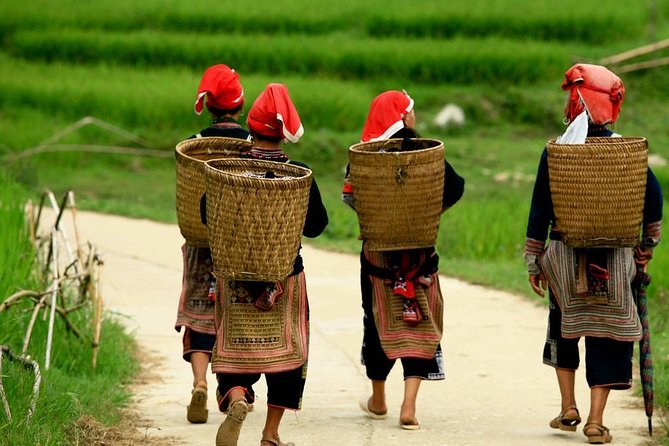
Your first stop is Ta Phin Village, where both Red Dao and Hmong people live. The village is described as mostly Red Dao, and that shapes the cultural focus. You are not just passing through, you are touring the area in a way that gives you time to see how daily life fits into the terrain.
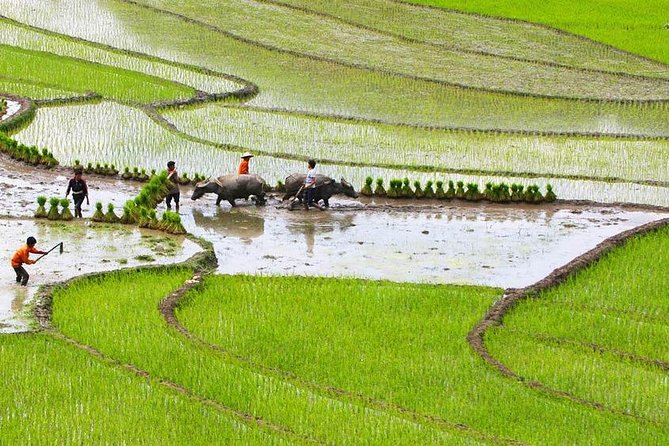
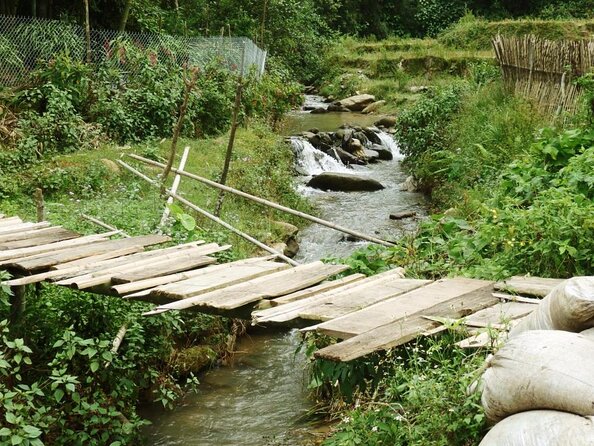
The route is also framed by agricultural scenery. The area is known for terraced fields and seasonal garden beauty, including mention of orchid gardens. On the ground, you may notice the mix of crops and greenery that makes Sapa feel like a living patchwork rather than one big tourist photo spot.
This is also where local guides make a real difference. In past departures, guides like May have explained traditions and helped the pace feel right, including asking if you want a more difficult path. Another guide, Chacha, has led groups through villages and fields, then brought everyone back for a substantial lunch before the final herbal bath stretch.
Practical note: you are likely to see small-scale selling along the way, and some visitors feel awkward about it. I think the easiest approach is simple, respectful browsing. If something catches your eye, ask the price and move on if it does not fit your budget. You are supporting local industry either way.
What could bother you here
This is village trekking, not a controlled museum stop. That means the experience can feel more active and less polished than a typical city tour. If you prefer very structured, minimal interaction, you might want to keep that preference in mind.
Ta Phin Cave: a short dark walk, then an actual cave moment
Next comes Ta Phin Cave, located in Ta Phin Village. The cave is described as about 5m high and 3m wide, which gives you an idea of scale once you reach the main interior.
The cave visit includes a walk of about 30m in the dark on bumpy ground, before you encounter the larger section. That single detail is the one to take seriously. If your balance is shaky, or you hate uneven footing and low light, this stop can feel stressful rather than fun.
The good part is that it is not a long cave slog. It is a contained segment, and the rest of the day is outdoors. So even if you treat the cave as the short, intense bit, you still get plenty of daylight walking and views.

Ta Phin Monastery: built in 1942 and tied to practice by nuns
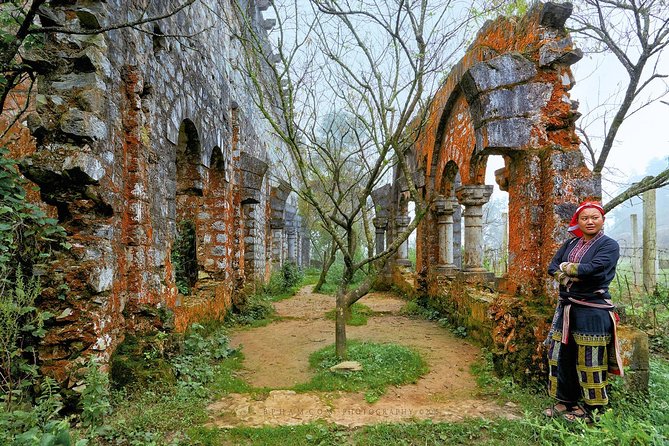
After the cave, the day shifts to quieter ground at Ta Phin Monastery, located at the foot of the mountain. It was built in 1942, and it used to be a place of practice for 12 ascetic nuns of the Congregation of the Sisters of the Catholic Church of Christian Conversion.
This is a good stop if you like history that is specific, not vague. You are not looking at a generic temple facade. You are seeing a site with a clearly stated origin and purpose, and it helps break up the hiking with something still and reflective.
Time at the monastery is listed as about 30 minutes, so it is enough time to walk around, pause, and take in the sense of place without rushing.
Lunch and pacing: how the day stays enjoyable

Lunch is included, and it is often described as substantial. In at least one group experience, lunch happened before the final push to the herbal baths. That order makes sense. You want energy and time in your stomach before the end-of-tour relaxation.
The pace also tends to be flexible when the guide is paying attention. Guides such as May have asked whether guests want a harder route, then adjusted the path. That is a smart way to handle mixed fitness levels in a group up to 15 people.
You should still expect real trekking through farmland and village paths. This is not flat walking. Even if you are not racing, you are working your legs for most of the 6 hours.
The herbal bath finale: four herbal smoke baths and why it feels worth it

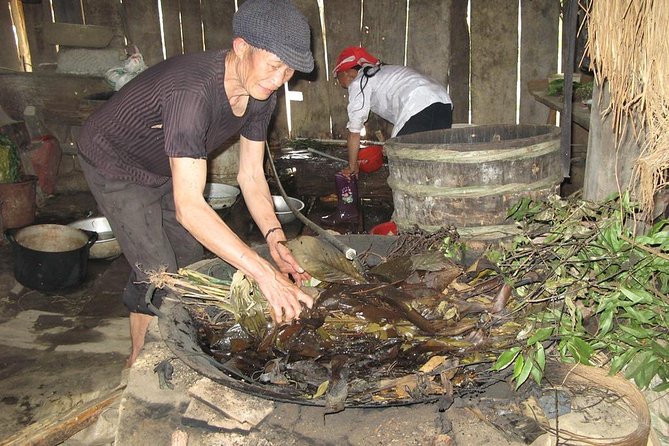
The big finale is the herbal bath fee portion, described as four herbal smoke baths. The tour’s own framing is that these baths help relieve stress and tiredness after trekking.
A helpful way to think about it is this: the end of this tour is not just a photo op. It is the designed reward for completing the walk. Even if you are skeptical about wellness claims, the experience can still feel grounding because it gives your body a cooldown moment and forces you to slow down.
Because the details of how long each smoke bath lasts are not provided here, I will keep this practical. Treat it like a cultural wellness ritual and follow your guide’s cues on what to do next. Dress for the possibility of warmth and steam or smoke exposure, and do not overthink it. Your guide is there to help you get through the steps smoothly.
What’s included in the $39 price, and what you should budget for
This tour is priced at $39, and what you get matters more than the number.
Included:
- Village entry fees
- 1 small bottle of water
- Local guide
- Lunch
- Herbal bath fee
- Transportation back to Sapa
Not included:
- Personal travel insurance
- Extra drinks (for example bottled water or beer) at the homestay
- Tips for tour guide and driver
That included list is what makes the day feel good value. Many Sapa tours look cheap until you add cave fees, entry costs, and transport. Here, those core pieces are bundled.
My advice: assume you will want more water than the single bottle provided. You can plan for that even if you do not know the exact drinking rhythm of the day. Also bring a small amount for tips if you feel your guide earned it, especially if they adapt the hike for you.
Transportation, meeting point, and the mobile ticket detail
The tour offers pickup and ends back at the meeting point. The listed start and end location is Sapa Church, and it is described as near public transportation. The ticket is also listed as mobile, meaning you may be able to show it from your phone.
In real life, that is helpful, since you avoid paper ticket hunts. Still, I recommend you keep an eye on your confirmation and have the ticket ready before you step out. If you are in Sapa for a short trip, losing time to missed details is the worst kind of souvenir.
Who this trek is best for, and who should choose something else
This tour fits best if you want:
- A moderate fitness walking experience (not a mountain climb)
- A day centered on Red Dao culture in Ta Phin
- A meaningful end stop with herbal smoke baths
- A guided route that includes village, cave, and a monastery site
It may be less ideal if:
- You dislike dark and uneven footing, since the cave includes a 30m dark walk on bumpy ground
- You prefer fully flat, easy walking throughout the day
- You need a strictly hands-off cultural experience with zero interaction
If you are traveling solo or as a couple, the small group size (max 15) can feel like the sweet spot. You still get conversation, but you are not swallowed by a large crowd.
Small expectations management: cave difficulty, selling, and group dynamics
Here is the honest, practical checklist I would use:
- Wear shoes with good grip for bumpy ground.
- If you are worried about the dark cave section, tell your guide early so they can help you move confidently.
- Expect small moments of trade or selling in village areas. Keep it respectful and simple.
Group dynamics can matter in a trek. With a max of 15 people, you should feel like you are part of a group, but you can still get individual attention. If your guide is good, the day stays comfortable even when the terrain changes.
A realistic note on reliability: what to do if plans glitch
No tour is immune to hiccups. One reported issue in the booking history is that a guide did not show up even after confirmation, without clear communication from the operator.
So here is my no-drama approach: confirm the day before, and again on the morning of the tour. If you do not hear back, show up at Sapa Church on time and check in with the operator or your contact person. Keep your phone charged, since the ticket is mobile and the day runs on schedule.
Should you book this Red Dao village trek with herbal bath?
I would book it if you want a real Sapa village day with three structured stops and a strong finishing ritual. The best reasons are the bundled value and the ending you actually remember: herbal smoke baths after a walk through Ta Phin’s village and farmland.
Skip it or think twice if cave conditions would stress you out, since the cave includes a dark, bumpy 30m walk. Also, if you cannot handle any uncertainty, make your confirmation checks a priority.
For most people looking for an authentic half-day from Sapa, this one is a solid pick, especially because the $39 price covers the main costs you would otherwise add one by one. If you go with the right shoes and a relaxed attitude, it is the kind of day that feels personal, not packaged.
FAQ
How long is the Red Dao village trek and herbal bath?
The tour lasts about 6 hours (approx.).
What is the meeting point for this tour?
The meeting point is Sapa Church, P. Hàm Rồng, TT. Sa Pa, Sa Pa, Lào Cai 333100, Vietnam.
What time does the tour start?
The start time is 9:30 am.
Is pickup included?
Pickup is offered. The listed meeting point is Sapa Church.
What does the $39 price include?
It includes village entry fees, 1 small bottle of water, a local guide, lunch, the herbal bath fee, and transportation back to Sapa.
What is not included in the tour price?
Personal travel insurance, extra drinks at the homestay, and tips for the tour guide and driver are not included.
Is the tour physically demanding?
It requires moderate physical fitness.
What happens during the Ta Phin Cave visit?
You walk about 30m in the dark on bumpy ground, then you reach the larger cave. The cave is described as about 5m high and 3m wide.
Is the tour dependent on weather?
Yes. It requires good weather. If canceled due to poor weather, you will be offered a different date or a full refund.
More Hiking & Trekking Tours in Sapa
More Tour Reviews in Sapa
Not for you? Here's more nearby things to do in Sapa we have reviewed



More Hiking & Trekking to consider.
 ★ 5.0Halong Bay Full Day with Kayaking, Hiking viewpoint, Cave – Deluxe To LuxuryTickets from $38884 traveller reviews
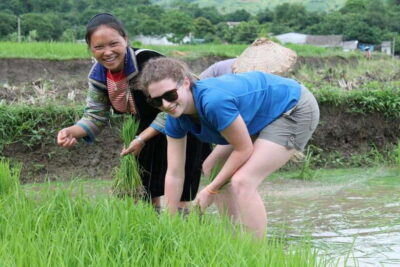 ★ 4.6Sa Pa: Muong Hoa Valley Trek and Local Ethnic VillagesTickets from $23864 traveller reviews
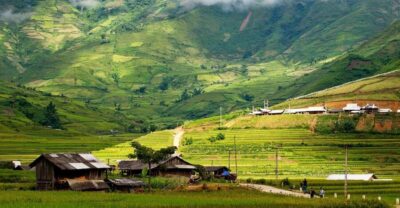 ★ 4.8From Hanoi: 2-Day Sapa Trekking Trip with Homestay & MealsTickets from $71704 traveller reviews
 ★ 5.0Sapa 3 Days 2 Nights Trekking Tour (1 Night In Ta Van Village, 1 Night In Hotel)Tickets from $139699 traveller reviews
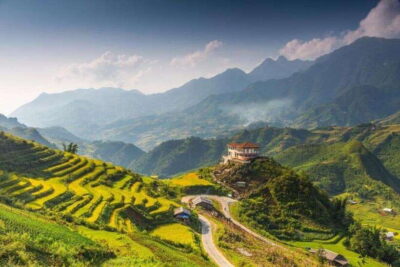 ★ 4.9Sapa: Eco Adventure Terrace Fields and Local Villages TrekTickets from $27636 traveller reviews
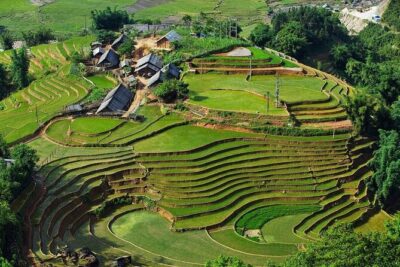 ★ 5.03-Day Trekking Adventure of Sapa from Hanoi – Stay Ta Van VillageTickets from $109611 traveller reviews
3D and 2N Lan Ha Bay Cat Ba Island Kayaking & Trekking with VegaTickets from $365593 traveller reviews
★ 5.03-Day Trekking Adventure of Sapa from Hanoi – Stay Ta Van VillageTickets from $109611 traveller reviews
3D and 2N Lan Ha Bay Cat Ba Island Kayaking & Trekking with VegaTickets from $365593 traveller reviews
 ★ 5.0Number one top rated ethical cultural trekking and homestay by ETHOSTickets from $93456 traveller reviews
More useful Hanoi routes