
Review · HIKING & TREKKING
Muong Hoa Valley Trek & Homestay Experience – 4D3N
A good trek starts with a good plan. This 4D3N Muong Hoa Valley route mixes village life with big mountain views around Sapa. You also get a chance to learn daily customs from Hmong, Giay, and Red Dao communities, guided by local people.
I especially like two things: the small group size (maximum 15) and the way the itinerary builds from village to village, not just viewpoints. You will spend a full day walking through different areas before settling into the homestay routine.
One thing to consider: the trek is listed as needing moderate physical fitness, and June can feel hot in the valley. If you are sensitive to heat or sudden wet-season weather, pack for it and move at a steady pace.
Key highlights worth your attention
- Muong Hoa River route on Day 4, an easier finish that still keeps the scenery going
- 5 village visits tied to Hmong, Giay, and Red Dao culture, not random stops
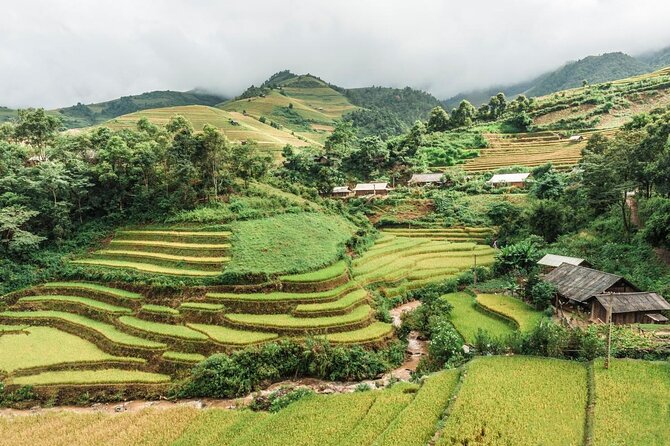
- Rice terraces at Ta Van with major mountain views near Hoang Lien
- Giang Ta Chai waterfalls area, plus time in the Red Dao zones
- One homestay night included, with dinner, lunch, and breakfasts built into the schedule
- Local guide support plus village entry fees handled for you
Why this Muong Hoa trek feels like real Sapa, not a checklist
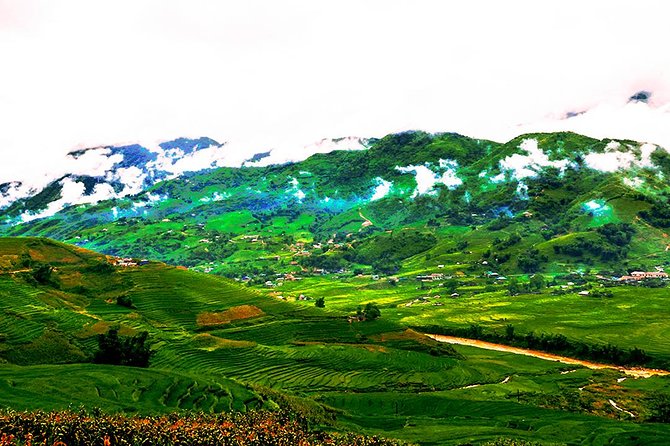
Sapa has a way of turning into a loop of quick photo stops. This itinerary is built to slow you down. You start in Sapa Town area, then you head out into village roads and trails that connect communities along the valley.
What I like most is the balance. You get eye-level walking time, then you get cultural learning time, including how Hmong people do things like marriage traditions, rice field work, and house building techniques. That matters because you are not just seeing buildings, you are understanding why people live the way they do.
You also move across multiple ethnic zones. The tour specifically includes Hmong, Giay, and Red Dao visits, which means your day-to-day conversations and observations shift as you change villages. It is a better way to understand Sapa than sticking to one area.
One more practical point: you are not stuck navigating alone. The tour includes a local guide and village entry fees, so you can focus on walking, asking questions, and taking in the pace of the valley.
You can also read our reviews of more hiking tours in Sapa
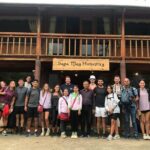
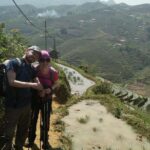
Getting started at Sapa Church, and how the schedule keeps you moving
The tour meets at Sapa Church at 9:00 am, in the P. Hàm Rồng area (also described as near the local main church). You will get a brief introduction, then you begin moving right away.
That start time is useful. By the time daylight is strong, you are already on the trail segments rather than burning hours in town. And since this runs as a group experience with a maximum of 15 travelers, the pace usually stays organized without feeling like a crowd.
You are also told that pickup is offered, which is helpful if you are staying slightly outside the center. Even if you do not use pickup, the meeting point is close to public transportation, which makes it easier to plan your morning.
Another planning detail: the tour uses a mobile ticket and confirmation happens at booking. That reduces last-minute hassle, especially if you are hopping between day trips in Vietnam.
Day 1: Y Linh Ho into Cat Cat area roads, then Ta Van rice terraces
Day 1 begins with a short meet-and-greet, then you walk downhill about 2 km down to the Cat Cat road area. Even though the stop is described as Y Linh Ho, this part sets the tone. You get that early valley feel fast, and it is a gentle way to start a multi-day trek.
After that, you reach Ta Van Village. This is one of the highlights for a reason. The tour notes some of the biggest and most beautiful rice terraces in Vietnam, plus major mountain views near Hoang Lien.
Why this stop is valuable:
- Rice terraces are not just scenery. They connect to how people farm on steep terrain, and they shape the entire look of daily life.
- Ta Van often gives you an easier transition from town energy into countryside rhythm.
A practical drawback to keep in mind on Day 1: rice terrace viewing points can mean longer walking stretches on paths that are not always flat. Even if the day starts mild, you still need decent shoes and a steady pace.
Day 2: Giang Ta Chai waterfalls, then Red Dao culture time
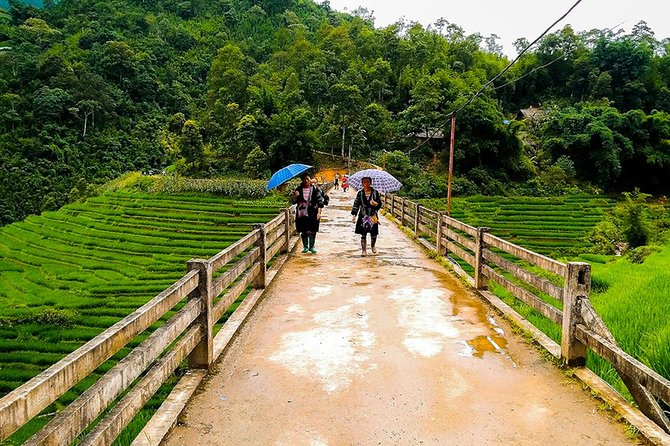
Day 2 starts with breakfast, then you head uphill into the mountain toward the Giang Ta Chai waterfalls area. This is a classic Sapa-style day: morning effort, then a payoff in natural features and village conversation.
After the waterfall area, the itinerary shifts into the Red Dao zone. You will learn more in detail about their culture, customs, and traditions with your local guide.
This is one of the days where the tour’s “learning” angle matters. When the route explicitly names the ethnic group and the kind of cultural topics you will cover, it is usually a sign you will get context, not just a photo and a quick nod. The tour description also points to learning about customs and traditions across Hmong, Giay, and Red Dao groups, so this day fits that theme.
A consideration for Day 2: uphill sections are where heat and humidity show up first, especially later in the year. The June review you have here notes that even when Sapa town sits around the low 20s Celsius, valley walking can feel closer to the low 30s Celsius. That pattern is common in mountain regions, so bring that in mind.
Day 3: Ban Ho Village plus Nam Toong, focused on Red Dzao life
Day 3 begins with breakfast in Ban Ho Village. Then you continue walking toward Nam Toong, about 3 km from Ban Ho. This is a clearer “walking day” in the itinerary, and it helps you build endurance without surprises.
The tour specifically says you will learn about the Red Dzao community that lives here. The wording emphasizes culture and daily life, which is exactly what you want on the third day. By then, you have already seen terrace scenery and started the ethnic learning arc, so you are ready for the details of how people organize life around their community.
What I like about the Day 3 setup:
- You get a named destination and a defined walking segment (Ban Ho to Nam Toong).
- You are not just doing another scenic stop, you are getting more cultural focus in the same broader area.
The main drawback to plan for is timing. Walking distances plus cultural time can make the day feel long, even if the route is manageable. If you bruise easily or have knee issues, go slow downhill and keep your steps controlled.
Day 4: Thanh Phu back to Ban Ho via the Muong Hoa River
Day 4 starts with a filling breakfast, then you walk from Thanh Phu back to Ban Ho using a different route that follows the Muong Hoa River.
This is a smart design for a trekking ending. After three days of village hops and mixed terrain, a river-following segment often feels more relaxed. The tour calls it an easy but beautiful route, which matters because you want your last day to feel like a win, not a slog.
What you get here is a final change of scenery and a chance to absorb the valley shape. Rivers also tend to mean steadier paths and more natural “walking flow,” especially if you are less confident on steep trails.
Your best bet on Day 4 is simple: take water breaks and keep your pace comfortable. Since you already have a long trek behind you, finishing well matters more than squeezing in extra photos at the cost of your legs.
Homestay night, meals, and what your $190 really covers
This tour includes homestay accommodation for 1 night, plus meals spread across the trekking days:
- Breakfast included 3 times
- Lunch included 4 times
- Dinner included 3 times
It also includes a big bottle of water per person, which is a nice practical touch for multi-day walking. Village entry fees are included too.
So when you look at the price of $190 per person, I think the value is in the bundled basics:
- You do not have to hunt for meals on the trail.
- You are not paying separate entry fees for the village stops.
- You get one overnight with the homestay setup, which is usually the cost-heavy piece of this type of trip.
What is not included is also clear: personal travel insurance, extra drinks at the homestay, and tips. You are wise to budget for those. Also consider that the comfort level of any homestay can vary, and the details about room type or bedding are not listed here, so you should set expectations accordingly.
If you like traveling with fewer decisions and more walking, this inclusion list works in your favor.
The guides, and why small-group culture time matters
Trekkingtoursapa runs this experience with a local guide, and the tour is capped at 15 travelers. That small-group limit matters more than it sounds.
With fewer people, you typically get:
- more time to ask questions,
- less standing around waiting,
- a better rhythm between walking and cultural learning.
The name Sinh shows up in the provider’s message style, and it is a good sign that the operation is close to the communities it serves. Even if you meet different local staff depending on the date, the key point is consistency of guidance and local context.
This matters on days focused on ethnic traditions, especially where the description mentions Hmong marriage traditions, work, and house building techniques. Those topics benefit from patient explanations. You want time, not rushed stops.
When to go: June heat, wet-season risk, and packing for the valley
The June review you have here is a real-world timing warning and a practical comfort clue. It says:
- Sapa was around 23 degrees,
- but the valley walking pushed closer to 31 to 32 degrees,
- and they were fortunate that it did not rain while they walked.
That tells you something important for planning: even when the town feels mild, valley conditions can be much warmer. For your packing list, prioritize sweat management and sun protection.
Because the tour also notes that it requires good weather, you should expect at least some sensitivity to rain. If conditions are poor, the tour can be canceled with a different date or a full refund, so you should plan around flexible travel dates if possible.
What I would pack based on this setup:
- breathable layers, plus something light for cooler mornings,
- a good pair of trekking shoes with grip,
- a hat or cap and sunscreen,
- a small day bag for essentials,
- and quick-dry clothes since wet-season days can change fast.
You will get one big bottle of water per person included, but you might still want small personal backups depending on your pace.
Who this trek is best for, and who should reconsider
This tour is described as requiring moderate physical fitness. That means it is not for total beginners with zero walking experience, but it is also not positioned as extreme mountaineering.
You will likely enjoy it if:
- you want 5 village visits with cultural learning,
- you like rice terraces and valley scenery,
- you are comfortable walking multi-day trails and taking the uphill parts slowly,
- and you want a guided experience with meals and homestay handled.
You might reconsider if:
- you are nursing a knee or back injury and uphill and downhill feel risky,
- you know you struggle with heat and long walking days,
- or you prefer fully flat routes and minimal stairs or slopes.
Group size also affects the feel. Maximum 15 travelers is generally manageable, but if you want total solitude, a group trek is not going to match that style.
Should you book the Muong Hoa Valley Trek & Homestay experience?
If your goal is to experience Sapa through village culture plus a real walking rhythm, this 4D3N trek is a strong option. The structure is practical: clear meeting point, a set route across multiple ethnic zones, one homestay night, and meals included so you are not making daily food decisions.
The main reason to wait is weather and heat. If you are traveling at a time when valley temperatures spike or rain is likely, you will want to pack carefully and go into the trek with a steady, patient mindset. The provider also indicates the trip depends on good weather, so flexibility helps.
My verdict: book it if you like guided cultural trekking and want good value bundled into one price. Skip it if you want an easy stroll with no uphill effort, or if your fitness level is low enough that moderate terrain would feel stressful.
FAQ
Where does the tour start, and what time do we meet?
The tour starts at Sapa Church (P. Hàm Rồng, TT. Sa Pa, Sa Pa, Lào Cai). The start time is 9:00 am.
How long is the Muong Hoa Valley Trek & Homestay experience?
It runs for 4 days and is described as approximately 4D3N.
Which villages and ethnic minority areas does the itinerary include?
The route visits five villages and includes areas associated with Hmong, Giay, and Red Dao ethnic minorities.
Do I get pickup, or do I need to be at the meeting point?
Pickup is offered, and the experience also lists the meeting point at Sapa Church.
What physical fitness level is required?
The tour notes that travelers should have a moderate physical fitness level.
Is homestay accommodation included, and for how long?
Yes. Homestay accommodation is included for 1 night.
What meals are included during the trek?
The included meals are 3 breakfasts, 4 lunches, and 3 dinners.
What is included besides the homestay and meals?
Included items also cover village entry fees, a local guide, transport back to Sapa after the tour ends, and 1 big bottle of water per person. It also notes mobile ticket and pickup offered.
What is not included in the tour price?
Not included are personal travel insurance, extra drinks at the homestay (for example bottled water or beer), and tips.
What happens if the weather is poor or I cancel?
The experience requires good weather. If it is canceled due to poor weather, you will be offered a different date or a full refund. You can also cancel for free up to 24 hours in advance for a full refund.
More Hiking & Trekking Tours in Sapa
More Tour Reviews in Sapa
Not for you? Here's more nearby things to do in Sapa we have reviewed




More Hiking & Trekking to consider.
 ★ 5.0Halong Bay Full Day with Kayaking, Hiking viewpoint, Cave – Deluxe To LuxuryTickets from $38884 traveller reviews
 ★ 4.6Sa Pa: Muong Hoa Valley Trek and Local Ethnic VillagesTickets from $23864 traveller reviews
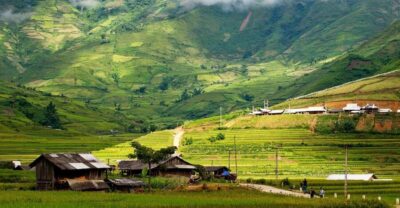 ★ 4.8From Hanoi: 2-Day Sapa Trekking Trip with Homestay & MealsTickets from $71704 traveller reviews
 ★ 5.0Sapa 3 Days 2 Nights Trekking Tour (1 Night In Ta Van Village, 1 Night In Hotel)Tickets from $139699 traveller reviews
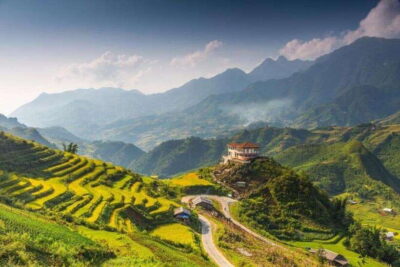 ★ 4.9Sapa: Eco Adventure Terrace Fields and Local Villages TrekTickets from $27636 traveller reviews
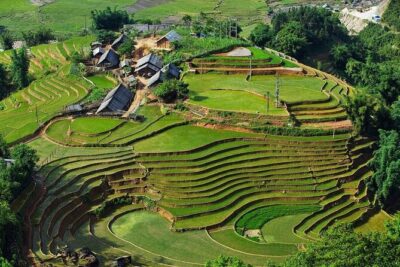 ★ 5.03-Day Trekking Adventure of Sapa from Hanoi – Stay Ta Van VillageTickets from $109611 traveller reviews
3D and 2N Lan Ha Bay Cat Ba Island Kayaking & Trekking with VegaTickets from $365593 traveller reviews
★ 5.03-Day Trekking Adventure of Sapa from Hanoi – Stay Ta Van VillageTickets from $109611 traveller reviews
3D and 2N Lan Ha Bay Cat Ba Island Kayaking & Trekking with VegaTickets from $365593 traveller reviews
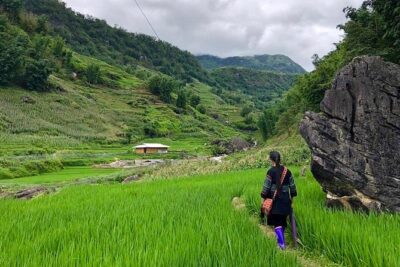 ★ 5.0Number one top rated ethical cultural trekking and homestay by ETHOSTickets from $93456 traveller reviews
More useful Hanoi routes