Review · HANOI
Southeast Asia 23-day: Vietnam, Cambodia & Thailand
A three-country trip with fewer headaches. This 23-day route strings together top sights in Vietnam, Cambodia, and Thailand, with private guides and transfers so you spend less time figuring things out.
I particularly like two things: the private guiding that helps you skip the worst crowd moments, and the built-in rhythm that mixes set tours with free time for breathing room. The trip is also run with close communication, with coordinators like Tran and Tran Son cited as quick to respond, including by phone or WhatsApp.
One possible drawback: you need to like early starts and heavy days. Expect mornings for big sights and time on the road between regions, and some cultural stops include serious history, including Khmer Rouge sites.
Key points that make this tour work
- Private guides and transfers at each step, so you can focus on the sights
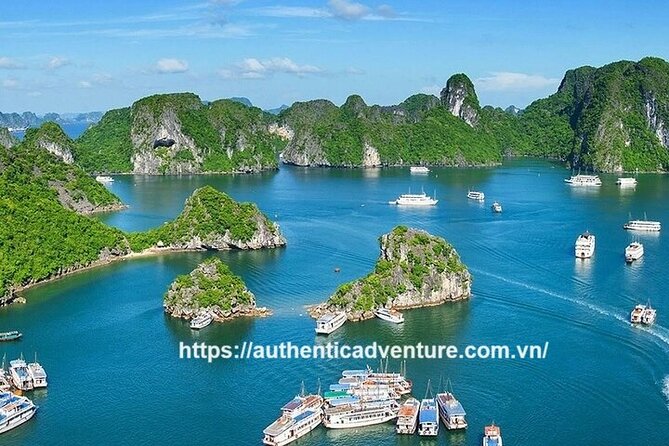
- Halong Bay and Lan Ha Bay cruise with sunrise time and a calmer feel in Lan Ha
- A smart Vietnam-to-Cambodia-to-Thailand route, reducing repeat travel and border hassle
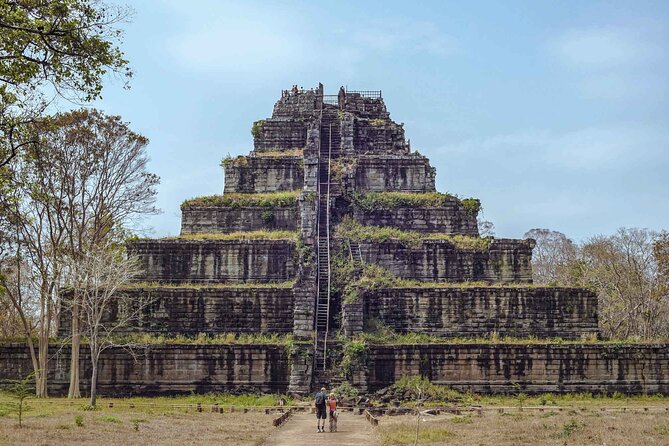
- Angkor hits plus add-ons like Koh Ker and Beng Mealea, not only the postcard temples
- Northern Thailand variety from Chiang Mai highlands to the White Temple and Golden Triangle
- Small group cap (up to 10) with consistent service and coordination
Why this 23-day Vietnam, Cambodia, Thailand plan feels low-stress
This is the kind of trip that makes sense if you hate the planning grind. You’re covering three countries, but the logistics are handled for you: air-conditioned vehicle, guided stops, entry fees for the listed sights, and domestic flights between major legs. You also get that practical safety net of real-time coordination by WhatsApp or phone, which matters when timings shift.
Another big win is pace control. You get scheduled tours for major anchors, but not every hour is booked solid. There are also days that intentionally leave space for strolling, shopping, or simply catching your breath in the evening.
Still, let’s be honest. It’s not a laid-back backpacking route. It’s structured. If you prefer wandering without any start times, this may feel busy. If you like a plan you can trust, it’s a good fit.
You can also read our reviews of more tours and experiences in Hanoi.

Price and what you truly get for $3,129
At $3,129 per person, you’re paying for time, hand-holding, and fewer moving parts. This is not just “a guide.” The tour includes accommodations in a private room, domestic flights, air-conditioned transportation, tour guides, and entrance fees for the included sights, plus a meal plan that includes 23 breakfasts, 18 lunches, and 2 dinners.
Here’s how I think about the value. In Vietnam, Cambodia, and Thailand, your biggest costs tend to be lodging, transport between cities, and paying for guides plus entry fees for the big sites. Those add up fast, especially if you try to piece it together city by city. This package tries to smooth that out so you don’t lose vacation time to booking drivers, chasing ticket desks, and doing the math in each city.
What’s not included is also clear: tips, alcohol, soft drinks, and personal expenses. So budget for those like you would on any trip, plus a little buffer for snacks when you’re out sightseeing.
The “private guide” advantage in real life
A private guide is not just about skipping crowds. It changes how you experience places. In a crowded temple or market, a guide helps you read what you’re looking at. You spend less time asking basic questions and more time enjoying the details that make the place worth it.
You also get more flexible flow. For example, the itinerary includes long landmark blocks like Halong Bay cruising and Angkor temple days, and private guiding helps the day feel coherent instead of chaotic. And with a group size capped at 10, you’re unlikely to feel like you’re just another face in a cattle line.
The other practical benefit is continuity. Several guides and drivers are referenced by name in feedback, including Nguyen Duong Nghia, Nguyen Quang Trung in Saigon, and team members like Vinh, Vo Hong, Son in Hue, plus Ben and Sakada in other legs. That doesn’t guarantee every role matches those names, but it does suggest the operator leans into experienced staffing and smooth handoffs.
Day 1 in Hanoi: easy start, real city time
Hanoi works well as a launch point because the first day isn’t packed. You arrive, get transferred to your hotel, and the rest of the day is yours to explore. That matters, because your first job in any city is simple: get your bearings fast.
I’d use this time for a low-key walk near Hoan Kiem Lake later in the trip, or just grab street food and figure out how the neighborhoods feel. You’ll have enough guided time later that your first evening can stay casual.
Halong Bay and Lan Ha: the cruise day that sets the mood
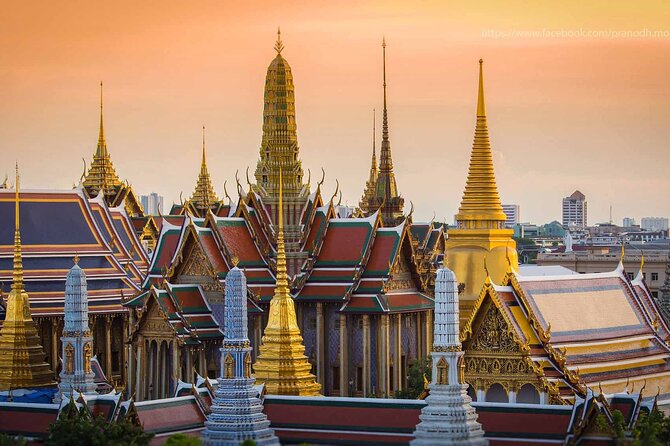
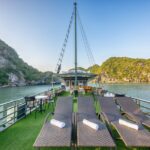
This trip’s signature moment is the time on the water in Halong Bay and Lan Ha Bay. You get a full cruise schedule, with a morning that supports a sunrise experience and a tai chi session on the deck. Then you enjoy time sailing through limestone karst scenery in Lan Ha, described as a quieter tourist area.
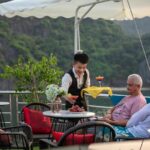
What I like about this setup is variety. Halong Bay gives you the famous dramatic backdrop, while Lan Ha feels calmer and more local in character. And the included onboard activities, like a spring roll cooking demonstration and a sunset party on the sundeck, turn a long travel day into something fun instead of just scenic staring.
Weather matters here. Feedback includes a story where a typhoon forced changes, and the team adapted so the guest could still take a smaller cruise at the last moment. That’s the right mindset for this region: expect weather shifts, and choose a tour that can adjust without melting down.
Hanoi and Hue, with culture heavy lifting in between
After the bay, you shift into Hanoi’s historic core. The tour includes the Temple of Literature, a UNESCO site, plus Hoan Kiem Lake and Ngoc Son Temple. It also adds the Vietnam Museum of Ethnology, which is a smart pairing if you want something beyond old streets and temples. It gives context for Vietnam’s many ethnic groups.
Then the itinerary pushes you toward central Vietnam, with Hue as the bridge. Stops include Thien Mu Pagoda, the Hue Royal Palace area, and tombs connected to emperors like Minh Mang and Khai Dinh. These sites are powerful, but they can also be a lot under midday heat. Go in with a hydration plan and expect walking on uneven grounds.
A nice extra touch is the village stop where people make incense sticks and conical hats. It’s the kind of cultural detail that makes a sightseeing day feel human, not just architectural.
Hoi An and My Son: old town plus UNESCO ruins
You land in Hoi An and get a mix of structure and freedom. My Son comes first, with the UNESCO My Son Sanctuary visit. This is a temple complex tied to the Cham civilization, and it gives you a different cultural layer than Hanoi and Hue.
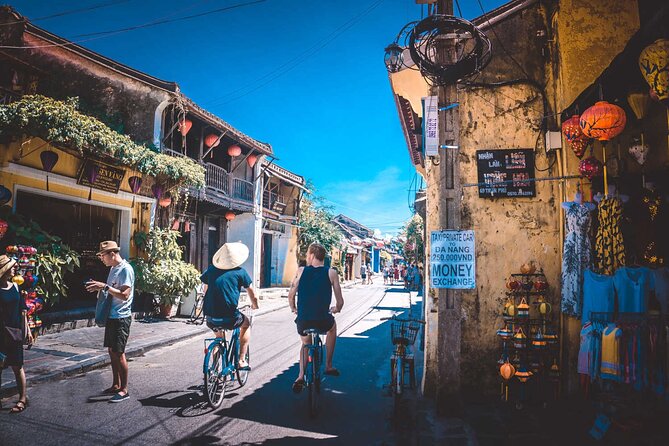
Hoi An then becomes your decompression zone. You get time to walk the Old Town on your own, including space for shopping and relaxing. Since Hoi An is so visually satisfying, free time here is a smart choice. Use it for lantern-lit streets, casual meals, and browsing crafts without a tight clock.
Ho Chi Minh City: war history stops done efficiently
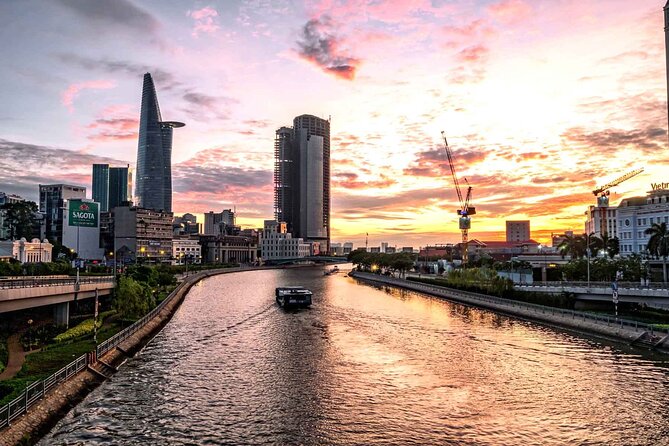
Ho Chi Minh City starts with the practical parts: you fly in, check in, and get the evening to settle. The next day combines iconic war-era history and architecture, including the Reunification Palace and then sites in the area tied to the Vietnam War, plus Cu Chi Tunnels.
The Cu Chi side is not light, but it’s a clear, well-structured way to understand what the tunnels meant. If you’re sensitive to intense history, give yourself time to process, and don’t rush through the harder sections. Efficiency helps, but you still need your own mental pace.
The Mekong Delta: markets and boat time that feel like a different world
The Mekong leg is one of the best “world change” moments on the entire route. You move from big-city Vietnam to rural river life. The tour includes a boat trip along the Mekong River and a visit to a family-run business, followed by more time on the water.
You also get the early start for Cai Rang Floating Market, described as busiest for fruit and vegetables around 6:30am. That timing matters. Markets change fast through the morning, so the early arrival is a real advantage.
Then comes Chau Doc, and the connection over to Cambodia by speed boat. That short water transfer is a practical way to cross region-to-region without losing days to indirect routes.
Phnom Penh: Royal Palace plus the heavy truth of Khmer Rouge history
In Phnom Penh, the day structure hits two tones. First, it includes the Royal Palace and Silver Pagoda. Those sites are visually striking, with ornate architecture and a strong sense of place. It’s a nice contrast after days on boats and markets.
Then the itinerary also gives you optional choices between Khmer Rouge Killing Field and Tuol Sleng Genocide Museum. These are sobering places. I recommend you do at least one if you can, but do it with respect for the material. Bring your own emotional boundaries. This part isn’t about ticking boxes.
The schedule also includes time to explore independently later, which helps. In cities like Phnom Penh, you might want quiet downtime after museum intensity.
Angkor: the famous temples plus the quieter, wilder days
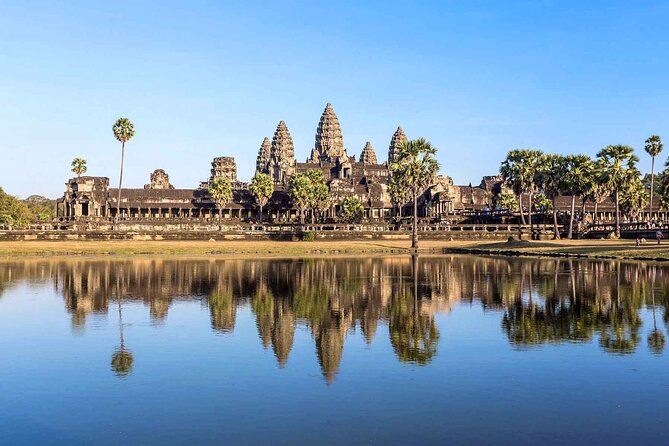
Angkor is the main event, and this tour covers the big three: Angkor Thom, Ta Prohm, and Angkor Wat. Visiting Angkor Thom gives you the “ancient capital” feel. Ta Prohm is the temple where trees and ruins interlock, which makes the whole place look like a living puzzle.
Angkor Wat in the afternoon is still a huge payoff. It’s enormous, and even without sunrise access, you still get the scale and the geometry that makes it legendary.
Then the tour expands beyond the most photographed temples. You get a day that heads toward Koh Ker, described as a remote temple complex in the jungle. That remoteness is part of the point. Beng Mealea also fits this mood, where the temple feels overgrown and less tidy than the famous core sites.
This is a key value here. Many itineraries stop at the must-sees and call it a day. You get at least one off-the-grid feeling day, which makes Angkor more than a checklist.
Tonle Sap and Cambodia’s museum side
After the Angkor temples, you get the National Museum of Cambodia and time on Tonle Sap Lake. The museum helps connect the temple imagery to the broader cultural history, while Tonle Sap gives you a real landscape shift, from temple stones to water ecosystems.
This pairing works because it prevents your brain from staying stuck in one style of viewing. Temples can dominate your visual memory, so adding museum and lake time helps your trip feel rounded.
Thailand jump: floating markets, ruins, and temple variety
After Cambodia, you fly to Bangkok and then continue into a string of historically important and famous sites.
One highlight is the trip to Damnoen Saduak Floating Market via boat trip from Bangkok’s area. Floating markets are chaotic, but that’s exactly why a guided approach helps you understand what you’re seeing and how to move through it. Then you visit the Tiger Temple in Kanchanaburi, which is an unusual stop compared with typical temple circuits.
From there, the tour shifts to Ayutthaya, focusing on temples like Wat Maha That and Wat Phra Si Sanphet, with a stop at the Bang Pa-In Summer Palace area. Ayutthaya is often a top choice for travelers who love ruins, but not every ruin day is the same. Here, the focus is on major temple structures and river-linked context.
Bangkok then includes key temple visits such as Wat Traimit (Golden Buddha Temple), Wat Pho, and Wat Benjabophit, plus a local restaurant lunch. If you want variety, you get it: gold Buddha, giant reclining Buddha, and classic Bangkok temple styles in one go.
Chiang Mai region: Doi Inthanon, Karen village, and the north’s signature temples
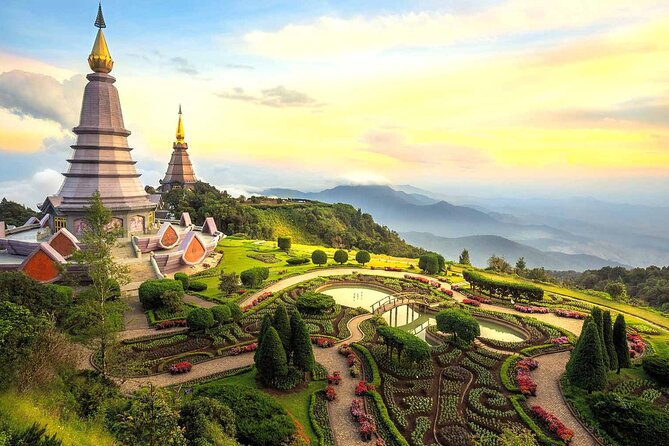
The itinerary then moves to Chiang Mai, where the focus turns to highlands and northern culture. You visit Doi Inthanon National Park, including temple areas at higher elevation and a stop at the Karen hill tribe village. The day also includes Wachirathan Falls for a quick nature break and photos.
This mix is good because it breaks up temple density with viewpoints and waterfalls. You also get a clear feel for Northern Thailand’s cooler climate style, even if you may still experience humidity depending on the season.
Then you go on to Lampang and Lamphun area visits. Stops include Wat Prathat Lampang Luang, the Kad Kong Ta Street Market, Wat Phra That Lampang Luang, and Wat Phra That Hariphunchai. This part of the itinerary feels like it’s looking beyond only Chiang Mai hotspots.
White Temple and Golden Triangle: Chiang Rai’s big finish
Your later days in the north introduce Chiang Rai highlights: Mae Khachan Hot Springs, Wat Rong Khun (the White Temple), and Chiang Saen / Golden Triangle viewpoints.
Wat Rong Khun is one of Thailand’s most recognizable modern temple styles, and the itinerary includes Wat Phrathat Pukhao for a viewpoint over the Mekong junction of Thailand, Laos, and Myanmar. That’s a great way to cap a trip that started in Vietnam and moved through multiple historical layers.
This finale matters because it lets your last travel days feel like wonder and views, not just museum rooms.
Guides, communication, and how the small group size changes everything
This tour runs with a small maximum group size of 10 travelers. That’s not just comfort. It also helps the logistics work. When you have fewer people, it’s easier for drivers and guides to keep timing stable, especially on busy temple days and market mornings.
Communication also looks strong. The tour notes that you can stay in touch with organizers via WhatsApp or phone, and feedback names coordinators like Tran and Tran Son as responsive. That’s a real safety feature when a flight changes, traffic hits, or weather affects the bay.
From the feedback, you also get a sense of careful driver and guide handoffs. Clean, nice vehicles and friendly service are repeatedly mentioned in the notes you shared, including guide names such as Nguyen Duong Nghia and others on different legs. Even if your exact guide differs, it hints at how the operator values service quality over volume.
What kind of traveler should book this?
You’ll probably be happiest if you:
- Want a guided, organized route across Vietnam, Cambodia, and Thailand without juggling drivers and tickets every day
- Like mixing big sights (Angkor Wat, Doi Inthanon) with cultural stops (ethnology museum, Khmer history, markets)
- Appreciate some free time but still want the schedule to carry you through
You might want to skip it if:
- You hate early mornings and prefer to start late
- You want totally independent travel with no private guiding
- You’re not comfortable with serious historical topics, since Khmer Rouge sites are part of the options
Should you book? My practical take
If you want the comfort of a plan you can trust, this is a strong booking. The biggest reason is value in effort saved: private guides, private-room lodging, transport, entrance fees for the listed sights, and domestic flights. That’s a lot of coordination handed to someone else.
It’s also a good fit if you like variety. The route isn’t only temples or only markets. You get cruise time in the bay, floating markets in Vietnam, Royal Palace and Khmer history in Phnom Penh, Angkor plus remote ruins, and then highland and border-area Thailand.
My one caution is to be honest about your energy. This is a long itinerary with multiple big travel days. If you go in ready for early starts and steady sightseeing blocks, you’ll likely find it satisfying. If you want ultra-slow travel, you may feel it is too much.
FAQ
Where does this tour start?
It starts in Hanoi. Arrival day includes a welcome and transfer to your hotel, with the tour starting at 7:00am.
How long is the trip?
The tour runs for about 23 days.
What is included in the price?
Included items are private room accommodation, domestic flights, air-conditioned vehicle, tour guides, entrance fees for included sightseeing, and meals (23 breakfasts, 18 lunches, and 2 dinners).
Are airport or hotel pickups included?
Pickup is offered, and guests are picked up from hotel or private address for scheduled activities on the relevant days.
Is there an option to adjust the itinerary?
Yes. The tour offers an option to adjust the itinerary to your preferences once you book.
How many travelers are in the group?
This tour has a maximum of 10 travelers.
Can I communicate with the organizers during the trip?
Yes. You can stay in touch with organizers via WhatsApp or phone.
What about weather disruptions like typhoons?
The experience requires good weather, and if it is canceled due to poor weather, you will be offered a different date or a full refund. Feedback also indicates the team can adapt when weather impacts the schedule.
What is not included?
Not included are tips, alcoholic drinks, soft drinks, and personal expenses.
Is there free cancellation?
Yes. There is free cancellation, and you must cancel at least 24 hours in advance of the experience start time for a full refund.
Are service animals allowed?
Yes, service animals are allowed.