
Review · SAPA TREKKING TOURS
Sapa Trekking Tour 2 Days 1 Night By Bus
A short trek, big culture, and views that make you pause. This Hanoi to Sapa tour mixes overnight stays (from homestay to a hotel) with village walks among the Black H’mong, Dao, and Dzay people, plus time for traditional food and a waterfall swim. I like that it includes the sleeping bus with hotel pickup, so you are not juggling transport, and I like that the trek is led by friendly guides who explain daily life and local customs, with examples like Vu, Koo, and Mu showing up in past groups. One thing to consider is the early-day pace and the bus ride experience can vary, and Cat Cat can feel like a more tourist-focused stop compared with smaller village segments.
If you are the type who likes your Sapa with fewer empty photos and more people, this is a solid way to get your bearings fast. The group stays small (up to 15 travelers), meals are covered, and the itinerary is built around walking downhill through the Muong Hoa Valley with village visits such as Lao Chai, Giang Ta Chai, and Su Pan. The main drawback is simple: you need moderate fitness, since you will be walking multiple kilometers on rougher paths.
Key takeaways
- Sleeper bus plus Hanoi pickup: you start around 6:30 am from the Old Quarter area and head straight to Sapa.
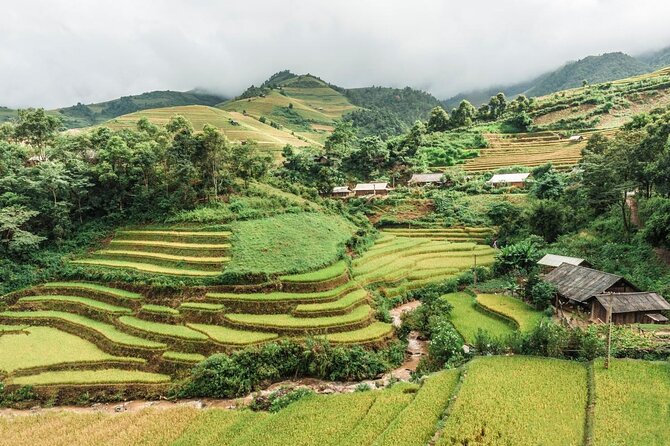
- Village treks with real local focus: Black H’mong, Dao, and Dzay community stops are part of the route, not just a photo line.
- Two lodging styles: choose a homestay night or a hotel night, and the Day 2 schedule shifts.
- Waterfall time: you get a break to swim by a waterfall as part of the experience flow.
- Small group feel: up to 15 people means you can ask questions and stay with your group on narrow trails.
- Meals included: breakfast, dinner, and lunch twice, plus key transport and fees are bundled in.
What this Sapa tour really is, and what it is not

This is a classic “2 days, 1 night” Sapa trekking shortcut. It is designed to move you from Hanoi to Sapa by sleeper bus, then keep you busy with two day segments of downhill walking, village visits, and meals.
What it is not: a slow, flexible hiking vacation with optional rest days. The trek distances are clear enough that you should plan for sore legs, uneven ground, and changes in weather.
The best fit is someone who wants a packed but structured cultural trek, without needing to arrange guides, transport, and meals on your own.
You can also read our reviews of more evening experiences in Hanoi


Hanoi to Sapa by sleeper bus with pickup around 6:30
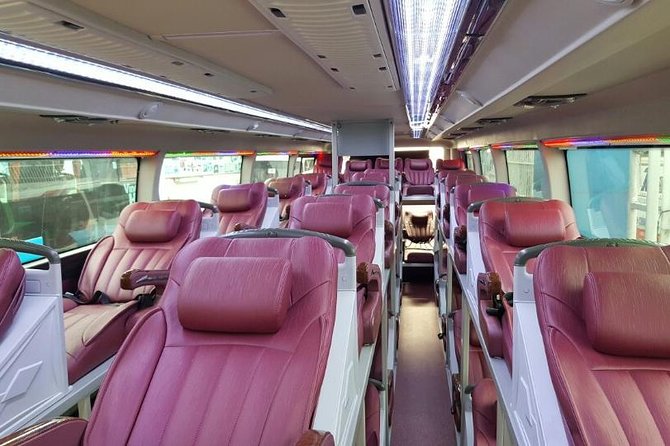
The tour starts early. You should expect pickup at about 6:30 am in Hanoi Old Quarter (when you choose the hotel option), a transfer to the bus station, and then departure on the sleeper bus.
The bus is an air-conditioned setup, and the ride includes WiFi on board. That matters more than it sounds, because you can pass time, check maps, or confirm details before you arrive in Sapa around early afternoon in the itinerary flow.
A practical note: sleeper buses are never “luxury naps” for everyone. Past experiences mention comfort on the beds, but also differences in driver pace. If you are sensitive to long rides, you might want to bring a neck pillow and something for motion comfort.
Arrival in Sapa and your first guided move into the villages
After you arrive in Sapa and meet your guide, the day pivots quickly into walking. The key idea is that you start with a village-focused trek rather than only viewpoints.
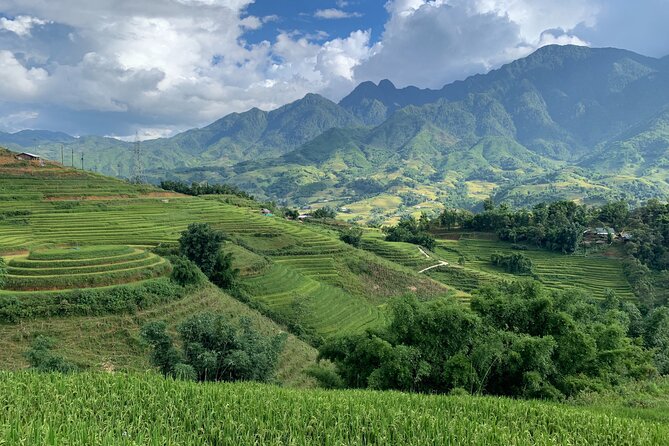
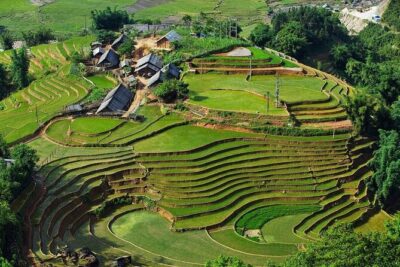
On Day 1, you begin a 12 km trek down the Muong Hoa Valley toward the Black H’mong village area, starting with Lao Chai in the itinerary description. The route also passes through places such as Y Linh Ho and Lao Chai villages.
This is where the guide becomes more than a person to follow. Guides like Vu, Koo, and Mu have been praised for explaining how families live and what you are seeing on the trail. For you, that turns the trek from a checklist into an actual understanding of place.
Lunch is built into the day, and it is served at a local restaurant, which is a nice payoff after downhill walking.
Day 1 village stops, Cat Cat, and a waterfall swim break
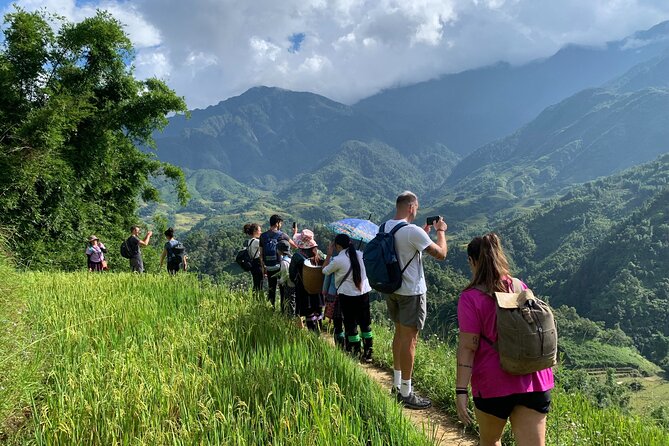
Besides the Lao Chai segment, the tour includes village visiting such as Cat Cat, Giang Ta Chai, and Su Pan. The exact order can vary depending on the option you pick and how the timing works day to day, but you should expect a sequence of smaller cultural stops plus walking.
Cat Cat is often the first name people hear in Sapa. It can also be a bit more tourist-facing, with costumed photo scenes and a faster pace. That does not ruin it, but it does mean you may want to treat Cat Cat as a short orientation stop, not the main cultural moment.
The tour also includes a chance to swim by a waterfall. If you are traveling in warmer months, this is often the part people remember most because it feels like relief after trekking. Bring a quick-dry towel if you have one, and keep track of your phone and camera gear like they are precious, because water and trekking can get messy fast.
Day 2 walking choices: homestay morning life versus hotel option trek

Day 2 splits into two clear paths, based on whether you booked the homestay or the hotel.
You can also read our reviews of more hiking tours in Hanoi



If you choose the homestay option
You wake up early and get a more “daily life” style morning with the Dzay community. The itinerary notes a morning experience of Dzay daily life, followed by breakfast with the Dzay family and then check out the homestay.
Then you move into another trek segment. This option is described as a 6 to 8 km trek into Ho (the final village name is cut off in the notes you provided), so you can expect a shorter second-day walk than the hotel option.
For many people, this is the most meaningful day. You get the chance to see morning rhythms and share a meal before the walking starts again.
If you choose the hotel option
The hotel route starts with breakfast, then checkout, then a 12 km trek down toward the next area (the notes show “Muo” but the rest is cut off). Compared with the homestay version, this is a longer walking day and likely feels more like pure trekking plus village stops.
If you are traveling with older family members or anyone who struggles with longer distances, the homestay option can be a gentler fit because it is explicitly shorter on Day 2.
Accommodation options: homestay warmth or hotel comfort

One of the biggest differences between options is your overnight setup. The tour description says you can choose from a homestay night up to a 5-star hotel.
I like that the tour does not force a single style on everyone. If you want cultural contact, homestay usually offers the closest connection to family routines. If you prefer comfort, a hotel option makes the trek easier on your body after a long day.
Either way, the itinerary includes meals, and the guides have been praised for making the experience feel organized and cared for. There is also a small comfort detail that comes up in real feedback: heating blankets were appreciated after trekking in rain, which tells me the tour provider plans for cold mountain weather changes.
The trekking reality: downhill miles, rough paths, and how to handle it
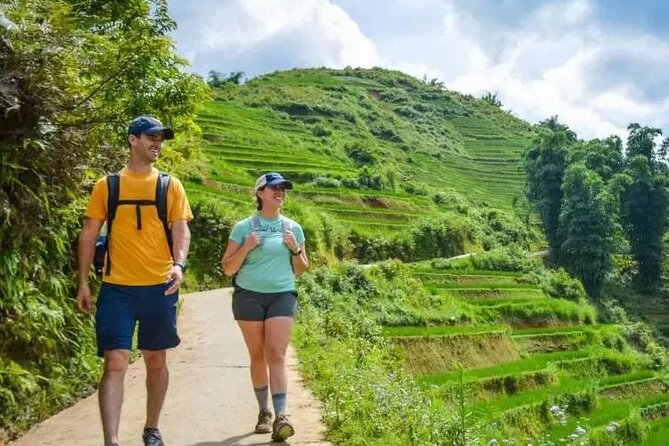
This tour is doable, but it is not a stroll. The trekking difficulty is described as “moderate fitness level,” and experiences mention rough terrain in parts, even when the overall route is downhill.
For your legs, downhill can be more tiring than it looks. Your knees do the work, and uneven ground makes footing slow. That is why local women and the group dynamic can matter on these trails. If you need help balancing, it helps to walk with your guide and let the group set a steady pace.
What to pack for Sapa trekking on a 2-day run:
- Good traction shoes (you are walking on uneven ground)
- A light rain jacket, even if the forecast looks okay
- Warm layers for early mornings and misty afternoons
- A small day bag for water and a snack
- Something small for cold comfort, like gloves, if you get cold easily
And yes, bring an attitude for wet weather. The mountain can rain, and that affects mud, footing, and how long you want to stay outside in one spot.
Food and culture: what you eat, when you eat, and why it matters
Food is not an afterthought here. The included meals cover breakfast, dinner, and lunch twice. That means you can focus on walking and village time rather than stopping to negotiate for food mid-trek.
You also get a “traditional Vietnamese food” component in the tour description, plus a specific cultural meal moment in the homestay option with breakfast at the Dzay family home.
Why this matters: on a short tour, the food moments become your energy anchors. When the schedule hits a long walking segment, you want meals that are nearby and timed to keep you from feeling rushed or underfed.
Group size, guide energy, and why names matter
This tour caps at 15 travelers. That smaller group size matters on trekking paths, where narrow trails and uneven footing make crowding annoying fast.
Guide quality is one of the standout parts of the experience. Past feedback specifically praises guides like Vu, Koo, and Mu for being friendly, helpful, and able to explain culture and local life in a way that feels practical, not like a scripted lecture.
If you like asking questions, this setup gives you the chance. If you prefer silence and photos only, you can still get that, but you might notice more details once the guide points them out.
Price and logistics value at about $85 per person
The price listed is $85 per person for a 2-day, 1-night Sapa trekking experience from Hanoi. For a short trip, that is not just about the trek. You are also paying for sleeper bus transport, hotel pickup, an air-conditioned ride, WiFi on board, included meals, and guided village visits.
You can compare this to booking pieces separately. The sleeper bus from Hanoi is often the biggest fixed cost, and adding meals plus a guide can easily push total spending higher than a bundled option.
A caution on value: if you choose the homestay option, the “comfort bargain” comes from being close to family routines rather than from upgraded rooms. If you choose the hotel option, your money shifts toward comfort, but you also may do a longer Day 2 trek based on the distances provided.
Overall, at this price, it is strong value if you are flexible and ready for a real walking day.
Weather, timing, and what can change
This tour requires good weather. If poor conditions cancel it, you are offered another date or a full refund.
Even when the tour runs, mountain weather can affect trekking comfort. That is one reason the guide and group pace matter. If trails are slippery, you will move slower, and that can extend the day.
On transport, the ride timing can also shift. One past experience mentioned that a slower driver made the outbound journey take longer than expected due to fewer stops. The lesson for you is simple: treat “time to Sapa” as a range, not a promise, and bring patience for the road.
Who should book this Sapa 2 days 1 night trek
This tour is a great match for:
- You want Sapa but do not want to spend three or more nights
- You like village treks and cultural conversation with a guide
- You can handle walking downhill for multiple kilometers
- You want either homestay culture or hotel comfort, depending on your style
It might be less ideal if:
- You want a very easy, low-effort hike
- You strongly dislike bus travel and long seated time
- You are hoping for only “off the beaten path” villages with no tourist-facing stops
If you fall into the middle ground, you can still enjoy this. Just set expectations about what the schedule is designed to do: fit a lot in, with guided structure and included meals.
FAQ
What time does the tour start in Hanoi?
The start time is 6:30 am.
Is hotel pickup included from Hanoi?
Yes. The tour notes pickup by taxi from the Hanoi Old Quarter area, then transfer to the bus station before departing for Sapa.
How long is the trip?
It runs for 2 days (approximately), with travel from Hanoi to Sapa by sleeper bus and time for two day trekking segments.
What overnight accommodation options are available?
You can choose an overnight stay from a homestay to a 5-star hotel, depending on the tour option you select.
How much trekking is included on Day 1?
Day 1 includes a 12 km trek down the Muong Hoa Valley toward the Black H’mong village area of Lao Chai.
How much trekking is included on Day 2?
The Day 2 trek changes by option. With the homestay option, it is described as a 6 to 8 km trek. With the hotel option, the trek is described as 12 km down.
What meals are included?
The tour includes breakfast and dinner, plus lunch (2) on the two trekking days.
Is WiFi available during the sleeper bus ride?
Yes. WiFi on board is included.
Should you book this Sapa trekking tour?
If you want a fast, organized way to experience Sapa’s ethnic minority villages, this is a solid booking. I would choose it if you are comfortable with moderate trekking distances, like having meals and transport handled, and want a guide who can explain what you are seeing, with names like Vu, Koo, and Mu coming up in past groups.
I would pause and rethink if your ideal Sapa is mostly easy walking or if you want zero tourist-facing village stops. For a 2-day, 1-night plan, you need to accept a bit of structure and pace, then enjoy the moments when the villages and people take over the schedule.
More Evening Experiences in Hanoi


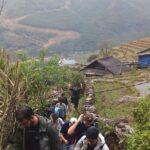
More Tours in Hanoi
- Ninh Binh Full-Day Tour from Hanoi to Hoa Lu, Tam Coc & Mua Cave Via Boat & Bike
★ 5.0 · 4,384 reviews



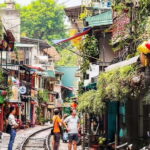


More Tour Reviews in Hanoi


Not for you? Here's more nearby things to do in Hanoi we have reviewed






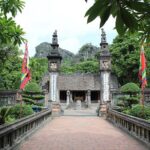





More Sapa Trekking Tours to consider.
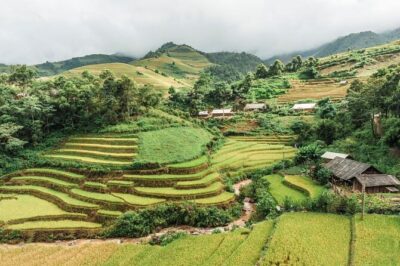 ★ 5.0Sapa 2 Days 1 Night From Hanoi – Overnight in Ta Van VillageTickets from $592,669 traveller reviews
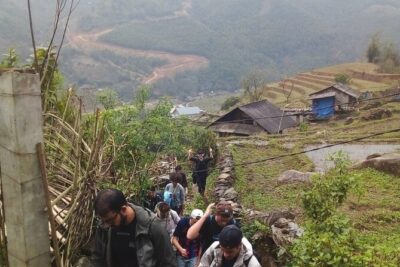 ★ 5.0Hanoi – Sapa 2 Days 1 Night Overnight At HomestayTickets from $89899 traveller reviews
 ★ 4.6Sa Pa: Muong Hoa Valley Trek and Local Ethnic VillagesTickets from $23864 traveller reviews
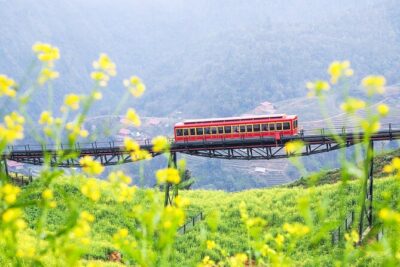 ★ 5.0Sapa: Fansipan Cable, Cat Cat Village & Moana Instagram TourTickets from $30777 traveller reviews
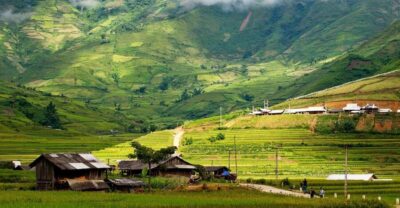 ★ 4.8From Hanoi: 2-Day Sapa Trekking Trip with Homestay & MealsTickets from $71704 traveller reviews
 ★ 5.0Sapa 3 Days 2 Nights Trekking Tour (1 Night In Ta Van Village, 1 Night In Hotel)Tickets from $139699 traveller reviews
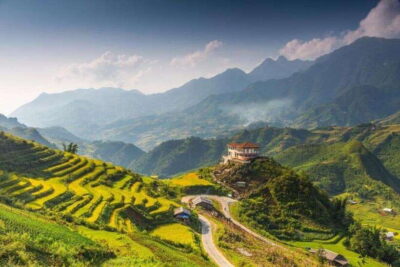 ★ 4.9Sapa: Eco Adventure Terrace Fields and Local Villages TrekTickets from $27636 traveller reviews
 ★ 5.03-Day Trekking Adventure of Sapa from Hanoi – Stay Ta Van VillageTickets from $109611 traveller reviews
More useful Hanoi routes