
Review · SAPA TREKKING TOURS
Sapa – Bac Ha Trek Tour – Night Train & Bus & Homestay overnight
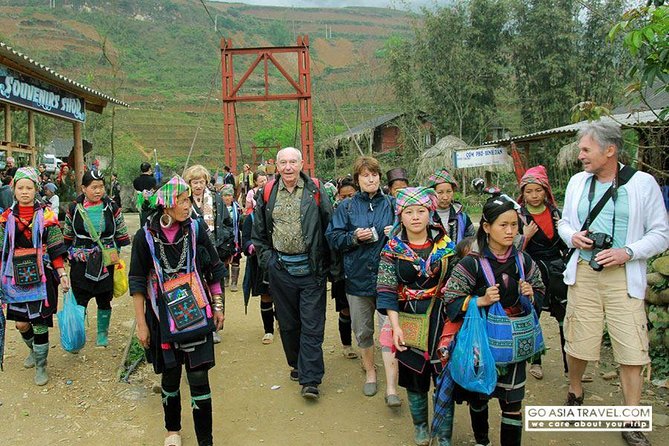
If you want Sapa without the stress, this route makes sense. It links overnight train and guided village treks with an easy schedule and a valley homestay, so you can focus on the rice terraces and people, not logistics. I especially like the small-group feel (up to 15) and the fact that most meals are handled for you, which keeps the day from turning into constant snack hunting. The main drawback to plan around is comfort level: the homestay is basic, and Sapa weather can swing from fog to rain, including a longer 9 km trek that older travelers should skip in wet conditions.
The big idea here is simple: you get carried from Hanoi to Sapa, walk with a local English speaking guide, sleep in Ta Van, then finish with a private visit to Bac Ha Sunday market and nearby village paths. You also have a choice of transfer styles from Hanoi to Sapa (train or bus depending on your option), which helps if you prefer one kind of pacing over another.
Key things I’d bookmark before you go
- Hanoi night train timing: meet at Hanoi station for SP1/SP2/SP3 at 21:30, then a morning transfer from Lao Cai
- Ta Van homestay reality check: shared room or single mattress, public bathroom, simple facilities
- Village variety with local guides: black H’Mong areas, Zday villages, and mixed communities around Muong Hoa
- Sunday-only Bac Ha market: pig, hens, and goods exchange in the old-style market setting
- Private Bac Ha visit: private car plus guide for the market and Hoang A Tuong’s castle
Why this Sapa to Bac Ha trek feels easier than DIY
Sapa is one of those places where planning can eat your energy. This tour is built to reduce that. You are not coordinating transport day-by-day, and you are not guessing where to go for village visits. Instead, the tour bundles the key parts: getting from Hanoi to Sapa, guided treks through village areas, meals, an overnight homestay in Ta Van, and a private outing to Bac Ha Market.
I like the practical value: the price is low for what you get, because the included parts are the expensive headaches in Vietnam. Think overnight train or transfers, a guided trek program, two homestay nights, and entry fees to specific sites. Even the government tax is included in the tour price.
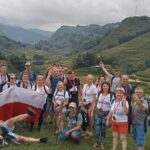
The other smart touch is the size. With a maximum of 15 travelers, you still get that group organization, but it does not feel like a herd. It is easier to hear your guide and keep a steady pace on narrow paths.
You can also read our reviews of more evening experiences in Hanoi


Hanoi to Sapa by night train, then a quick Lao Cai to Sapa hop
Your first “wow” moment is the night train from Hanoi. You meet at Hanoi Train Station, then board one of SP1/SP2/SP3 departures at 21:30 to Sapa. The schedule matters because it sets you up for a full day in Sapa Valley instead of losing the morning.
After arrival, the program has you transferred from Lao Cai Train Station to Sapa. The pickup is listed at 5:00 am, and the drive is about 40 km. That early connection is what allows the next part of the itinerary, breakfast and trekking the same day, without feeling rushed.
If you dislike overnight trains, you should still look at the transfer options. The tour indicates you can choose bus or train transfers from Hanoi to Sapa depending on your option. The point is that you are not locked into one style.
Day 1: Cat Cat waterfall vibes, Lao Chai terraces, and your Ta Van homestay night
Day 1 starts with a more gentle ramp into the trek. After breakfast at your hotel, you prepare a light bag for the short trek to Cat Cat village with a local H’Mong guide. This is the part of the trip that gives you your first taste of Sapa trekking without immediately exhausting you.
Cat Cat village: black H’Mong life and old French-era details
Cat Cat is home to black H’Mong communities. The tour focus here is not just photos, it is the mix of scenery and everyday places. You will see terrace fields and Muong Hoa stream views, plus the waterfall area.
One detail I’d call out is the hydroelectric power plan made from French time. It is a specific, historic-feeling stop that breaks up the typical village-walk pattern. There is also mention of schools for the community, which helps you see that these villages are not just scenery. They are living places.
Practical tip: bring a light layer you can peel off. In Sapa, you can start chilly and end sweaty depending on cloud cover.
Lao Chai trail: a village by the Muong Hoa valley
After Cat Cat, the route continues to the Lao Chai area, described as a village of black H’Mong people by Muong Hoa valley and stream, at the foot of Fansipan mountain. The trek is characterized by the terraces along the way.
One consideration: Sapa weather can turn slow walks into slippery ones. The tour notes that a long trek of 9 km exists on the program and that older travelers should not attend it, especially in rain. Even if you personally feel fit, rain makes footing harder and time estimates less reliable.
So, your best strategy is simple: wear grippy trekking shoes and go steady.
You can also read our reviews of more hiking tours in Hanoi
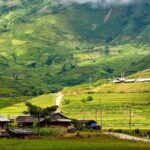

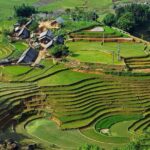
Ta Van village: Zday community views and an overnight homestay in the valley
Your next stop is Ta Van village, home of Zday people. The tour description emphasizes Muong Hoa stream proximity and amazing views, plus the idea that there are many beautiful treks connected to this area.
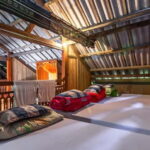
Then you sleep here. The homestay is in Ta Van, in a Ta Van villa, and the tour is explicit that it is different from a hotel. You will use shared room arrangements or single mattress with a public bathroom.
If you worry about comfort, do not ignore this part. Basic can still be cozy and welcoming, but it is not a “spa weekend” style setup. If you accept that going in, the homestay becomes a highlight because you are actually part of the rhythm of the valley.
Day 2: Giang Ta Chai mix of groups, bamboo forest paths, and another night with your host
Day 2 includes Giang Ta Chai village, described as a home for Red Zdao, Zday, and black H’Mong people living together. That mix matters because it gives you a more complex view of community life than a single-group highlight.
Here, the tour leans into the scenery and walking conditions: bamboo forest, rice terrace fields, and views toward the Muong Hoa valley. You are not just checking boxes on a list. You are moving through the working visual cues of the region, terrace patterns and vegetation that shape daily life.
After the village visit, the tour keeps your schedule flexible in a useful way: you can stay with the host at the homestay. That also connects back to why this style of tour can feel more personal than day-hikes. You are not constantly on the move.
The overnight setup again depends on the homestay style and basic facilities. The tradeoff is that you get the “why” behind the place, not just the “what.”
Day 3 Sunday in Bac Ha: market energy, Hoang A Tuong’s castle, and Pho village walk
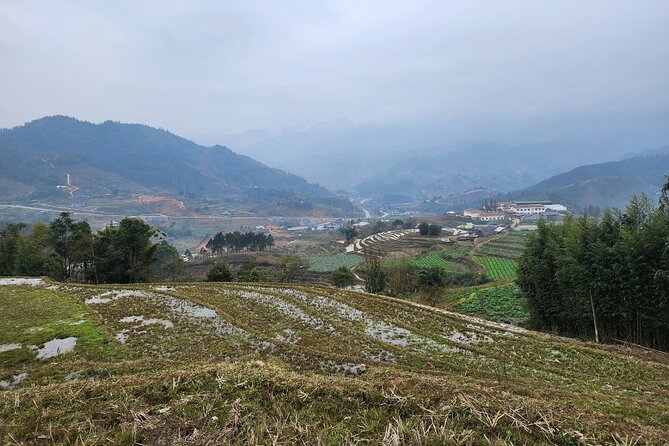
Day 3 is where the trip shifts from valley treks to a market and cultural sites. The big headline is Bac Ha Market, which only takes place on Sunday morning. So the calendar matters. If your trip window does not include Sunday, this exact highlight would not line up the same way.
Bac Ha market: trading goods the old way
The market visit is described as showing the original way of exchanging goods, plus contemporary trading. You can see locals exchange items like pig, souvenirs, and hens for other products.
I like this because it is tactile and practical. It is not a staged performance. Even if you just watch and learn a few words, the market helps you understand what locals actually do, not just what they sell.
Hoang A Tuong’s castle: a look at H’Mong leadership in the past
Next is Hoang A Tuong’s castle, associated with the king of H’Mong people in the past. The tour frames it as the most luxurious place where he lived with his family and ruled over ethnic people.
This stop adds a structured, historical anchor to the day. It is also an included entrance experience, so you are not hunting for tickets or figuring out how much to pay.
Pho village: a short walk for daily life
After the castle, there is a walking stop near Bac Ha, at Pho village. The walk is described as peaceful, focused on daily life of ethnic people.
This is a good “slow down” finish after the market activity. Your legs may be tired, so enjoy the lighter pace and watch how daily routines continue beyond the market hours.
Meals, guides, and small-group pacing that make a difference
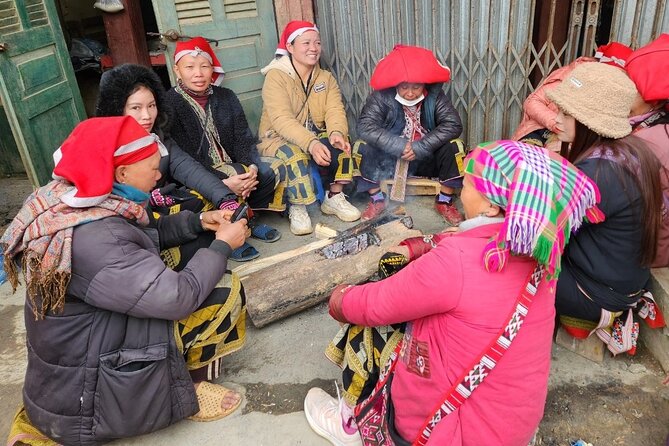
In a trekking tour, meals and timing are not small details. They decide whether you feel strong or cranky.
This program includes a lot of food coverage:
- Dinner included
- Lunch included for three days
- Breakfast included for three days
That means you can spend your energy on the walking and the village moments instead of counting coins for every meal.
You also have a local English speaking guide in Sapa. The guide can be changed depending on routes, but the intent is consistent: you get interpretation and direction. For Bac Ha, you get a private car and guide, which usually makes the transit part less stressful and keeps the day from feeling chopped into random segments.
And remember the group cap, up to 15 travelers. That helps on narrow paths and in villages, where spacing matters.
Comfort, packing, and weather in Sapa (including fog and rain reality)
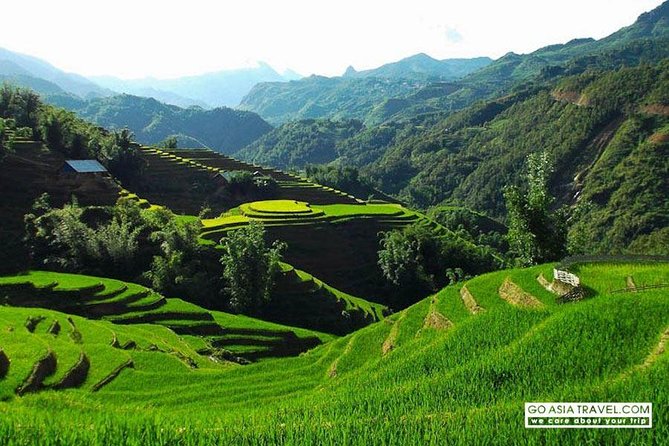
Sapa is famously changeable. This tour explicitly warns that the weather is unpredictable and that it is normally cold in September through March. It also notes fog can happen in December, January, February, and March.
So pack like you live in the movie version of layers, not like you are going to a predictable beach.
The tour’s packing list is solid:
- Warm clothes
- Scarf, hat, cap
- Trekking shoes
- Sunglasses
- Sun cream
- Insect repellent
- Medicine
I’d add one mindset tip: Sapa weather can mean you need both warmth for fog and light comfort for trek sections. The scarf and hat help you adjust fast.
Cash is also important. The tour advises you take cash in Vietnam Dong because the banking system in Sapa sometimes doesn’t function well. US dollars and euros are accepted in Sapa too.
One more consideration is physical fit. The tour asks for a moderate fitness level. It also says old people should not attend the long trek of 9 km due to challenge and danger in rain. If you are worried about your ability, do not try to power through. Rain makes slips and fatigue more likely.
Price and logistics: does $54.20 make sense?
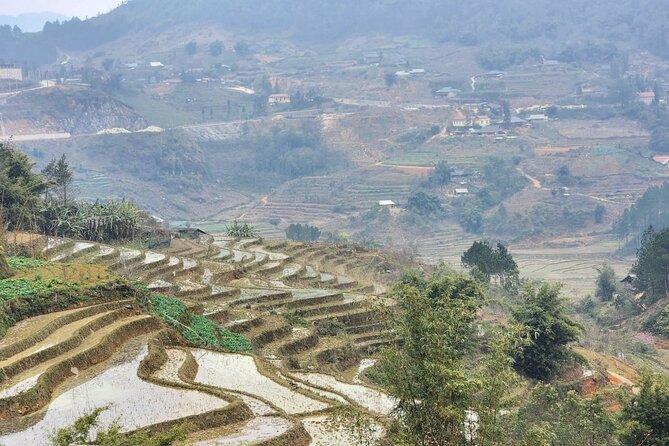
At $54.20 per person for a roughly 3 day experience, this tour is pricing itself like a value deal. And there are reasons it can work.
You are not paying just for walking. Your inclusions cover:
- Overnight train Hanoi to Sapa, depending on your chosen option
- Transfers tied to the train route (including the 5:00 am pickup from Lao Cai Train Station and about 40 km drive to Sapa)
- Homestay in Ta Van with simple facilities
- An English speaking local guide in Sapa
- A private Bac Ha tour with car and guide
- Meals: breakfast, lunch, and at least one dinner plus multiple included meals across the program
- Entrance fees in Ta Van and Hoang A Tuong’s palace in Bac Ha
- Government tax 8%
The tradeoffs are also clear. Drinks are not included. Travel insurance, personal expenses, and the single supplement are not included. If you want a private room setup without paying extra, you should check your needs early.
Also note the homestay style. If you price comfort differently, that changes value. For many people, it becomes a fair swap for being in the valley with a host family.
Who this tour is best for (and who should skip it)
This tour is a good match if you want:
- A guided Sapa experience without doing route planning
- Village treks that go beyond one viewpoint
- A homestay in Ta Van, with the understanding that it is basic
- Bac Ha Market on Sunday morning, plus a private visit to Hoang A Tuong’s castle
- A small group pace up to 15 travelers
It is not a great match if:
- You need hotel-style comfort
- You cannot do a moderate fitness trek, including a longer 9 km trek segment
- You have accessibility concerns or fall into the tour guidance categories (handicapped travelers, and children under 6 years old are not recommended for this tour)
Should you book this Sapa to Bac Ha Trek Tour?
I’d book this if you are the kind of traveler who likes structure plus real moments. The best part of this kind of trip is that the route handles the hard parts for you: getting to Sapa, feeding you, guiding you, and taking care of key visits like Bac Ha Market on Sunday and Hoang A Tuong’s castle.
But you should book with eyes open. The homestay is basic, the weather can be foggy or rainy, and there is a long trek component of 9 km that older travelers should avoid in wet conditions.
If those points fit your travel style, this tour looks like a smart value way to see Sapa Valley villages, then add Bac Ha Market and nearby village life without turning your trip into a logistics project.
FAQ
How do I get from Hanoi to Sapa on this tour?
You meet at Hanoi Train Station for SP1/SP2/SP3 departures at 21:30 to Sapa. At 5:00 am, a driver picks you up from Lao Cai Train Station and transfers you about 40 km to Sapa. Bus or train transfer options from Hanoi to Sapa are also mentioned depending on your option.
Is the overnight train included?
Yes. The tour includes overnight train Hanoi to Sapa depending on the chosen options.
Where is the homestay during the trek?
You stay overnight in Ta Van at a homestay with a shared room or single mattress, with a public bathroom.
What meals are included?
Dinner is included, and breakfast and lunch are included for three days each (breakfast 3, lunch 3).
What happens in Bac Ha on the final day?
You visit Bac Ha Market on Sunday morning, then you visit Hoang A Tuong’s castle. After that, there is a walk near the market at Pho village for a look at daily life.
Are entrance fees included?
Yes. Entrance fees include those in Ta Van and the Hoang A Tuong palace in Bac Ha.
How many people are in the group?
The tour has a maximum of 15 travelers.
What should I pack for weather in Sapa?
The tour recommends warm clothes plus a scarf, hat, and cap, along with trekking shoes, sunglasses, sun cream, insect repellent, and medicine. It also advises taking cash in Vietnam Dong.
Who should not join this tour?
Old people should not attend the long trek (9 km) due to challenge and danger in rain. Handicapped people and children under 6 years old should not attend.
What is the cancellation policy?
Free cancellation is offered. You can cancel up to 24 hours in advance for a full refund, with no refund if you cancel less than 24 hours before the experience start time.
More Evening Experiences in Hanoi

More Tours in Hanoi
- Ninh Binh Full-Day Tour from Hanoi to Hoa Lu, Tam Coc & Mua Cave Via Boat & Bike
★ 5.0 · 4,384 reviews



More Tour Reviews in Hanoi


Not for you? Here's more nearby things to do in Hanoi we have reviewed






More Sapa Trekking Tours to consider.
 ★ 5.0Sapa 2 Days 1 Night From Hanoi – Overnight in Ta Van VillageTickets from $592,669 traveller reviews
 ★ 5.0Hanoi – Sapa 2 Days 1 Night Overnight At HomestayTickets from $89899 traveller reviews
 ★ 4.6Sa Pa: Muong Hoa Valley Trek and Local Ethnic VillagesTickets from $23864 traveller reviews
 ★ 5.0Sapa: Fansipan Cable, Cat Cat Village & Moana Instagram TourTickets from $30777 traveller reviews
 ★ 4.8From Hanoi: 2-Day Sapa Trekking Trip with Homestay & MealsTickets from $71704 traveller reviews
 ★ 5.0Sapa 3 Days 2 Nights Trekking Tour (1 Night In Ta Van Village, 1 Night In Hotel)Tickets from $139699 traveller reviews
 ★ 4.9Sapa: Eco Adventure Terrace Fields and Local Villages TrekTickets from $27636 traveller reviews
 ★ 5.03-Day Trekking Adventure of Sapa from Hanoi – Stay Ta Van VillageTickets from $109611 traveller reviews
More useful Hanoi routes