

Review · SAPA TREKKING TOURS
Sapa: 3-Day, 3-Night Trek and Hotel with Overnight Train
Foggy mornings, fresh trails. This 3-day Muong Hoa trek links Black H’mong, Dzay, and Red Zao villages with a Ta Van homestay, and it does it with an overnight train so you trade travel time for real scenery. I especially like the built-in rhythm, early starts for village walks, then slower evenings in Sapa with simple local food. One drawback to plan for: the itinerary is active, and the 9 km trek is not recommended for older guests or children.
I also like how the tour uses the Muong Hoa Valley as the backbone, with terraced rice views and small village stops that feel less like a checklist. You’ll get guided cultural context plus practical photo time, and you’re not left to figure out transport and meals alone. The main consideration is logistics fatigue: the train ride is part of the experience, but it can be noisy or bumpy, and the toilet setup can be challenging for some people.
Key points worth knowing before you go

- Overnight train plus shared cabin reduces one full travel day and keeps costs reasonable for a 3-day mountain program
- Muong Hoa Valley village trekking gives you ongoing views, not just one single hike
- Ta Van homestay with the Zay Hill Tribe is the human highlight, especially if you like meeting families and asking questions
- Ethnic minority visits across three groups help you compare daily life, clothing, and farming rhythms
- Cash-based shopping pressure is real in Sapa and on trails, so you’ll want a plan for politely ignoring sales talk
- Cold weather packing matters because Sapa can be unpredictable, especially from September to March
Overnight train from Hanoi to Lao Cai, the part that shapes your whole trip
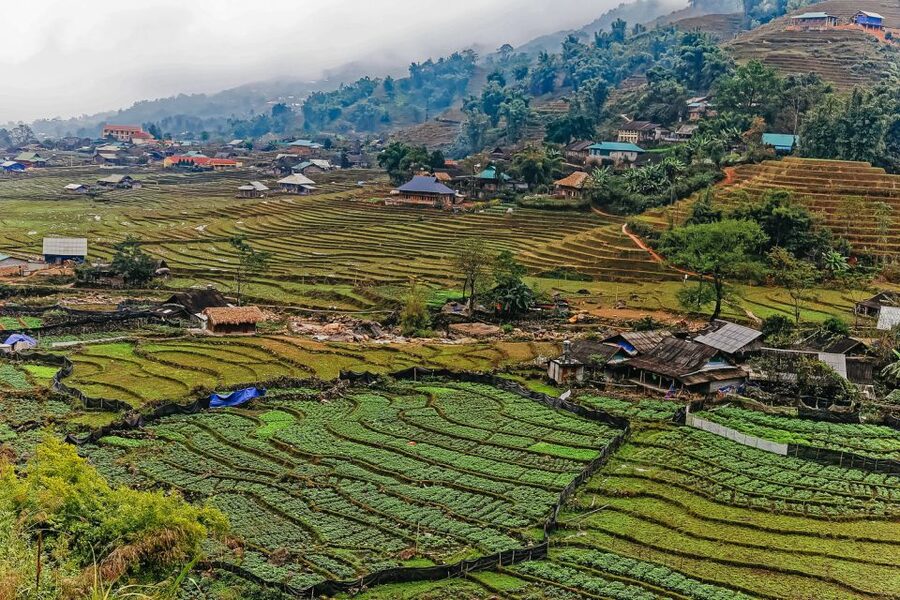
This trip starts the night you leave Hanoi. You aim to be at the Hanoi station by 9 PM, then board the overnight train at 10 PM to Lao Cai. In practice, this format is valuable because it turns a long transfer into sleep time. If you’ve ever done a Sapa day tour and felt rushed, this is the fix: you arrive with daylight energy rather than waking up at the bottom of a mountain and immediately trekking uphill.
The train includes a shared 4-bed air-conditioned cabin. Reviews describe the berths as feeling like a bed at home, and many people say they slept well. Still, plan with flexibility. Some folks report the ride can be noisy and bumpy, and the toilet can be difficult to use. That doesn’t mean you’ll have a bad time. It just means you should treat it as a functional overnight bus-train hybrid, not a luxury cabin.
When you reach Lao Cai, you transfer to Sapa by shared minibus. This is when the route becomes scenic and real. From here, the day-by-day walking and village time starts to make sense, because you’re not dragging yourself up the mountain after a full day already spent traveling.
You can also read our reviews of more evening experiences in Hanoi



Day 1: Sapa Center, Sin Chai village, and a relaxed night in town
Day 1 begins early. Your guide meets you at the station in the morning, then you transfer back toward the Sapa hotel area so you can manage luggage and settle in. Breakfast is at the hotel, and you’ll want to plan your energy here. You’re starting with a walk that goes southwest out of the Sapa center.
The first village stop is Sin Chai, home to the Black H’mong. This is more than 2 km from Sapa town, and that distance matters. It helps the visit feel rustic rather than like an edge-of-town photo spot. The goal is to see day-to-day village life that still resembles highland routines: simple houses, village paths, and a slower pace than the main tourist drag.
One smart expectation: your afternoon is intentionally lighter. After trekking, you head back for lunch and then get free time to rest or explore. Dinner is at 6 PM, and you can expect simple local food such as roasted corn and baked eggs cooked beside a charcoal fire. It’s a small detail, but it signals the tone of the trip: you’re not spending every hour in motion.
That night is also when you’ll feel Sapa’s social side. You can shop, browse, and walk around town. Just keep in mind that some of the same selling energy you’ll see on the trail can show up in town too, so stick with your budget and pace.
Day 2: Muong Hoa Valley to Y Linh Ho, Lao Chai, then Ta Van (Zay homestay)
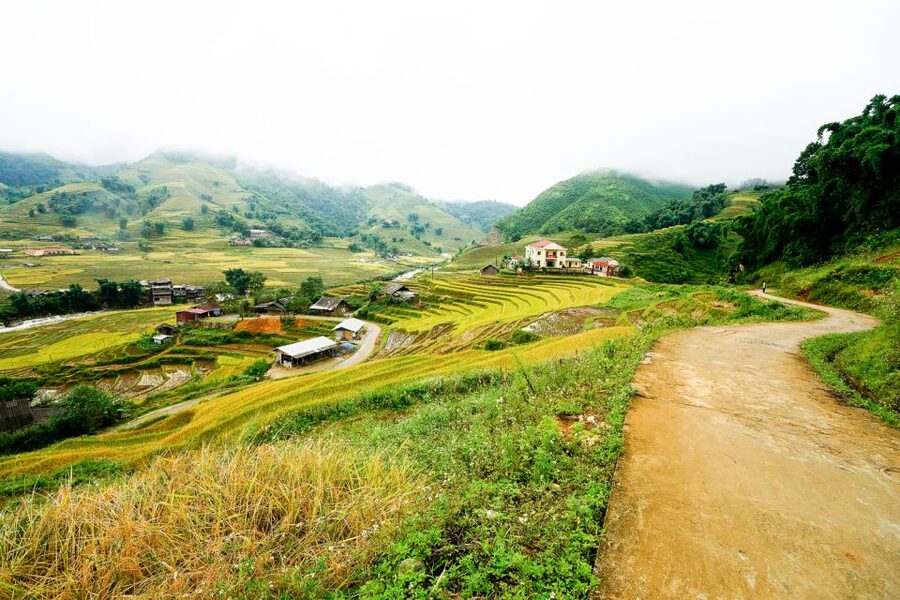
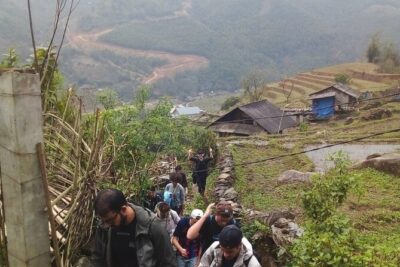
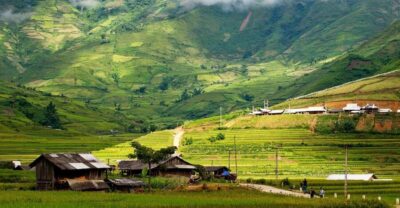
Day 2 is the classic trekking day. After breakfast, you start walking along the side of the Muong Hoa Valley. This matters because it’s not just a single point-to-point trail. The valley route keeps scenery changing while you move through multiple villages, which makes the day feel full without constantly climbing everything at once.
You first reach Y Linh Ho, a Black H’mong village. Then you continue trekking down to Lao Chai. Reviews suggest your guide will pace stops well, with time for photos and conversation. That pacing is a big deal on a multi-village day, because without guidance you’d likely lose time negotiating the right turns, the right paths, and the right breaks.
Lunch is included, then you walk through terraced rice fields toward Ta Van. This is where the trip becomes more personal. Ta Van is home to the Dzay minority people, and you’re there for an overnight stay. You’ll spend the night in a shared setting with air-conditioned train time behind you and a homestay pace ahead of you.
The value here is not only the scenery. It’s the shift from public village stops to household life. A homestay is where you can ask questions without feeling like you’re inside a show. You’ll likely notice how meals and routines shape the visit, and you’ll see how hospitality works day-to-day rather than as a performance.
A small note to manage expectations: the itinerary also warns you that local ethnic people may try to accompany you on the trail to ask for money or sell items at high prices. This doesn’t mean the experience is unsafe, but it does mean you need a firm approach. Follow your guide, ignore sales pressure during walking sections, and treat selling as what it is, a livelihood strategy, not a personal request.
Day 3: Red Zao and H’mong villages, waterfall and rattan bridge, back to Sapa then Hanoi

After breakfast in Ta Van, you continue trekking to visit two villages, including areas connected with the Red Dzao and the H’mong. You also get a fun mix of scenery stops, including a waterfall and a Rattan Bridge. Add a bamboo forest view along the way and you get a final-day blend: people, paths, and natural features.
This day is about finishing strong while keeping the logistics simple. At a point you head back to the main road to catch a car to return to Sapa. Then around 2 PM, you pack and prepare for the final leg back toward Hanoi. You hop in a limousine and drop off in Hanoi around 8 to 9 PM.
That timing is practical. It means you’re not arriving back at midnight, and you can still plan an evening meal or sleep without losing your entire next day. If you want to keep your Hanoi days flexible after Sapa, this schedule helps.
Also, it’s a good reminder that the trek has an end. Some hikers want a long slow burn. This one is structured and time-bound, which makes it easier to fit into a 3 to 3.5 day visit without turning your trip into a full-time bootcamp.
The homestay in Ta Van, what it feels like and how to get the most from it
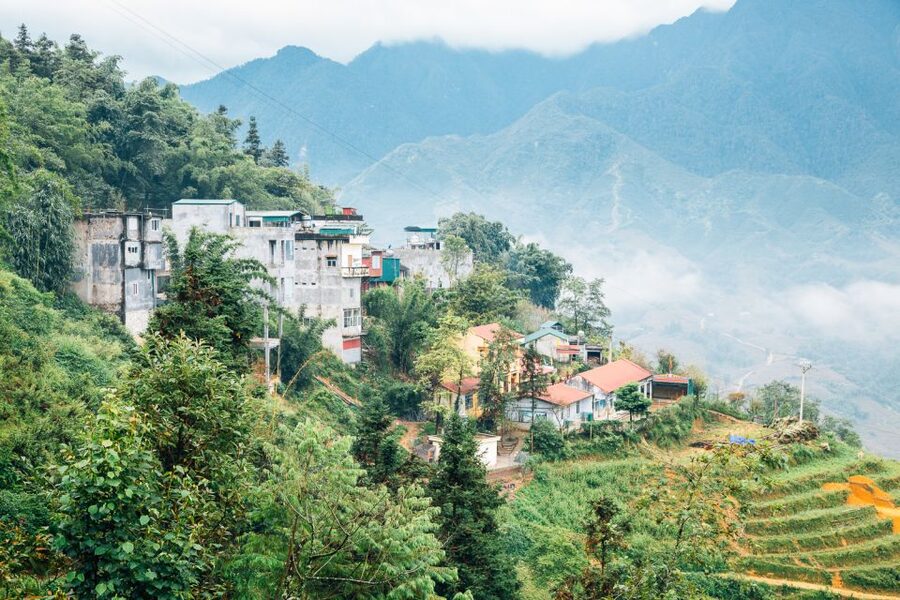
The homestay is one of the main reasons people book this route. Your stay is described as a 1-night accommodation in Ta Van Village, associated with the Zay Hill Tribe. That one night is the difference between a day-trip cultural stop and a trip that actually lets you see how families live when the walking visitors aren’t around.
From reviews, you can expect the homestay to be clean and well organized, with warm welcome energy from local hosts. People also mention the food as tasty. You shouldn’t expect a hotel style setup. Instead, you’re signing up for a home setting, where warmth and routines matter more than amenities.
How to make it work for you:
- Go with curiosity and basic manners, not a checklist.
- Ask small questions through your guide, like how daily routines work and what families do during different seasons.
- Keep your flexibility if the schedule is less rigid than in the city.
And one more reality check. In Sapa and on trails, you might get followed briefly by people who want to sell items. During the homestay day and in village areas, this can happen too. Your guide’s job is to keep the visit moving, so give them that space. Politely decline if needed and keep the focus on your hosts.
You can also read our reviews of more hiking tours in Hanoi





Village visits, guides, and the craft center where women trade skills
This tour is built around ethnic minority communities across the region. You see Black H’mong in Sin Chai and Y Linh Ho, then H’mong in Lao Chai, and you also visit areas tied to the Red Dzao. That mix is exactly what makes Sapa more than a view.
One highly praised element is the local handicraft center where women gather to exchange skills. That’s a valuable stop because it’s not only selling. It’s craft knowledge in action. It’s also a chance to understand what goes into clothing and textiles beyond the final product.
Guide quality seems to matter a lot here. Reviews mention people like Chu, who is described as friendly and knowledgeable, and others named Mai, Su Su, and Ai who are praised for being friendly, chatty, and helpful. Even when guides differ day to day, the pattern holds: they’re there to explain what you’re seeing and keep you on the right track between villages.
One practical takeaway: take cash in Vietnam Dong. Banking can be inconsistent in Sapa, and US dollars, euros, and Australian dollars are accepted in Sapa. If you want souvenirs, plan how much you’ll spend before you leave town, because the selling pressure can be frequent. Then you’re buying with control, not reacting on the spot.
Price and value of around $212, what you’re really paying for

At about $212 per person, this is not a budget-only Sapa hike, but it also isn’t priced like a private luxury expedition. The value comes from the bundle.
You’re paying for:
- Hotel pickup and drop-off from Hanoi Old Quarter
- Transfers between Hanoi, Lao Cai, and Sapa
- A local English-speaking guide
- Meals for each day as listed (breakfast, lunch, dinner)
- A shared 4-bed air-conditioned cabin on the overnight train
- A 1-night hotel stay in Sapa center at 3-star level
- A 1-night homestay in Ta Van
- Sightseeing fees, taxes, and service charges
That combination is why the price holds up. Many cheaper treks either skip train comfort, cut meals, or make you handle more transport. Here, you mostly show up, follow the plan, and keep walking.
What can reduce value for some people: there’s no mention of drinks included with meals, so you should assume you’ll buy water or other drinks yourself. Also, you’re sharing accommodations: the train cabin is shared, and the homestay is a home-style arrangement. If you need private space, you may want to consider a private group option.
Finally, there’s a solo traveler detail to watch. If you’re traveling alone, a single supplement applies for two nights in the 3-star hotel and private bungalow, with the exact amount to be updated at booking. That can change the real out-of-pocket price.
Practical packing and weather tips for trekking near Sapa
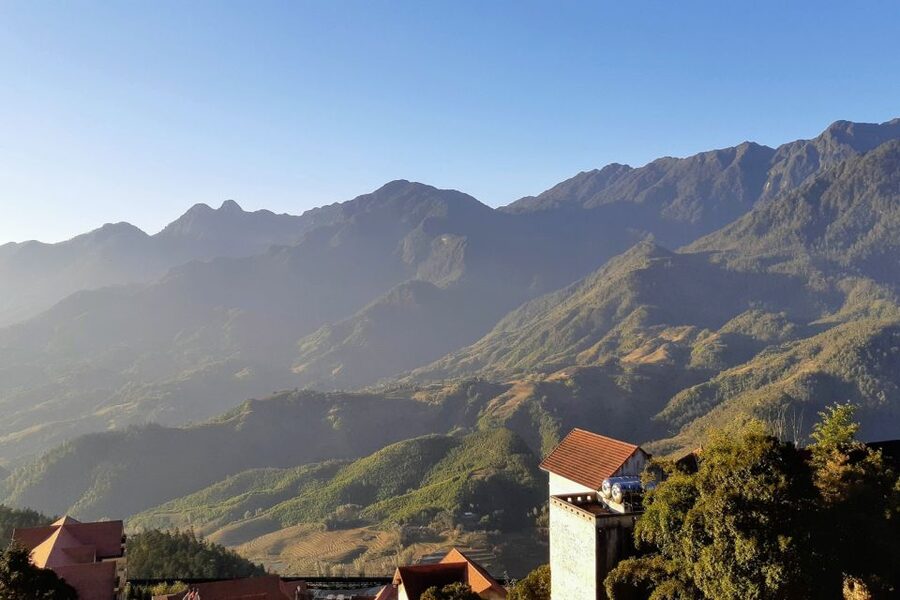
Sapa weather is the part that catches people off guard. You’ll want warm clothing and layers. The tour specifically recommends warm items including a scarf and hat or cap, since weather is unpredictable. From September to March it’s typically cold, and fog can happen in December, January, February, and March due to altitude.
Packing essentials from the tour guidance include:
- Comfortable shoes with real grip
- Trekking shoes, plus sunglasses and sun cream
- Insect repellent
- A warm layer for evenings after dinner
Also bring cash in Vietnam Dong because banking systems can be unreliable in Sapa. And bring basic medicine in case you get sick at altitude or from day-to-day exposure changes.
One more physical consideration: the 9 km trek is not recommended for older guests or children. If you have knee or balance issues, or if you need mobility support, this might not be the right fit.
Who should book this Sapa trek, and who should think twice
This works best if you:
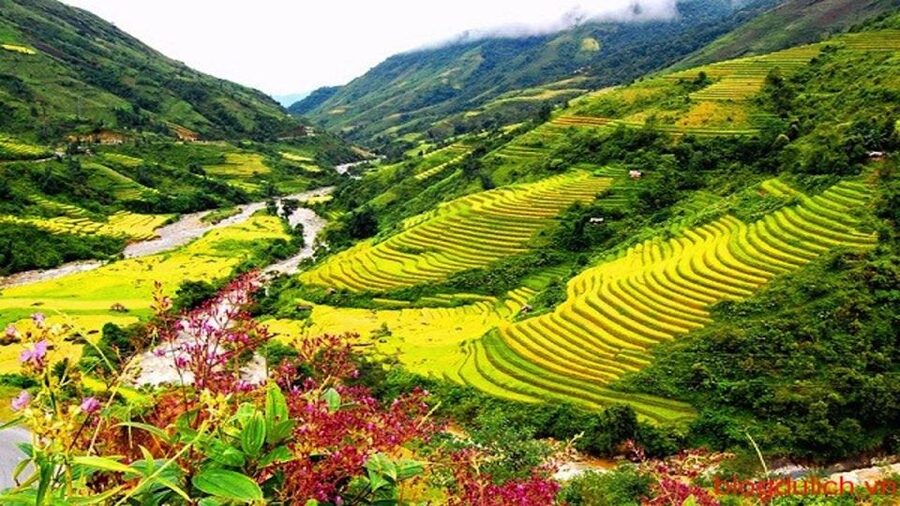
- Want a real village-to-village walk in the Muong Hoa Valley, not just a short scenic loop
- Enjoy ethnic minority culture and learning through guided visits and homestay life
- Like structured days, early starts, then slower evenings in Sapa
- Are comfortable sharing space and handling modest overnight travel conditions
Think twice if you:
- Need lots of privacy or quiet during the overnight train ride
- Don’t want sales pressure from people trying to accompany you on trails
- Have mobility limits. The tour notes it is not suitable for wheelchair users and people with mobility impairments.
- Have very young kids or are an older traveler who might struggle with the 9 km trek segment
Also, note the tour says alcohol and drugs are not allowed. If you travel with alcohol expectations for meals, plan to follow the rules.
My verdict: should you book this tour?
If you want the classic Sapa combo, trekking through Muong Hoa Valley villages plus a Ta Van homestay, this package makes sense. The overnight train is a smart time-saver, and the itinerary is built so you’re not stuck with empty hours. The homestay is the emotional anchor, and the craft center stop gives your village time more meaning than photos alone.
I’d book it if you’re the type who likes meeting people, taking questions seriously, and walking with confidence in cooler mountain weather. I’d also book it if you’re traveling solo and you’re okay paying the single supplement for the hotel nights.
But if you’re sensitive to train noise or you need a fully private comfort level, you may feel shorted. And if you dislike any sales pressure at all, you’ll want to mentally prepare, keep close to your guide, and decide on a souvenir budget ahead of time.
FAQ
Where do I meet the tour staff for the start?
You meet at the Hanoi Railway Station. The instructions say to get your tickets to board the train, then go to the elevator and head to the 2nd floor, gate 2A.
How do I get to Sapa from Lao Cai?
After the overnight train arrives in Lao Cai, you transfer to Sapa in a shared minibus.
What is included in the trip price?
Included are hotel pickup and drop-off from Hanoi Old Quarter, a local guide, overnight train shared cabin from Hanoi to Lao Cai, hotel in Sapa center, a homestay in Ta Van, transfers, meals listed in the itinerary, and sightseeing fees, taxes, and service charges.
Are drinks included with the meals?
The information does not list drinks as included, so you should plan to pay for drinks personally.
What time does the overnight train depart?
The train boards at 10 PM, and you are advised to be at the station by 9 PM.
What should I pack for Sapa trekking?
Bring comfortable shoes, warm clothing, and also a scarf or hat for cold and unpredictable weather. The guidance also recommends sunglasses, sun cream, and insect repellent.
Is the trek suitable for older guests or children?
The guidance says the 9 km trek is not recommended for older guests or children. The tour is also not suitable for wheelchair users or people with mobility impairments.
More Hiking & Trekking Tours in Hanoi

More Evening Experiences in Hanoi


More Tour Reviews in Hanoi






Not for you? Here's more nearby things to do in Hanoi we have reviewed











More Sapa Trekking Tours to consider.
 ★ 5.0Sapa 2 Days 1 Night From Hanoi – Overnight in Ta Van VillageTickets from $592,669 traveller reviews
 ★ 5.0Hanoi – Sapa 2 Days 1 Night Overnight At HomestayTickets from $89899 traveller reviews
 ★ 4.6Sa Pa: Muong Hoa Valley Trek and Local Ethnic VillagesTickets from $23864 traveller reviews
 ★ 5.0Sapa: Fansipan Cable, Cat Cat Village & Moana Instagram TourTickets from $30777 traveller reviews
 ★ 4.8From Hanoi: 2-Day Sapa Trekking Trip with Homestay & MealsTickets from $71704 traveller reviews
 ★ 5.0Sapa 3 Days 2 Nights Trekking Tour (1 Night In Ta Van Village, 1 Night In Hotel)Tickets from $139699 traveller reviews
 ★ 4.9Sapa: Eco Adventure Terrace Fields and Local Villages TrekTickets from $27636 traveller reviews
 ★ 5.03-Day Trekking Adventure of Sapa from Hanoi – Stay Ta Van VillageTickets from $109611 traveller reviews
More useful Hanoi routes