
Review · SAPA TREKKING TOURS
Sapa trekking – Unique Route – 2D1N
Rice terraces, but with real quiet. This 2D1N Sapa trekking route from Hanoi follows village trails from Y Linh Ho to Lao Chai and Ta Van, then continues to Giang Ta Chai with a local guide-led pace. You’re not just passing scenery, you’re walking paths people actually use and seeing the rhythm of farming life up close.
I love the way the route aims for fewer tourist moments, so the views feel more peaceful and personal. I also like that you get practical comfort for a trek like this, with meals included and a homestay stay that keeps modern basics in mind. One thing to consider is effort: you’ll cover 6 km on Day 1 and 4 km on Day 2, plus some uphill walking, so good shoes matter.
Quick highlights: what makes this 2D1N Sapa trekking route work
- Small group, max 10 people, so it stays manageable on narrow paths
- Day 1, 6 km for about 3.5 hours, moving through rice terraces and along the Muong Hoa Stream
- Day 2, 4 km for about 2 hours, including bamboo forest walking and a stop at Giang Ta Chai village
- Dao homestay night, with the operator noting a newly opened ecolodge bungalow option in some stays
- Meals built in: dinner, breakfast, and two lunches, so you are not doing guesswork on budgeting
Sapa trekking that starts at 6:30, then keeps your day moving
This trip begins with an early Hanoi departure at 6:30 am, which is great if you like daylight trekking and want to avoid wasting half your day in transit. You meet at 204 Đ. Trần Nhật Duật in Hanoi’s Old Quarter area, then ride by bus to Sapa.
By the time you arrive around early afternoon, you’re ready for food and a reset, not still wobbling from a long travel day. That pacing helps a lot when your first walking stretch is the start of the real Sapa “wow” factor.
You can also read our reviews of more hiking tours in Hanoi

The Hanoi to Sapa bus ride, and why the lunch timing matters
The schedule keeps the first part straightforward: depart Hanoi, arrive in Sapa around 1:00 pm, then you eat lunch before the trek starts. This matters because a trek that begins in the afternoon has less time for late starters to “catch up,” and your body will feel it.
After lunch, you move into the first village trail section, instead of wasting time on extra stops. If you are the type who likes to see more and stress less, this kind of planning is a big plus.
Day 1: Y Linh Ho to Lao Chai and Ta Van, rice terraces and Muong Hoa Stream
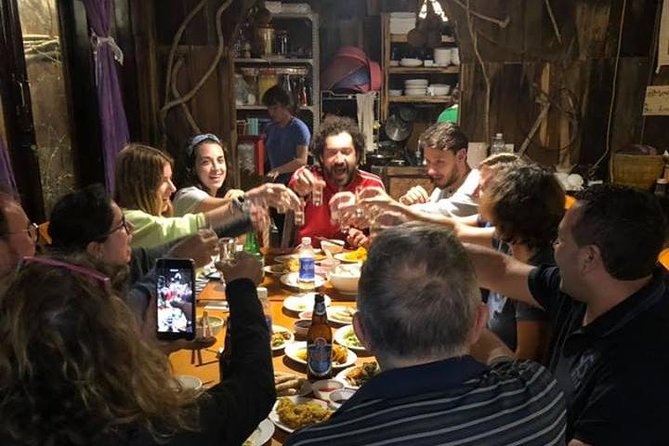
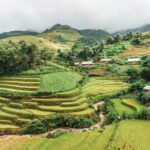
Day 1 is your main “walk the signature Sapa scenery” stretch. You visit Y Linh Ho, then trek through rice terraces and along the Muong Hoa Stream toward Lao Chai and Ta Van, home to the Day ethnic people.
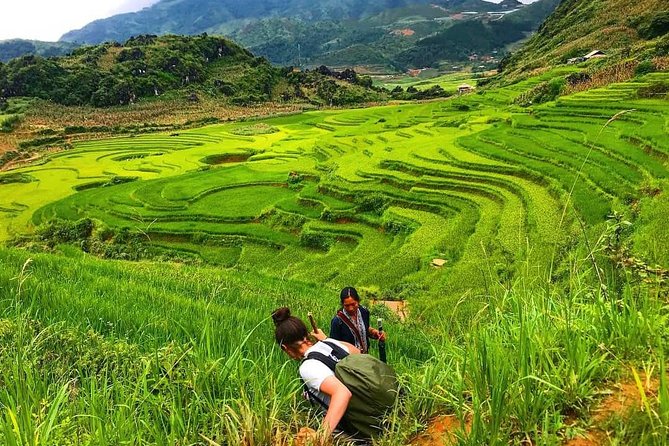
Your trek distance is about 6 km, taking around 3.5 hours. That’s long enough to feel like a real hike, but not so long that you’re totally cooked by the time you reach the villages. Expect a mix of village-path walking and terrace edges where the scenery changes with every turn.
Why I like this segment for you: rice terraces are pretty in photos, but they become way more interesting when you’re moving across the steps they’re built on. You also get a sense of how water works in the fields since the Muong Hoa Stream is part of the trek corridor.
A practical heads-up for Day 1
The route is scenic, so it’s easy to stop for photos. Just try not to overdo pauses, because 3.5 hours on uneven ground can creep up on you. If you’ve got knee issues, take shorter steps and keep a steady pace, not a sprint-then-stop rhythm.
Dao homestay night: meeting life among locals, with basic comfort covered
After Day 1, you stay at a Dao homestay. This is where the trip stops being a scenery tour and starts feeling like a real exchange with village life.
The tour description calls out “modern necessities” alongside living among locals, which is a useful promise for people who want authenticity without going completely off the grid. Based on the operator’s response about a bungalow stay, you may also see brand new ecolodge-style accommodation options in some arrangements, and the key point they stress is cleanliness and readiness since it just opened.
Even without over-promising upgrades, this type of overnight usually gives you two valuable things:
- A calmer evening away from the main tourist drag
- A chance to see how families structure daily routines around farming seasons
If you care about cultural respect, treat the homestay like a home, not a viewing platform. Ask simple questions, be patient with language gaps, and remember you are the visitor.
More Hanoi tours and experiences for the shortlist
- Doris Cruise 5 star cruise 2 days visiting Halong Bay Lan Ha Bay private balcony
★ 5.0 · 2,338 reviews





Day 2: the medium trek to Giang Ta Chai, bamboo forest to the bridge
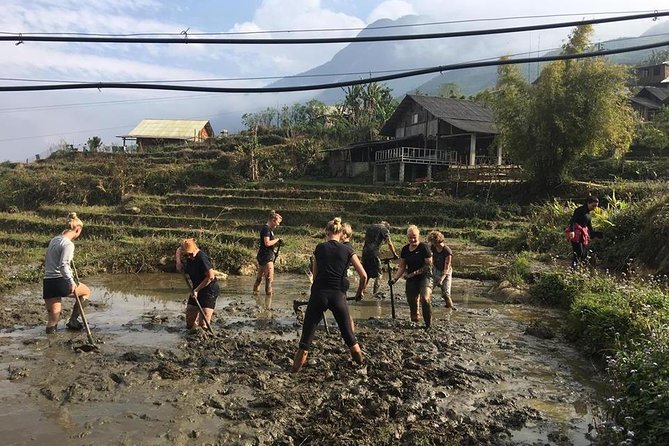
Day 2 starts with breakfast at 8:00 am, then you continue trekking at 8:45. The second hike is shorter on paper, 4 km for about 2 hours, which makes it a great “finish strong” day instead of another full grind.
You walk through rice paddies and into a bamboo forest heading toward Giang Ta Chai village, home of the red Dao people. The walking feel changes here: bamboo paths tend to be cooler and quieter, and the cover can make the pace feel easier even when your legs are still doing the work.
At around 11:00 am, you trek through Giang Ta Chai Bridge to reach the main road, where the bus takes you back to Sapa Town. That bridge moment is a nice marker that your village walking portion is ending, and it helps the day feel organized rather than abrupt.
Back to Sapa, shower time, then Hanoi by bus
Once you reach Sapa Town, you get a window to recover. The plan includes a shower at the hotel, then lunch from 12:00 to 1:00 pm, with some leisure time after.
At 1:30 pm, you meet again and travel back to Hanoi by bus. You arrive back at the bus station at 8:30 pm, so this is a full day on Day 2 even though the trek itself is shorter. Plan for an easy evening after you get in.
This part of the schedule is practical value. Without the shower and meal buffer, two-day treks can turn into “just survive and call it vacation.” Here, you get basic recovery built into the timing.
Guides, group size, and the “less tourist” route feeling
A big reason this route appeals is the idea of getting away from the main tourist traps. You still see the famous Sapa scenery, but the walking route is designed to connect you with smaller village trails instead of staying stuck in the most photographed spots.
The small-group limit of max 10 travelers helps keep things calm on narrow paths. It’s also easier for a local guide to adjust if the group pace is slower or faster than planned.
One more human detail that shows up in the feedback: the operator’s team, including Huong and her associates, is described as going above and beyond to make people comfortable. Another name tied to planning support is Julia. If you like having someone who checks the details with you, that matters more than people think, especially when you’re dealing with a multi-stop trek.
Price and meals: where the $116.93 per person feels fair
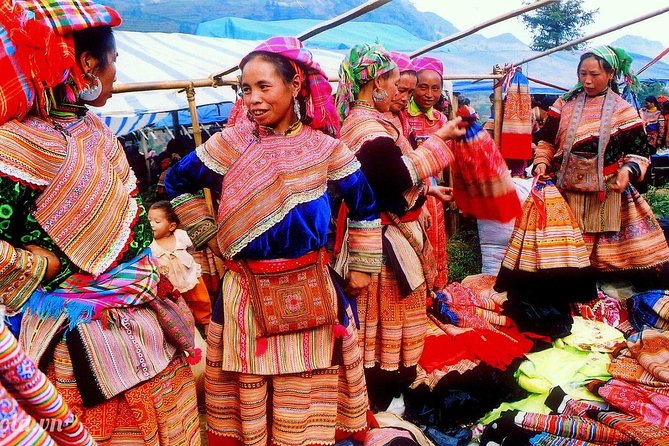
At $116.93 per person, this is priced as a short, guided trekking package with meals included. You get dinner, breakfast, and two lunches during the 2 days, which is a meaningful part of the value. If you tried to piece this together on your own, your biggest costs would usually be guiding, transport, and at least some food planning, because treks are not just “walk and go.”
What’s not included is also clearly stated: insurance, personal expenses, and drinks. That’s normal for this type of activity, but it’s worth thinking about. Bring a bit of cash for snacks, bottled water, or any drinks you want, and make sure your travel insurance covers trekking-style activity if that matters to you.
Also note the mobile ticket format. If you prefer less paperwork and faster entry, that’s a small convenience you’ll feel on travel day.
What to pack for a 2-day Sapa trek (so your legs forgive you)
The itinerary gives you trekking distances and durations, so you can pack with that in mind.
Bring:
- Walking shoes with grip for uneven paths and terrace steps
- Light rain layer, since mountain weather can shift quickly
- A small daypack for water and snacks
- Sun protection (Sapa sun can still bite even when it feels cool)
- Something warm for the evening homestay
Pace tip: treat the trek like a steady effort, not a sightseeing sprint. The views are good, but the best way to enjoy them is to arrive breathing, not gasping.
If you’re sensitive to uphill walking, keep your steps short. It takes pressure off your knees, and it also helps you stay balanced on terrace edges.
Who this tour suits best
This is a strong fit if you:
- Want real village walking without a full week commitment
- Like a small-group style with local guidance
- Prefer “authentic but not totally rough” travel, since homestay comfort is part of the promise
It may not be ideal if:
- You need a very low-effort trip. The hikes are not extremely long, but they are not flat either.
- You hate early mornings. The 6:30 am start means you should plan for an organized travel morning.
Should you book this Sapa trekking route?
If your goal is a 2-day Sapa experience that feels grounded in village life, I’d book it. The route hits the most memorable walking areas, including rice terraces, the Muong Hoa Stream corridor, bamboo forest, and Giang Ta Chai village, without trying to cram too many different stops into one day.
I’d only hesitate if you are not comfortable walking 6 km and 4 km on uneven ground within two consecutive days. If you are prepared with the right shoes and a realistic pace, this trip looks like good value, especially because meals are included and the small-group setup keeps the experience human.
FAQ
What is the price for this Sapa trekking 2D1N tour?
The price is $116.93 per person.
How long is the tour?
It runs for 2 days (approx.).
What time does the tour start in Hanoi?
The start time is 6:30 am.
Where is the meeting point in Hanoi?
The meeting point is 204 Đ. Trần Nhật Duật, Phố cổ Hà Nội, Hoàn Kiếm, Hà Nội, Vietnam.
How much trekking is done on Day 1 and Day 2?
Day 1 includes about 6 km of trekking for about 3.5 hours. Day 2 includes about 4 km of trekking for about 2 hours.
What villages and areas are visited during the trek?
Day 1 includes Y Linh Ho, Lao Chai, and Ta Van. Day 2 includes trekking to Giang Ta Chai village and involves walking through Giang Ta Chai Bridge.
What meals are included?
Dinner is included on Day 1. Breakfast and lunch are included on Day 2, and lunch is also included on Day 1. Drinks are not included.
Is travel insurance included?
No. Insurance is not included, and it is listed under what is not included.
More 2-Day Experiences in Hanoi
- Doris Cruise 5 star cruise 2 days visiting Halong Bay Lan Ha Bay private balcony
★ 5.0 · 2,338 reviews
More Hiking & Trekking Tours in Hanoi


More Tour Reviews in Hanoi




Not for you? Here's more nearby things to do in Hanoi we have reviewed









More Sapa Trekking Tours to consider.
 ★ 5.0Sapa 2 Days 1 Night From Hanoi – Overnight in Ta Van VillageTickets from $592,669 traveller reviews
 ★ 5.0Hanoi – Sapa 2 Days 1 Night Overnight At HomestayTickets from $89899 traveller reviews
 ★ 4.6Sa Pa: Muong Hoa Valley Trek and Local Ethnic VillagesTickets from $23864 traveller reviews
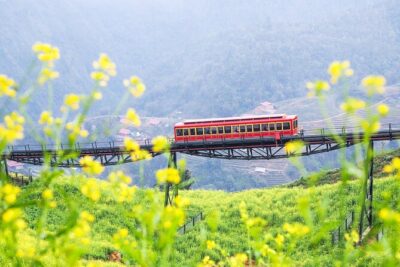 ★ 5.0Sapa: Fansipan Cable, Cat Cat Village & Moana Instagram TourTickets from $30777 traveller reviews
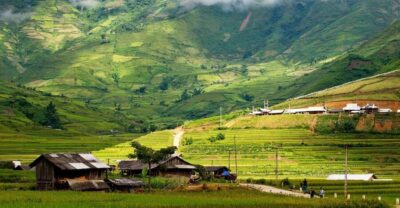 ★ 4.8From Hanoi: 2-Day Sapa Trekking Trip with Homestay & MealsTickets from $71704 traveller reviews
 ★ 5.0Sapa 3 Days 2 Nights Trekking Tour (1 Night In Ta Van Village, 1 Night In Hotel)Tickets from $139699 traveller reviews
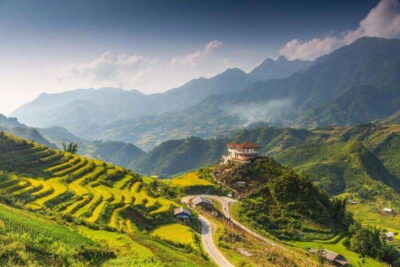 ★ 4.9Sapa: Eco Adventure Terrace Fields and Local Villages TrekTickets from $27636 traveller reviews
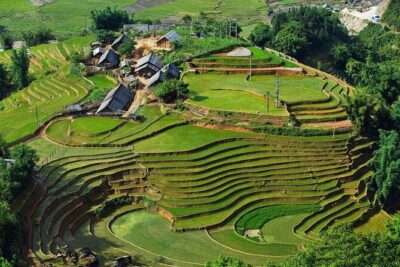 ★ 5.03-Day Trekking Adventure of Sapa from Hanoi – Stay Ta Van VillageTickets from $109611 traveller reviews
More useful Hanoi routes