
Review · HIKING & TREKKING
Amazing Mai Chau – Pu Luong 3 days: Waterfall, Rafting & Trekking
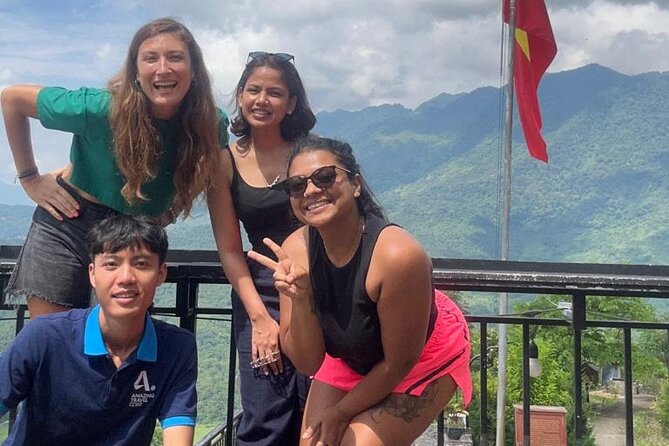
Three days in the Mai Chau and Pu Luong hills feel like a cheat code. You start with the sweep of Thung Khe Pass and then spend the trip on a sports bike route through villages, rice fields, and karst scenery, with waterfall, rafting, and trekking built in.
I love how the day-to-day rhythm stays human, not museum-like, so you get a real sense of Thai minority life and the valley pace.
What I also like is the mix of big nature moments and local stops that keep your photos honest. The Pu Luong area includes remote villages like Kho Muong Village and a visit to Doi Cave (Bat cave), plus a morning market timing at Pho Doan that only runs on certain days. One thing to keep in mind: this experience depends on good weather, so expect some gear-in-your-day energy and a flexible feel if conditions turn.
Key Points That Matter Before You Go
- Max 12 travelers keeps the pace friendly and the guide time more useful.
- Hanoi Old Quarter limousine pickup reduces friction on day one.
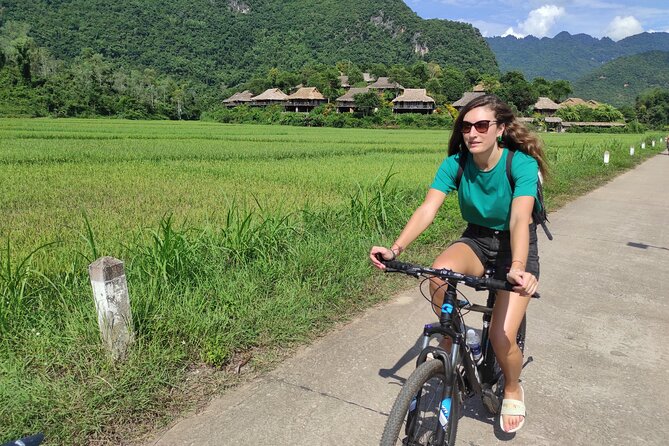
- Sports-bike route links villages, rice fields, and karst areas in one efficient line.
- Pu Luong village visits plus Doi Cave (Bat cave) give you both culture and nature, not just one or the other.
- Pho Doan market timing matters, because it is only on Tuesday, Thursday, and Sunday morning.
- Meals, private Pu Luong lodging, and entry fees are handled, which makes the daily schedule easier to follow.
Why Mai Chau to Pu Luong Works as a 3-Day Adventure
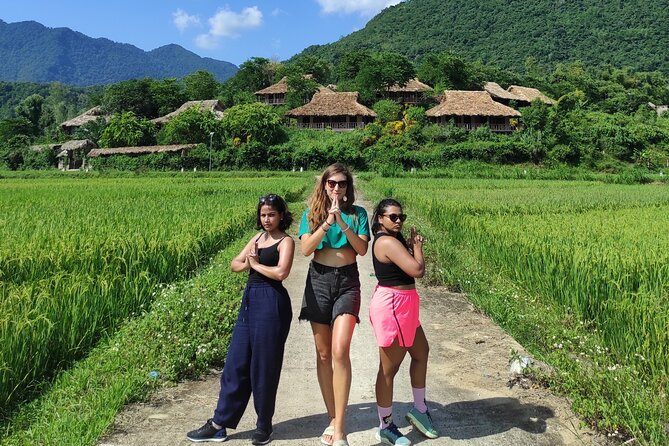
This tour is built for travelers who want Northern Vietnam to feel active and personal. You are not just getting transported from viewpoint to viewpoint. You are cycling through rural tracks, walking through trekking segments, and fitting in waterfall and rafting time, all while learning how life works in the valley.
The main value of the format is focus. Three days sounds short, but the planning is tight enough that you can experience multiple sides of the region: mountain passes near Hanoi, daily village life in Mai Chau, and the more remote Pu Luong nature zone. The small group size, capped at 12, also helps. It usually means fewer bottlenecks, more chances for questions, and less time waiting around.
For me, the best part is the balance between movement and meaning. You get the effort of bike and trekking days, but you also get structured stops where someone explains what you are seeing and why it matters. That turns the trip from physical exercise into actual understanding.
You can also read our reviews of more hiking tours in Hanoi

Hanoi Pickup, Start Time, and the Smoothness of Day One
You start early, with a 7:00 am start time. The good news is the pickup is designed to be simple if you are staying in the Hanoi Old Quarter area. You get picked up by limousine in that zone and then transferred toward Mai Chau and Pu Luong.
Two practical tips if you want the morning to feel easy:
- Be ready before pickup time, especially if you need a bathroom break or want water for the road.
- Pack a small day bag for the bike and trekking moments, since you will likely be switching from vehicle to walking to cycling without much time to reorganize.
The tour also notes that it uses a mobile ticket, which can reduce last-minute stress. It is the kind of detail that sounds small until you have been on trips where everyone scrambles for confirmations.
Sports Bike Route Through Villages and Rice Fields
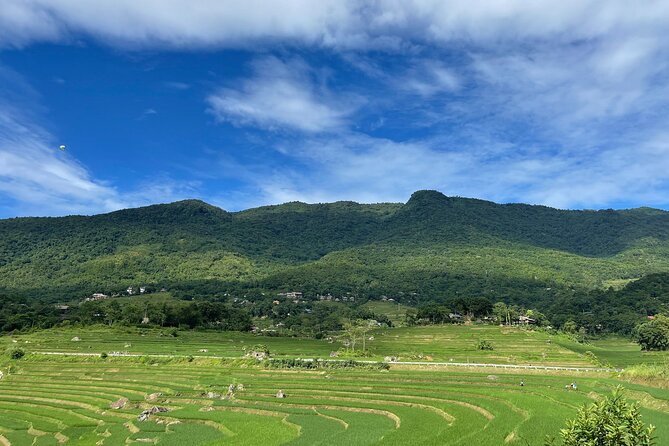
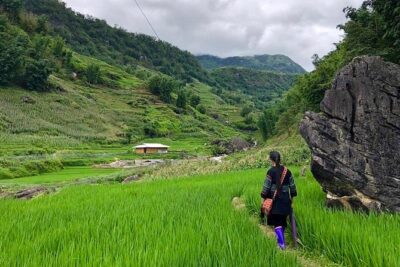
One of the headline experiences here is cycling on a high-quality sports bike. The route is described as passing through villages, rice fields, and karst mountains. That combination is what makes this more than just transportation on two wheels.
Why this matters for you:
- Cycling gives you slower, closer contact with the rural scenery and village activity. You feel the route instead of only watching it from a car window.
- The karst features add variety. The views change as you move, so the trip does not become a single long straight shot.
- Village-and-field passing helps you see how the terrain shapes farming life. You are not learning from a slide. You are moving through the same areas that support daily routines.
What I would consider as a potential drawback is the energy level. Cycling and trekking days can stack up. If you are newer to bike days, or you are sensitive to long travel mornings, you will want to pace yourself and plan to keep breaks efficient rather than trying to rush for photos every minute.
Day 1: Thung Khe Pass to Mai Chau Village Life
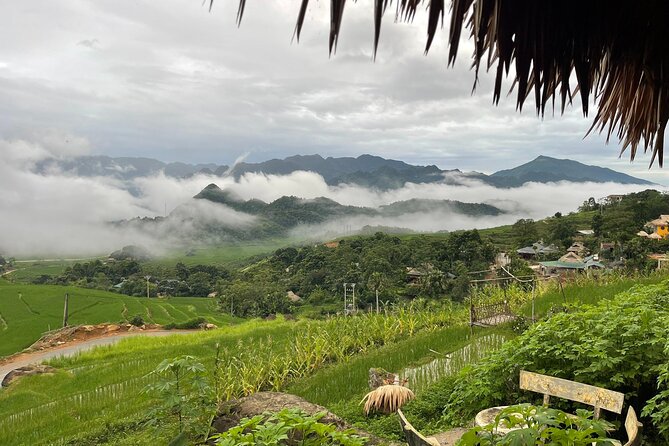
Day one starts with a real altitude and viewpoint shift. You stop at Thung Khe Pass, described as a spectacular mountain pass along scenic Highway 4D in Northwest Vietnam. It is about 140 km from Hanoi, and the pass is known for views over ridges and deep valleys.
For most people, the pass is the mental reset. You leave the flatter Hanoi rhythm behind and immediately feel like you are in a different Vietnam. It also sets expectations for the days ahead: the region is full of folds, dips, and sudden perspective changes.
After that, you move on to Mai Chau, a countryside area known for lush green rice paddies and villages connected to the Thai ethnic minority. The itinerary lists a Mai Chau stop with admission ticket free at that point.
What makes Mai Chau work on day one is the way it transitions you into the cultural side of the trip. You are not dropped into a single photo moment. You have time to absorb the village setting and then start connecting what you see with what your guide explains.
If the weather is hazy or rainy, day one can feel more atmospheric than bright. Either way, the key is to go with the valley light rather than expecting postcard sun.
Day 2: Pu Luong Nature Reserve, Kho Muong, and Doi Cave
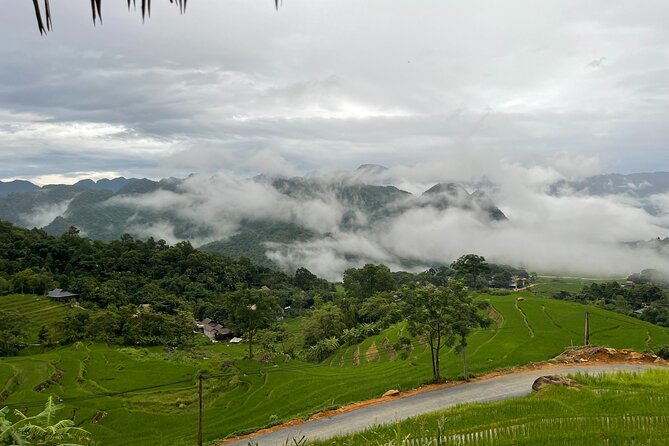
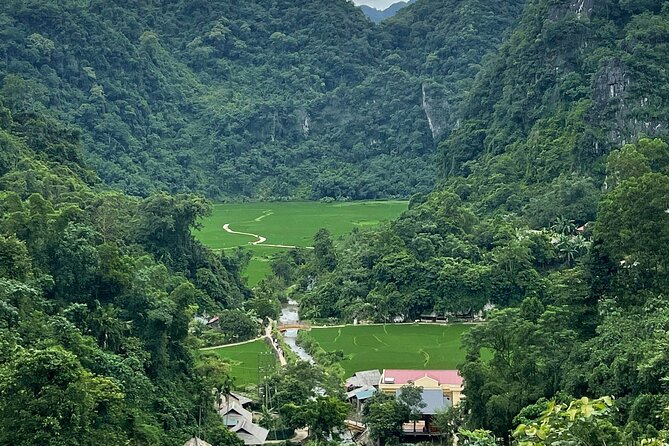
Day two is the longest-feeling day, and it is where Pu Luong starts to feel remote in the best way. Your day includes time in the Pu Luong Nature Reserve, moving along smaller roads to reach village areas and learn about local life.
A key cultural stop is Kho Muong Village, mentioned as one of the remote locations you visit. The value here is proximity to daily routines. You are not only seeing buildings. You are getting a sense of how people live and work in a mountainous valley setting.
Then you shift from villages to a major natural feature: Doi Cave (Bat cave). The description notes it is the largest cave in Pu Luong. That detail matters because a larger cave often means more scale, and you will likely feel how the cave changes the temperature and sound compared to the outside.
In a trip like this, caves can be hit-or-miss depending on what you expect. Here, your best approach is to treat it as part of the nature story, not a quick photo stop. Listen to what your guide points out, watch your footing, and go slowly.
Waterfall, rafting, and trekking are part of the overall tour experience name, and day two is where that outdoor energy typically clicks into place. Without specific scheduling details provided for each activity, I suggest you plan your day around active time, wear clothing that can handle humidity, and bring a dry layer if you tend to feel cold after water-based segments.
More Hanoi tours and experiences for the shortlist




Day 3: Pho Doan Morning Market Timing, Then More Pu Luong Time
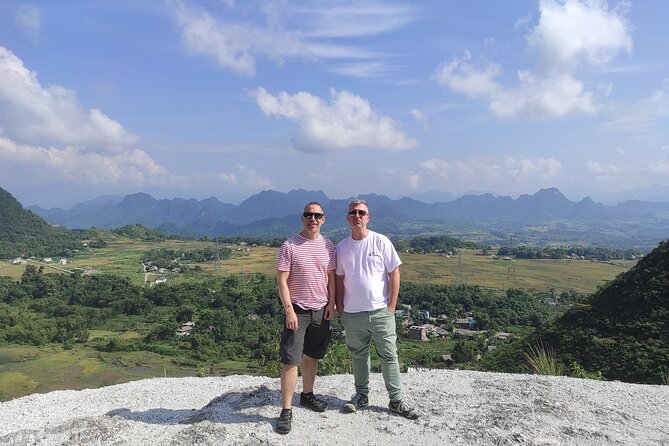
Day three has a very specific cultural beat: a local market in Pho Doan. The tour notes that this market is only on Tuesday, Thursday, and Sunday morning.
Here is the practical reason you should care about that timing. If you book on another weekday, you may not get the same market experience in the same way. The tour design is built around that local schedule, so choosing your departure day can affect what you see most clearly.
The itinerary states you visit the Pho Doan market as part of the Pho Don Fair where products are exchanged and bought and sold among the Kinh, Muong, and Thai people.
After the market segment, the day keeps you in the Pu Luong nature reserve zone for more outdoor and cultural time. Your exact pacing will depend on the day’s flow, but the general feel is lighter than day two in terms of novelty, and more focused on finishing strong with the region you came for.
If you are a photographer, day three often gives you the best chance to compare. You have already seen village life and the cave and cycling route. Now you can notice how the market connects to all that daily work and food supply.
Food Rhythm and the Local Cuisine Approach
Food is included, which is a big deal on active tours like this. You get Breakfast (2), Lunch (3), and Dinner (2), plus two bottles of water per person per day.
The overview also mentions special meals featuring local cuisine and an emphasis on the yin-yang balance of Asian culture. You should not expect fine-dining plating. Instead, think home-style comfort shaped to the region and the day’s activity level.
For your planning:
- Use lunch as your main fuel. Active days need real energy, and lunch is your time to refuel before more walking or cycling.
- Keep water habits steady. Even if the days are not peak heat, humidity and exertion add up fast.
- If you are picky about spice, it is worth mentioning your preference ahead of time. The tour includes local meals, so the best experience comes when the kitchen knows what you can handle.
The included meals reduce decision fatigue. You do not have to hunt for food between sites, which keeps the day on track.
Guides and Drivers: The Real Reason Reviews Score So High
The difference between a good tour and a great one is often the human layer. Here, your experience is shaped by the English speaking guide and the driver team. The names that show up in trip feedback include guides like Tom and Nam, with drivers mentioned such as Jerry and Mr. D.
What those names point to, practically, is consistent care and smooth handling. When a guide knows the region well and can explain what you are seeing in plain language, you enjoy the place more. It also makes outdoor time less stressful because you know what comes next and what to prepare for.
If you want to get more value from the cultural parts, ask direct questions on the van or before you step into a village area. Topics that usually land well on this route:
- What people grow and how they time work with the seasons
- How the Thai minority community traditions show up in daily life
- What to notice when you see markets and caves in the same trip
The better your questions, the more the trip becomes your story, not just someone else’s schedule.
Price and Value: What $362.25 Really Covers
At $362.25 per person for an approximately 3-day tour, this is not a budget backpacker deal. But it also is not a luxury-only price tag. The value comes from what is bundled.
Included items you should count:
- Pickup and drop-off in Hanoi Old Quarter by limousine
- English speaking guide
- 2 nights in a private room in Pu Luong
- All sightseeing fees, cycling, trekking
- Meals: 2 breakfasts, 3 lunches, 2 dinners
- Two bottles of water per person per day
- Cycling and trekking logistics handled for you
When you break it down, you are paying for coordination. The guide removes guesswork, and the included meals plus private room remove the hardest parts of self-planning in rural Vietnam.
What is not included:
- Pickup and drop-off outside Hanoi Old Quarter
- Tipping for tour guide and driver
- Personal expenses
If you are staying outside the Old Quarter, your total cost will likely rise, so check your location before you assume the advertised value holds. Also, if you hate active days, you might feel like you are paying for movement you do not fully enjoy. But if you want biking, trekking, and real countryside time, the package makes sense.
Logistics, Pacing, and a Realistic Consideration
This tour is active. Between sports biking, trekking time, rafting, and waterfall segments, your body will do its part. The good sign is the tour notes that most travelers can participate, which suggests it is not aimed only at elite athletes.
Still, the possible drawback is the weather. The experience explicitly requires good weather, and if conditions are poor, you are offered a different date or a full refund. That is normal for the region, but it does mean you should avoid booking if you cannot handle date changes.
My practical advice:
- Pack a light rain layer even if the forecast looks fine. Mountain weather can shift quickly.
- Wear footwear that works for trekking and wet conditions.
- Bring sun protection for bike time, since open rice field and pass views can reflect heat.
If you do these simple things, the “consideration” turns into a minor inconvenience rather than a ruined trip.
Should You Book This Mai Chau to Pu Luong Tour?
Book it if you want a 3-day plan that mixes mountain passes, Thai village life, and Pu Luong nature reserve into one coherent route. You will likely enjoy it most if you like active travel and you care about understanding how people live, not only where to take photos.
Skip it or think twice if you:
- Need a low-effort, mostly sitting itinerary
- Cannot flex your dates in case weather disrupts outdoor segments
- Are staying far outside Hanoi Old Quarter and would need extra transport not covered by the pickup plan
If your ideal Vietnam trip is part cycling, part culture, and part “wow, that cave is big,” this tour has a strong fit. The real win is the structure: meals, lodging, and entry fees are handled, while the guided stops turn the scenery and village moments into something you remember with context.
FAQ
What time does the tour start?
The tour start time is 7:00 am.
How long is the experience?
It runs for about 3 days.
Is the group size small?
Yes. The maximum group size is 12 travelers.
Where does pickup happen in Hanoi?
Pickup and drop-off are offered in the Hanoi Old Quarter area by limousine. Pickup outside the Hanoi Old Quarter area is not included.
What is included in the price?
English speaking guide, Hanoi Old Quarter area limousine pickup and drop-off, 2 nights in a private room in Pu Luong, all sightseeing fees, cycling and trekking, two bottles of water per person per day, and meals (2 breakfasts, 3 lunches, 2 dinners).
What is Doi Cave (Bat cave)?
Doi Cave is also called Bat cave, and it is described as the largest cave in Pu Luong.
When do you visit the market at Pho Doan?
The Pho Doan market visit is only on Tuesday, Thursday, and Sunday morning.
Is free cancellation available?
Yes. You can cancel up to 24 hours in advance of the experience for a full refund.
More 3-Day Experiences in Hanoi

More Hiking & Trekking Tours in Hanoi

More Tour Reviews in Hanoi


Not for you? Here's more nearby things to do in Hanoi we have reviewed








More Hiking & Trekking to consider.
 ★ 5.0Halong Bay Full Day with Kayaking, Hiking viewpoint, Cave – Deluxe To LuxuryTickets from $38884 traveller reviews
 ★ 4.6Sa Pa: Muong Hoa Valley Trek and Local Ethnic VillagesTickets from $23864 traveller reviews
 ★ 4.8From Hanoi: 2-Day Sapa Trekking Trip with Homestay & MealsTickets from $71704 traveller reviews
 ★ 5.0Sapa 3 Days 2 Nights Trekking Tour (1 Night In Ta Van Village, 1 Night In Hotel)Tickets from $139699 traveller reviews
 ★ 4.9Sapa: Eco Adventure Terrace Fields and Local Villages TrekTickets from $27636 traveller reviews
 ★ 5.03-Day Trekking Adventure of Sapa from Hanoi – Stay Ta Van VillageTickets from $109611 traveller reviews
3D and 2N Lan Ha Bay Cat Ba Island Kayaking & Trekking with VegaTickets from $365593 traveller reviews
★ 5.03-Day Trekking Adventure of Sapa from Hanoi – Stay Ta Van VillageTickets from $109611 traveller reviews
3D and 2N Lan Ha Bay Cat Ba Island Kayaking & Trekking with VegaTickets from $365593 traveller reviews
 ★ 5.0Number one top rated ethical cultural trekking and homestay by ETHOSTickets from $93456 traveller reviews
More useful Hanoi routes