Review · HANOI
Discover Vietnam – Cambodia – Thailand in 22 Days
Three countries in 22 days, one smooth plan. This trip strings together big name sights with real local moments, from Hanoi neighborhoods to Angkor ruins and beach time in Phuket. You’ll also get a small-group feel with English help and built-in breaks.
I love two things most. First, the max 15 people group size keeps the day from feeling chaotic. Second, I like that sightseeing tickets and most meals are handled for you, so your time stays on the places themselves.
One thing to weigh before booking, it’s a fast-moving schedule. You’ll face early starts like Halong sunrise, plus emotionally heavy history stops in Cambodia, so bring stamina.
Key highlights worth planning around
- Airport pickup in Hanoi with a driver holding your name signboard
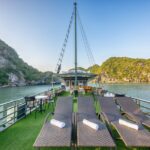
- Halong Bay sunrise with Tai Chi on the sundeck, plus cave visiting
- Hue day with a Perfume River dragon boat ride and stops at royal tombs
- Hoi An market time by boat in the morning, then a full free day to wander
- Mekong Delta cycling on Oc island, plus an overnight at Mekong Home
- Angkor core circuit, including Angkor Thom, Bayon, Ta Prohm, and Angkor Wat
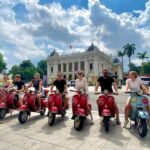
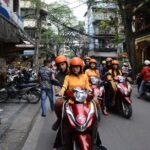
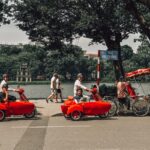
Hanoi to Ba Vi and beyond, then Tam Coc by boat and bike
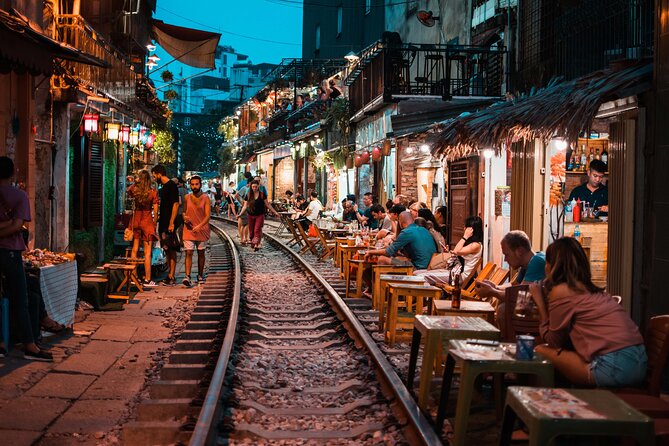
Your trip begins with a private driver meeting you at Noi Bai International Airport, holding a sign with your name. That small touch matters. It cuts through the first-day stress, especially if you land at a busy time and just want to get to your hotel in central Hanoi.
From there, the schedule gives you an early “change of pace” day with Ba Vi. You head about 1.5 hours from Hanoi to visit countryside villages where you’ll see a more rural rhythm of daily life. The goal is not just scenery. It’s a chance to step away from city traffic and watch how people live outside the tourist loop.
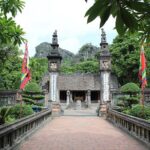
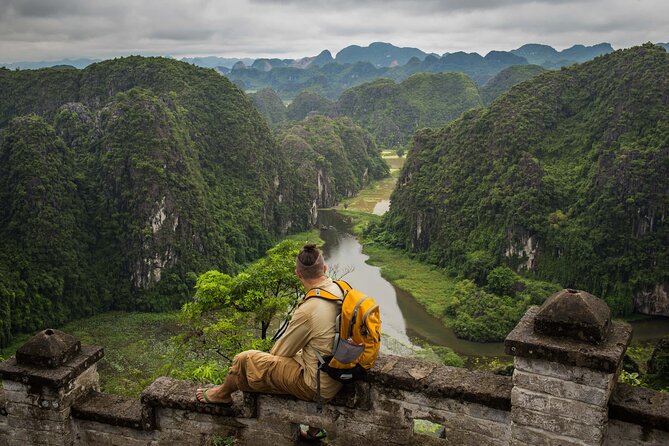
After that countryside breather, the trip moves into Vietnam’s older heartlands. You’ll travel toward Hoa Lu Temples in the morning, tied to Vietnam’s ancient capitals, then shift into the limestone world of Tam Coc and Bich Dong. Tam Coc is the part that usually sticks with people: you get a boat ride through the karst formations, plus cycling afterward on quieter roads for about an hour. It’s a nice mix of views and active time, and it breaks up the longer travel days.
Why this works for you: this stretch balances three styles of travel that are often hard to combine. City arrival, rural day trip, and a scenic boat-and-bike outing. Also, having an included schedule means you spend less time negotiating rides or figuring out transport between places that are not close together.
Possible drawback: it is still packed. You’re doing plenty of moving in a short span, so if you hate back-to-back travel days, plan to keep your expectations realistic about downtime.
You can also read our reviews of more tours and experiences in Hanoi.

Halong Bay cruise: sunrise calm and limestone cave contrasts
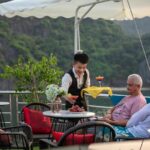
Halong Bay gets its own block of time, and the schedule is designed to hit it in two different moods. First you cruise with classic karst views, including a seafood lunch and time on deck. Then the next morning, you start early enough for the sunrise experience.
The standout detail here is the Tai Chi on the sundeck. It turns what could be a rushed boat day into something slower and more physical, even if you’ve never tried Tai Chi before. If you’re the type who likes your nature moments structured, this is a good fit.
After sunrise and breakfast, you visit a limestone cave. That creates a contrast with the open water views from the cruise. Outside you get the iconic rock shapes; inside you get the geology and the dim, cooler air. It’s also a good break from heat and sun when the day is warming up.
Then the tour transfers you back to Hanoi and overnight there. That return is practical. It prevents you from feeling stranded after the cruise and gives you a proper base to regroup before the next big region shift.
One thing to remember: Halong Bay is weather-dependent, so if the day turns rough, accept that boat and cave plans can be adjusted. The experience is still worth it, but you should be mentally ready for Southeast Asia weather to be in charge.
Hue royal sites and Hoi An market mornings, plus free time that actually helps
Hue is where the trip leans into Vietnamese heritage in a very structured way. You fly there and then spend a full day in and around the city. The morning starts with the Thien Mu Pagoda area, using a dragon boat ride along the Perfume River. That boat piece is a smart move. It makes the day feel less like a straight lineup of monuments and more like an experience of the river city.
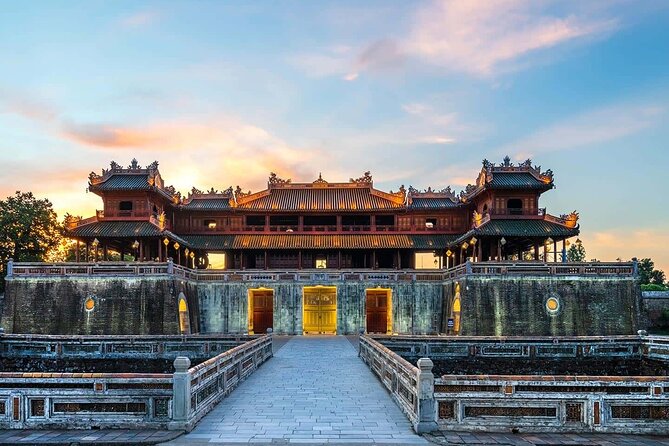
From there, you’ll see the Hue Imperial Citadel, walk the grounds, and learn about the Nguyen Dynasty period through the sights and antiques on display. The day doesn’t stop at temples. You also visit Dong Ba Market, which helps you understand daily life in Hue, not just the royal era.
In the afternoon, the focus turns to the royal tombs. You visit Khai Dinh King’s Tomb and then Mausoleum of Emperor Minh Mang. These tombs are different in feel, which helps. One is a more blended, ornate style with foreign influences referenced in the program, and the other is known for architecture that blends into its setting.
A small comfort detail you’ll appreciate: the program includes a complimentary herbal foot bath on the tomb day. In a trip this full, having a reset like that can keep you from feeling worn down.
Then you head to Hoi An, check in, and get a morning visit that’s not the usual photo stop. The market visit is led by an English-speaking guide and includes a trip to the central market by boat, where you’ll learn about ingredients like noodles, fish, spices, herbs, and grains. Even if you don’t buy anything, you’ll come away with a better sense of what people cook and how choices are made at the market.
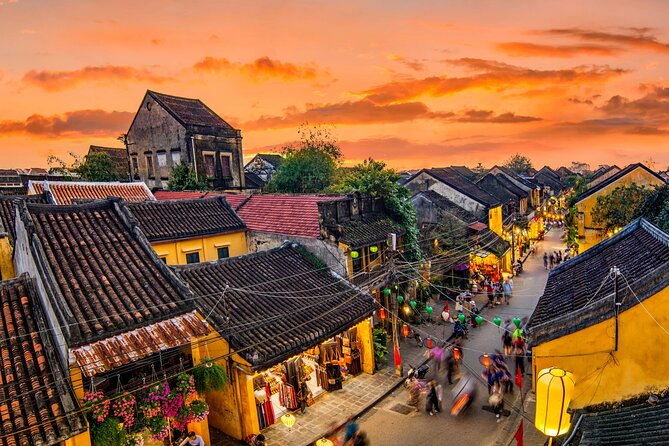
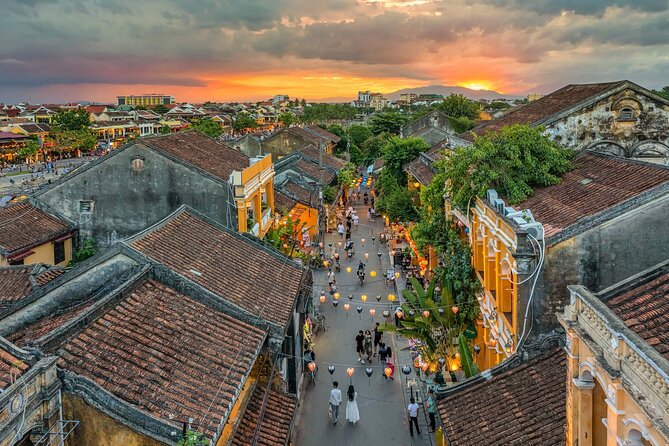
The best part for pacing: you get a real free day in Hoi An. You can explore at your own speed through Japanese merchant houses, pagodas, temples, and antique warehouses, or just slow down with a long coffee and an unplanned stroll.
Saigon energy to Mekong Delta cycling on Oc island

When the tour shifts into Ho Chi Minh City, it keeps the pace sensible with an included flight and transfers into your hotel. The schedule gives you breakfast before departure, then you land and settle in for overnight.
The next day is all about the Mekong Delta, and specifically Ben Tre. You’ll travel to a family-style stay at Mekong Home, a property with bungalows in a tropical garden along the Mekong River bank. That kind of overnight is a value add because it puts you in the region’s daily environment, not just on a day trip.
The cycling day is one of the more active experiences on the whole route. After breakfast, you bike for about 2 to 2.5 hours to Oc island. The track is described as a concrete path lined with fruit trees and coconut trees. You also pass a local market on the way. This is not a “just sit and watch” day. It’s a way to see the area slowly, at the speed of people who live there.
Then you check out around noon and return to Ho Chi Minh City for overnight. That return keeps the tour moving, but it also means you still get a night in a city setting before the next region jump.
If you’re the type who likes photos, you’ll get them. If you prefer practical travel, you’ll like this too. Cycling on Oc island is the kind of outing that helps you feel where you are, not just see it for an hour.
Cu Chi tunnels to Phnom Penh, where history is heavy and real
This section is emotional. That’s the best honest way to frame it.
After returning to Ho Chi Minh City, the tour day heads to Cu Chi Tunnels. The tunnels are described as an underground system over 220 kilometers long, tied to Vietnam War history. The program includes admission, so the focus is on guided or organized access rather than DIY wandering. Be prepared for this to be a mental shift after the more scenic days.
Then it’s on to Phnom Penh by bus, about a 6-hour ride. Once you arrive, you see the Royal Palace, including the Silver Pagoda with its noted collection detail, and then Wat Phnom. Those stops give you architectural and cultural context in a single day.
The next day becomes much heavier, with two major sites tied to the Khmer Rouge period. You visit Tuol Sleng Genocide Museum, known as S-21, then drive to Choeung Ek, also called the Killing Fields. The program is specific about the scale of suffering, and these are not light experiences. If you handle intense history well, you’ll find them important. If you don’t, plan for extra breaks and keep your expectations grounded.
After the memorial focus, you still get one more practical stop: the Russian Market. It’s a different kind of experience, a chance to reset with shopping for everyday items like clothing, carvings, jewelry, and other market goods.
The balance here is intentional. You see official heritage and royal sites, then you understand the darker history, then you end with a normal market day.
Siem Reap and Angkor: temples, Ta Prohm, and Angkor Wat timing
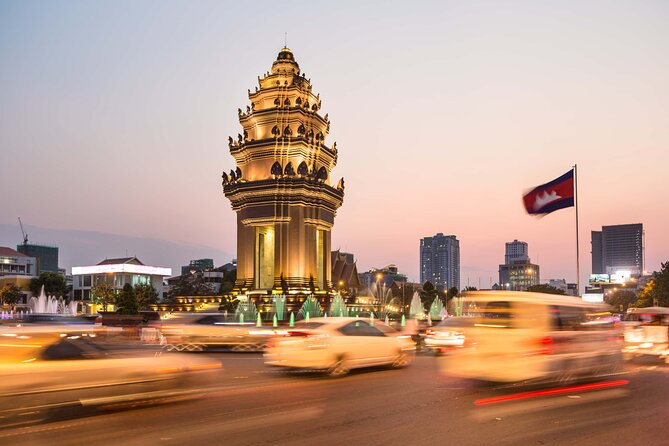
Siem Reap is where the trip becomes truly iconic. You travel by bus from Phnom Penh and check into your hotel, then spend the afternoon visiting Wat Thmey (the Killing Fields site with a glass-walled stupa containing victims’ bones) and Wat Memorial Mountain.
That combination is important. It keeps the day from being only sightseeing. It also echoes the Cambodia history themes from Phnom Penh, without repeating the exact same places.
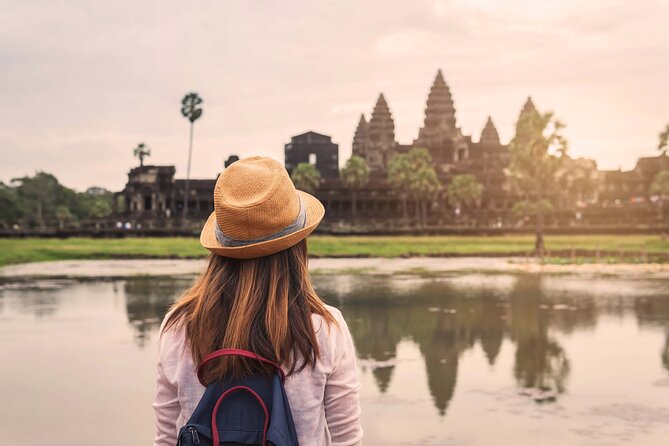
The next day is the big Angkor circuit. You visit Angkor Thom, including the South Gate and Bayon Temple, then head to Ta Prohm, the famous temple covered by jungle growth. Finally, you spend time at Angkor Wat, described as the largest temple in the world with the extensive walls and moat dimensions. The tour notes an early evening visit, which is usually a good way to avoid the harshest heat while still getting meaningful time at the site.
Why this works: the schedule mixes three styles of temple viewing. Defensive city gates and faces (Angkor Thom and Bayon), jungle atmosphere (Ta Prohm), and monumental symmetry (Angkor Wat). You get variety within the Angkor universe, not just one temple type.
Small consideration: temple days can be long on your feet. Wear shoes you trust, bring sun protection, and plan to hydrate. Even with guide pacing, you’ll still feel the walking.
Phuket with real freedom: choosing Kata Beach and pacing your last days
After Siem Reap, you fly to Phuket and get a hotel transfer. Then the final two days in Phuket are structured as free time, with specific beach suggestions in the program.
The main example is Kata Beach: soft white sand, palm shade, and options for water sports, with a relaxed feel. Since you have unscheduled time, you can decide what you want most. If you want beach lounging, keep your day light. If you want motion, choose a morning swim and save energy for a late-afternoon stroll.
Because your earlier days include long history blocks and temple circuits, this free time is not fluff. It gives you recovery time and lets the trip end on a lighter note.
On the final day, you have breakfast, check out, and get time to visit local markets for souvenirs before departure from Phuket International Airport.
Price and value: what you actually get for $2,481
The price is $2,481 per person, and the trip is typically booked about 67 days in advance. That sounds like a big number, but you should judge it by what’s bundled.
Here’s what’s included that normally costs extra when you book solo:
- An experienced English-speaking guide
- All sightseeing tickets matched to the program
- Door-to-door transfers by private car for key connections
- Air-conditioned transport, plus coach water and tissues
- Domestic flights: Hanoi to Hue, Da Nang to Ho Chi Minh City (via the Hoi An region connection), and Siem Reap to Phuket, each with 20 kg checked luggage per person
- Meals: 21 breakfasts, 8 lunches, and 2 dinners
Also, this operator mentions a contribution of $20 to local community projects for each trip booked with them. If that’s a priority for you, it’s a nice extra to know about.
What you should still budget for:
- Travel insurance (not covered)
- International flights and departure taxes
- Beverages, personal expenses, and tips
- The program notes some dates can include holiday surcharges, and special gala dinners might be compulsory on certain holiday periods
Balance note: with a max group size of 15, you’re not getting total privacy. But you are getting coordination that makes multi-country travel much less stressful. Many people value that more than a “cheap” price with constant logistics.
One more thing I picked up from the support experience described by past clients: people often praise named consultants like Linh and Jennifer Bui for organized communication and quick help, and guides like Thang for being available and attentive during the trip. You still want to keep your own expectations clear, but it suggests the company tries to run things smoothly.
Should you book this 22-day Vietnam-Cambodia-Thailand combo?
I’d book it if you want a big Southeast Asia sampler without doing all the planning work yourself. You get a balanced mix: cities, countryside, a Halong Bay cruise, royal Vietnam, active Mekong Delta biking, Cambodia history with context, and the Angkor classics, then beach time to recover.
I’d think twice if you hate early starts, dislike being on the move every few days, or want a gentler pace than this schedule. The Cambodia history stops are also emotionally intense, even when they’re well organized.
If your style matches mine, you’ll like this kind of trip because it gives you structure, then gives you breathing room on purpose, especially with free time in Hoi An and Phuket.
If you want the simplest decision tool: book it if you can handle a fast rhythm and you want the major highlights done well. Skip it if you want slow travel with fewer transitions and more day-by-day freedom.
FAQ
How many days is the trip?
It runs for 22 days, approximately.
Where does the tour start and end?
You start with pickup at Noi Bai International Airport in Hanoi. The tour ends with transfer to Phuket International Airport in Phuket.
What is the group size?
The group is limited to a maximum of 15 people.
Are domestic flights included?
Yes. The trip includes flights from Hanoi to Hue, from the Da Nang area (for Hoi An) to Ho Chi Minh City, and from Siem Reap to Phuket. The program also includes 20 kg of checked luggage per person on those flights.
Are meals included?
Breakfast is included for 21 days. Lunch is included for 8 days, and dinner is included for 2 days.
Do you have free time during the trip?
Yes. There is free time in Hoi An, and you also have free days in Phuket.
Does the trip include an English-speaking guide?
Yes, the tour includes an experienced English-speaking guide.
How do visas work for this trip?
You must confirm and obtain visa requirements before border crossing. The operator states they provide a visa invitation letter to obtain visa at the airport upon arrival, but you are responsible for your visa requirements. E-visa is not included.
Is travel insurance included?
No, travel insurance is not covered in the tour price.
What happens if weather is poor?
This experience requires good weather. If it is canceled due to poor weather, you will be offered a different date or a full refund.